

Kirjahaku
Etsi kirjoja tekijän nimen, kirjan nimen tai ISBN:n perusteella.
1000 tulosta hakusanalla Richard Dyer 1901- Mudd

This work has been selected by scholars as being culturally important and is part of the knowledge base of civilization as we know it.This work is in the public domain in the United States of America, and possibly other nations. Within the United States, you may freely copy and distribute this work, as no entity (individual or corporate) has a copyright on the body of the work.Scholars believe, and we concur, that this work is important enough to be preserved, reproduced, and made generally available to the public. To ensure a quality reading experience, this work has been proofread and republished using a format that seamlessly blends the original graphical elements with text in an easy-to-read typeface.We appreciate your support of the preservation process, and thank you for being an important part of keeping this knowledge alive and relevant.
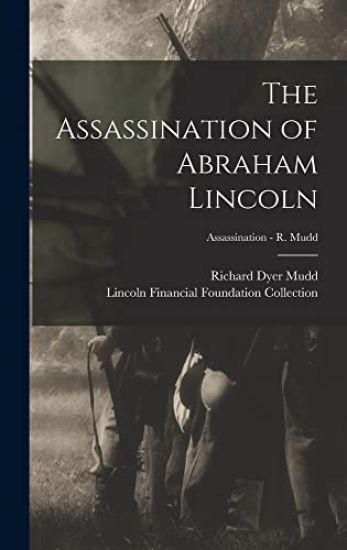
The Assassination of Abraham Lincoln; Assassination - R. Mudd
Richard Dyer 1901-2002 Mudd; Lincoln Financial Foundation Collection
Hassell Street Press
2021
sidottu
This work has been selected by scholars as being culturally important and is part of the knowledge base of civilization as we know it.This work is in the public domain in the United States of America, and possibly other nations. Within the United States, you may freely copy and distribute this work, as no entity (individual or corporate) has a copyright on the body of the work.Scholars believe, and we concur, that this work is important enough to be preserved, reproduced, and made generally available to the public. To ensure a quality reading experience, this work has been proofread and republished using a format that seamlessly blends the original graphical elements with text in an easy-to-read typeface.We appreciate your support of the preservation process, and thank you for being an important part of keeping this knowledge alive and relevant.

The Assassination of Abraham Lincoln; Assassination - R. Mudd
Richard Dyer 1901-2002 Mudd; Lincoln Financial Foundation Collection
Hassell Street Press
2021
nidottu
This work has been selected by scholars as being culturally important and is part of the knowledge base of civilization as we know it.This work is in the public domain in the United States of America, and possibly other nations. Within the United States, you may freely copy and distribute this work, as no entity (individual or corporate) has a copyright on the body of the work.Scholars believe, and we concur, that this work is important enough to be preserved, reproduced, and made generally available to the public. To ensure a quality reading experience, this work has been proofread and republished using a format that seamlessly blends the original graphical elements with text in an easy-to-read typeface.We appreciate your support of the preservation process, and thank you for being an important part of keeping this knowledge alive and relevant.

In the 1940s and '50s, Richard Dyer-Bennet (1913-1991) was among the best known and most respected folk singers in America. Paul O. Jenkins tells, for the first time, the story of Dyer-Bennet, often referred to as the ""Twentieth-Century Minstrel."" Dyer-Bennet's approach to singing sounded almost foreign to many American listeners. The folk artist followed a musical tradition in danger of dying out. The Swede Sven Scholander was the last European proponent of minstrelsy and served as Dyer-Bennet's inspiration after the young singer traveled to Stockholm to meet him one year before Scholander's death. Dyer-Bennet's achievements were many. Nine years after his meeting with Scholander, he became the first solo performer of his kind to appear in Carnegie Hall. This book argues Dyer-Bennet helped pave the way for the folk boom of the mid-1950s and early 1960s, finding his influence in the work of Joan Baez, Judy Collins, and many others. It also posits strong evidence that Dyer-Bennet would certainly be much better known today had his career not been interrupted midstream by the anticommunist, Red-scare blacklist and its ban on his performances..

In the 1940s and '50s, Richard Dyer-Bennet (1913-1991) was among the best known and most respected folk singers in America. Paul O. Jenkins tells, for the first time, the story of Dyer-Bennet, often referred to as the ""Twentieth-Century Minstrel."" Dyer-Bennet's approach to singing sounded almost foreign to many American listeners. The folk artist followed a musical tradition in danger of dying out. The Swede Sven Scholander was the last European proponent of minstrelsy and served as Dyer-Bennet's inspiration after the young singer traveled to Stockholm to meet him one year before Scholander's death. Dyer-Bennet's achievements were many. Nine years after his meeting with Scholander, he became the first solo performer of his kind to appear in Carnegie Hall. This book argues Dyer-Bennet helped pave the way for the folk boom of the mid-1950s and early 1960s, finding his influence in the work of Joan Baez, Judy Collins, and many others. It also posits strong evidence that Dyer-Bennet would certainly be much better known today had his career not been interrupted midstream by the anticommunist, Red-scare blacklist and its ban on his performances..
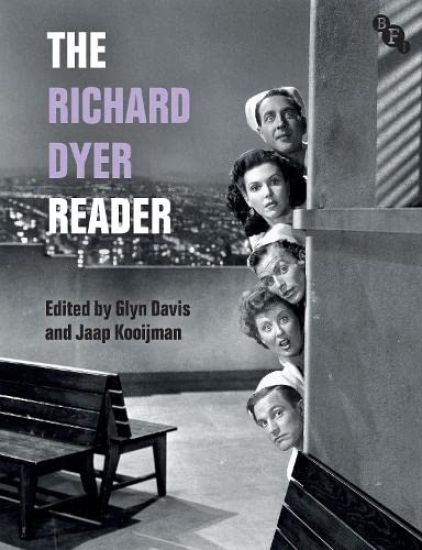
The Richard Dyer Reader
BLOOMSBURY PUBLISHING PLC
2023
nidottu
Richard Dyer is a foundational figure for the critical study of cinema and popular culture. Across a career spanning five decades, he has made path breaking contributions to our understanding of stardom and celebrity, gay and queer politics and cultural history, film music, race and whiteness and the pleasures of popular entertainment. The Richard Dyer Reader brings together for the first time key writings by this vital and influential figure, many of which are not otherwise available. The anthology guides readers through Dyer’s prolific and rich output through six thematic selections of essays and extracts, each centred on a key theme in Dyer's work: stardom and the image; entertainment and ideology; gay politics and representation; whiteness; the pleasures of popular entertainment, and textual analysis. A seventh section comprises a selection of interviews conducted across the span of his career, as well as a new interview with editors Glyn Davis and Jaap Kooijman. The book will provide an introduction for those new to Dyer’s writings, as well as offering a fresh perspective for readers with a more comprehensive knowledge of his work. The collection includes archival and recent pieces of writing never previously anthologised, newly commissioned essays, a substantial introduction to Dyer’s life and work and framing introduction to each section.

The Richard Dyer Reader
BLOOMSBURY PUBLISHING PLC
2023
sidottu
Richard Dyer is a foundational figure for the critical study of cinema and popular culture. Across a career spanning five decades, he has made path breaking contributions to our understanding of stardom and celebrity, gay and queer politics and cultural history, film music, race and whiteness and the pleasures of popular entertainment. The Richard Dyer Reader brings together for the first time key writings by this vital and influential figure, many of which are not otherwise available. The anthology guides readers through Dyer’s prolific and rich output through six thematic selections of essays and extracts, each centred on a key theme in Dyer's work: stardom and the image; entertainment and ideology; gay politics and representation; whiteness; the pleasures of popular entertainment, and textual analysis. A seventh section comprises a selection of interviews conducted across the span of his career, as well as a new interview with editors Glyn Davis and Jaap Kooijman. The book will provide an introduction for those new to Dyer’s writings, as well as offering a fresh perspective for readers with a more comprehensive knowledge of his work. The collection includes archival and recent pieces of writing never previously anthologised, newly commissioned essays, a substantial introduction to Dyer’s life and work and framing introduction to each section.

Songs take up space and time in films. Richard Dyer's In the Space of a Song takes off from this perception, arguing that the way songs take up space indicates a great deal about the songs themselves, the nature of the feelings they present, and who is allowed to present feelings how, when and where. In the Space of a Song explores this perception through a range of examples, from classic MGM musicals to blaxploitation cinema, with the career of Lena Horne providing a turning point in the cultural dynamics of the feeling.Chapters include:The perfection of Meet Me in St. LouisA Star Is Born and the construction of authenticity‘I seem to find the happiness I seek’: Heterosexuality and dance in the musicalThe space of happiness in the musicalSinging prettily: Lena Horne in HollywoodIs Car Wash a musical?Music and presence in blaxploitation cinemaIn the Space of a Song is ideal for both scholars and students of film studies.

Songs take up space and time in films. Richard Dyer's In the Space of a Song takes off from this perception, arguing that the way songs take up space indicates a great deal about the songs themselves, the nature of the feelings they present, and who is allowed to present feelings how, when and where. In the Space of a Song explores this perception through a range of examples, from classic MGM musicals to blaxploitation cinema, with the career of Lena Horne providing a turning point in the cultural dynamics of the feeling.Chapters include:The perfection of Meet Me in St. LouisA Star Is Born and the construction of authenticity‘I seem to find the happiness I seek’: Heterosexuality and dance in the musicalThe space of happiness in the musicalSinging prettily: Lena Horne in HollywoodIs Car Wash a musical?Music and presence in blaxploitation cinemaIn the Space of a Song is ideal for both scholars and students of film studies.

For around a hundred years up to the Stonewall riots, the word used for gay men was 'queers'. In The Culture of Queers, Richard Dyer traces the contours of queer culture, examining the differences and continuities with the gay culture which succeeded it. Opening with a discussion of the very concept of 'queers', Dyer asks what it means to speak of a sexual grouping having a culture, and addresses issues such as gay attitudes to women and the notion of camp. From screaming queens to sensitive vampires and sad young men, and from pulp novels to pornography to the films of Fassbinder, The Culture of Queers explores the history of queer arts and media.
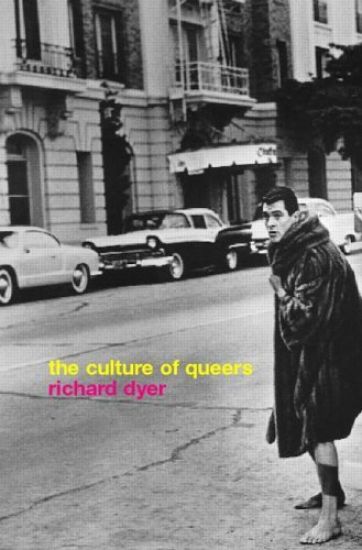
For around a hundred years up to the Stonewall riots, the word used for gay men was 'queers'. In The Culture of Queers, Richard Dyer traces the contours of queer culture, examining the differences and continuities with the gay culture which succeeded it. Opening with a discussion of the very concept of 'queers', Dyer asks what it means to speak of a sexual grouping having a culture, and addresses issues such as gay attitudes to women and the notion of camp. From screaming queens to sensitive vampires and sad young men, and from pulp novels to pornography to the films of Fassbinder, The Culture of Queers explores the history of queer arts and media.
Now published in a revised second edition, The Matter of Images searches through the resonances of the term ‘representation’, analysing images in terms of why they matter, what they are made of, and the material realities they refer to. Richard Dyer’s analyses consider representations of ‘out’ groups and traditionally dominant groups alike, and encompass the eclectic texts of contemporary culture, from queers to straights, political correctness, representations of Empire and films including Gilda, Papillon and The Night of the Living Dead. Essays new to the second edition discuss Lillian Gish as the ultimate white movie star, the representation of whiteness in the South in Birth of a Nation, and society’s fascination with serial killers.The Matter of Images is distinctive in its commitment to writing politically about contemporary culture, while insisting on the importance of understanding the formal qualities and complexity of the images it investigates.
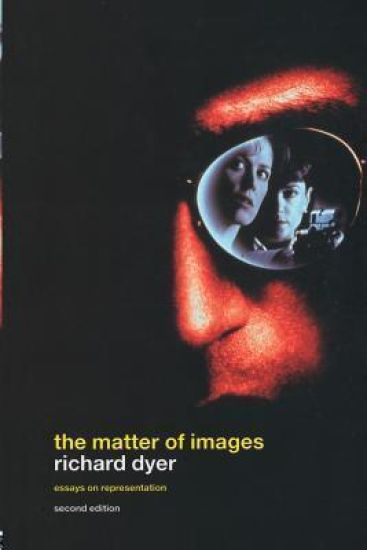
Now published in a revised second edition, The Matter of Images searches through the resonances of the term ‘representation’, analysing images in terms of why they matter, what they are made of, and the material realities they refer to. Richard Dyer’s analyses consider representations of ‘out’ groups and traditionally dominant groups alike, and encompass the eclectic texts of contemporary culture, from queers to straights, political correctness, representations of Empire and films including Gilda, Papillon and The Night of the Living Dead. Essays new to the second edition discuss Lillian Gish as the ultimate white movie star, the representation of whiteness in the South in Birth of a Nation, and society’s fascination with serial killers.The Matter of Images is distinctive in its commitment to writing politically about contemporary culture, while insisting on the importance of understanding the formal qualities and complexity of the images it investigates.

Only Entertainment explores entertainment as entertainment, asking how and whether an emphasis on the primacy of pleasure sets it apart from other forms of art.Dyer focuses on the genres most associated with entertainment, from musicals to action movies, disco to porn. He examines the nature of entertainment in movies such as The Sound of Music and Speed, and argues that entertainment is part of a 'common sense' which is always historically and culturally constructed.This new edition of Only Entertainment features a revised introduction and five new chapters on topics from serial killer movies to Elizabeth Taylor. In the final chapter Dyer asks whether entertainment as we know it is on the wane.
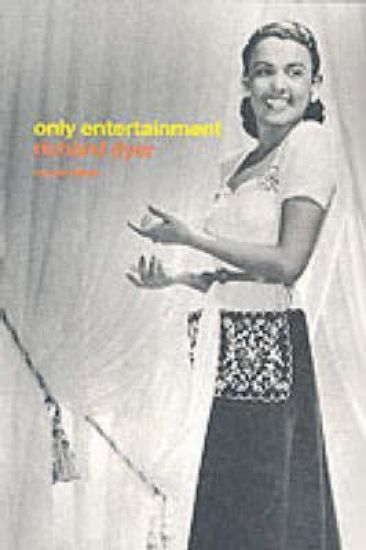
Only Entertainment explores entertainment as entertainment, asking how and whether an emphasis on the primacy of pleasure sets it apart from other forms of art.Dyer focuses on the genres most associated with entertainment, from musicals to action movies, disco to porn. He examines the nature of entertainment in movies such as The Sound of Music and Speed, and argues that entertainment is part of a 'common sense' which is always historically and culturally constructed.This new edition of Only Entertainment features a revised introduction and five new chapters on topics from serial killer movies to Elizabeth Taylor. In the final chapter Dyer asks whether entertainment as we know it is on the wane.

Revised for this second edition, Now You See It, Richard Dyer’s groundbreaking study of films by and about lesbians and gay men, now includes an outline of developments in queer cinema since 1990.Placing the book within lesbian and gay film history, Dyer examines familiar titles such as Girls in Uniform, Un Chant D’Amour and Word is Out in their lesbian/gay context, as well as bringing to light many other forgotten, but remarkable films. Each film is examined in detail in relation to both film type and tradition, and the sexual subculture in which it was made.Now featuring a brand new introduction by Juliane Pidduck, this will be an excellent aid to cinema and film studies courses.
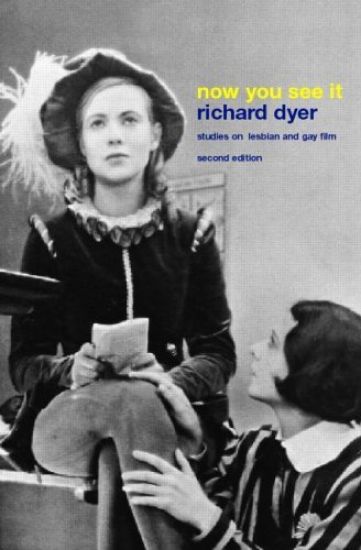
Now You See It, Richard Dyer's groundbreaking study of films by and about lesbians and gay men, has been revised for a second edition, and features an introduction by Juliane Pidduck outlining developments in lesbian and gay cinema since 1990. Now You See It examines familiar titles such as Girls in Uniform, Un Chant D'Amour, and Word Is Out, in their lesbian/gay context as well as bringing to light many other forgotten but remarkable films. Each film is examined in detail in relation to both film type and tradition and the sexual subculture in which it was made.
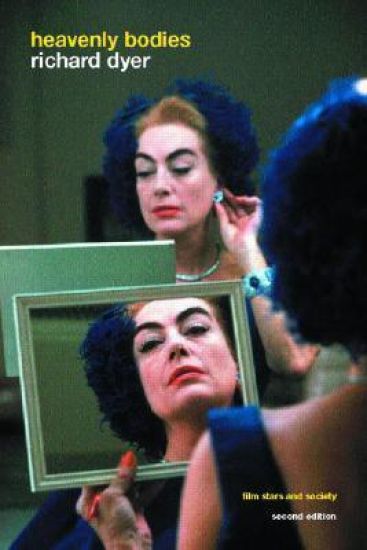
Richard Dyer's classic study of movie stars and stardom has been updated, with a new introduction by the author discussing the rise of celebrity culture and developments in the study of stars since publication of the first edition in 1986. Dyer's illuminating study is based around case studies of three major stars: Marilyn Monroe, Paul Robeson and Judy Garland. He draws on a wide range of sources, including the films in which each star appeared, to illustrate how each star's persona was constructed, and goes on to examine each within the context of particular issues in fan culture and stardom.Students of film and cultural studies will find this an invaluable part of there course reading.
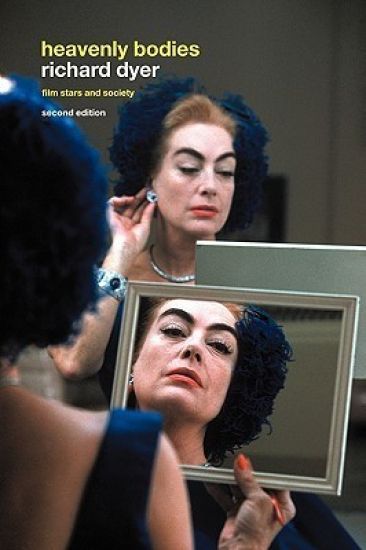
Richard Dyer's classic study of movie stars and stardom has been updated, with a new introduction by the author discussing the rise of celebrity culture and developments in the study of stars since publication of the first edition in 1986. Dyer's illuminating study is based around case studies of three major stars: Marilyn Monroe, Paul Robeson and Judy Garland. He draws on a wide range of sources, including the films in which each star appeared, to illustrate how each star's persona was constructed, and goes on to examine each within the context of particular issues in fan culture and stardom.Students of film and cultural studies will find this an invaluable part of there course reading.