As the practice of vascular anesthesia becomes increasingly recognized as a major subspecialty of anesthesia, there is a growing need among current practitioners to evolve their neuraxial, regional, and general anesthesia techniques and expand their understanding of the latest evidence. Vascular Anesthesia Procedures will review the essential topics of the field from vascular anatomy to common vascular procedures, anesthetic techniques in general and regional anesthesia, complications, perioperative patient monitoring, and post-operative management. Chapters are concise, up-to-date, evidence-based, and richly illustrated throughout.
Covering both surgical and non-surgical pain, Acute Pain Management Essentials is a comprehensive, clinically oriented reference for the entire acute pain management team. Edited by Drs. Alan David Kaye and Richard D. Urman, this new title brings together the expertise of contributing authors from anesthesiology, medicine, surgery, and allied health professions to offer an interdisciplinary approach to this complex and fast-changing field. Beginning with an overview of basic principles, it then approaches pain management by organ system, by patient population, and by treatment modality, ending with review of subspecialty considerations and related topics.Examines all types of acute pain, including non-surgical pain that requires non-regional anesthesia management techniquesBegins with basic principles of pain management, including anatomy and physiology of acute pain, evaluation and measurement of pain, neurobiology and genetics, preemptive analgesia and surgical pain, running a post-operative pain management service and moreSubsequent chapters are organized by Organ Systems, Special Populations, Treatment Modalities, and Subspecialty ConsiderationsIncludes related topics such as dental and facial pain, foot and ankle surgery, the primary care setting, nursing considerations, enhanced recovery pathways (ERAS), quality and safety considerations, and moreAn ideal resource for anesthesiologists who specialize in pain medicine, as well as physicians and fellows from other disciplines who care for patients experiencing surgical or non-surgical pain, as well as PAs, NPs, RNs, and pharmacists Enrich Your eBook Reading ExperienceRead directly on your preferred device(s),such as computer, tablet, or smartphone.Easily convert to audiobook,powering your content with natural language text-to-speech.
En años recientes, hemos presenciado cambios considerables en el tratamiento del dolor agudo. Esto ha dado lugar a una reducción del consumo de opioides y a estancias hospitalarias más cortas debido a una serie de estrategias que incluyen técnicas de recuperación mejoradas después de la cirugía y bloqueos nerviosos guiados por ecografía.Fundamentos del tratamiento para el dolor agudo. Un enfoque interdisciplinario es una referencia completa, que abarca tanto el dolor quirúrgico como el no quirúrgico, para todo el equipo de tratamiento del dolor agudo, y que ofrece un enfoque multidisciplinario de este campo complejo y en rápida evolución. Esta 1.ª edición comienza con una visión general de los principios básicos del tratamiento del dolor, incluida anatomía y fisiología del dolor agudo, evaluación y medición del dolor, neurobiología y genética, analgesia preventiva y dolor quirúrgico, y servicio de tratamiento del dolor posoperatorio. A continuación, aborda el tratamiento del dolor por sistema orgánico, por población de pacientes y por modalidad de tratamiento, y finaliza con una revisión de las consideraciones sobre subespecialidades y temas relacionados.
A high-yield, abridged version of the bestselling guide to general anesthesia and perioperative medicine Drawing from the trusted classic, Morgan and Mikhail's Clinical Anesthesiology Handbook has been pared down to the most essential information needed by anesthesia practitioners. The Handbook provides condensed, practical content relevant to clinical anesthesiology practice, covering topics within preoperative, intraoperative, and postoperative care. Many tables and figures have been retained from the larger textbook. This new abridged resource serves as a high-yield review of the core content of the larger text, with bolded key concepts for ease of reference, Q&A, and more.• Convenient, abridged version—less than half the length of origin text• Ideal resource for residents and trainees preparing for daily activity• High-yield review with variety of review techniques, including Q&A
Designed for portability and quick reference, Pocket Anesthesia, Fifth Edition, provides the essential information needed by practitioners and trainees on a daily basis. Expertly edited by Drs. Richard D. Urman and Jesse M. Ehrenfeld, this fully updated volume provides a concise and focused review of all areas of anesthesiology in one easy-to-navigate, pocket-sized notebook, making it an ideal reference for residents, anesthesiologists, CRNAs, CAA’s and students, in all clinical settings where anesthesia care is delivered. Follows the bestselling Pocket Notebook format, featuring bulleted lists, tables, diagrams, and algorithms that make essential facts easy to find and retain Contains fully updated core clinical topics on patient evaluation; pharmacology; airway management; regional anesthesia, POCUS, perioperative monitoring, ventilation techniques, acute and chronic pain management, ERAS, trauma and critical care management, pediatric and geriatric anesthesia, and much more Provides helpful appendices on formulae for quick reference, setting up the OR, management of malignant hyperthermia, and more Features new and expanded chapters on Burn Management, Infection Control and Respiratory Illness Considerations (including COVID-19), Optimizing the Anesthesia Care Team Contains current, evidence-based clinical recommendations
This issue of Anesthesiology Clinics focuses on Preoperative Patient Evaluation and is edited by Dr. Zdravka Zafirova and Dr. Richard Urman. Article topics include: Designing and Running a Preoperative Clinic; Preoperative Laboratory Testing; Patients with Cardiac Disease Undergoing Noncardiac Surgery; Preoperative Evaluation and Estimation of Pulmonary Risk; Stratification and Risk Reduction of Perioperative Acute Kidney Injury; Anticoagulants and Hematologic Disorders and Anemia; Nutrition and Prehabilitation; Perioperative Management of Diabetes and Other Endocrine Conditions; Preoperative Management of the Geriatric Patient, including Frailty and Cognitive Impairment Assessment; Management of Challenging Pharmacological Issues, including Chronic Pain and Substance Abuse Disorders; Assessment of the Pregnant Patient; Genomics Testing and Personalized Medicine in the Preoperative Setting; Shared Decision Making; Preoperative Management of Medications; Perioperative Surgical Home Models; and Preoperative Evaluation of the Pediatric Patient.
The revitalizing and restoration of rivers, creeks and streams is a major focus of urban conservation activity throughout North America and Europe. This book presents models and examples for organizing multiple stakeholders for purposes of waterway revitalization—if not restoration—within a context of fairness and environmental justice. After decades of neglect and misuse the challenge of cleaning up urban rivers and streams is shown to be complex and truly daunting. Urban river cleanup typically involves multiple agendas and stakeholders, as well as complicated technical issues. It is also often the situation that the most affected have the least voice in what happens. The authors present social process models for maximum inclusion of various stakeholders in decision-making for urban waterway regeneration. A range of examples is presented, drawn principally from North America and Europe.
A rich, fresh, anecdotal, and thoughtful account. Beautifully written, the book tells the story of modern families in technological Los Angeles who live compatibly amid chaparral with the scores of wild species on the hillsides and in the canyon. For students of ecology, conservation, and the environment.
The revitalizing and restoration of rivers, creeks and streams is a major focus of urban conservation activity throughout North America and Europe. This book presents models and examples for organizing multiple stakeholders for purposes of waterway revitalization—if not restoration—within a context of fairness and environmental justice. After decades of neglect and misuse the challenge of cleaning up urban rivers and streams is shown to be complex and truly daunting. Urban river cleanup typically involves multiple agendas and stakeholders, as well as complicated technical issues. It is also often the situation that the most affected have the least voice in what happens. The authors present social process models for maximum inclusion of various stakeholders in decision-making for urban waterway regeneration. A range of examples is presented, drawn principally from North America and Europe.
The 20th century's automobile-inspired land use changes brought about tremendous transformations in how stormwater moves across the modern urban land-scape. Streets and parking areas in the average urban family's neighborhood now exceed the amount of land devoted to living space. Add parking, office and commercial space, and it's easy to understand how modern cities have experienced a three-fold increase in impervious areas. Traditional wet weather collection systems removed stormwater from urban areas as quickly as possible, often transferring problems downstream. Innovative Urban WetWeather Flow Management Systems does two things: It considers the physical, chemical, and biological characteristics of urban runoff; then describes innovative methods for improving wet weather flow (WWF) management systems. The result of extensive research, Innovative Urban Wet-Weather Flow Manage-ment Systems looks most at how to handle runoff in developments of the 21st century: the confl icting objectives of providing drainage while decreasing stormwater pollutant discharges; the impact of urban WWF on surface and groundwater, such as smaller urban stream channels scoured by high peak flows; sediment transport and the toxic effects of WWF on aquatic organisms; the effectiveness of WWF controls-including design guidelines and source and downstream controls-are an important issue. Innovative Urban Wet-Weather Flow Management Systems looks at how source controls like biofi ltration, created through simple grading, may work in newly developing areas, while critical source areas like an auto service facilities, may need more extensive treatment strategies. Focusing WWF treatment on intensively used areas, such as the 20 percent of streets that handle the bulk of the traffic, and under utilized parking areas is also considered. Developing a more integrated water supply system-collecting, treating, and disposing of wastewater, and handling urban WWF-requires innovative methods, such as a neighborhood-scale system that would recycle treated wastewater and storm water for lawn watering and toilet flushing, or use treated roof runoff for potable purposes.
This book is about our modern, urban society and the modern, urban people who live in that society. It is also about a man named Joshua ben Joseph who taught a way of life that is relevant, dynamic and ideal for our progressive age.Joshua's teachings have already greatly influenced the course of history since his brief time on Earth some 2000 years ago. Much of his teachings act as a silent witness to the transformation in thinking of modern men and women who envision a society of equality, freedom and social justice.The original message of Joshua is relevant, vital and also urgently needed in this time of social upheaval, political militancy, economic restructuring and technological progress.A progressive society needs a progressive religion and the teachings of Joshua can be shown to be the ideal way of life for our urban society. Joshua's religion is evolutionary to the individual, liberating to the citizen, motivating to the activist and transforming to the sincere seeker who is pursuing God with all his heart and soul and mind.
Publisher's Note: Products purchased from Third Party sellers are not guaranteed by the publisher for quality, authenticity, or access to any online entitlements included with the product.Get Proven Solutions to the Unique Problems of Construction Management in Urban Environments Filled with hands-on advice from two seasoned project management experts, Urban Construction Project Management provides a wealth of proven solutions to the common problems of construction management in urban environments. The book includes cutting-edge information about working on small sites, public safety, the permit process, coordinating with utility companies, dealing with adjacent properties, and many other topics. This indispensable construction management tool uses numerous illustrations, photographs, charts, tables, and diagrams to clarify the critical issues involved in today's urban construction projects. The authors present timely guidance on testing…safety…logistics…building code compliance… scheduling and procurement…subcontractors and the bidding process… insurance and bonds…renovation and demolition…costs…claims…design-build…green construction…and more. Urban Construction Project Management features:Practical, step-by-step methods for meeting the unique challenges of today's complex urban construction projectsChecklists and forms-such as Request for Information (RFI) logs, meeting minutes, and contact lists-that enable readers to put information into practice quickly and easilyA wide range of visual materials, including illustrations, photographs, schedules, charts, tables, and diagramsSuccessfully Manage Every Aspect of Urban Construction Projects• Project Organization • Problem Solving • Testing • Permits • Utilities • Safety • Logistics • Layouts • Drawings • Contracts • Insurance and Bonds • Underpinning • Security • Building Codes • Renovation and Demolition • Communications • Meetings • Logs and Reports • Schedules • Subcontractors and the Bidding Process • Costs • Claims • Design-Build • Requisitions • Punch List • Close-Outs • Technology • Green Construction
This book explains the fundamental tools for achieving a more cohesive and satisfying environment. Using more than 100 photographs and drawings, Hedman illustrates the basic components of urban design. A great book for teaching planning students about urban design and a helpful tool for introducing citizens to the importance of good design. The book is essential reading for planners, city managers, and other public administrators who need to understand design principles to defend their commuinities against well-intentioned-even attractive-but nevertheless damaging projects.
Dr. Rhoda concisely presents the wide range of analytical methods available to urban and regional development planners. Focusing on the needs of the practitioner, in each chapter he concentrates on a particular analytical issue, describing several types of relevant analyses and offering guidelines for selecting appropriate techniques to solve speci
Dr. Rhoda concisely presents the wide range of analytical methods available to urban and regional development planners. Focusing on the needs of the practitioner, in each chapter he concentrates on a particular analytical issue, describing several types of relevant analyses and offering guidelines for selecting appropriate techniques to solve speci
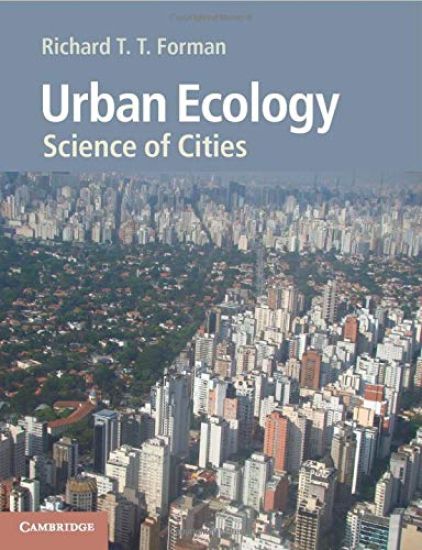
How does nature work in our human-created city, suburb, and exurb/peri-urb? Indeed how is ecology - including its urban water, soil, air, plant, and animal foundations - spatially entwined with this great human enterprise? And how can we improve urban areas for both nature and people? Urban Ecology: Science of Cities explores the entire urban area: from streets, lawns, and parks to riversides, sewer systems, and industrial sites. The book presents models, patterns, and examples from hundreds of cities worldwide. Numerous illustrations enrich the presentation. Cities are analyzed, not as ecologically bad or good, but as places with concentrated rather than dispersed people. Urban ecology principles, traditionally adapted from natural-area ecology, now increasingly emerge from the distinctive features of cities. Spatial patterns and flows, linking organisms, built structures, and the physical environment highlight a treasure chest of useful principles. This pioneering interdisciplinary book opens up frontiers of insight, as a valuable source and text for undergraduates, graduates, researchers, professionals, and others with a thirst for solutions to growing urban problems.
Buenos Aires is Argentina’s national capital and largest city. This book describes the development of the city during the period from 1910 to the early 1940s. It focuses on the role of politics and local government in the evolution of the city, detailing elections, party competition, and debates on important public works issues. The political story is set within the larger context of the overall growth of the capital. This is the first work to cover comprehensively the history of the city for this period and the first to concentrate on the neglected topic of local government.