Finsk prisvinnarbok. Vilja er ei ung jente som bur åleine med mor si. Mor til Vilja er sjuk på sinnet, og Vilja må bere alt ansvaret. Etterkvart vert det ei altfor tung bør å bere. Vilja har halde på løyndomane sine heilt frå ho var lita jente, men minna sine har ho skreve ned i Forteljinga. Ein tidleg morgon opnar ho for stengslene inne i seg, og let vennen Mana lese Forteljinga... Då kjem vendinga i livet hennar.
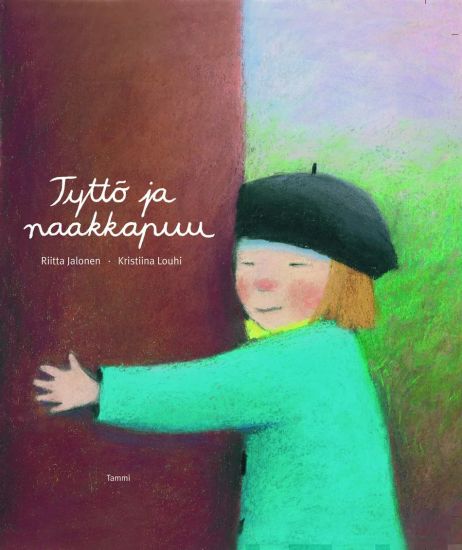
Muisto ei koskaan lopu.Tyttö ja naakkapuu kuvaa keskittyneesti lapsen elämän käännekohtaa, isän kuoleman aiheuttamia väistämättömiä muutoksia. Pienen tytön tunteet ja ajatukset kuljettavat hienoviritteistä kertomusta sisäisenä puheena: lapsi miettii elämänsä sattumuksia rautatieaseman isojen naakkapuiden alla äidin ostaessa matkalippuja uuteen paikkaan. Kun naakat yhtäkkiä lähtevät lentoon ja katoavat näkymättömiin, tyttö tietää, miltä puista tuntuu. Muistot isästä nousevat silmien eteen kuviksi.
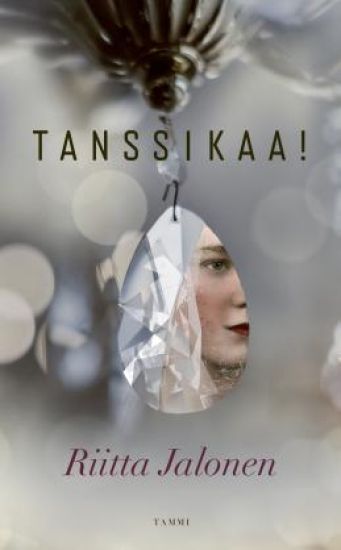
Kirkkaus-romaanin kirjoittajan odotettu uutuus!Viiltävän kaunis romaani taakoista, jotka ovat liian raskaita kantaa ja jotka siirtyvät huomaamatta sukupolvelta toiselle.Elisabetin seitsemästä enosta kuusi on kuollut. Elisabetin kodissa he ovat kuitenkin edelleen läsnä. Kuudesti vuodessa pöydälle levitetään silkkiliina, kun on aika juhlia enojen syntymäpäiviä.Äiti kerää ympärilleen ihmisiä, joiden murheet ja muistot ovat yhtä kipeitä kuin hänen omansa. Kun vieraat ilmestyvät perheen olohuoneeseen, kahvikuppeihin lorautetaan tilkka kirkkaasta pullosta ja kristallikruunu nostetaan eteiseen turvaan. On aika tanssia.Elisabetkin tanssii. Mutta hänen sisältään enojen muisto ei kaikkoa, ei vaikka valkoiset remmikengät hakkaavat lattiaa kiivaasti musiikin tahdissa.Riitta Jalonen (s. 1954) on hämeenlinnalainen kirjailija, jonka laaja tuotanto käsittää niin aikuisten kuin lasten kirjoja. Hänen teoksiaan on käännetty monelle kielelle, ja ne ovat saaneet muun muassa Finlandia junior- ja Runeberg-palkinnon. Jalosen edellinen romaani Kirkkaus keräsi valtavasti kiitosta niin kriitikoilta kuin lukijoiltakin. Tanssikaa! on hänen 13. romaaninsa.
Kiehtova romaani kirjoittamisen pakosta ja tarinoiden synnystä.Kirjailija matkustaa Sveitsiin, yhtenä päämääränään Davos, josta hän on jo nuorena tuberkuloosipotilaana luonut mielikuvan taianomaisena parantavana paikkana.Matkallaan hän pohtii lapsuudenkokemuksiaan ja kuoleman läsnäoloa, sitä miten koettu on vaikuttanut hänen teoksiinsa. Miten muistot ja muistikuvat ovat siirtyneet ja muuttuneet osaksi fiktiivisten hahmojen elämää. Ja myös sitä, kuinka kirjoittaminen on kantanut yli vaikeiden vaiheiden.Riitta Jalosen Omat kuvat piirtää kirkkaan näkymän kirjailijan sielunmaisemaan. Se kertoo siitä, miten pysäyttävät elämänkohdat ja tunteet käynnistävät kirjoittamista ja saavat fiktion muodon.Riitta Jalonen (s. 1954) on hämeenlinnalainen kirjailija, jonka laaja tuotanto käsittää niin aikuisten kuin lasten kirjoja. Hänen teoksiaan on käännetty monelle kielelle, ja ne ovat saaneet muun muassa Finlandia junior- ja Runeberg-palkinnon. Omat kuvat on hänen neljästoista romaaninsa.
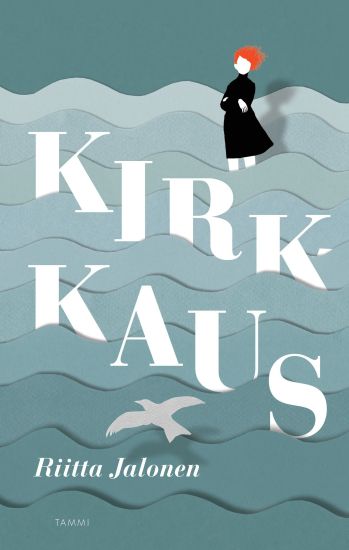
Aistivoimainen tarina kirjailijasta ja kirjoittamisen pakosta."Ajatukseni tulevat eriskummallisessa järjestyksessä, päättävät itse miten tulevat ilmi ja milloin. Mutta minun pääni on se joka humisee, käteni on se joka kirjoittaa."Janetin kotitalossa on huone, jonne kuolleet pannaan odottamaan hautaamista. Siellä on maannut Janetin kaksi siskoa ja sinne on vaarassa päätyä myös Geordie-veli, jolla on kaatumatauti ja taipumus juoda liikaa. Janetilla itsellään on kirkuvanpunainen tukka ja päässä häiritseviä ajatuksia. Mutta kun hän saa käteensä kynän ja eteensä paperia, kaikki muuttuu: maailmasta tulee hetkeksi kaunis ja ymmärrettävä.Riitta Jalosen romaani piirtää lumoavan kuvan uusiseelantilaisesta kirjailija Janet Framesta, herkkävaistoisesta poikkeusyksilöstä, jota hoidettiin vuosikausia psykiatrisessa sairaalassa aiheetta skitsofreenikkona mutta joka nousi myöhemmin romaaneillaan maailmanmaineeseen. Samalla se on osoitus taiteen voimasta, siitä kuinka kieli ja sanat voivat pelastaa ihmisen elämälle.Riitta Jalonen on hämeenlinnalainen kirjailija, jonka laaja tuotanto käsittää niin aikuisten kuin lasten kirjoja. Hänen teoksiaan on käännetty monelle kielelle, ja ne ovat saaneet muun muassa Finlandia junior- ja Runeberg-palkinnon. Kirkkaus on hänen 12. romaaninsa.
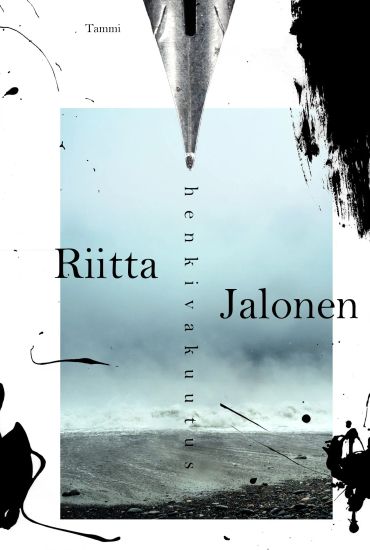
Kiteytyneen ilmauksen mestarin odotettu uutuus. Herkkävireinen kuvaus kirjoittamisen pakosta, sanoista jotka pelastavat. Kirjailija on päättänyt lopettaa kirjoittamisen. Koko hänen siihenastinen elämänsä on jäsentynyt tekeillä olevien käsikirjoitusten ja tulevien julkaisujen ympärille, ja lopettaminen tuntuu nielaisevan hänet tyhjiöön, jossa on vaikea löytää rauhaa. Pikkuhiljaa sanat ja lauseet alkavat kuin varkain pyrkiä paperille. Ensin käytettyjen kirjekuorien reunoille, sitten silkkikantisiin muistivihkoihin. Kun eletty elämä vähitellen kiertyy tarinan muotoon, kirjailija tuntee jälleen olevansa elossa. Riitta Jalonen (s. 1954) on hämeenlinnalainen kirjailija, jonka laaja tuotanto käsittää niin aikuisten kuin lasten kirjoja. Hänen teoksiaan on käännetty monelle kielelle, ja ne ovat saaneet muun muassa Finlandia junior- ja Runeberg-palkinnon. Henkivakuutus on hänen viidestoista romaaninsa.
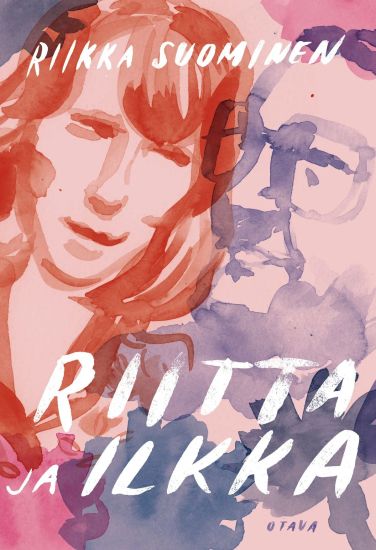
Tositarina elämän mullistavasta rakkaudesta. Toimittaja Riikka Suominen alkaa isänsä, kokoomuspoliitikko Ilkka Suomisen, poismenon jälkeen käydä läpi vanhempiensa jäämistöä. Hän löytää äitinsä ja isänsä kirjeenvaihtoa 1970-luvun alusta, ajalta, jolloin molemmat olivat tahoillaan naimisissa - mutta kiihkeän rakastuneita toisiinsa. Kirjeiden häkellyttävä intiimiys ja liki epätoivoinen sävy paljastavat, miten suuri rakkaustarina sai alkunsa silotellun julkisivun takana. Vanhempien tarina valkenee Riikalle samaan aikaan kun hän on itse rakastumassa. Yhtäkkiä ihmeellisen moni asia omassa elämässä muistuttaa rakkauskirjeiden tapahtumia.
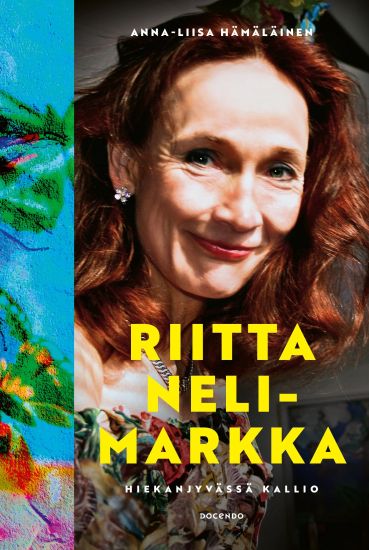
Persoonallisen taiteilijan kasvutarina. Riitta Nelimarkan elämäkerta kertoo munkkiniemeläisen perheen monilahjakkaan lapsen kasvun omaperäiseksi taiteilijaksi ja ihmiseksi, jolle vapaus, perhe ja rakkaus ovat tärkeintä. Professori Riitta Nelimarkan taiteessa hehkuvat värit ja tarttuva ilo. Hän on yksi monipuolisimmista ja tunnetuimmista suomalaisista nykytaiteilijoista. Vuonna 1948 Helsingissä syntynyt Nelimarkka on taidemaalari Eero Nelimarkan pojantytär, keksijän ja insinöörin Antti Nelimarkan tytär. Hänestä olisi voinut tulla pianisti, mutta hän omistikin elämänsä kuvataiteelle. Läpimurtonsa Nelimarkka teki animaatioillaan Sammon tarinaja Seitsemän veljestä. Hänen taiteensa on ollut esillä lukuisissa kotimaisissaja kansainvälisissä näyttelyissä ja festivaaleilla sekä taiteilijan omassa ateljeessa Bongan linnassa Loviisassa. Elämäkerta kertoo myösihmisestä teosten takana iloineen ja suruineen. Anna-Liisa Hämäläinen (s. 1956) on yhteiskuntatieteiden maisteri, joka on työskennellyt journalistina eri tehtävissä yli 40 vuotta ja nykyään vapaana kirjoittajana. Hän on aiemmin kirjoittanut elämäkerrat Diskokuningatar Eini ja Rouva puhemies - Anu Vehviläisen elämä ja ura.
Myös Fingerporissa kaiken takana on nainen.Tässä kahvilaemäntä Rivo-Riitan nimikkokirjassa tuodaan pitäjän kauniimpi sukupuoli parrasvaloihin. Riitan lisäksi teoksessa esitellään myös muut sarjan keskeiset naiset Krapula-Päivistä Irma Vesaan ja Inkeri Kääriäisestä Siwiä Vesaan. Mukana myös Fingerpullan resepti!
Ei ole turhaa on vaatimaton kosmopoliittinen ehdotus ajan ja paikan totaliteettien poistamiseksi. Puhutaan hellyyden alkuasukkaista, ylpeistä ryysyläisistä, raakojen ihmisten oikeuksista, yhteiskunnallisesta gynekologiasta, miehekkyyden pommittamisesta. Puhutaan palelemisesta ja ennen kaikkea puhutaan rakastamisesta. Ei ole turhaa on kolmiosainen kuume, dervissimäinen metaforapyörre ja vimmainen puolustuspuhe asioille, joita tehdään huolella vaikkei kukaan niistä tietäisi mitään, pienenpienille hetkellisyyden teoille. Ei ole turhaa -teoksessa jumala on pakolainen. Ainutkertaisuuden puolestapuhuja on jäänyt kiinni. "Ei puhuta rakkauden leiristä. Mennään sinne."
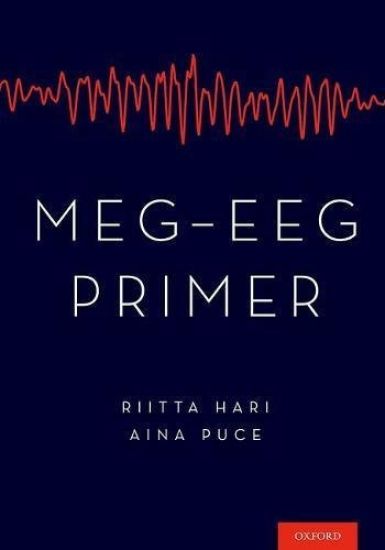
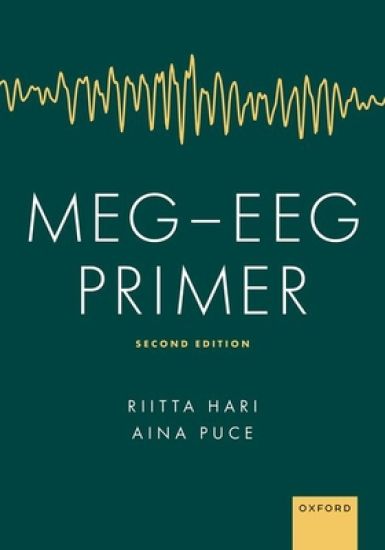
Magnetoencephalography (MEG) and electroencephalography (EEG) provide complementary views to the neurodynamics of healthy and diseased human brains. Both methods are totally noninvasive and can track with millisecond temporal resolution spontaneous brain activity, evoked responses to various sensory stimuli, as well as signals associated with the performance of motor, cognitive and affective tasks. MEG records the magnetic fields, and EEG the potentials associated with the same neuronal currents, which however are differentially weighted due to the physical and physiological differences between the methods. MEG is rather selective to activity in the walls of cortical folds, whereas EEG senses currents from the cortex (and brain) more widely, making it harder to pinpoint the locations of the source currents in the brain. Another important difference between the methods is that skull and scalp dampen and smear EEG signals, but do not affect MEG. Hence, to fully understand brain function, information from MEG and EEG should be combined. Additionally, the excellent neurodynamical information these two methods provide can be merged with data from other brain-imaging methods, especially functional magnetic resonance imaging where spatial resolution is a major strength. MEG-EEG Primer is the first-ever volume to introduce and discuss MEG and EEG in a balanced manner side-by-side, starting from their physical and physiological bases and then advancing to methods of data acquisition, analysis, visualization, and interpretation. The authors pay special attention to careful experimentation, guiding readers to differentiate brain signals from various artifacts and to assure that the collected data are reliable. The book weighs the strengths and weaknesses of MEG and EEG relative to one another and to other methods used in systems, cognitive, and social neuroscience. The authors also discuss the role of MEG and EEG in the assessment of brain function in various clinical disorders. The book aims to bring members of multidisciplinary research teams onto equal footing so that they can contribute to different aspects of MEG and EEG research and to be able to participate in future developments in the field.
MEG-EEG Primer presents the basic A-to-Z of two non-invasive human electrophysiological methods, magnetoencephalography (MEG) and electroencephalography (EEG). These methods are used to study human brain dynamics, tracking the brain's responses to sensory, cognitive, and social stimuli. This book, now in its second edition, remains the only volume of its kind that discusses both MEG and EEG side-by-side, for an integrated understanding of brain function. In 22 chapters with almost two hundred color figures, the book covers the basic physical and physiological foundations of these two methods, the historical background and development of their implementation, instrumentation, recording techniques, data analysis, and interpretation. The new edition includes expanded text on MEG and EEG sensor types and amplifiers, artifacts, new analysis tools, open data repositories, and novel instrumentation. Due to new concerns from the COVID-19 pandemic, general infection control in MEG/EEG laboratories is also discussed. Interoception is introduced as an interesting emerging research field. Moreover, future developments in MEG and EEG are examined with respect to new and evolving technologies, and new applications for their use. Overall, MEG-EEG Primer puts into perspective the role of MEG and EEG in neuroscience research at large, and the future of our understanding of the dynamics of human brain function.
Instead of seeing the family as a 'monolithic' entity, as though separate from its surroundings, this new approach draws attention to assemblages of various types that in different constellations and through different transactions relate people to each other as families and kin.
Translating Picturebooks examines the role of illustration in the translation process of picturebooks and how the word-image interplay inherent in the medium can have an impact both on translation practice and the reading process itself. The book draws on a wide range of picturebooks published and translated in a number of languages to demonstrate the myriad ways in which information and meaning is conveyed in the translation of multimodal material and in turn, the impact of these interactions on the readers’ experiences of these books. The volume also analyzes strategies translators employ in translating picturebooks, including issues surrounding culturally-specific references and visual and verbal gaps, and features a chapter with excerpts from translators’ diaries written during the process. Highlighting the complex dynamics at work in the translation process of picturebooks and their implications for research on translation studies and multimodal material, this book is an indispensable resource for students and researchers in translation studies, multimodality, and children’s literature.
Learning Languages, Learning Life Skills offers an autobiographical reflexive approach to foreign language education. The orientation of the book is practical, containing rich descriptions of language learning situations including authentic language use and student stories. Teaching, including planning, methods, classroom work and evaluation, and case studies of "good" language learning and how dialogue based on reminiscing can be used to promote students’ well-being in the language classroom are described in detail. Many practical examples of how to develop autobiographical reflexive approach, based on the phenomenological philosophy, and methodology, are presented. Learning Languages, Learning Life Skills significantly enhances the communicative approach and going beyond it into a new paradigm, whereby foreign language teaching and learning are seen as foreign language education. The book offers unique ways of developing vocational language teaching as an integrated holistic approach combining language contents with vocationally relevant topics and the interactive, dialogical processes of working in language classes. Presented in a "common sense" way and accessible to non-native English readers, Learning Languages, Learning Life Skills will be of interest to teachers as well as researchers in the areas of applied and educational linguistics.
Our corporeality and immersion in the material world make us inherently spatial beings, and the fact that we all share everyday experiences in the global physical environment means that community is also spatial by nature. This book explores the relationship between the seventeenth-century townspeople of Turku, Sweden, and their urban surroundings. Riitta Laitinen offers a novel account of civil and social order in this early modern town, highlighting the central importance of materiality and spatiality and breaking down the dichotomy of public versus private life that has dominated traditional studies of the time period.
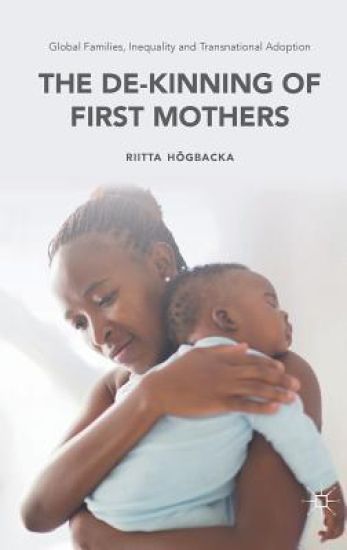
This book looks at the simultaneous processes of making and un-making of families that are part of the adoption practice. Whereas most studies on transnational adoption concentrate on the adoptive family, the author identifies not only the happy occasion when a family gains a child, but also the sorrow and loss of the child to its family of origin. Situating transnational adoption in the context of the Global North-South divide, Hogbacka investigates the devastating effects of unequal life chances and asymmetrical power relations on the adoption process and on the mothers whose children are adopted. Based on unique primary material gathered in in-depth interviews with South African families of origin and Finnish adoptive families, the book investigates the decision-making processes of both sets of parents and the encounters between them. The first mothers' narratives are juxtaposed with those of the adopters and of the adoption social workers who act on the principles of the wider adoption system. Concluding with a critique of the Global Northism that exemplifies current practices, Hogbacka sketches the contours of a more just approach to transnational adoption that would shatter rather than perpetuate inequality. The book can also be read as an expose of the consequences of current inequalities for poor families. Global Families, Inequality and Transnational Adoption will be of interest to students and scholars of adoption studies, family and kinship, sociology, anthropology, social work and development.
This book takes a novel approach to family, exploring in detail how status is inherited and maintained within families; the process of upward social mobility; and how the roots of social decline start within families. The author also examines how rigidly status equivalence determines choice of spouse. Exceptionally extensive in its coverage, the book ranges from the seventeenth century to the present day, across a large range of European countries and part of the United States, and across several class groups, including royalty, nobility and entrepreneurial dynasties, as well as families of professionals, artists and those in lower ranks. The book also discusses the viability of the central sociological concepts of class and status. The book will be of interest to scholars and students in the areas of family sociology, history, social equality and inequality and class and elitism research.
Translating Picturebooks examines the role of illustration in the translation process of picturebooks and how the word-image interplay inherent in the medium can have an impact both on translation practice and the reading process itself. The book draws on a wide range of picturebooks published and translated in a number of languages to demonstrate the myriad ways in which information and meaning is conveyed in the translation of multimodal material and in turn, the impact of these interactions on the readers’ experiences of these books. The volume also analyzes strategies translators employ in translating picturebooks, including issues surrounding culturally-specific references and visual and verbal gaps, and features a chapter with excerpts from translators’ diaries written during the process. Highlighting the complex dynamics at work in the translation process of picturebooks and their implications for research on translation studies and multimodal material, this book is an indispensable resource for students and researchers in translation studies, multimodality, and children’s literature.