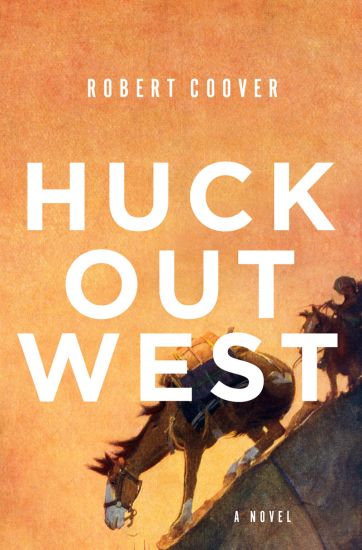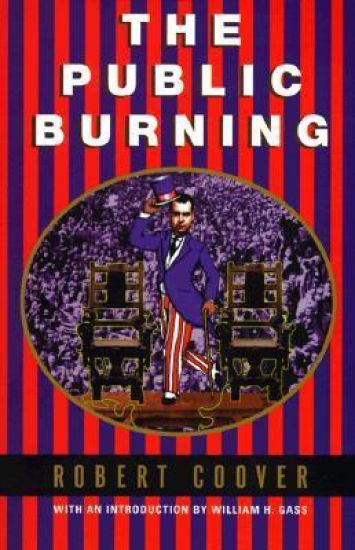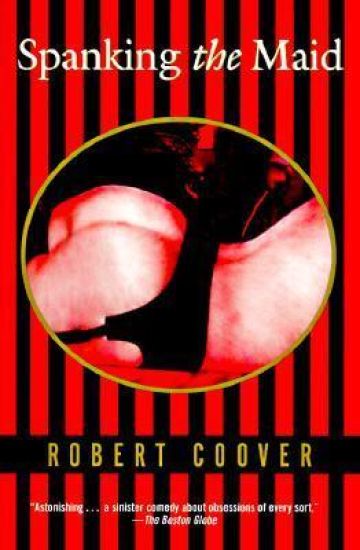
With works ranging thematically and stylistically from "The Universal Baseball Association "to "The Public Burning, "from "Pricksongs and Descants "to "Spanking the Maid, "Robert Coover emerges as one of the most vibrant writers from a remarkable avant-garde that in the mid-1960s mounted serious assault on traditional ideas of form and content in world literature.Lois Gordon here defines Coover s novels, short stories, and plays in terms of his contemporaries: among Americans, Donald Barthelme, William Gass, John Hawkes, and others; among Europeans, Julio Cortazar, Robert Pinget, and Italo Calvino, to name a few. These writers dismiss the conventions of traditional formlinear plot, character development, definable theme, Aristotle s unities of time and spaceas no longer appropriate in the modern world.Coover writes in a dazzling variety of forms and styles; in each he demonstrates a diversity of the style and manipulates the trappings of every conventional formfrom Old Comedy to theater of the absurd. He also translates or transposes techniques associated with other art forms, such as film montage or operatic interlude. In Coover s hands, any of these forms are fair game for parody. Gordon notes: Coover s method, more specifically is this: at the same time that he maintains a strong narrative line he counterpoints it (his musical term is descants ) with numerous mythic, legendary, or symbolic levels which serve to explode any final meaning or resting point. Nothing is staticpersonality, event, human values. Coover writes about a continual flux in which everything is constantly qualified and dramatically altered. He portrays the public and private rituals that man construes to barter inner and outer disorder. "