Kirjojen hintavertailu. Mukana 11 342 296 kirjaa ja 12 kauppaa.

Kirjahaku

Etsi kirjoja tekijän nimen, kirjan nimen tai ISBN:n perusteella.

1000 tulosta hakusanalla Robert E. Connolly

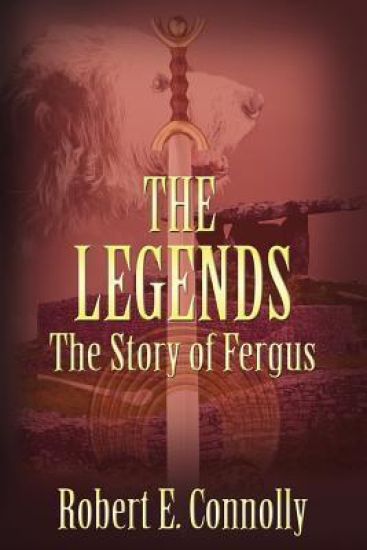
The Legends: The Story of Fergus (Irish edition)

The Legends: The Story of Fergus (Irish edition)

Robert E. Connolly

Createspace Independent Publishing Platform
2012
nidottu
Over three thousand years ago, the legendary Celtic champion C chulainn was killed by order of the evil Queen Meadhbh. His wife, who had just given birth to twin boys, died of grief and a broken heart. To protect the orphaned twins from the wrath of the queen, one child, Ferdia, was sent to live with his grandfather in Tir na nOg, the land of eternal youth. Fergus, the second boy could not make the journey, and so the twins were separated. Ultimately the two boys grow up in the same land...but in very different times.This is the story of Fergus, the boy who remained in Celtic Ireland. Fergus is a true son of his legendary father and is trained as a champion to fight and defend his people and his homeland against raids and invasions. Meadhbh is well aware of his presence vowing to end C chulainn's line once and for all, so Fergus is a marked man. Fortunately he has inherited many of the physical gifts that made his father the greatest of the Red Branch Knights and that combined with his hard work and dedication ensure that defeating him will not be easy. Despite his success on the battlefield, Fergus knows he has a twin brother and longs to be with him again and this is his story.
The Legends: The Story of Fergus (American Edition)

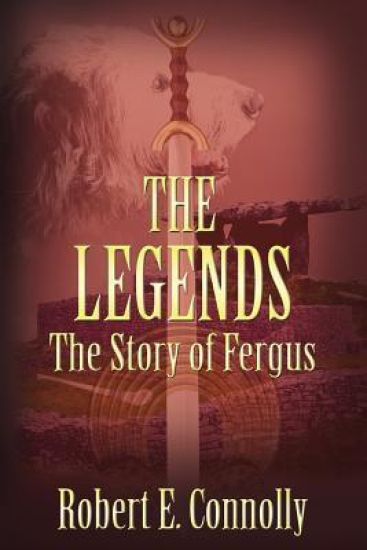
The Legends: The Story of Fergus (American Edition)

Robert E. Connolly

Createspace Independent Publishing Platform
2012
nidottu
Over three thousand years ago, the legendary Celtic champion C chulainn was killed by order of the evil Queen Meadhbh. His wife, who had just given birth to twin boys, died of grief and a broken heart. To protect the orphaned twins from the wrath of the queen, one child, Ferdia, was sent to live with his grandfather in Tir na nOg, the land of eternal youth. Fergus, the second boy could not make the journey, and so the twins were separated. Ultimately the two boys grow up in the same land...but in very different times. While the first book in the Legends series is the story of Ferdia as he begins life in 21st century Ireland, this second book follows the life of Fergus who remains behind in Celtic Ireland. Fergus becomes a great champion like his father, "reddening he blade with the blood of Ulster's enemies, but all the time he longs to be with the twin brother he never knew.
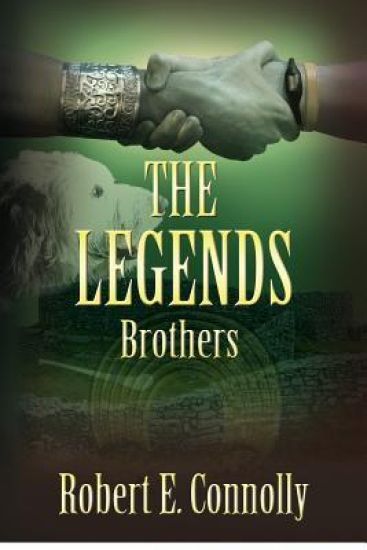
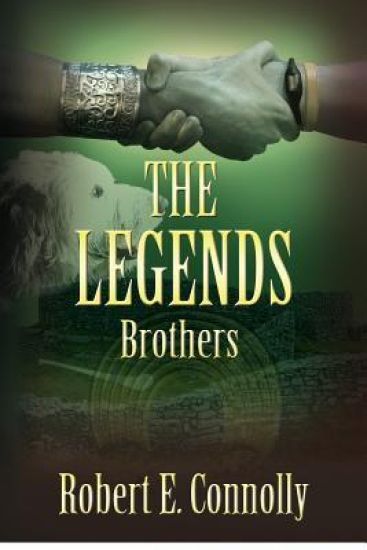
The Legends: Brothers (Irish edition)

The Legends: Brothers (Irish edition)

Robert E. Connolly

Createspace Independent Publishing Platform
2012
nidottu
Over three thousand years ago, the legendary Celtic warrior C chulainn was killed on orders of the evil Queen Meadhbh. His wife, who had just given birth to twin boys, died of grief and a broken heart. To protect the orphaned twins from the wrath of the queen, one child, Ferdia, was sent to live with his grandfather in Tir na nOg, the land of eternal youth. Fergus, the second boy could not make the journey, and so the twins were separated. Ultimately the two boys spent their early years in the same land...but in very different times. The Legends: Beginnings tells the story of Ferdia who ultimately re-emerged from Tir na nOg and was discovered as an infant, lying on the banks of the River Boyne. He is adopted by Cathal and Eibhl n O'Suileabh in, christened Brian, and grows up, a sporting legend in modern Ireland. The Legends: The Story of Fergus describes the early life of the twin who remained behind in Celtic Ireland. A true son of his legendary father, Fergus is trained as a champion to fight and defend his people and his homeland against raids and invasions. Despite his success on the battlefield, Fergus knows he has a twin brother and longs to be with him again. The Legends: Brothers finds the twins, now eighteen years of age, pursuing their respective dreams. Little do they know that the days and months ahead will include shocking discoveries which will change their lives forever.Like the prior books in this series, Brothers is published in both an Irish/English edition and an Irish American edition recognising that language, including spelling, syntax and terminology differ on either side of the Atlantic.
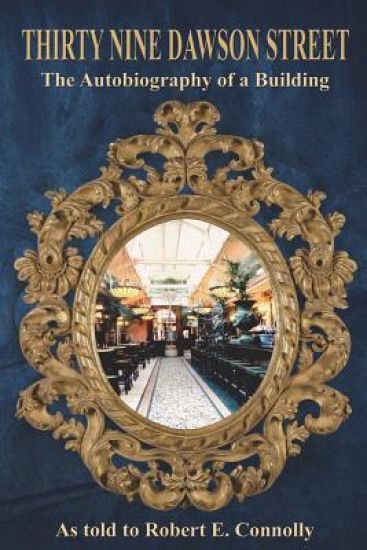
Thirty Nine Dawson Street: The Autobiography of a Building

Thirty Nine Dawson Street: The Autobiography of a Building

Robert E. Connolly

Createspace Independent Publishing Platform
2012
nidottu
This book considers that old adage, "If these Walls could Talk" and begins with the premise that Thirty Nine Dawson Street, a Georgian period building in Dublin, Ireland can indeed talk. So, the building tells the story of its existence over nearly 300 years, its autobiography. Each chapter addresses a resident or residents from its beginnings as a home for English gentry to its current use as Caf en Seine, one of the premier public houses in Ireland. The story contains historically accurate detail mixed with "artistic license" and provides readers with and interesting perspective on the historic development of Dublin naturally combined with a liberal dose of humour. After all, as Thirty Nine says, buildings are the only true witnesses to history because they don't die after seventy or eighty years. This book is the second edition of a book originally published in 2003 and updates the buildings development since that publication.
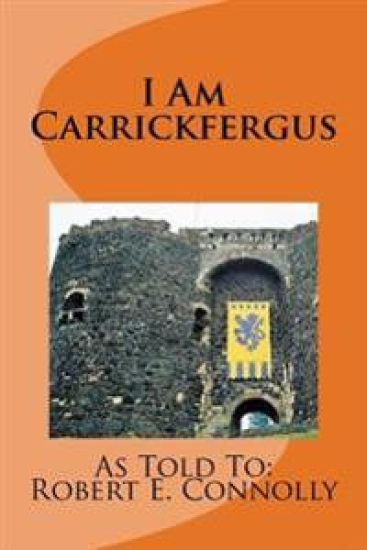
I Am Carrickfergus

I Am Carrickfergus

Robert E. Connolly

Createspace Independent Publishing Platform
2016
nidottu
If only these walls could talk... How many times have we used this expression in our conversation? How many times have we thought of its possibility whilst looking at some particularly ancient or historic building? Of course, walls can talk in ways that we all understand and appreciate. The bullet-ridden walls of the General Post Office tell a story of rebellion and the ultimate independence of Ireland. The richly detailed walls and ceilings of Georgian houses on Merrion Square speak of eighteenth-century wealth and elegance. The musty church walls of St Patrick's Cathedral tell of heroic death and the wasted lives of young men cut down on battlefields in the far corners of the world. If one sits quietly on a rock in the glens of Mayo, it is possible to hear the crumbling walls of a famine cottage tell a story of a different death, no less heroic and no less wasted. Walls do talk but people do not always listen, perhaps because the listening must be done with the eyes, the mind and the heart rather than the ears.If one accepts the proposition that walls reflect their history, it isn't too great a leap of the imagination to actual consider great buildings as personalities who have seen hundreds of years of human history and would like nothing better than to tell us their real story? After all, historians must rely on hearsay compiled by other reporters and historians who are long dead. Archaeologists must rely on conclusions based on the study of the bits and pieces that remain from these past generations. Buildings, however, have been with us for centuries and they were actually present, direct witnesses to the great events of history. If they could actually speak out loud, what amazing stories would they tell? Consider our current subject, Carrickfergus Castle. It is a Norman Stronghold dating back over 800 years and, of course, it has a story to tell.....All we need to do is listen. Even if you can't accept the proposition that walls talk, I hope you will enjoy this book as a bit of actual history combined with a bit of craic.
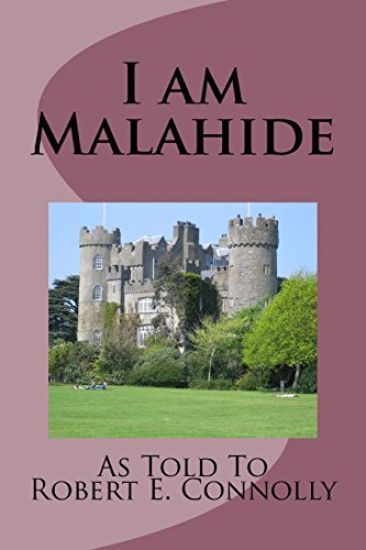
I am Malahide

I am Malahide

Robert E. Connolly

Createspace Independent Publishing Platform
2016
nidottu
If only these walls could talk... How many times have we used this expression in our conversation? How many times have we thought of its possibility whilst looking at some particularly ancient or historic building? Of course, walls can talk in ways that we all understand and appreciate. The bullet-ridden walls of the General Post Office tell a story of rebellion and the ultimate independence of Ireland. The richly detailed walls and ceilings of Georgian houses on Merrion Square speak of eighteenth-century wealth and elegance. The musty church walls of St Patrick's Cathedral tell of heroic death and the wasted lives of young men cut down on battlefields in the far corners of the world. If one sits quietly on a rock in the glens of Mayo, it is possible to hear the crumbling walls of a famine cottage tell a story of a different death, no less heroic and no less wasted. Walls do talk but people do not always listen, perhaps because the listening must be done with the eyes, the mind and the heart rather than the ears.If one accepts the proposition that walls reflect their history, it isn't too great a leap of the imagination to actual consider great buildings as personalities who have seen hundreds of years of human history and would like nothing better than to tell us their real story? After all, historians must rely on hearsay compiled by other reporters and historians who are long dead. Archaeologists must rely on conclusions based on the study of the bits and pieces that remain from these past generations. Buildings, however, have been with us for centuries and they were actually present, direct witnesses to the great events of history. If they could actually speak out loud, what amazing stories would they tell? Consider our current subject, Malahide Castle. It is a Norman Castle located in North County Dublin dating back over 800 years and, of course, it has a story to tell.....All we need to do is listen. Even if you can't accept the proposition that walls talk, I hope you will enjoy this book as a bit of actual history combined with a bit of craic.
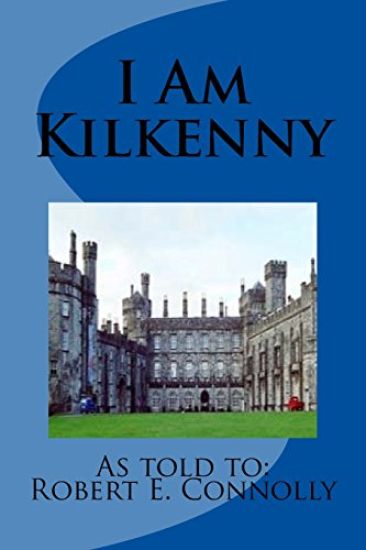
I Am Kilkenny

I Am Kilkenny

Robert E. Connolly

Createspace Independent Publishing Platform
2016
nidottu
If only these walls could talk... How many times have we used this expression in our conversation? How many times have we thought of its possibility whilst looking at some particularly ancient or historic building? Of course, walls can talk in ways that we all understand and appreciate. The bullet-ridden walls of the General Post Office tell a story of rebellion and the ultimate independence of Ireland. The richly detailed walls and ceilings of Georgian houses on Merrion Square speak of eighteenth-century wealth and elegance. The musty church walls of St Patrick's Cathedral tell of heroic death and the wasted lives of young men cut down on battlefields in the far corners of the world. If one sits quietly on a rock in the glens of Mayo, it is possible to hear the crumbling walls of a famine cottage tell a story of a different death, no less heroic and no less wasted. Walls do talk but people do not always listen, perhaps because the listening must be done with the eyes, the mind and the heart rather than the ears.If one accepts the proposition that walls reflect their history, it isn't too great a leap of the imagination to actual consider great buildings as personalities who have seen hundreds of years of human history and would like nothing better than to tell us their real story? After all, historians must rely on hearsay compiled by other reporters and historians who are long dead. Archaeologists must rely on conclusions based on the study of the bits and pieces that remain from these past generations. Buildings, however, have been with us for centuries and they were actually present, direct witnesses to the great events of history. If they could actually speak out loud, what amazing stories would they tell? Consider our current subject, Kilkenny Castle began its existence as a Norman Castle dating back over 800 years. Strongbow himself chose the site an ordered its construction and, over the years it was to serve as a stronghold of Norman and Irish rule outside of Dublin. Of course, it has a story to tell.....All we need to do is listen. Even if you can't accept the proposition that walls talk, I hope you will enjoy this book as a bit of actual history combined with a bit of craic.
I am Bunratty

I am Bunratty

Robert E. Connolly

Createspace Independent Publishing Platform
2016
nidottu
If only these walls could talk... How many times have we used this expression in our conversation? How many times have we thought of its possibility whilst looking at some particularly ancient or historic building? Of course, walls can talk in ways that we all understand and appreciate. The bullet-ridden walls of the General Post Office tell a story of rebellion and the ultimate independence of Ireland. The richly detailed walls and ceilings of Georgian houses on Merrion Square speak of eighteenth-century wealth and elegance. The musty church walls of St Patrick's Cathedral tell of heroic death and the wasted lives of young men cut down on battlefields in the far corners of the world. If one sits quietly on a rock in the glens of Mayo, it is possible to hear the crumbling walls of a famine cottage tell a story of a different death, no less heroic and no less wasted. Walls do talk but people do not always listen, perhaps because the listening must be done with the eyes, the mind and the heart rather than the ears.If one accepts the proposition that walls reflect their history, it isn't too great a leap of the imagination to actual consider great buildings as personalities who have seen hundreds of years of human history and would like nothing better than to tell us their real story? After all, historians must rely on hearsay compiled by other reporters and historians who are long dead. Archaeologists must rely on conclusions based on the study of the bits and pieces that remain from these past generations. Buildings, however, have been with us for centuries and they were actually present, direct witnesses to the great events of history. If they could actually speak out loud, what amazing stories would they tell? Consider our current subject, Bunratty Castle began its existence as a Norman Castle dating back over 800 years. Its foundations predate many Irish castles and its location on a veritable island were recognized in Viking times. In its early years, it was intended to be a Norman stronghold but being far from Dublin and isolated from the security of Norman protection it changed hands on numerous occasions. As the Normans and the Irish clans dominated the region they took turns occupying Bunratty and then leaving it in ruins. Of course, it has a story to tell.....All we need to do is listen. Even if you can't accept the proposition that walls talk, I hope you will enjoy this book as a bit of actual history combined with a bit of craic.
I Am Blarney

I Am Blarney

Robert E. Connolly

Createspace Independent Publishing Platform
2016
nidottu
If only these walls could talk... How many times have we used this expression in our conversation? How many times have we thought of its possibility whilst looking at some particularly ancient or historic building? Of course, walls can talk in ways that we all understand and appreciate. The bullet-ridden walls of the General Post Office tell a story of rebellion and the ultimate independence of Ireland. The richly detailed walls and ceilings of Georgian houses on Merrion Square speak of eighteenth-century wealth and elegance. The musty church walls of St Patrick's Cathedral tell of heroic death and the wasted lives of young men cut down on battlefields in the far corners of the world. If one sits quietly on a rock in the glens of Mayo, it is possible to hear the crumbling walls of a famine cottage tell a story of a different death, no less heroic and no less wasted. Walls do talk but people do not always listen, perhaps because the listening must be done with the eyes, the mind and the heart rather than the ears.If one accepts the proposition that walls reflect their history, it isn't too great a leap of the imagination to actual consider great buildings as personalities who have seen hundreds of years of human history and would like nothing better than to tell us their real story? After all, historians must rely on hearsay compiled by other reporters and historians who are long dead. Archaeologists must rely on conclusions based on the study of the bits and pieces that remain from these past generations. Buildings, however, have been with us for centuries and they were actually present, direct witnesses to the great events of history. If they could actually speak out loud, what amazing stories would they tell? Consider our current subject, Blarney Castle began its existence as an Irish Castle dating back over 800 years. Its foundation predates many Irish castles and while its development at a stronghold was influenced by Norman practices, it was, and is most certainly Irish. Remarkably, while the Normans dominated the Irish countryside, eventually becoming "more Irish than the Irish," and the English followed on in subduing Ireland, Blarney remained Irish until relatively recent time. Blarney itself will attribute this to a remarkable stone which is imbedded in its ramparts. This stone allowed the clan McCarthy to adroitly navigate the conflicting politics that brought so many other castles to their foundations. Of course, Blarney has a story to tell.....All we need to do is listen. Even if you can't accept the proposition that walls talk, I hope you will enjoy this book as a bit of actual history combined with a bit of craic.
Robert E. Lee, Young Confederate

Robert E. Lee, Young Confederate

Helen Albee Monsell

Prentice Hall IBD
1986
nidottu
One of the most popular series ever published for young Americans, these classics of childhood have been praised alike by parents, teachers, and librarians. These lively, inspiring, believing biographies sweep today's young readers right into history.
Robert E. Lee: A Life

Robert E. Lee: A Life

Roy Blount

PENGUIN BOOKS
2007
nidottu
A "witty, lively and wholly fascinating" (The New York Times) portrait of an iconic Southern hero With lively storytelling and full-hearted Southern directness, Roy Blount, Jr., presents a unique portrait of Robert E. Lee. Fascinated by the qualities that made Lee such a charismatic, though reluctant, leader, Blount vividly conveys Lee's audacity and uncanny successes in battle, as well as his humility, his quirky sense of humor, and the sorrowful sense of responsibility he felt for his outnumbered, half-starved army. The first concise biography of this American legend, Robert E. Lee will appeal to history and military buffs, students of Southern culture, and every reader curious about the makeup of a man who has become an American icon.
Robert E. Lee

Robert E. Lee

Noah Andre Trudeau

Palgrave Macmillan
2010
nidottu
General Robert E. Lee was a complicated man and military figure. In Robert E. Lee, the 11th book in the critically acclaimed Great Generals Series, Noah Andre Trudeau follows the general's Civil War path with a special emphasis on Lee's changing set of personal values as the conflict wended through four bloody years and by exploring his famous skills as a crafty and daring tactician. Trudeau adds a fresh perspective toward understanding a major figure in American history who remains decidedly an enigma.
Robert E. Lee

Robert E. Lee

Noah Andre Trudeau

Palgrave Macmillan
2009
sidottu
General Robert E. Lee was a complicated man and military figure. In Lee, the 11th book in the critically acclaimed Great Generals Series, Noah Andre Trudeau follows the general's Civil War path with a special emphasis on Lee's changing set of personal values as the conflict wended through four bloody years and by exploring his famous skills as a crafty and daring tactician. Trudeau adds a fresh perspective toward understanding a major figure in American history who remains decidedly an enigma.
Robert E. Lee

Robert E. Lee

Brian C. Melton

Greenwood Press
2012
sidottu
This biography provides a concise, accurate, and lively account of one of the best known yet least understood figures of the Civil War, Robert E. Lee, depicting him as a human being instead of a legend, making him accessible as a person.Robert E. Lee: A Biography takes one of the best known and least understood figures of the American Civic War down from his pedestal as an iconic, legendary hero and transforms him into a human being that 21st-century readers can easily relate to. Author Brian Melton clearly separates fact from the idealized lore and fiction created after the Civil War by members of what has been termed "the Lee cult." Through the book's thorough, clear, and accessible presentation, and its inclusion of accurate historical details—for example, Lee's status as an incurable flirt—General Lee becomes a fascinating and compelling mortal man.Intended for both high school students and the general public, this biography will offer a thorough and unbiased examination of Lee's life and military career. Readers will be able to clearly trace the steps that led Lee to prominence—both before and during the Civil War—and discover how his actions helped shape the American military.