
Kirjahaku
Etsi kirjoja tekijän nimen, kirjan nimen tai ISBN:n perusteella.
1000 tulosta hakusanalla Robert F. Kennedy
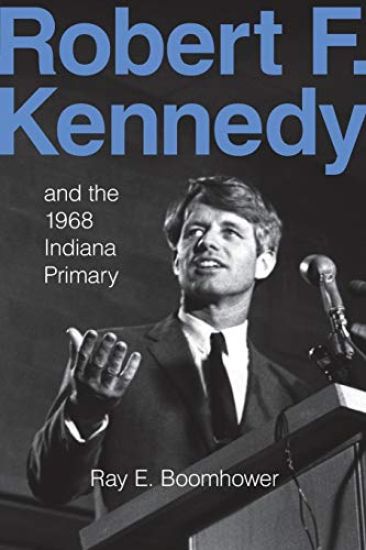
Robert F. Kennedy and the 1968 Indiana Primary
Ray E. Boomhower
Indiana University Press
2017
pokkari
On April 4, 1968, Senator Robert F. Kennedy, Jr., arrived in Indiana to campaign for the Indiana Democratic presidential primary. As Kennedy prepared to fly from an appearance in Muncie to Indianapolis, he learned that civil rights leader Dr. Martin Luther King, Jr., had been shot outside his hotel in Memphis, Tennessee. Before his plane landed in Indianapolis, Kennedy heard the news that King had died. Despite warnings from Indianapolis police that they could not guarantee his safety, and brushing off concerns from his own staff, Kennedy decided to proceed with plans to address an outdoor rally to be held in the heart of the city's African American community. On that cold and windy evening, Kennedy broke the news of King's death in an impassioned, extemporaneous speech on the need for compassion in the face of violence. It has proven to be one of the great speeches in American political history. Marking the 40th anniversary of Kennedy's Indianapolis speech, this book explains what brought the politician to Indiana that day, and explores the characters and events of the 1968 Indiana Democratic presidential primary in which Kennedy, who was an underdog, had a decisive victory.
Robert F. Kennedy and the 1968 Indiana Primary
Ray E. Boomhower
Indiana University Press
2008
sidottu
On April 4, 1968, Senator Robert F. Kennedy, Jr., arrived in Indiana to campaign for the Indiana Democratic presidential primary. As Kennedy prepared to fly from an appearance in Muncie to Indianapolis, he learned that civil rights leader Dr. Martin Luther King, Jr., had been shot outside his hotel in Memphis, Tennessee. Before his plane landed in Indianapolis, Kennedy heard the news that King had died. Despite warnings from Indianapolis police that they could not guarantee his safety, and brushing off concerns from his own staff, Kennedy decided to proceed with plans to address an outdoor rally to be held in the heart of the city's African American community. On that cold and windy evening, Kennedy broke the news of King's death in an impassioned, extemporaneous speech on the need for compassion in the face of violence. It has proven to be one of the great speeches in American political history. Marking the 40th anniversary of Kennedy's Indianapolis speech, this book explains what brought the politician to Indiana that day, and explores the characters and events of the 1968 Indiana Democratic presidential primary in which Kennedy, who was an underdog, had a decisive victory.

Robert F. Kennedy and the Shaping of Civil Rights, 1960-1964
Philip A. Goduti
McFarland Co Inc
2012
pokkari
From the 1960 John F. Kennedy presidential campaign to the signing of the Civil Rights Act of 1964, Attorney General Robert F. Kennedy and the Department of Justice worked tirelessly to change the climate of civil rights in the nation. This book explores how the Kennedy brothers and leaders such as Martin Luther King, Jr., John Lewis and James Meredith, among others, pushed for change at a critical time. Through an analysis of White House memoranda, speeches, telephone conversations and recorded discussions as well as secondary sources, this study explores Robert Kennedy's role in key events of the civil rights movement, which include the Freedom Rides in 1961, the Ole Miss crisis in 1962 and the Birmingham campaign and March on Washington in 1963. The combined efforts of the Kennedys and these leaders helped change the atmosphere in the nation to one of acceptance and opportunity for African Americans and other minorities.

This assessment of the statesmanship, principles, and policies of Robert F. Kennedy places him "in the stream of history," to assess what came before his time in political life, what happened during that time, and what happened to his legacy after his assassination. Terrence Edward Paupp evaluates the themes and issues RFK confronted, responded to, and for which he provided visionary solutions.Paupp first chronicles the influence of Franklin D. Roosevelt's legacy as a prologue to the New Frontier and Great Society. During Robert F. Kennedy's time in power both in his brother's administration and on his own in the US Senate he struggled with striking a balance between power and purpose. In the years after John F. Kennedy's assassination, RFK emphasized the need to unite power and purpose, national and international concerns, ideals and practice. Much of this has been ignored, Paupp argues, by what C. Wright Mills called "the power elite."In assessing RFK's statesmanship, Paupp examines his commitments to human and civil rights, which linked themes and ideals within the US to those struggles taking place outside the country. Robert F. Kennedy brought zeal and passion to these problems by discussing the moral necessity of honouring human dignity while articulating practical solutions, policies, and programs to structural injustice. His legacy remains a beacon of light, intelligence, and hope in today's world.

Robert F. Kennedy, Assistant President: The Dramatic Life Story of the Second Most Powerful Man in Washington
Gary Gordon; I. G. Edmonds
Literary Licensing, LLC
2011
sidottu
""Robert F. Kennedy, Assistant President: The Dramatic Life Story Of The Second Most Powerful Man In Washington"" by Gary Gordon is a biography that explores the life and career of Robert F. Kennedy. The book delves into Kennedy's role as the Assistant President during his brother John F. Kennedy's presidency, and his own political career as Attorney General and later as a U.S. Senator. The author explores Kennedy's personal life, including his relationships with his family and his wife, as well as his political and social beliefs. The book also covers Kennedy's involvement in the civil rights movement, his leadership in the Cuban Missile Crisis, and his assassination in 1968. Gordon's biography provides readers with a comprehensive understanding of Robert F. Kennedy's life and legacy, and the impact he had on American politics and society during the 1960s.This scarce antiquarian book is a facsimile reprint of the old original and may contain some imperfections such as library marks and notations. Because we believe this work is culturally important, we have made it available as part of our commitment for protecting, preserving, and promoting the world's literature in affordable, high quality, modern editions, that are true to their original work.

Robert F. Kennedy, Assistant President: The Dramatic Life Story of the Second Most Powerful Man in Washington
Gary Gordon; I. G. Edmonds
Literary Licensing, LLC
2011
nidottu
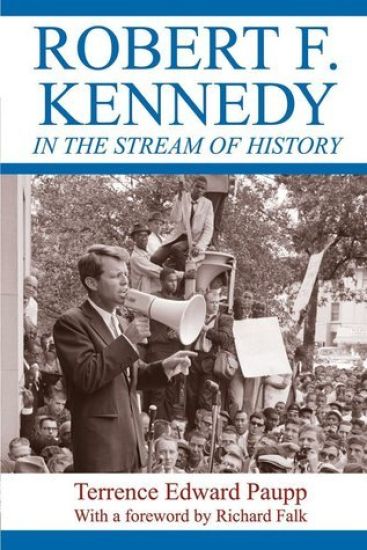
This assessment of the statesmanship, principles, and policies of Robert F. Kennedy places him "in the stream of history," to assess what came before his time in political life, what happened during that time, and what happened to his legacy after his assassination. Terrence Edward Paupp evaluates the themes and issues RFK confronted, responded to, and for which he provided visionary solutions.Paupp first chronicles the influence of Franklin D. Roosevelt's legacy as a prologue to the New Frontier and Great Society. During Robert F. Kennedy's time in power—both in his brother's administration and on his own in the US Senate—he struggled with striking a balance between power and purpose. In the years after John F. Kennedy's assassination, RFK emphasized the need to unite power and purpose, national and international concerns, ideals and practice. Much of this has been ignored, Paupp argues, by what C. Wright Mills called "the power elite."In assessing RFK's statesmanship, Paupp examines his commitments to human and civil rights, which linked themes and ideals within the US to those struggles taking place outside the country. Robert F. Kennedy brought zeal and passion to these problems by discussing the moral necessity of honouring human dignity while articulating practical solutions, policies, and programs to structural injustice. His legacy remains a beacon of light, intelligence, and hope in today's world.
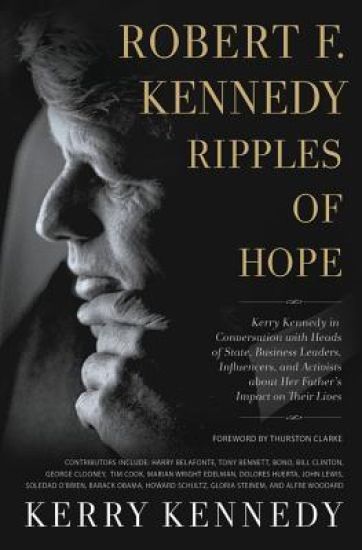
Robert F. Kennedy staunchly advocated for civil rights, education, justice, and peace; his message transcended race, class, and creed, resonating deeply within and across America. He was the leading candidate for the Democratic nomination for the presidency and was expected to run against Republican Richard Nixon in the 1968 presidential election, following in the footsteps of his late brother John. After winning the California presidential primary on June 5, 1968, Robert Kennedy was shot, and he died the following day. He was forty-two.Fifty years later, Robert Kennedy's passions and concerns and the issues he championed are -- for better and worse-still so relevant. Ripples of Hope explores Kennedy's influence on issues at the heart of America's identity today, including moral courage, economic and social justice, the role of government, international relations, youth, violence, and support for minority groups, among other salient topics.Ripples of Hope captures the legacy of former senator and U.S. attorney general Robert F. Kennedy through commentary from his daughter, as well as interviews with dozens of prominent national and international figures who have been inspired by him. They include Barack Obama, John Lewis, Marian Wright Edelman, Alfre Woodard, Harry Belafonte, Bono, George Clooney, Gloria Steinem, and more. They share personal accounts and stories of how Kennedy's words, life, and values have influenced their lives, choices, and actions. Through these interviews, Kerry Kennedy aims to enlighten people anew about her father's legacy and bring to life RFK's values and passions, using as milestones the end of his last campaign and a life that was cut off much too soon.Thurston Clarke provides a powerful foreword to the book with his previous reporting on RFK's funeral train.

Robert F Kennedy (Assassination), Part 2 of 3
Hutson Street Press
2025
sidottu

Robert F Kennedy (Assassination), Part 1 of 3
Hutson Street Press
2025
sidottu

Robert F Kennedy (Assassination), Part 3 of 3
Hutson Street Press
2025
sidottu

Robert F Kennedy (Assassination), Part 2 of 3
Hutson Street Press
2025
pokkari

Robert F Kennedy (Assassination), Part 3 of 3
Hutson Street Press
2025
pokkari
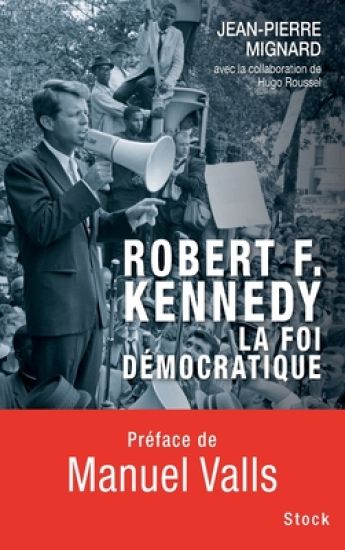
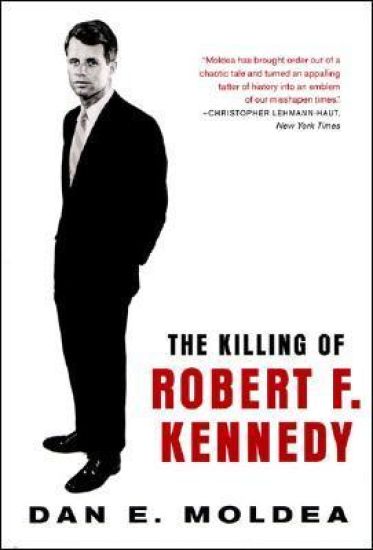
On June 5, 1968, Robert F. Kennedy was shot in the pantry of the Ambassador Hotel in Los Angeles; his death the following day stunned a nation still recovering from John F. Kennedys assassination five years earlier. Officials insisted, however, that this was not "another Dallas": this was an open-and-shut case--Sirhan Sirhan acted alone. Yet behind the official version of the RFK assassination lies a story of shadows, controversies, conflicting testimony, and missing evidence. Investigative journalist Dan E. Moldea set out to discover the truth; what he found suggested a botched investigation, and perhaps something worse. Was there strong evidence, as certain police officers and the FBI alleged, that too many bullets were fired to have come from Sirhans gun? Could the LAPD have suppressed vital evidence in their rush to judgment? Could Sirhan have had an accomplice? In a fascinating book full of plot twists and intrigue, Moldea turns the case inside out, tracking down witnesses and police officers (many of whom had never before been interviewed), scrutinizing testimony and official files, questioning Sirhan in jail, and polygraphing security guard Thane Eugene Cesar, accused by many of being the real gunman. New evidence mounts and theories fly until Moldea reveals what he believes happened that fateful night. Exhaustively researched, brilliantly analyzed, this book definitively slams the door shut on the mystery of the Robert Kennedy assassination.

From two-time National Book Award finalist Deborah Wiles comes a compelling biography of Robert Kennedy.Americans claimed Robert Kennedy as one of their own. They called him Bobby.Lyrical and evocative text by Deborah Wiles (Countdown, Revolution, Anthem, and Kent State) brings the story of Robert F. Kennedy to life, with breathtaking illustrations by Tatyana Fazlalizadeh.Bobby is set in 1968, with a grandfather telling his grandchild about Kennedy's life. Bobby was the younger brother of President John F. Kennedy. He became an accomplished public servant and activist in his own right. Though his run for presidency was tragically cut short on June 5, 1968, Bobby proved the value of empathy and grit. The story concludes as his funeral train makes its solemn journey from New York to Washington, DC.Kennedy was perceived by many to be a rare unifying force in American politics. He was beloved by Americans of all races for his integrity and devotion to the civil rights cause. His life continues to inspire efforts for social change.Deborah Wiles's Bobby will illuminate the importance of Robert Kennedy's life for children, parents, teachers, and librarians. Informative back matter is included.
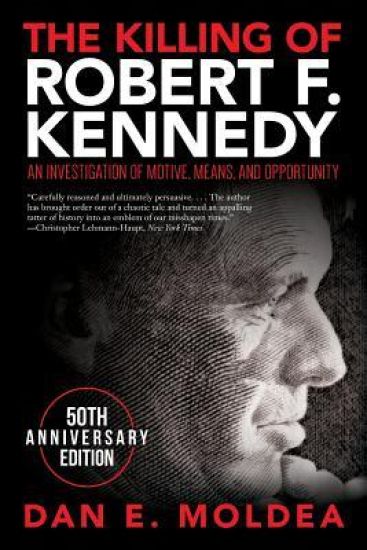
The Killing of Robert F. Kennedy: An Investigation of Motive, Means, and Opportunity
Dan E. Moldea
Moldea.com
2018
nidottu
THE UPDATED 50th ANNIVERSARY EDITIONOn June 5, 1968, Senator Robert F. Kennedy, a former U.S. Attorney General, was shot in a kitchen pantry at the Ambassador Hotel in Los Angeles during an election night victory party. His death the following day stunned a nation still recovering from the murder of his brother, President John F. Kennedy, five years earlier in Dallas, which many believed was still an unsolved case.However, law-enforcement officials insisted that the murder of Senator Kennedy was not "another Dallas." This was an open-and-shut case. Senator Kennedy's assassin, Sirhan Sirhan, who was apprehended and arrested at the scene, had acted alone. Yet behind the official version of the RFK killing lies a story of shadows, controversies, conflicting testimonies, and missing evidence. Investigative journalist Dan E. Moldea set out to discover the truth. What he found suggested at the very least a botched investigation. In this compelling and exciting book, filled with plot twists and intrigue, Moldea turns the case inside out, tracking down witnesses and police officers (most of whom had never been interviewed), scrutinizing sworn statements and official files, polygraphing a security guard whom many suspected was the real gunman, and interviewing Sirhan three times in jail. From the welter of evidence and theories, Moldea reveals what he believes happened that fateful night. Exhaustively researched, brilliantly analyzed, and wonderfully written, The Killing of Robert F. Kennedy definitely closes the door on the mystery of the murder of Robert Kennedy. (W.W. Norton)