Kirjojen hintavertailu. Mukana 12 390 323 kirjaa ja 12 kauppaa.

Kirjahaku

Etsi kirjoja tekijän nimen, kirjan nimen tai ISBN:n perusteella.

1000 tulosta hakusanalla Robert McParland

Charles Dickens's American Audience

Charles Dickens's American Audience

Robert McParland

Lexington Books
2010
sidottu
From 1837 to 1912, Charles Dickens was by far the most popular writer for American readers. Through several sources including statistics, literary biography, newspapers, memoirs, diaries, letters, and interviews, Robert McParland examines a historical time and an emerging national consciousness that defined the American identity before and after the Civil War. American voices present their views, tastes, emotional reactions and identifications, and deep attachment and love for Dickens's characters, stories, themes, and sensibilities as well as for the man himself. Bringing together contemporary reactions to Dickens and his works, this book paints a portrait of the American people and of American society and culture from 1837 to the turn of the twentieth century. It is in this view of nineteenth-century America—its people and their values, their reading habits and cultural views, the scenarios of their everyday lives even in the face of the drastic changes of the emerging nation—that Charles Dickens's American Audience makes its greatest impact.
Charles Dickens's American Audience

Charles Dickens's American Audience

Robert McParland

Lexington Books
2011
nidottu
From 1837 to 1912, Charles Dickens was by far the most popular writer for American readers. Through several sources including statistics, literary biography, newspapers, memoirs, diaries, letters, and interviews, Robert McParland examines a historical time and an emerging national consciousness that defined the American identity before and after the Civil War. American voices present their views, tastes, emotional reactions and identifications, and deep attachment and love for Dickens's characters, stories, themes, and sensibilities as well as for the man himself. Bringing together contemporary reactions to Dickens and his works, this book paints a portrait of the American people and of American society and culture from 1837 to the turn of the twentieth century. It is in this view of nineteenth-century America—its people and their values, their reading habits and cultural views, the scenarios of their everyday lives even in the face of the drastic changes of the emerging nation—that Charles Dickens's American Audience makes its greatest impact.
Mark Twain's Audience

Mark Twain's Audience

Robert McParland

Lexington Books
2014
sidottu
Mark Twain has been one of the most popular American writers since 1868. This book shifts the focus of Twain studies from the writer to the reader. This study of Twain’s readership and lecture audiences makes use of statistics, literary biography, twentieth-century newspapers, memoirs, diaries, travel journals, letters, literature, interviews, and reading circle reports. The book allows the audience of Mark Twain to speak for themselves in defining their relationship to his work. Twain collected letters from his readers but there are also many other sources of which critics should be aware. The voices of these readers present their views, their likes—and sometimes dislikes, their emotional reactions and identification, and their deep attachment and love for Twain’s characters, stories, themes, and sensibilities. Bringing together contemporary reactions to Twain and his works and those of later audiences, this book paints a portrait of the American people and of American society and culture. While the book is about Mark Twain, or Samuel Clemens, it presents a larger cultural study of twentieth-century America and the early years of the twentieth century. The book includes Twain’s international audience but makes its majorly scholarly contribution in the analysis of Twain’s audience in America. It analyzes the people and their values, their reading habits and cultural views, their everyday experiences in the face of the drastic changes of the emerging nation coping with cataclysmic events, such as the Industrial Revolution and the consequences of the Civil War. This book serves as a model for using the audience of a prominent writer to analyze American history, American culture, and the American psyche. This book examines a historical time and an emerging national consciousness that defined the American identity after the Civil War.
Beyond Gatsby

Beyond Gatsby

Robert McParland

Rowman Littlefield Publishers
2017
nidottu
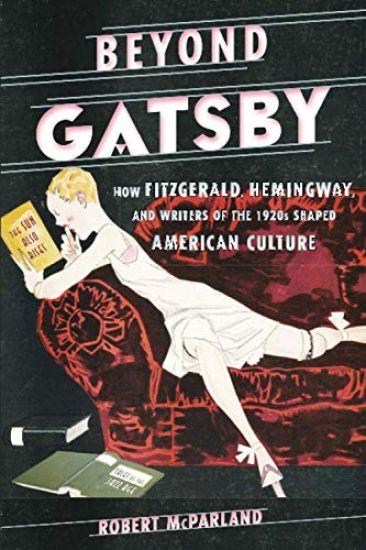
Many of the heralded writers of the 20th century—including Ernest Hemingway, John Dos Passos, F. Scott Fitzgerald, and William Faulkner—first made their mark in the 1920s, while established authors like Willa Cather and Sinclair Lewis produced some of their most important works during this period. Classic novels such as The Sun Also Rises, The Great Gatsby, Elmer Gantry, and The Sound and the Fury not only mark prodigious advances in American fiction, they show us the wonder, the struggle, and the promise of the American dream. In Beyond Gatsby: How Fitzgerald, Hemingway, and Writers of the 1920s Shaped American Culture, Robert McParland looks at the key contributions of this fertile period in literature. Rather than provide a compendium of details about major American writers, this book explores the culture that created F. Scott Fitzgerald and his literary contemporaries. The source material ranges from the minutes of reading circles and critical commentary in periodicals to the archives of writers’ works—as well as the diaries, journals, and letters of common readers. This work reveals how the nation’s fiction stimulated conversations of shared images and stories among a growing reading public. Signifying a cultural shift in the aftermath of World War I, the collective works by these authors represent what many consider to be a golden age of American literature. By examining how these authors influenced the reading habits of a generation, Beyond Gatsby enables readers to gain a deeper comprehension of how literature shapes culture.
Beyond Gatsby

Beyond Gatsby

Robert McParland

Rowman Littlefield
2015
sidottu
Many of the heralded writers of the 20th century—including Ernest Hemingway, John Dos Passos, F. Scott Fitzgerald, and William Faulkner—first made their mark in the 1920s, while established authors like Willa Cather and Sinclair Lewis produced some of their most important works during this period. Classic novels such as The Sun Also Rises, The Great Gatsby, Elmer Gantry, and The Sound and the Fury not only mark prodigious advances in American fiction, they show us the wonder, the struggle, and the promise of the American dream. In Beyond Gatsby: How Fitzgerald, Hemingway, and Writers of the 1920s Shaped American Culture, Robert McParland looks at the key contributions of this fertile period in literature. Rather than provide a compendium of details about major American writers, this book explores the culture that created F. Scott Fitzgerald and his literary contemporaries. The source material ranges from the minutes of reading circles and critical commentary in periodicals to the archives of writers’ works—as well as the diaries, journals, and letters of common readers. This work reveals how the nation’s fiction stimulated conversations of shared images and stories among a growing reading public. Signifying a cultural shift in the aftermath of World War I, the collective works by these authors represent what many consider to be a golden age of American literature. By examining how these authors influenced the reading habits of a generation, Beyond Gatsby enables readers to gain a deeper comprehension of how literature shapes culture.
Citizen Steinbeck

Citizen Steinbeck

Robert McParland

Rowman Littlefield
2016
sidottu
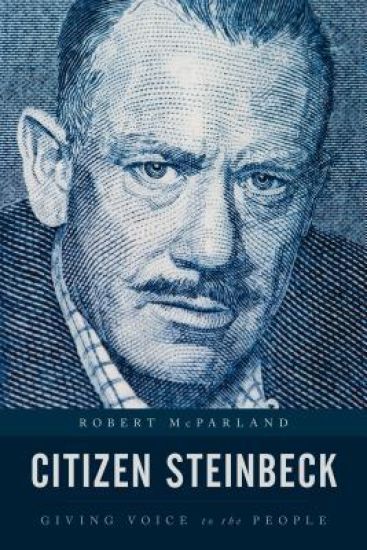
John Steinbeck is one of the most popular and important writers in American literature. Novels such as The Grapes of Wrath, Of Mice and Men, and East of Eden and the journal Travels with Charley convey the core of Steinbeck’s work—fiction that is reflective and compassionate. The Nobel prize winner cared deeply about people, and his writing captured the spirit, determination, and willingness of individuals to fight for their rights and the rights of others. His art of caring is critical for today’s readers and as a touchstone for our collective future. In Citizen Steinbeck: Giving Voice to the People, Robert McParland explains how the author’s work helps readers engage in moral reflection and develop empathy. McParland also looks at the ways educators around the world have used Steinbeck’s writings—both fiction and nonfiction—to impart ideals of compassion and social justice. These ideals are weaved into all of Steinbeck’s work, including his journalism and theatrical productions. Drawing on these texts—as well as interviews with secondary-level teachers—this book shows how Steinbeck’s work prompts readers to think critically and contextually about our values. Demonstrating the power a single author can have on generations of individuals around the world, Citizen Steinbeck enables readers to make sense of both the past and the present through the prism of this literary icon’s inspirational work.
Science Fiction in Classic Rock

Science Fiction in Classic Rock

Robert McParland

McFarland Co Inc
2017
pokkari
As technology advances, society retains its mythical roots--a tendency evident in rock music and its enduring relationship with myth and science fiction. This study explores the mythical and fantastic themes of artists from the late 1960s to the mid-1980s, including David Bowie, Pink Floyd, Jefferson Airplane, Blue Oyster Cult, Iron Maiden, Led Zeppelin and Black Sabbath. Drawing on insights from Joseph Campbell, J.G. Frazer, Carl Jung and Mircea Eliade, the author examines how performers have incorporated mythic archetypes and science fiction imagery into songs that illustrate societal concerns and futuristic fantasies.
Myth and Magic in Heavy Metal Music

Myth and Magic in Heavy Metal Music

Robert McParland

McFarland Co Inc
2018
pokkari
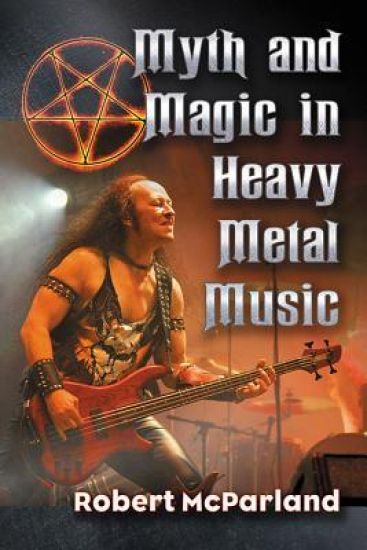
Myth pervades heavy metal. With visual elements drawn from medieval and horror cinema, the genre's themes of chaos, dissidence and alienation transmit an image of Promethean rebellion against the conventional. In dialogue with the modern world, heavy metal draws imaginatively on myth and folklore to construct an aesthetic and worldview embraced by a vast global audience. The author explores the music of Black Sabbath, Iron Maiden, Judas Priest, Metallica and many others from a mythological and literary perspective.
Crosby, Stills, Nash and Young's 50-Year Quest

Crosby, Stills, Nash and Young's 50-Year Quest

Robert McParland

McFarland Co Inc
2019
pokkari
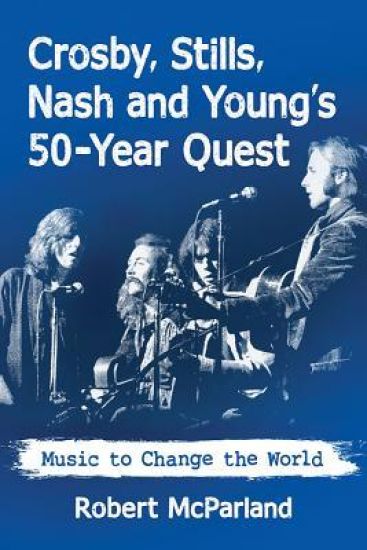
Crosby, Stills, Nash, and Young, with their distinct vocal harmonies, blending of rock, jazz, folk, and blues, and political and social activism, have remained one of the most enduring musical acts of the 1960s. This book examines their songs and themes, which continue to resonate with contemporary listeners, and argues that Crosby, Stills, Nash, and Young reflect part of the broader story of American culture. This appreciative volume contextualizes their work within the political climate of the late 1960s, and makes the case that the values and concerns expressed in their music thread through the American experience today.
Singer-Songwriters of the 1970s

Singer-Songwriters of the 1970s

Robert McParland

MCFARLAND CO INC
2022
pokkari
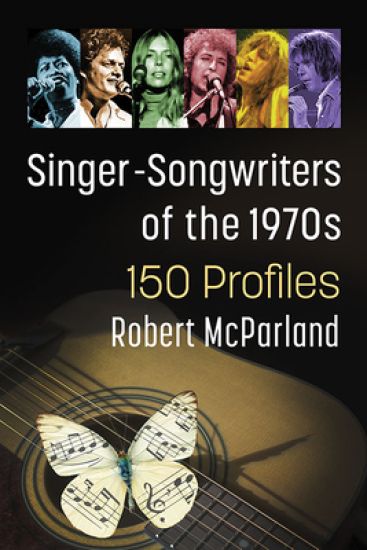
The 1970s saw a wave of singer-songwriters flood the airwaves and concert halls across the United States. This book organizes the stories of approximately 150 artists whose songs created the soundtrack to people's lives during the decade that forever shaped musical composition. Some well-known, others less known, these artists were the song-poets and storytellers who wrote their own music and lyrics. Featuring biographical information and discography overviews for each artist, this is the only one-volume encyclopedic overview of this topic. Featured artists include Carole King and James Taylor, Joni Mitchell and Jackson Browne, Bob Dylan and Paul Simon, Bruce Springsteen, Gordon Lightfoot, Elvis Costello and dozens of other song-poets of the seventies.
Mark Twain's Audience

Mark Twain's Audience

Robert McParland

Lexington Books
2016
nidottu
Mark Twain has been one of the most popular American writers since 1868. This book shifts the focus of Twain studies from the writer to the reader. This study of Twain’s readership and lecture audiences makes use of statistics, literary biography, twentieth-century newspapers, memoirs, diaries, travel journals, letters, literature, interviews, and reading circle reports. The book allows the audience of Mark Twain to speak for themselves in defining their relationship to his work. Twain collected letters from his readers but there are also many other sources of which critics should be aware. The voices of these readers present their views, their likes—and sometimes dislikes, their emotional reactions and identification, and their deep attachment and love for Twain’s characters, stories, themes, and sensibilities. Bringing together contemporary reactions to Twain and his works and those of later audiences, this book paints a portrait of the American people and of American society and culture. While the book is about Mark Twain, or Samuel Clemens, it presents a larger cultural study of twentieth-century America and the early years of the twentieth century. The book includes Twain’s international audience but makes its majorly scholarly contribution in the analysis of Twain’s audience in America. It analyzes the people and their values, their reading habits and cultural views, their everyday experiences in the face of the drastic changes of the emerging nation coping with cataclysmic events, such as the Industrial Revolution and the consequences of the Civil War. This book serves as a model for using the audience of a prominent writer to analyze American history, American culture, and the American psyche. This book examines a historical time and an emerging national consciousness that defined the American identity after the Civil War.
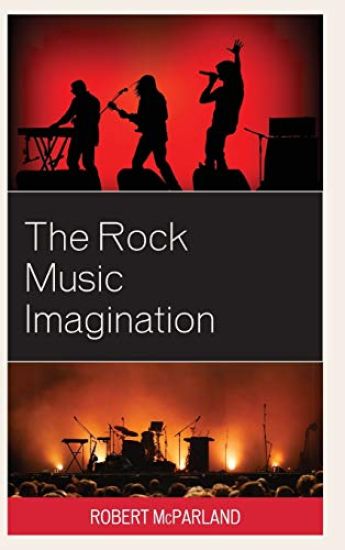
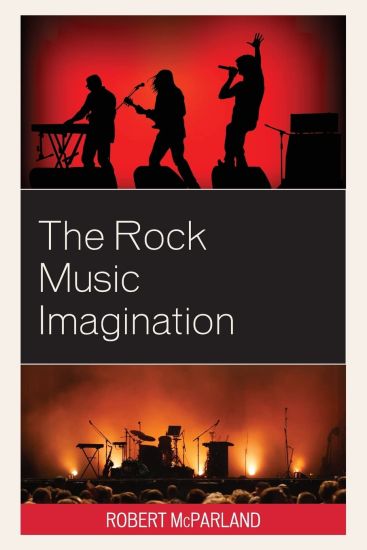
The Rock Music Imagination

The Rock Music Imagination

Robert McParland

Lexington Books
2019
sidottu
The Rock Music Imagination is an exploration of rock artists in their social and artistic contexts, particularly between 1964 and 1980, and of rock music in relation to literature, i.e. creative expression, fantastic imagination, and contemporary fiction about rock. Robert McParland analyzes how rock music touches our imaginative lives by looking at themes that often appear in classic rock music: freedom and liberation, utopia/dystopia, community, rebellion, the outsider, the quest for transcendence, monstrosity, erotic/spiritual love, imaginative vision, and mystery. The Rock Music Imagination examines how the sixties were a pivotal point in rock music history, recognizing the imagination and creativity of blues and jazz artists, folk-rock and hard-rock musicians, female rock musicians, and progressive rock creators. McParland explores blues imagination, countercultural dreams of utopia, rock’s critiques of society and images of dystopia, rock’s inheritance from romanticism, science fiction and mythic imagination in progressive rock, and rock’s global reach and potential to provide hope and humanitarian assistance.
The Rock Music Imagination

The Rock Music Imagination

Robert McParland

BLOOMSBURY PUBLISHING PLC
2022
nidottu
The Rock Music Imagination is an exploration of rock artists in their social and artistic contexts, particularly between 1964 and 1980, and of rock music in relation to literature, that is, creative expression, fantastic imagination, and contemporary fiction about rock. Robert McParland analyzes how rock music touches our imaginative lives by looking at themes that appear in classic rock music: freedom and liberation, utopia and dystopia, community, rebellion, the outsider, the quest for transcendence, monstrosity, erotic and spiritual love, imaginative vision, and mystery. The Rock Music Imagination explores blues imagination, countercultural dreams of utopia, rock’s critiques of society and images of dystopia, rock’s inheritance from romanticism, science fiction and mythic imagination in progressive rock, and rock’s global reach and potential to provide hope and humanitarian assistance.
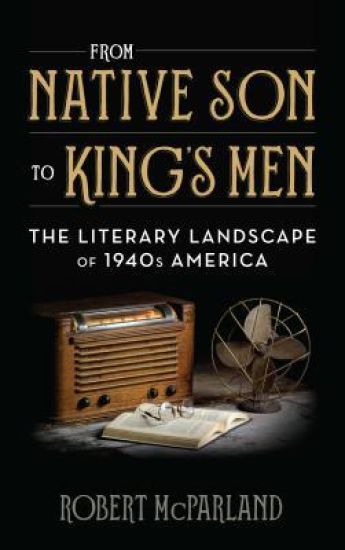
From Native Son to King's Men

From Native Son to King's Men

Robert McParland

Rowman Littlefield
2017
sidottu
On the heels of the Great Depression and staring into the abyss of a global war, American writers took fiction and literature in a new direction that addressed the chaos that the nation—and the world—was facing. These authors spoke to the human condition in traumatic times, and their works reflected the dreams, aspirations, values, and hopes of people living in the World War II era. In From Native Son to King’s Men: The Literary Landscape of 1940s America, Robert McParland examines notable works published throughout the decade. Among the authors covered are James Baldwin, Pearl S. Buck, James Gould Cozzens, William Faulkner, Ernest Hemingway, John Hersey, Norman Mailer, Ann Petry, Irwin Shaw, John Steinbeck, Robert Penn Warren, Eudora Welty, and Richard Wright. McParland explores how popular novels, literary fiction, and even short stories by these authors represented this pivotal period in American culture. By examining the creative output of these authors, this book reveals how the literature of the 1940s not only offered a pathway for that era’s readers but also provides a way of understanding the past and our own times. From Native Son to King’s Men will appeal to anyone interested in the cultural climate of the 1940s and how this period was depicted in American literature.
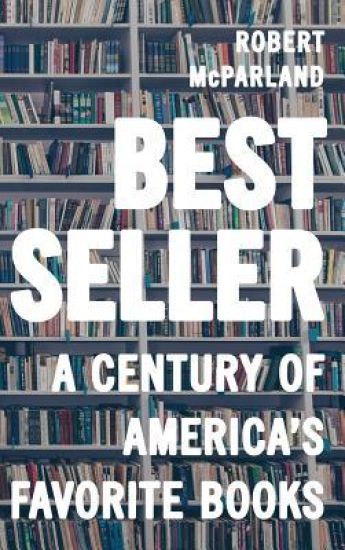
Bestseller

Bestseller

Robert McParland

Rowman Littlefield
2018
sidottu
Whether curled up on a sofa with a good mystery, lounging by the pool with a steamy romance, or brooding over a classic novel, Americans love to read. Despite the distractions of modern living, nothing quite satisfies many individuals more than a really good book. And regardless of how one accesses that book—through a tablet, a smart phone, or a good, old-fashioned hardcover—those choices have been tallied for decades. In Bestseller: A Century of America’s Favorite Books, Robert McParland looks at the reading tastes of a nation—from the beginning of the twentieth century to the present day. Through extensive research, McParland provides context for the literature that appealed to the masses, from low-brow potboilers like Forever Amber to Pulitzer-Prize winners such as To Kill a Mockingbird. Decade by decade, McParland discusses the books that resonated with the American public and shows how current events and popular culture shaped the reading habits of millions. Profiles of authors with frequent appearances—from Ernest Hemingway to Danielle Steel—are included, along with standout titles that readers return to year after year. A snapshot of America and its love of reading through the decades, this volume informs and entertains while also providing a handy reference of the country’s most popular books. For those wanting to learn more about the history of American culture through its reading habits, Bestseller: A Century of America’s Favorite Books is a must-read.
The People We Meet in Stories

The People We Meet in Stories

Robert McParland

Rowman Littlefield
2020
sidottu
Literary characters attract, challenge, and entertain us. Stories bring us into fictional worlds where we encounter their lives, their struggles, and their dreams. Why do we care about fictional characters? That question is explored here through the protagonists who appear in significant American novels of the 1950s. The reading audience and the commercial market for books expanded following the Second World War with the paperback revolution. Fictional characters like Holden Caulfield and Lolita became familiar, iconic figures. Ralph Ellison’s Invisible Man and Saul Bellow’s Augie March sought freedom and authenticity. Literature gave readers characters that asserted the courage and strength of the individual confronting the system. By profiling fictional characters, this volume provides readers with an introduction to the major literary novels of the 1950s. The historical-cultural context of the 1950s in America is explored in connection with the analysis of literary characters that appeared in this decade.
American Melodies

American Melodies

Robert McParland

BLOOMSBURY PUBLISHING PLC
2026
sidottu
American Melodies is a study of America’s varied music genres that is grounded in interviews with folk, rock, and jazz musicians, music listeners, songwriters, and organizers of music programs in communities. The author explores the dreams and concerns that are being voiced in songs. Through interviews and conversations, he examines how the spirit of jazz, folk music and Americana, country, and rock music bring to life reflection on relationships between people, connection with their communities, and expression of social and ecological concern.
Cultural Memory, Consciousness, and the Modernist Novel
Cultural Memory, Consciousness, and the Modernist Novel is a study of the novel and consciousness in James Joyce, William Butler Yeats, D. H. Lawrence, and Virginia Woolf. This volume focuses on novels of the 1920s and engages in a study of Joyce’s epiphany and language play, Yeats’s esoteric philosophy, Lawrence’s vitalism, and Woolf’s stream of consciousness techniques. In this book readers enter the minds of Joyce’s characters Stephen Dedalus and Leopold Bloom in the modern city, the esoteric quests of William Butler Yeats, the vitalism and explorations of D. H. Lawrence, the interiority of Virginia Woolf, and the artistic perspectives of the Bloomsbury Group.Within the field of intellectual history, Robert McParland’s groundbreaking study places Joyce, Yeats, Lawrence, and Woolf within the cultural and historical context of the first half of the twentieth century. McParland takes a philosophical humanist approach to the innovative techniques and quests of literary modernism and draws from the phenomenology of Edmund Husserl and Maurice Merleau-Ponty, as well as the inquiries of Arthur Schopenhauer and Henri Bergson. This work also follows from the work of intellectual historian H. Stuart Hughes, the studies of James Joyce by Richard Ellmann and Helene Cixous, and David Lodge’s Consciousness in Fiction.