Kirjojen hintavertailu. Mukana 11 244 527 kirjaa ja 12 kauppaa.

Kirjahaku

Etsi kirjoja tekijän nimen, kirjan nimen tai ISBN:n perusteella.

1000 tulosta hakusanalla Ronald M. Atlas

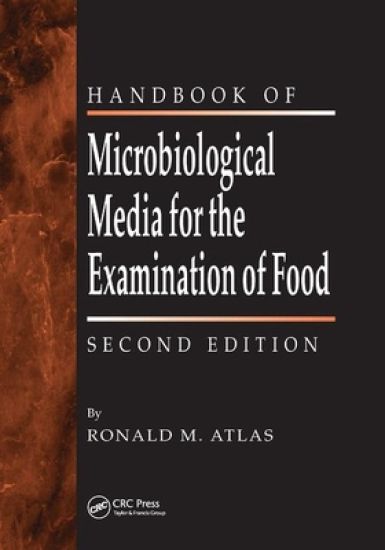
The Handbook of Microbiological Media for the Examination of Food
Responding to an estimated 14 million cases of food-borne disease that occur every year in the United States alone, the Food and Drug Administration and US Department of Agriculture have begun implementing new regulations and guidance for the microbial testing of foods. Similarly, Europe and other regions are implementing stricter oversight, as foodborne pathogens that cause deadly diseases such as e. coli 0157:H7 have raised the stakes everywhere. Food safety scientists have acted on this growing public health risk by developing improved media for the cultivation of bacteria, fungi, and viruses, much of it geared toward specific rapid detection.Reflecting the development of these new media and the latest FDA recommendations, the second edition of the Handbook of Microbiological Media for the Examination of Foodprovides an essential resource for anyone involved with the monitoring of both food production and post-production quality control. Organized alphabetically by medium, the expanded edition of this highly respected handbookincludes – · Descriptions of nearly 1,400 media including those recommended by the FDA, as well as media used elsewhere in the world · Concise and lucid instructions for the preparation and uses of each of the media · Cross-referenced indexing that allows the media to be found by name or specific microorganism of interest · Descriptions of expected results as they apply to microorganisms of importance for the examination of foods · Common synonyms for the various media and listings of compositions, so that alternate media an be effectively employed when needed Compiled by Ronald M. Atlas, a world-renowned researcher and author known for his pioneering work in pathogen detection, the Handbook of Microbiological Media for the Examination of Food, Second Edition, provides microbiologists with an essential tool for safeguarding public health.
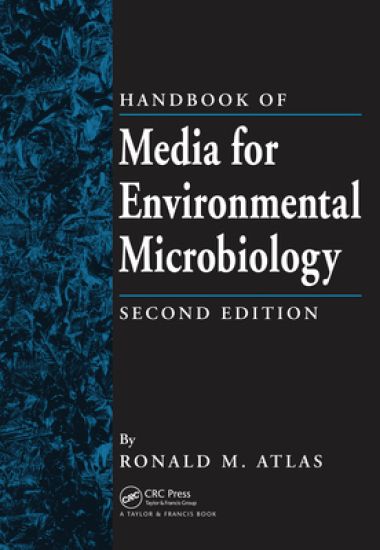
Handbook of Media for Environmental Microbiology
The second edition of a bestseller, this book provides a comprehensive reference for the cultivation of bacteria, Archaea, and fungi from diverse environments, including extreme habitats. Expanded to include 2,000 media formulations, this book compiles the descriptions of media of relevance for the cultivation of microorganisms from soil, water, and air. The format allows easy reference to the information needed to prepare media for the cultivation of microorganisms required for environmental analysis, including the determination of water safety. The media are organized alphabetically, and each listing includes medium composition, instructions for preparation, commercial sources, and uses.
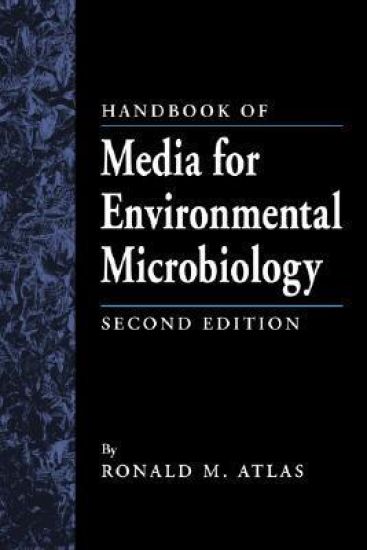
Handbook of Media for Environmental Microbiology
The second edition of a bestseller, this book provides a comprehensive reference for the cultivation of bacteria, Archaea, and fungi from diverse environments, including extreme habitats. Expanded to include 2,000 media formulations, this book compiles the descriptions of media of relevance for the cultivation of microorganisms from soil, water, and air. The format allows easy reference to the information needed to prepare media for the cultivation of microorganisms required for environmental analysis, including the determination of water safety. The media are organized alphabetically, and each listing includes medium composition, instructions for preparation, commercial sources, and uses.
The Handbook of Microbiological Media for the Examination of Food
Responding to an estimated 14 million cases of food-borne disease that occur every year in the United States alone, the Food and Drug Administration and US Department of Agriculture have begun implementing new regulations and guidance for the microbial testing of foods. Similarly, Europe and other regions are implementing stricter oversight, as foodborne pathogens that cause deadly diseases such as e. coli 0157:H7 have raised the stakes everywhere. Food safety scientists have acted on this growing public health risk by developing improved media for the cultivation of bacteria, fungi, and viruses, much of it geared toward specific rapid detection.Reflecting the development of these new media and the latest FDA recommendations, the second edition of the Handbook of Microbiological Media for the Examination of Foodprovides an essential resource for anyone involved with the monitoring of both food production and post-production quality control. Organized alphabetically by medium, the expanded edition of this highly respected handbookincludes – · Descriptions of nearly 1,400 media including those recommended by the FDA, as well as media used elsewhere in the world · Concise and lucid instructions for the preparation and uses of each of the media · Cross-referenced indexing that allows the media to be found by name or specific microorganism of interest · Descriptions of expected results as they apply to microorganisms of importance for the examination of foods · Common synonyms for the various media and listings of compositions, so that alternate media an be effectively employed when needed Compiled by Ronald M. Atlas, a world-renowned researcher and author known for his pioneering work in pathogen detection, the Handbook of Microbiological Media for the Examination of Food, Second Edition, provides microbiologists with an essential tool for safeguarding public health.
Handbook of Media for Clinical and Public Health Microbiology

Handbook of Media for Clinical and Public Health Microbiology

Ronald M. Atlas; James W. Snyder

CRC Press
2019
nidottu
The detection and/or isolation and identification of pathogenic microorganisms is critical for the laboratory diagnosis of infectious diseases. With growth-dependant methods providing reliable means for identifying pathogens, traditional culturing continues to play an integral role in the detection and characterization of known and "new" microbial pathogens. Microbiologists, therefore, rely on a variety of media for the detection, isolation, characterization, and identification of primary and opportunistic microbial pathogens.The Handbook of Media for Clinical and Public Health Microbiology provides a compilation of the formulations, methods of preparation, and applications for media used in clinical and public health microbiology laboratories. It is a significant update to the Handbook of Media for Clinical Microbiology, expanding the coverage to media used for public health epidemiological investigations of disease outbreaks and including media used for the detection of pathogens in foods and environmental samples. Comprising both classic and modern media, the handbook describes almost 1,800 types of media, listed alphabetically, including new media for the cultivation of emerging bacteria, fungi, and viruses that are causing major medical problems around the world. Examples of emerging pathogens are extended-spectrum beta-lactamase (ESBL)-producing bacteria, Escherichia coli O157:H7, methicillin-resistant Staphylococcus aureus (MRSA), vancomycin-resistant enterococci (VRE), and carbapenem-resistant Enterobacteriaceae (CRE). Many of the new media contain chromogenic or fluorogenic substrates that permit rapid detection of specific pathogens.The handbook’s format allows easy reference to information needed to prepare media for cultivating clinically relevant microorganisms. It also contains descriptions of expected results for organisms that are important for the examination of foods, water, and other
Handbook of Media for Clinical and Public Health Microbiology

Handbook of Media for Clinical and Public Health Microbiology

Ronald M. Atlas; James W. Snyder

CRC Press Inc
2013
sidottu
The detection and/or isolation and identification of pathogenic microorganisms is critical for the laboratory diagnosis of infectious diseases. With growth-dependant methods providing reliable means for identifying pathogens, traditional culturing continues to play an integral role in the detection and characterization of known and "new" microbial pathogens. Microbiologists, therefore, rely on a variety of media for the detection, isolation, characterization, and identification of primary and opportunistic microbial pathogens.The Handbook of Media for Clinical and Public Health Microbiology provides a compilation of the formulations, methods of preparation, and applications for media used in clinical and public health microbiology laboratories. It is a significant update to the Handbook of Media for Clinical Microbiology, expanding the coverage to media used for public health epidemiological investigations of disease outbreaks and including media used for the detection of pathogens in foods and environmental samples. Comprising both classic and modern media, the handbook describes almost 1,800 types of media, listed alphabetically, including new media for the cultivation of emerging bacteria, fungi, and viruses that are causing major medical problems around the world. Examples of emerging pathogens are extended-spectrum beta-lactamase (ESBL)-producing bacteria, Escherichia coli O157:H7, methicillin-resistant Staphylococcus aureus (MRSA), vancomycin-resistant enterococci (VRE), and carbapenem-resistant Enterobacteriaceae (CRE). Many of the new media contain chromogenic or fluorogenic substrates that permit rapid detection of specific pathogens.The handbook’s format allows easy reference to information needed to prepare media for cultivating clinically relevant microorganisms. It also contains descriptions of expected results for organisms that are important for the examination of foods, water, and other
Bioremediation

Bioremediation

Ronald M Atlas; Jim C Philp

American Society for Microbiology
2005
sidottu
A fascinating examination of research and its real-world application. • Provides global perspective in coverage of a broad range of bioremediation technologies including bioinjection, bioaugmentation, and phytoremediation • Examines practical examples of bioremediation application, including relevant case studies • Discusses the interactions of legal, scientific, and engineering principles behind use of bioremediation for cleanup of contaminated land and aquifers This title is published by the American Society for Microbiology Press and distributed by Taylor and Francis in rest of world territories.
Handbook of Media for Clinical Microbiology

Handbook of Media for Clinical Microbiology

James W. Snyder; Ronald M. Atlas

CRC Press
2019
nidottu
While evolving molecular diagnostic methods are being heralded for the role they will play in improving our ability to cultivate and identify bacteria, fungi, and viruses, the reality is that those new methods are still beyond the technical and financial reach of most clinical laboratories. Most clinical microbiology laboratories still rely upon culture methods for the identification of microorganisms of medical importance. The newest edition of the Handbook of Media for Clinical Microbiology addresses the needs of clinical microbiology laboratories and infectious disease researchers. Authored by Ronald Atlas and James Snyder, who over the years have built solid reputations among researchers for their exceptionally reliable media handbooks, this volume gives microbiologists in clinical and medical laboratories the reference they need to quickly and effectively deal with the modern challenges shaping the field. Organized for a fast-paced environment, this fully updated Second Edition provides clinical diagnostic laboratories with an easy-to-use reference for those routine and specialized media employed in the cultivation of pathogenic bacteria, fungi, and viruses. Almost 1,650 media are described in this edition, among them many newly developed media designed for the rapid detection and identification of disease-causing microorganisms, including those responsible for emerging and re-emerging infectious diseases. Describes media designed to cultivate and identify Escherichia coli O157:H7, methicillin-resistant Staphylococcus aureus, and vancomycin-resistant enterococci Includes chromogenic or fluorogenic substrates that permit the rapid detection of specific pathogens critical to the diagnosis of individuals with specific infectious diseases The Handbook provides a compilation of the formulations, methods of preparation, and applications for media used in the clinical microbiology laboratory. Listings are alphabetical, and each inc
Handbook of Media for Clinical Microbiology

Handbook of Media for Clinical Microbiology

James W. Snyder; Ronald M. Atlas

CRC Press Inc
2006
sidottu
While evolving molecular diagnostic methods are being heralded for the role they will play in improving our ability to cultivate and identify bacteria, fungi, and viruses, the reality is that those new methods are still beyond the technical and financial reach of most clinical laboratories. Most clinical microbiology laboratories still rely upon culture methods for the identification of microorganisms of medical importance. The newest edition of the Handbook of Media for Clinical Microbiology addresses the needs of clinical microbiology laboratories and infectious disease researchers. Authored by Ronald Atlas and James Snyder, who over the years have built solid reputations among researchers for their exceptionally reliable media handbooks, this volume gives microbiologists in clinical and medical laboratories the reference they need to quickly and effectively deal with the modern challenges shaping the field. Organized for a fast-paced environment, this fully updated Second Edition provides clinical diagnostic laboratories with an easy-to-use reference for those routine and specialized media employed in the cultivation of pathogenic bacteria, fungi, and viruses. Almost 1,650 media are described in this edition, among them many newly developed media designed for the rapid detection and identification of disease-causing microorganisms, including those responsible for emerging and re-emerging infectious diseases. Describes media designed to cultivate and identify Escherichia coli O157:H7, methicillin-resistant Staphylococcus aureus, and vancomycin-resistant enterococci Includes chromogenic or fluorogenic substrates that permit the rapid detection of specific pathogens critical to the diagnosis of individuals with specific infectious diseases The Handbook provides a compilation of the formulations, methods of preparation, and applications for media used in the clinical microbiology laboratory. Listings are alphabetical, and each inc
Towards Sustainable Road Transport

Towards Sustainable Road Transport

Ronald M. Dell; Patrick T. Moseley; David A. J. Rand

Academic Press Inc
2014
nidottu
Increasing pressure on global reserves of petroleum at a time of growing demand for personal transport in developing countries, together with concerns over atmospheric pollution and carbon dioxide emissions, are leading to a requirement for more sustainable forms of road transport. Major improvements in the efficiency of all types of road vehicles are called for, along with the use of fuels derived from alternative sources, or entirely new fuels. Towards Sustainable Road Transport first describes the evolution of vehicle designs and propulsion technologies over the past two centuries, before looking forward to possible new forms of energy to substitute for petroleum. The book also discusses the political and socio-economic drivers for change, investigates barriers to their broad implementation, and outlines the state-of-the-art of candidate power sources, advanced vehicle design, and associated infrastructure. The comprehensive technical informationsupplied by an expert author team ensures that Towards Sustainable Road Transport will provide readers with a clear understanding of the ongoing progress in this field and the challenges still to be faced.
Perfecting Your Pitch

Perfecting Your Pitch

Ronald M. Shapiro

Plume
2014
nidottu
Whether you re asking for a raise, selling but holding your price, ending a relationship, or talking to children about divorce, success is predicated on planned, effective communication. Yet, most people fail to properly prepare their message. A veteran corporate attorney, sports agent, and expert consultant, Ronald M. Shapiro has spent years developing and honing his negotiation techniques. Now, Shapiro shares the bulletproof system of scripting he calls the Three D s: Draft, Devil s Advocate, Deliver. Illustrating his methods with fascinating real-life stories and helpful scripts, he walks readers through the process of creating an effective message, preparing for counterarguments, and delivering the results with confidence and grace. Applicable across a broad range of situations, Perfecting Your Pitch empowers us to get the results we want."
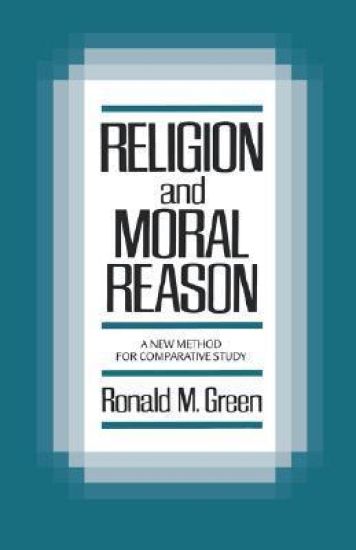
Religion and Moral Reason

Religion and Moral Reason

Ronald M. Green

Oxford University Press Inc
1988
nidottu
Using the theoretical approach he introduced in his acclaimed Religious Reason (Oxford, 1978), and drawing on contemporary rationalist ethical theory as well as a variety of religious traditions and issues, Ronald M. Green here provides a simple, effective model for understanding the complexity of religious life. He shows clearly and convincingly that the basic processes of religious reasoning are the same everywhere and that they give rise, in perfectly understandable ways, to the rich diversity of religious expression worldwide. This is a major resource for courses in the philosophy of religion.
Made for Each Other

Made for Each Other

Ronald M. Lanner

Oxford University Press Inc
1996
sidottu
A beautifully written account of the symbiotic relationship between pine trees and jays; a cycle of dependency has progressed for several million years as birds have effectively planted the trees that sustain them by dispersing the seeds. This book covers a wide range of regions, focusing on the Rocky Mountains and the American Southwest, but also ranging from the Alps to Finland, and from Siberia to China. The book is written from the perspectives of evolution, ecology, and animal behaviour.
Made for Each Other

Made for Each Other

Ronald M. Lanner

Oxford University Press Inc
1996
nidottu
A beautifully written account of the symbiotic relationship between pine trees and jays; a cycle of dependency has progressed for several million years as birds have effectively planted the trees that sustain them by dispersing the seeds. This book covers a wide range of regions, focusing on the Rocky Mountains and the American Southwest, but also ranging from the Alps to Finland, and from Siberia to China. The book is written from the perspectives of evolution, ecology, and animal behaviour.
Computers and Society

Computers and Society

Ronald M. Baecker

Oxford University Press
2019
sidottu
The last century has seen enormous leaps in the development of digital technologies, and most aspects of modern life have changed significantly with their widespread availability and use. Technology at various scales - supercomputers, corporate networks, desktop and laptop computers, the internet, tablets, mobile phones, and processors that are hidden in everyday devices and are so small you can barely see them with the naked eye - all pervade our world in a major way. Computers and Society: Modern Perspectives is a wide-ranging and comprehensive textbook that critically assesses the global technical achievements in digital technologies and how are they are applied in media; education and learning; medicine and health; free speech, democracy, and government; and war and peace. Ronald M. Baecker reviews critical ethical issues raised by computers, such as digital inclusion, security, safety, privacy,automation, and work, and discusses social, political, and ethical controversies and choices now faced by society. Particular attention is paid to new and exciting developments in artificial intelligence and machine learning, and the issues that have arisen from our complex relationship with AI.
Computers and Society

Computers and Society

Ronald M. Baecker

Oxford University Press
2019
nidottu
The last century has seen enormous leaps in the development of digital technologies, and most aspects of modern life have changed significantly with their widespread availability and use. Technology at various scales - supercomputers, corporate networks, desktop and laptop computers, the internet, tablets, mobile phones, and processors that are hidden in everyday devices and are so small you can barely see them with the naked eye - all pervade our world in a major way. Computers and Society: Modern Perspectives is a wide-ranging and comprehensive textbook that critically assesses the global technical achievements in digital technologies and how are they are applied in media; education and learning; medicine and health; free speech, democracy, and government; and war and peace. Ronald M. Baecker reviews critical ethical issues raised by computers, such as digital inclusion, security, safety, privacy,automation, and work, and discusses social, political, and ethical controversies and choices now faced by society. Particular attention is paid to new and exciting developments in artificial intelligence and machine learning, and the issues that have arisen from our complex relationship with AI.
New Musical Figurations

New Musical Figurations

Ronald M. Radano

University of Chicago Press
1994
sidottu
By relating biography to the cultural and musical contours of contemporary American life, Ronald M. Radano observes jazz practice as part of the complex interweaving of postmodern culture - a culture that has eroded conventional categories defining jazz and the jazz musician. Radano accomplishes all this by analyzing the creative life of Anthony Braxton. Born in 1945, Braxton is not only a virtuoso jazz saxophonist but an innovative theoretician and composer of experimental art music. His refusal to conform to the conventions of official musical culture has helped unhinge the very ideologies on which definitions of "jazz", "black music," "popular music," and "art music" are founded. "New Musical Figurations" gives a view of this many sided artist. Radano examines Braxton's early years on the South Side of Chicago, whose vibrant black musical legacy inspired him to explore new avenues of expression. Here is a detailed history of Braxton's central role in the Association for the Advancement of Creative Musicians, the principal musician-run institution of free jazz in the United States. After leaving Chicago, Braxton was active in Paris and New York, collaborating with Philip Glass, Steve Reich, Frederic Rzewski, and other composers affiliated with the experimental-music movement. From 1974 to 1981, he gained renown as a popular jazz performer and recording artist. Since then he has taught at Mills College and Wesleyan University, given lectures on his theoretical musical system, and written works for chamber groups as well as large, opera-scale pieces.
New Musical Figurations

New Musical Figurations

Ronald M. Radano

University of Chicago Press
1994
nidottu
By relating biography to the cultural and musical contours of contemporary American life, Ronald M. Radano observes jazz practice as part of the complex interweaving of postmodern culture - a culture that has eroded conventional categories defining jazz and the jazz musician. Radano accomplishes all this by analyzing the creative life of Anthony Braxton. Born in 1945, Braxton is not only a virtuoso jazz saxophonist but an innovative theoretician and composer of experimental art music. His refusal to conform to the conventions of official musical culture has helped unhinge the very ideologies on which definitions of "jazz", "black music," "popular music," and "art music" are founded. "New Musical Figurations" gives a view of this many sided artist. Radano examines Braxton's early years on the South Side of Chicago, whose vibrant black musical legacy inspired him to explore new avenues of expression. Here is a detailed history of Braxton's central role in the Association for the Advancement of Creative Musicians, the principal musician-run institution of free jazz in the United States. After leaving Chicago, Braxton was active in Paris and New York, collaborating with Philip Glass, Steve Reich, Frederic Rzewski, and other composers affiliated with the experimental-music movement. From 1974 to 1981, he gained renown as a popular jazz performer and recording artist. Since then he has taught at Mills College and Wesleyan University, given lectures on his theoretical musical system, and written works for chamber groups as well as large, opera-scale pieces.