Kirjahaku
Etsi kirjoja tekijän nimen, kirjan nimen tai ISBN:n perusteella.
1000 tulosta hakusanalla Roxana Valea
A step by step guide to staying healthy, happy and balanced at work.This book is about your power. The one you were born with, the power that is always in you waiting to be used. Blending concepts of psychology, mindfulness and practical spirituality with the author's over twenty years of experience in the corporate world, it presents a simple yet powerful seven step framework to connect with your power and use it to manifest the life that you want.You will learn to ground, cleanse and protect your energy. You will tap into what you already know and learn how to make decisions using your power base. You will be reminded how to direct your energy to manifest abundance and to reflect on and constantly improve your process.If you want to achieve a sense of self-determination and inner peace while still working in a hectic corporate environment, and wonder how some people do this effortlessly, this book is for you.

Roxy plays polo... but dreams of love. Forty-one-year-old polo player Roxy arrives in Argentina with a to-do list that includes healing from a polo injury and falling in love with a handsome Argentine. From polo boots to tango shoes, the adrenaline of riding horses to glamorous after-game parties, Roxy learns to navigate this unfamiliar landscape with the help of new friends who teach her to take life as it comes. But will she find true love? Over three months in Buenos Aires, nothing goes according to plan, and yet, all the items on her list mysteriously get ticked off in the end. Just not the way she had imagined. Fans of the Bridget Jones series will love the blend of humor, travel, and romantic comedy at the heart of Single in Buenos Aires, all topped off with the unforgettable flavor of life in one of the most sensual and passionate cities in the world. REVIEW"Brilliant. Fabulous. Funny. Fast-paced. Heartwarming. I cried. I laughed. That's what you want from a book." --EMILY BENET, author of The Hen Party

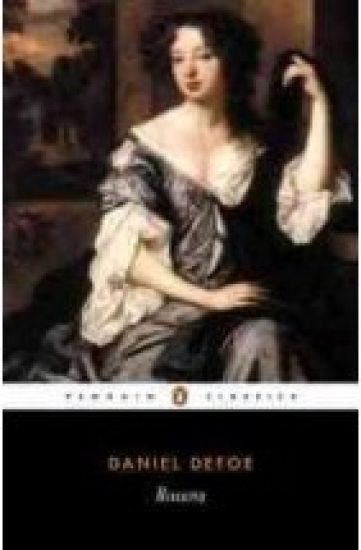
Beautiful, proud Roxana is terrified of being poor. When her foolish husband leaves her penniless with five children, she must choose between being a virtuous beggar or a rich whore. Embarking on a career as a courtesan and kept woman, the glamour of her new existence soon becomes too enticing and Roxana passes from man to man in order to maintain her lavish society parties, luxurious clothes and amassed wealth. But this life comes at a cost, and she is fatally torn between the sinful prosperity she has become used to and the respectability she craves. A vivid satire on a dissolute society, Roxana (1724) is a devastating and psychologically acute evocation of the ways in which vanity and ambition can corrupt the human soul.

Roxana: The Fortunate Mistress (full title: The Fortunate Mistress: Or, A History of the Life and Vast Variety of Fortunes of Mademoiselle de Beleau, Afterwards Called the Countess de Wintselsheim, in Germany, Being the Person known by the Name of the Lady Roxana, in the Time of King Charles II) is a 1724 novel by Daniel Defoe. The novel examines the possibility of eighteenth-century women owning their own estate despite a patriarchal society, as with Roxana's celebrated claim that "the Marriage Contract is ... nothing but giving up Liberty, Estate, Authority, and everything, to the Man". The novel further draws attention to the incompatibility between sexual freedom and freedom from motherhood: Roxana becomes pregnant many times due to her sexual exploits, and it is one of her children, Susan, who come back to expose her, years later, near the novel's close, helping to precipitate her flight abroad, subsequent loss of wealth, and (ambiguous) repentance.The character of Roxana can be described as a proto-feminist because she carries out her actions of prostitution for her own ends of freedom but before a feminist ideology was fully formed, (though Defoe also works to undercut the radicalism of her position). The book also explores the clash of values between the Restoration court and the middle-class. Roxana also discusses the issues of truth and deceit. As the text is a first-person narration and written to simulate a real first-hand account of a woman, first comes the issue of subjectivity, but also the underlying lie as to the veracity of the text. The reader can only trust in Roxana to give us a true account of her story, but as she often lies to other characters in the book, and even to herself, she is not a reliable narrator. Furthermore, the whole construction of her character is made on lies and disguises. Her name, or names, are not mentioned until the end of the novel, so even the most basic aspect of her identity--her name--is a mystery for the majority of the novel. And the name that is most associated to her: Roxana, is based on a lie and on a disguise, namely the Turkish dress. Published anonymously, and not attributed to Defoe till 1775, Roxana was nonetheless a popular hit in the eighteenth century, frequently reprinted in altered versions to suit the taste of the day: thus the 1775 edition, which called itself The New Roxana, had been sentimentalised to meet the tastes of the day. Only gradually from the 19th century onwards did the novel begin to be treated as serious literature: Ethel Wilson has been one of the 20th century authors subsequently influenced by its matter-of-factness and freedom from cant. (wikipedia.org)

Roxana: The Fortunate Mistress (full title: The Fortunate Mistress: Or, A History of the Life and Vast Variety of Fortunes of Mademoiselle de Beleau, Afterwards Called the Countess de Wintselsheim, in Germany, Being the Person known by the Name of the Lady Roxana, in the Time of King Charles II) is a 1724 novel by Daniel Defoe. The novel examines the possibility of eighteenth-century women owning their own estate despite a patriarchal society, as with Roxana's celebrated claim that "the Marriage Contract is ... nothing but giving up Liberty, Estate, Authority, and everything, to the Man". The novel further draws attention to the incompatibility between sexual freedom and freedom from motherhood: Roxana becomes pregnant many times due to her sexual exploits, and it is one of her children, Susan, who come back to expose her, years later, near the novel's close, helping to precipitate her flight abroad, subsequent loss of wealth, and (ambiguous) repentance.The character of Roxana can be described as a proto-feminist because she carries out her actions of prostitution for her own ends of freedom but before a feminist ideology was fully formed, (though Defoe also works to undercut the radicalism of her position). The book also explores the clash of values between the Restoration court and the middle-class. Roxana also discusses the issues of truth and deceit. As the text is a first-person narration and written to simulate a real first-hand account of a woman, first comes the issue of subjectivity, but also the underlying lie as to the veracity of the text. The reader can only trust in Roxana to give us a true account of her story, but as she often lies to other characters in the book, and even to herself, she is not a reliable narrator. Furthermore, the whole construction of her character is made on lies and disguises. Her name, or names, are not mentioned until the end of the novel, so even the most basic aspect of her identity--her name--is a mystery for the majority of the novel. And the name that is most associated to her: Roxana, is based on a lie and on a disguise, namely the Turkish dress. Published anonymously, and not attributed to Defoe till 1775, Roxana was nonetheless a popular hit in the eighteenth century, frequently reprinted in altered versions to suit the taste of the day: thus the 1775 edition, which called itself The New Roxana, had been sentimentalised to meet the tastes of the day. Only gradually from the 19th century onwards did the novel begin to be treated as serious literature: Ethel Wilson has been one of the 20th century authors subsequently influenced by its matter-of-factness and freedom from cant. (wikipedia.org)
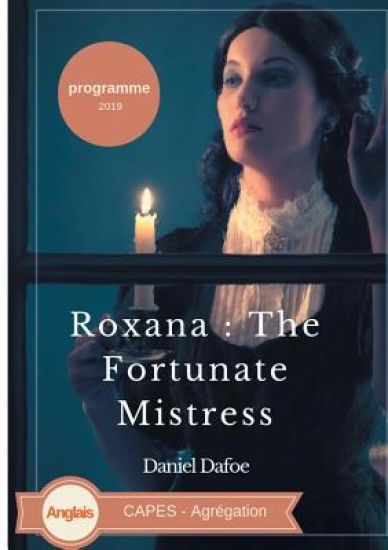
Roxana: The Fortunate Mistress (full title: The Fortunate Mistress: Or, A History of the Life and Vast Variety of Fortunes of Mademoiselle de Beleau, Afterwards Called the Countess de Wintselsheim, in Germany, Being the Person known by the Name of the Lady Roxana, in the Time of King Charles II) is a 1724 novel by Daniel Defoe. The novel examines the possibility of eighteenth-century women owning their own estate despite a patriarchal society, as with Roxana's celebrated claim that "the Marriage Contract is ... nothing but giving up Liberty, Estate, Authority, and everything, to the Man".The novel further draws attention to the incompatibility between sexual freedom and freedom from motherhood: Roxana becomes pregnant many times due to her sexual exploits, and it is one of her children, Susan, who come back to expose her, years later, near the novel's close, helping to precipitate her flight abroad, subsequent loss of wealth, and (ambiguous) repentance. The character of Roxana can be described as a proto-feminist because she carries out her actions of prostitution for her own ends of freedom but before a feminist ideology was fully formed, (though Defoe also works to undercut the radicalism of her position). The book also explores the clash of values between the Restoration court and the middle-class. Roxana also discusses the issues of truth and deceit. As the text is a first-person narration and written to simulate a real first-hand account of a woman, first comes the issue of subjectivity, but also the underlying lie as to the veracity of the text. The reader can only trust in Roxana to give us a true account of her story, but as she often lies to other characters in the book, and even to herself, she is not a reliable narrator. Furthermore, the whole construction of her character is made on lies and disguises. Her name, or names, are not mentioned until the end of the novel, so even the most basic aspect of her identity - her name - is a mystery for the majority


This text tells the story of Roxana Walbridge Watts (1802-1862), a farm wife in Peacham, Vermont and the 12 children she raised. Using a variety of primary sources - letters, diaries and photographs - these personal histories describe a broad range of experiences.
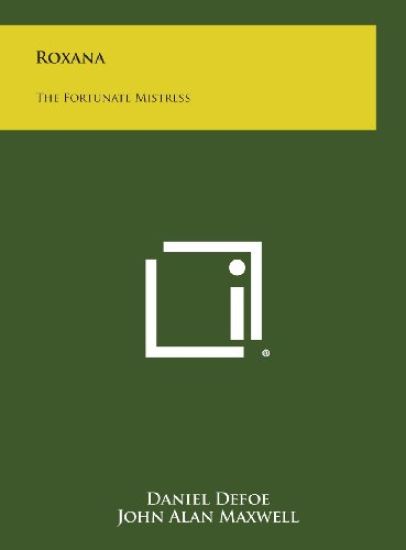
Roxana: The Fortunate Mistress is a novel written by Daniel Defoe, first published in 1724. The story is narrated by Roxana, a beautiful and intelligent woman who becomes a mistress to various wealthy men in 17th century England. Despite her many affairs, Roxana is able to maintain her independence and financial stability, which she sees as a sign of her good fortune. As the novel progresses, Roxana faces various challenges, including the birth of several children and the loss of her wealth. She also grapples with issues of morality and the consequences of her actions. The novel is considered a classic of English literature and is known for its complex portrayal of a strong and independent female protagonist.This is a new release of the original 1931 edition.This scarce antiquarian book is a facsimile reprint of the old original and may contain some imperfections such as library marks and notations. Because we believe this work is culturally important, we have made it available as part of our commitment for protecting, preserving, and promoting the world's literature in affordable, high quality, modern editions, that are true to their original work.

Roxana Or The Fortunate Mistress; Mrs. Christian Davies (1871)
Daniel Defoe
KESSINGER PUBLISHING, LLC
2008
sidottu
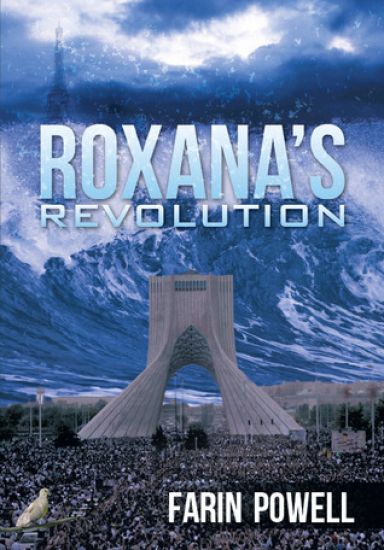

Roxana: It took a rowdy village in Letcher County, Kentucky to nurture this writer's young mind.
Forester Hogg
Createspace Independent Publishing Platform
2013
nidottu