Kirjojen hintavertailu. Mukana 11 213 693 kirjaa ja 12 kauppaa.

Kirjahaku

Etsi kirjoja tekijän nimen, kirjan nimen tai ISBN:n perusteella.

957 tulosta hakusanalla Seyam Shaimaa

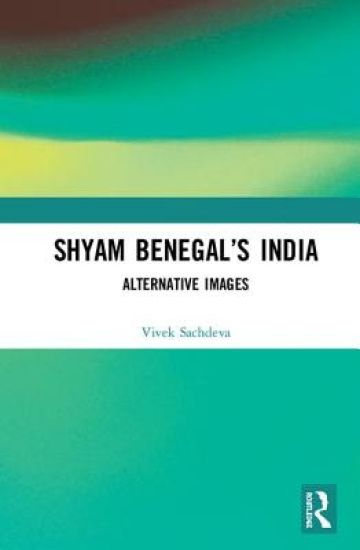
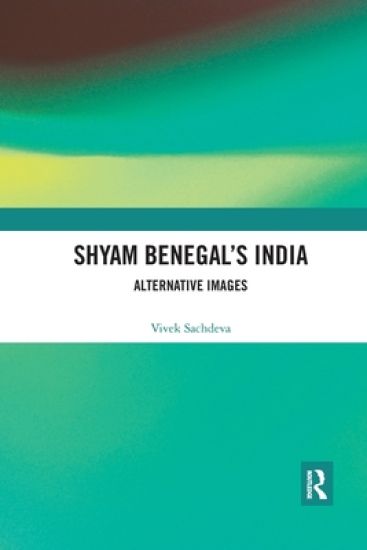
Shyam Benegal’s India

Shyam Benegal’s India

Vivek Sachdeva

Routledge India
2019
sidottu
This book examines Shyam Benegal’s films and alternative image(s) of India in his cinema, and traces the trajectory of changing aesthetics of his cinema in the post-liberalisation era. The book engages with the challenges faced by India as a nation-state in post-colonial times. Looking at hybrid and complex narratives of films like Manthan, Junoon, Kalyug, Charandas Chor, Sooraj Ka Satvaan Ghoda, Zubeidaa and Well Done Abba , among others, it analyses how these stories and characters, adapted and derived from mythology, folk-tales, historical fiction and novels, are rooted in the socio-political contexts of modern India. The author explores diverse themes in Benegal’s cinema such as the loss of home and identity, women’s sexuality, and the status of dalits and Muslims in India. He also focuses on how the filmmaker expertly weaves history with myth, culture, and contemporary politics and discusses the debate around the interpretive value of film adaptations, adaptation of history and the representations of marginalised communities and liminal spaces.The book will be useful for students and researchers of film studies, cultural studies, and the humanities. It will also interest readers of Indian cinema and the social and cultural history of India.
Shyam Benegal’s India

Shyam Benegal’s India

Vivek Sachdeva

Routledge India
2021
nidottu
This book examines Shyam Benegal’s films and alternative image(s) of India in his cinema, and traces the trajectory of changing aesthetics of his cinema in the post-liberalisation era. The book engages with the challenges faced by India as a nation-state in post-colonial times. Looking at hybrid and complex narratives of films like Manthan, Junoon, Kalyug, Charandas Chor, Sooraj Ka Satvaan Ghoda, Zubeidaa and Well Done Abba , among others, it analyses how these stories and characters, adapted and derived from mythology, folk-tales, historical fiction and novels, are rooted in the socio-political contexts of modern India. The author explores diverse themes in Benegal’s cinema such as the loss of home and identity, women’s sexuality, and the status of dalits and Muslims in India. He also focuses on how the filmmaker expertly weaves history with myth, culture, and contemporary politics and discusses the debate around the interpretive value of film adaptations, adaptation of history and the representations of marginalised communities and liminal spaces.The book will be useful for students and researchers of film studies, cultural studies, and the humanities. It will also interest readers of Indian cinema and the social and cultural history of India.

Seam

Seam

Tarfia Faizullah

Southern Illinois University Press
2014
nidottu
The poems in this captivating collection weave beauty with violence, the personal with the historic as they recount the harrowing experiences of the two hundred thousand female victims of rape and torture at the hands of the Pakistani army during the 1971 Liberation War. As the child of Bangladeshi immigrants, the poet in turn explores her own losses, as well as the complexities of bearing witness to the atrocities these war heroines endured.Throughout the volume, the narrator endeavours to bridge generational and cultural gaps even as the victims recount the horror of grief and personal loss. As we read, we discover the profound yet fragile seam that unites the fields, rivers, and prisons of the 1971 war with the poet’s modern-day hotel, or the tragic death of a loved one with the holocaust of a nation.Moving from West Texas to Dubai, from Virginia to remote villages in Bangladesh and back again, the narrator calls on the legacies of Willa Cather, César Vallejo, Tomas Tranströmer, and Paul Celan to give voice to the voiceless. Fierce yet loving, devastating and magical at once, Seam is a testament to the lingering potency of memory and the bravery of a nation’s victims.
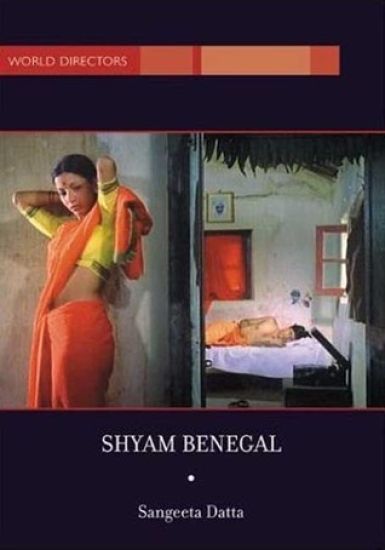
Shyam Benegal

Shyam Benegal

Sangeeta Datta

BFI Publishing
2002
nidottu
Shyam Benegal is the best known and most prolific contemporary film-maker from India's arthouse or "New Cinema" tradition. This work traces a career with its beginnings in political cinema and a realist aesthetic. It also provides an overview of the director's work.
Seya: Sessions I: Through Essence

Seya: Sessions I: Through Essence

Wren Duende

Dorian Press
2018
nidottu
A collection of poetry from Wren Duende. Because you took the torch you blundered through the 'Woulds' you thundered through the 'Coulds" the 'Cant's' And All the bloody 'Shoulds' because within yourselves you are goddess, gods This world Turns We All exist because you Lead you led - from "Angels," Act 4
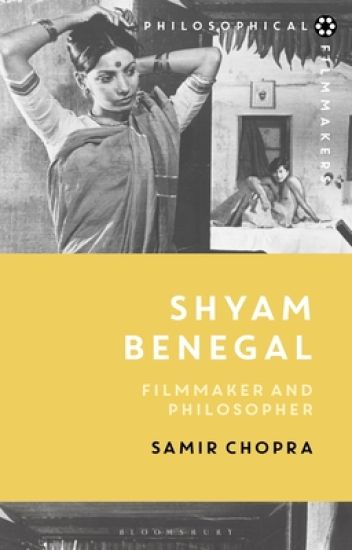
Shyam Benegal

Shyam Benegal

Samir Chopra

Bloomsbury Academic
2021
sidottu
For over forty years, Shyam Benegal has been one the leading forces in Indian cinema. Informed by a rich political and philosophical sensibility and a mastery of the art and craft of filmmaking, Benegal is both of, and not of, Bollywood. As a philosophical filmmaker Benegal brings to life the existential crisis of the downtrodden Indian, the ‘subaltern’ if you will—the serf, the peasant, the woman—and imposes a distinctive philosophical vision on his cinematic reworkings of literary products. To understand Benegal’s cinema is to understand, through his lens, modern India’s continued process of political and social becoming.Focusing on the philosophical depth of Benegal's oueuvre, Samir Chopra identifies three key aspects of his work:- A trio of films which signalled to middle-class India that a revolt was brewing in India’s hinterlands- Two sets of movies which make powerful feminist statements and bring viewers into the lives of Indian women by showcasing strong, interesting female characters- Benegal the master storyteller, who possessed of a unique fabulist style in a reboot of the Indian epic Mahabharata, a Ruskin Bond novel set during the Indian Mutiny of 1857, and a Rashomon-like retelling of an Indian experimental novel, where three perspectives converge to form a unified whole
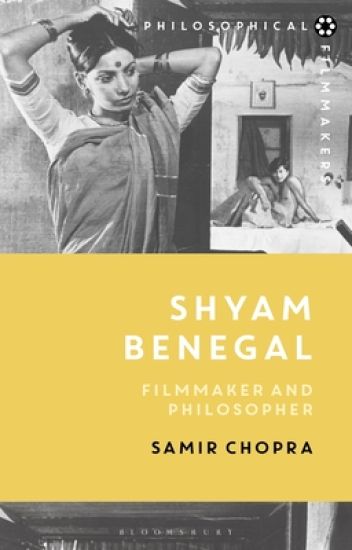
Shyam Benegal

Shyam Benegal

Samir Chopra

Bloomsbury Academic
2021
nidottu
For over forty years, Shyam Benegal has been one the leading forces in Indian cinema. Informed by a rich political and philosophical sensibility and a mastery of the art and craft of filmmaking, Benegal is both of, and not of, Bollywood. As a philosophical filmmaker Benegal brings to life the existential crisis of the downtrodden Indian, the ‘subaltern’ if you will—the serf, the peasant, the woman—and imposes a distinctive philosophical vision on his cinematic reworkings of literary products. To understand Benegal’s cinema is to understand, through his lens, modern India’s continued process of political and social becoming.Focusing on the philosophical depth of Benegal's oueuvre, Samir Chopra identifies three key aspects of his work:- A trio of films which signalled to middle-class India that a revolt was brewing in India’s hinterlands- Two sets of movies which make powerful feminist statements and bring viewers into the lives of Indian women by showcasing strong, interesting female characters- Benegal the master storyteller, who possessed of a unique fabulist style in a reboot of the Indian epic Mahabharata, a Ruskin Bond novel set during the Indian Mutiny of 1857, and a Rashomon-like retelling of an Indian experimental novel, where three perspectives converge to form a unified whole