Kirjojen hintavertailu. Mukana 11 244 527 kirjaa ja 12 kauppaa.

Kirjahaku

Etsi kirjoja tekijän nimen, kirjan nimen tai ISBN:n perusteella.

1000 tulosta hakusanalla Sharon L Burton

Overeating

Overeating

Sharon L Burton

Lulu.com
2023
pokkari
Weight has an impact on many aspects of our lives. One impediment to our personal development, physical efficacy, and progress is a lack of overall physical awareness. The way we navigate this ever-changing world of hectic schedules, digital evolutions, and diet management may eventually influence each of our eating schedules and have an impact on our futures. Overeating: My Shift to Reflective Actions Generating Results provides a comprehensive view of implementing positive changes to achieve greater effectiveness and self-empowerment. This book, written in a conversational style by Dr. Sharon L. Burton, author of over 90 publications, is filled with enthralling experiences as well as new ideas and philosophies for improving your health and happiness. First and foremost, you will appreciate the fact that you can manage your food. THIS COMPANION BOOK OFFERS CLEAR-SIGHTEDNESS AND HELP BY:  Explaining the manner in which you can embrace weight loss and reassess how they work together for your good  Reorganizing your thought processes to remain proactive and visualize broad view conclusions  Reviewing lessons learned from your habits that you can swivel to meet your particular necessities
Mental Health In The Church & Community

Mental Health In The Church & Community

Louella Meachem; Sharon L Burton

Lulu.com
2021
pokkari
Mental Health In The Church & Community offers an understanding of mental health conditions, including facing mental health struggles, and how the Church and community can help. Readers will gain a better understanding of the following questions. What qualifies a condition to be termed as mental illness? What general terms describe mental illness? What are the names of the diverse types of mental illness? What is the cause of mental health disorders? What terms are now offensive to describe mental illness? Humans have grappled with the sphere of mental health considerably longer than many people may recognize. Mental illness, a condition, is a topic wrapped in family shame. In some communities remains a topic of taboo, a subject that continues to produce a wave of anxiety and a void in the right words to apply a given situation. Humans cannot entirely realize and appreciate the core of their existence until they learn to exist with others, no matter their conditions. Overall, this text walks through conditions, people with conditions dating back to biblical days, and how to help those with mental health conditions. In addition to improving self-knowledge, this text applies to help educate others and as a text for mental health programs. Read this book, and share copies with friends and associates.
Transitioning to I Can from I Can't

Transitioning to I Can from I Can't

Sharon L. Burton

Lulu.com
2016
nidottu
Transitioning to I Can from I Can't provides life-changing data to help people in all walks of life make positive transitions. Readers receive inspiration to review their habits and thought processes, knowledge to delineate needed change, and help to seek solutions. Personal accounts of tough transitions provide avenues to make those hard decisions about change that will help you get to your desired end-state, either personal or work-life. Whether your transition is small, medium, or large, a testament provides you with ideas of how to begin. This book leads you to an opportunity for positive change. You will gather the understanding that positive change has no boundaries. Change unlocks the doors of advantage. Mentoring and coaching guides you to that change. By examining your inner-man, you are about to shift and transition to that place of impacting the human condition. This book assists you to move from the cloud of wanting to transition to completing the journey.
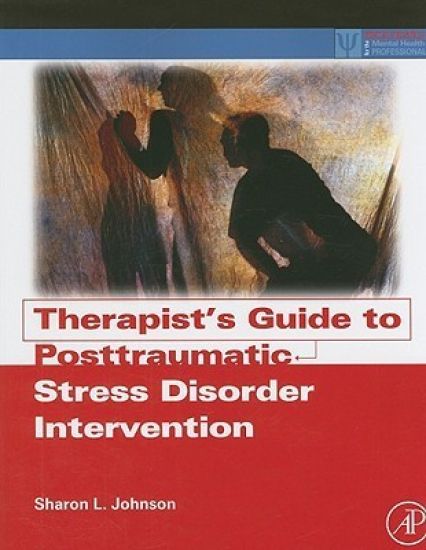
Therapist's Guide to Posttraumatic Stress Disorder Intervention
Sharon Johnson is the author of the best selling Therapist's Guide to Clinical Intervention now in its second edition. In this new book on PTSD, she lends her practical outline format to understanding PTSD assessment, treatment planning, and intervention. The book begins with a summary information on PTSD definition, and prevalence, assessment, and the evidence basis behind different treatment options. The book offers adjunctive skill building resources to supplement traditional therapy choices as well as forms for use in clinical practice. This clinician's guide to diagnosing and treating PTSD is written in a concise format with much of the material in outline or bullet point format, allowing easy understanding of complex material for the busy therapist. The book includes a definition of the disorder, diagnostic criteria, the neurobiology of the disorder, tools and information for diagnosing clients, information on functional impairment, interventions, treatment planning, skill building, and additional clinician resources.
Therapist's Guide to Clinical Intervention

Therapist's Guide to Clinical Intervention

Sharon L. Johnson

Academic Press Inc
2003
nidottu
Therapist's Guide to Clinical Intervention, Second Edition is a must-have reference for clinicians completing insurance forms, participating in managed care, or practicing in treatment settings requiring formalized goals and treatment objectives. This practical, hands-on handbook outlines treatment goals and objectives for each type of psychopathology as defined by the diagnostic and statistical manual by the American Psychiatric Association, identifies skill-building resources, and provides samples of all major professional forms.With over 30% new information, this new edition covers a variety of new special assessments including domestic violence, phobias, eating disorders, adult ADHD, and outpatient progress. New skill-building resources focus on surviving holiday blues, improving communication, overcoming shyness, teaching couples to fight "fair", surviving divorce, successful stepfamilies, managing anger, coping with post traumatic stress, and more. Additional professional forms have been added including treatment plans, a brief mental health evaluation, parent's questionnaire, and a contract for providing service for people with no insurance.
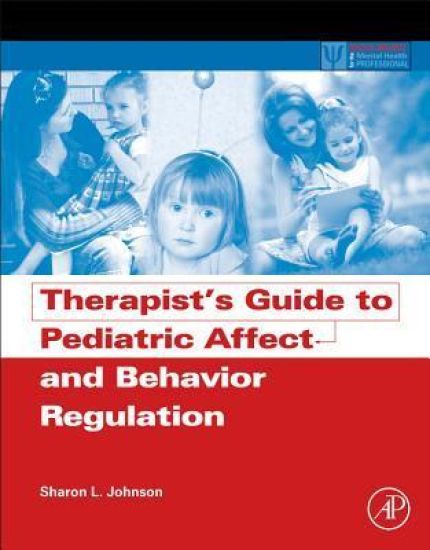
Therapist's Guide to Pediatric Affect and Behavior Regulation
Modeled on the author's bestselling Therapist’s Guide to Clinical Intervention, this new book on child clinical intervention presents much of the material in outline or bullet point format, allowing easy understanding of complex material for the busy therapist. This clinician’s guide to diagnosing and treating disorders in children includes definitions of the disorder, diagnostic criteria, the neurobiology of the disorder, information on functional impairment, treatment planning, and evidence-based interventions. The book additionally offers adjunctive skill building resources to supplement traditional therapy choices as well as forms for use in clinical practice.
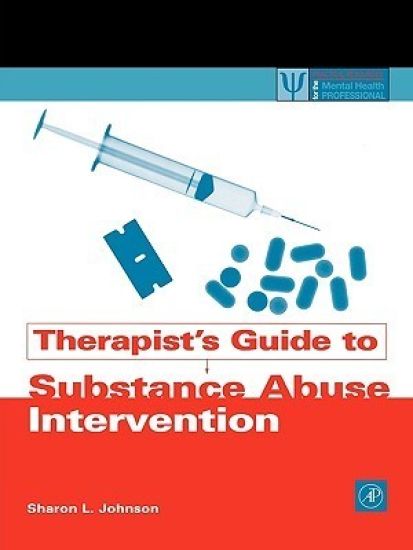
Therapist's Guide to Substance Abuse Intervention

Therapist's Guide to Substance Abuse Intervention

Sharon L. Johnson

Academic Press Inc
2003
nidottu
Author of AP's bestselling "Therapist's Guide to Clinical Intervention" now turns her attention to substance abuse intervention. The book will follow a similar format to her previous book, presenting information in easy to read outline form, with relevant forms, patient questionnaires, checklists, business documents, etc. Part I discusses the social impact of substance abuse and provides a general overview of the physiological and psychological characteristics of abuse, DSM IV definition of abuse, and classifications of the varying types of drugs. Part II is the main section of the book and covers assessment, different stages of abuse/recovery, and treatment choices. Coverage includes the discussion of myriad self help choices (e.g. AA), group therapy, brief therapy, and more. Discussion will also include making a determination of treatment as inpatient or outpatient, and issues relevant to special populations (teenagers, geriatrics, comorbidity patients, etc.). Part III presents skill building resources. Part IV covers prevention, quality assurance, and also includes a glossary.
Therapist's Guide to Clinical Intervention

Therapist's Guide to Clinical Intervention

Sharon L. Johnson

Academic Press Inc
2017
nidottu
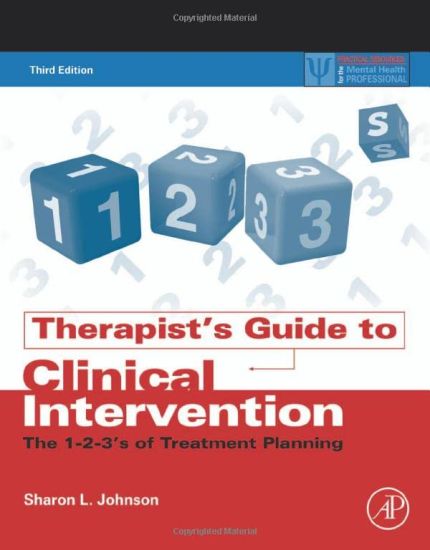
Therapist’s Guide to Clinical Intervention, Third Edition, is an essential reference for providing clinical services and associated case formulations requiring formalized goals and objectives. It is ideal for use in assessment, treatment, consultation, completing insurance forms, and/or participating in managed care. This practical, hand-on book, outlines treatment goals and objectives for each type of psychopathology as defined by the diagnostic and statistical manual by the American Psychiatric Association. It additionally provides skill-building resources and samples of all major professional forms likely to be used in clinical treatment.The third edition conveniently maps individualized treatment plans utilizing evidence-based best practices and standards of care. Diagnostic information is presented by associated disorder or theme for easier access. New special assessments and skill-building entries are included. Also new are numerous website/URLs associated with research articles, and consumer resources have been provided to complement clinical information and patient education.
Coping with Breast Cancer

Coping with Breast Cancer

Sharon L. Manne; Jamie S. Ostroff

Oxford University Press Inc
2008
nidottu
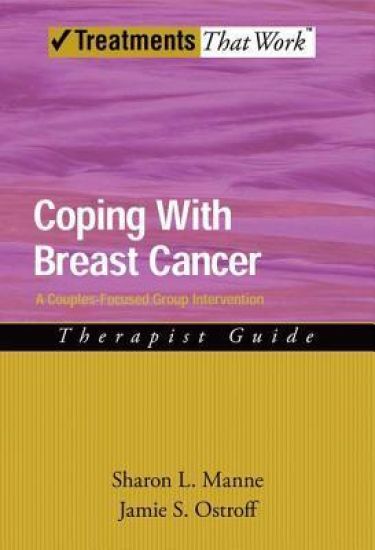
Early stage breast cancer can be stressful and upsetting for both the woman dealing with the disease and her partner. This illness can also place a strain on a couple's relationship. However, couples who are able to provide effective support to one another are more likely to adapt well. Focusing on the couple as a unit can promote effective coping for both patients and their partners. This couples-focused group program aims to improve a couple's functioning as a "team" and provides a supportive environment for couples facing similar breast cancer-related issues. Over the course of six sessions, couples learn support and communication skills, as well as techniques to manage stress and enhance intimacy. Modelling by group leaders and other couples facilitates skill acquisition. With continued use, the skills learned in group can have long-term benefits for couples. This guide, along with the corresponding workbook, provides all the information needed to implement this group program. It contains step-by-step instructions for running the group, as well as sample group leader dialogues, in-session activities, and homework assignments. The couple's workbook is designed to be shared by both partners as they work together through the program. By the end of the six weeks, couples will be better equipped as a team to cope with the stresses of cancer and the challenges that may lie ahead.
Coping with Breast Cancer: Workbook for Couples

Coping with Breast Cancer: Workbook for Couples

Sharon L. Manne; Jamie S. Ostroff

Oxford University Press Inc
2008
nidottu
As a couple coping with early stage breast cancer, it is important that you face the stresses and challenges together. To support each other during this difficult time, you and your partner may benefit from enhancing your relationship and stress management skills. This couples-focused group program will help you and your partner become an effective coping "team". To strengthen your relationship, you and your partner will learn how to better support and communicate with one another using proven relationship-enhancing techniques. You will also learn to strengthen emotional intimacy by taking the time to discover each other's needs and engaging in "wish list" activities to bring you closer together. Relaxation techniques will help you and your partner manage stress so you are better able to deal with the challenges of cancer. The group format provides a supportive environment and gives you a chance to learn from other couples dealing with similar issues. This workbook is designed to be shared by you and your partner, as you work together as a team. It includes all the forms and information you will need during the six-week program. Exercises will help you apply what you learned in group to coping with cancer and your life as a couple. By the end of the program you will have acquired many useful skills that will benefit you, your partner, and your relationship for a lifetime.
Cultural Locations of Disability

Cultural Locations of Disability

Sharon L. Snyder; David T. Mitchell

University of Chicago Press
2005
sidottu
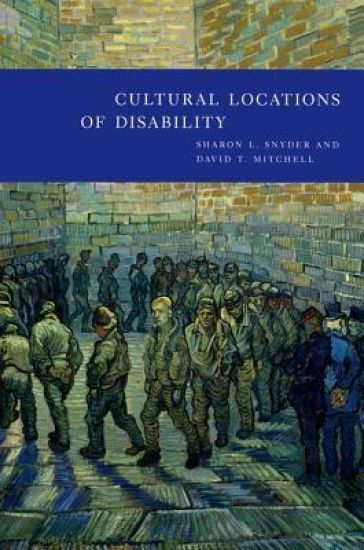
In "Cultural Locations of Disability", Sharon L. Snyder and David T. Mitchell trace how disabled people came to be viewed as biologically deviant. The eugenics era pioneered techniques that managed "defectives" through the application of therapies, invasive case histories, and acute surveillance techniques, turning disabled persons into subjects for a readily available research pool. In its pursuit of normalization, eugenics implemented disability regulations that included charity systems, marriage laws, sterilization, institutionalization, and even extermination. Enacted in enclosed disability locations, these practices ultimately resulted in expectations of segregation from the mainstream, leaving today's disability politics to focus on reintegration, visibility, inclusion, and the right of meaningful public participation. Snyder and Mitchell reveal cracks in the social production of human variation as aberrancy. From our modern obsessions with tidiness and cleanliness to our desire to attain perfect bodies, notions of disabilities as examples of human insufficiency proliferate. These disability practices infuse more general modes of social obedience at work today. Consequently, this important study explains how disabled people are instrumental to charting the passage from a disciplinary society to one based upon regulation of the self.
Cultural Locations of Disability

Cultural Locations of Disability

Sharon L. Snyder; David T. Mitchell

University of Chicago Press
2005
nidottu
In "Cultural Locations of Disability", Sharon L. Snyder and David T. Mitchell trace how disabled people came to be viewed as biologically deviant. The eugenics era pioneered techniques that managed "defectives" through the application of therapies, invasive case histories, and acute surveillance techniques, turning disabled persons into subjects for a readily available research pool. In its pursuit of normalization, eugenics implemented disability regulations that included charity systems, marriage laws, sterilization, institutionalization, and even extermination. Enacted in enclosed disability locations, these practices ultimately resulted in expectations of segregation from the mainstream, leaving today's disability politics to focus on reintegration, visibility, inclusion, and the right of meaningful public participation. Snyder and Mitchell reveal cracks in the social production of human variation as aberrancy. From our modern obsessions with tidiness and cleanliness to our desire to attain perfect bodies, notions of disabilities as examples of human insufficiency proliferate. These disability practices infuse more general modes of social obedience at work today. Consequently, this important study explains how disabled people are instrumental to charting the passage from a disciplinary society to one based upon regulation of the self.
University and College Women's Centers

University and College Women's Centers

Sharon L. Davie

Greenwood Press
2001
sidottu
Women's centers in universities and colleges in the United States are flourishing as they transform individuals and institutions, providing education that combines the academic and activist, and develop leadership that is rooted in collaboration. This handbook provides insights from women's center directors at institutions across the country on how best to build a women's center that can improve the quality of women's experiences in college. The best centers aid universities and colleges in responding to particularly difficult challenges in higher education related to gender. Practical information is included on specific programs, providing an overview of successful centers. The institutional environments examined are diverse, ranging from research universities to community colleges, from large state-supported land grant institutions to small private liberal arts colleges. Chapters focusing on the structural issues of creating and transforming a center explore how to create crucial components of women's centers, such as leadership development programs, distinguished artists and scholars series, information and referral services for non-traditional students, women-centered counseling services, resource libraries, publications, and internship programs that involve both academic and experiential learning. Other chapters focus on social issues and the intransigent and wide-ranging challenges facing centers, including for example, sexual harassment, racial divisions among students, the climate for women in the sciences, and the need to build a stronger sense of intellectual community outside the classroom. The directors of women's centers around the country respond to these and other problems, and provide an overview of some of the best practices related to responding to a number of very difficult challenges in higher education.
Rereading the Harlem Renaissance

Rereading the Harlem Renaissance

Sharon L. Jones

Praeger Publishers Inc
2002
sidottu
African American writers of the Harlem Renaissance generally fall into three aesthetic categories: the folk, which emphasizes oral traditions, African American English, rural settings, and characters from lower socioeconomic levels; the bourgeois, which privileges characters from middle class backgrounds; and the proletarian, which favors overt critiques of oppression by contending that art should be an instrument of propaganda. Depending on critical assumptions regarding what constitutes authentic African American literature, some writers have been valorized, others dismissed. This rereading of the Harlem Renaissance gives special attention to Fauset, Hurston, and West. Jones argues that all three aesthetics influence each of their works, that they have been historically mislabeled, and that they share a drive to challenge racial, class, and gender oppression. The introduction provides a detailed historical overview of the Harlem Renaissance and the prevailing aesthetics of the period. Individual chapters analyze the works of Hurston, West, and Fauset to demonstrate how the folk, bourgeois, and proletarian aesthetics figure into their writings. The volume concludes by discussing the writers in relation to contemporary African American women authors.
Measuring Crime

Measuring Crime

Sharon L. Lohr

CRC Press
2019
sidottu
Every day, newspapers, magazines, web sites, and social media feature articles about the prevalence of crime. Some of these contradict each other; others use inaccurate statistics. Many people who see wildly diverging statistics conclude that no statistics should be trusted. However, the essence of the statistical discipline is that all statistics should be accompanied by a measure of their accuracy. This book looks at crime statistics from a statistical point of view, and evaluates the different sources of crime statistics with respect to completeness (i.e. missing data), measurement error, and sampling variability. The goal of the book is to promote statistical reasoning about statistics.