Kirjahaku
Etsi kirjoja tekijän nimen, kirjan nimen tai ISBN:n perusteella.
1000 tulosta hakusanalla Sigfrid Siwertz
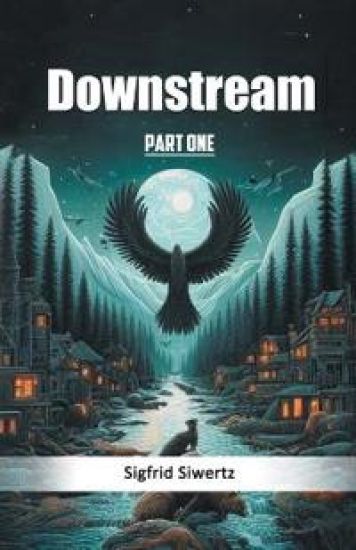
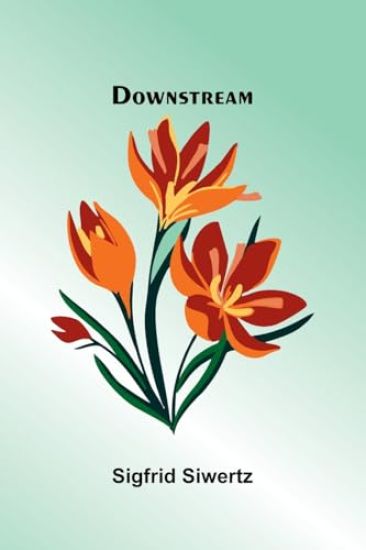
Downstream Part I by Sigfrid Siwertz is a novel that explores the complexities of childhood, family dynamics, and the haunting legacy of the past. The story centers around a protagonist who navigates a world fraught with fear, confusion, and unresolved family tensions. The opening introduces a dimly lit world filled with unsettling emotions, where a mysterious cry from a mother's bedroom sets the tone for the underlying emotional struggle. As the narrative unfolds, the impact of the mother's illness and the looming shadows of the family legacy begin to surface, hinting at deeper themes of loss and survival. The presence of Kristin, an old storyteller, weaves together ghostly tales from the family's history, further entangling the protagonist in a web of superstition and fear. Siwertz explores the emotional weight of the past and its effect on personal identity, creating a poignant reflection on how the past shapes the present and the challenges of moving forward from trauma.
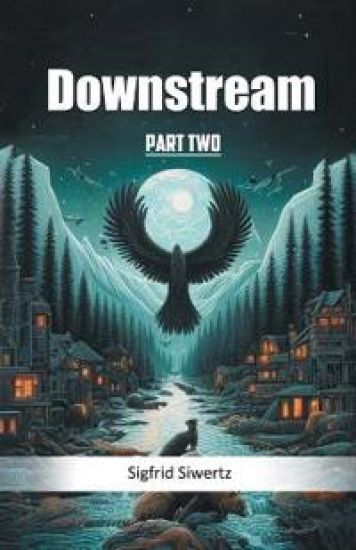
Downstream Part II by Sigfrid Siwertz is a novel that explores the complexities of childhood, family dynamics, and the haunting legacy of the past. The story centers around a protagonist who navigates a world fraught with fear, confusion, and unresolved family tensions. The opening introduces a dimly lit world filled with unsettling emotions, where a mysterious cry from a mother's bedroom sets the tone for the underlying emotional struggle. As the narrative unfolds, the impact of the mother's illness and the looming shadows of the family legacy begin to surface, hinting at deeper themes of loss and survival. The presence of Kristin, an old storyteller, weaves together ghostly tales from the family's history, further entangling the protagonist in a web of superstition and fear. Siwertz explores the emotional weight of the past and its effect on personal identity, creating a poignant reflection on how the past shapes the present and the challenges of moving forward from trauma.
Christianity Its Evidences, Its Origin, Its Morality, Its History (Edition1)
Sigfrid Siwertz
Alpha Editions
2024
nidottu

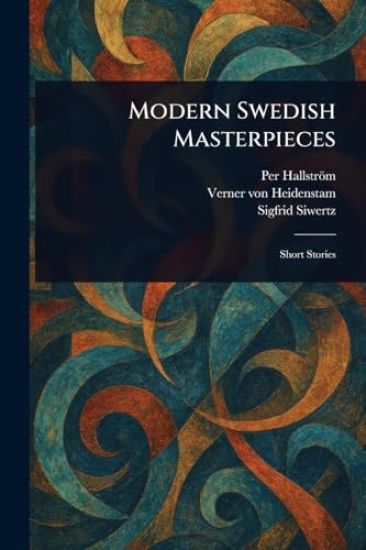
Modern Swedish Masterpieces
Per Hallström; Verner Von Heidenstam; Sigfrid Siwertz
Anson Street Press
2025
pokkari
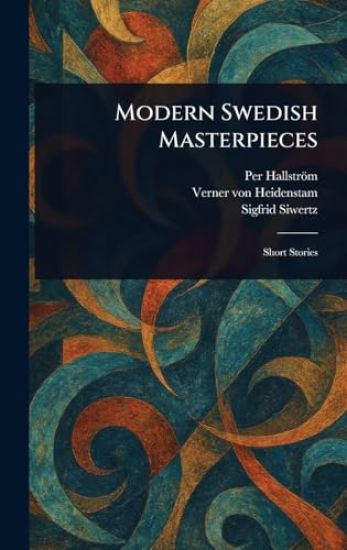
Modern Swedish Masterpieces
Per Hallström; Verner Von Heidenstam; Sigfrid Siwertz
Anson Street Press
2025
sidottu

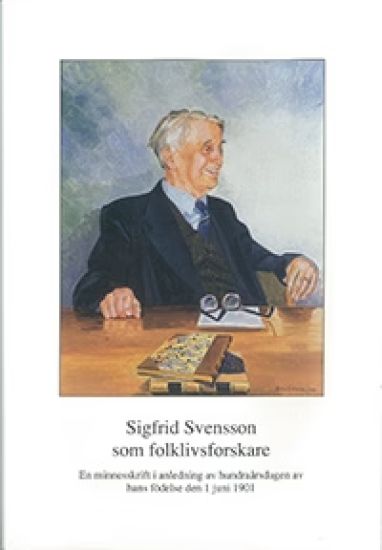
Sigfrid Svensson som folklivsforskare
Kungl. Gustav Adolfs Akademien för svensk folkkultur
2001
nidottu
Sigfrid Svensson (1901–1984), bördig från Löderup i sydöstra Skåne, var verksam vid Nordiska museet 1924–1946 och innehade under åren 1946–1967 professuren i Nordisk och jämförande folklivsforskning, särskilt etnologisk, vid Lunds universitet. Hans doktorsavhandling Skånes folkdräkter (1935) blev vägledande för den fortsatta klädforskningen i Norden medan en rad essäer publicerade under titeln Bygd och yttervärld (1942) blev grundläggande för innovationsforskningen. Bland övriga arbeten märks Svensk bondekultur (1934) tillsammans med Gösta Berg, Bondens år (1945) och Introduktion till folklivsforsningen (1966). I anledning av 100-årsminnet av hans födelse anordnades ett seminarium vid Etnologiska institutionen i Lund 31 maj och 1 juni 2001 med föreläsningar företrädesvis av f.d. lärjungar om olika sidor av Sigfrid Svenssons mångsidiga livsgärning som folklivsforskare. Föreläsningarna utges här i bokform av hans efterträdare på lärostolen i Lund, NilsArvid Bringéus.
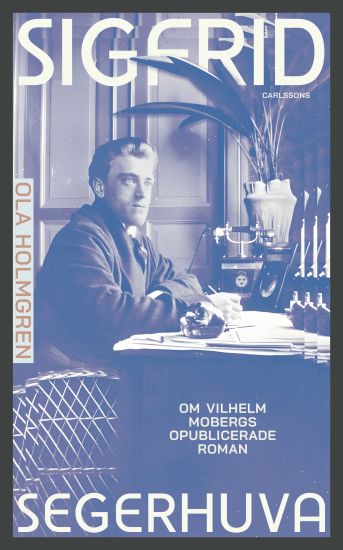
Samma år som Vilhelm Moberg gav ut sin första roman, Prinsessan på Solklinten, skrev han också ett mer seriöst motstycke till den bygderomantiska debuten. En större berättelse som efter mer än hundra år förblivit opublicerad. Så lär den nog också förbli, eftersom flera sidor saknas utöver de 449 bevarade i det handskrivna manuskriptet. Romanen »Sigfrid Segerhuva« tillkom vintern och försommaren 1922 för en stor pristävling med Selma Lagerlöf i juryn. Prissumman var hela 20 000 kronor, en förmögenhet vid denna tid, men Mobergs roman returnerades utan omnämnande eller förlagskontrakt. Något han skulle komma att beskriva som sitt unga livs största misslyckande. Ola Holmgren har granskat Mobergs opublicerade manuskript och ger i denna bok liv åt berättelsen om romanhjälten Sigfrid. I en välgrundad och kunnig analys får läsaren en vid insyn i romanens handling, kontexten den tillkom i och hur den vidare kom att påverka Mobergs författarskap. Det är en välformulerad och insiktsfull skildring som ger läsaren möjlighet att lära känna en av våra mest framstående 1900-talsförfattare och hans språkvärld utifrån en av dennes stora motgångar. Om författaren Ola Holmgren är professor emeritus i litteraturvetenskap, författare och ordförande i Vilhelm Moberg-Sällskapet. Han har varit lärare vid Stockholms universitet, Teaterhögskolan, Dramatiska institutet och Södertörns högskola. Han har skrivit en lång rad böcker, bland annat om Ivar Lo-Johansson, Peter Weiss, Bob Dylan och Keve Hjelm, och är även en framstående litteratur- och teaterkritiker.
Sigfrid Aronus Forsius. Astronomer and Philosopher of Nature
Terhi Kiiskinen
Peter Lang AG
2007
nidottu
Sigfrid Aronus Forsius (d. 1624) was the most renowned scholar of the Nordic Renaissance in the Swedish kingdom. The present work is the first comprehensive analysis of his natural-philosophical views and of the sources that he utilised. He was a representative of the exciting spiritual atmosphere of early Reformation. He combined Aristotelian, Paracelsistic, Stoic, Hermetic and Platonic ideas. His basic views included the concept of universal harmony, one aspect of which was the correspondence between the microcosm and the macrocosm, God as the Creating Nature (naturans natura), the study of nature as a starting point for natural theology and as a way to know God, and the great value of astronomy and astrology. Forsius was ahead of his time in the Swedish kingdom when he considered that heaven could physically be compared with the earthly elements. His view of the heavens as elementary and natural gave offence at the University of Uppsala. Some theologians thought that the heavens should have been preserved as a totally spiritual realm. Part of the study focussed on detecting what specific works Forsius used as his sources in his main work Physica, and the detailed results are summed up in an appendix. The literature used by him reflected similarly progressive cultural and scientific interests as did the libraries of some noble families, in contrast with the rather conservative atmosphere in the academical circles.
Sigfrid Karg-Elert im Kontext seiner Zeit
LIT VERLAG
2025
nidottu
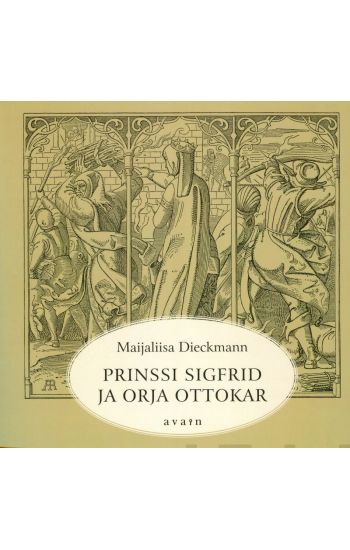
Uljas prinssi Sigfrid ja orja Ottokar - Nibelungien tarina on saksalaisesta sankaritarustosta tuttu tarina,joka sisältää jännitystä ja romantiikkaa.Selkokielelle mukautettuna hieno tarusto avautuu niin nuorille kuin aikuisillekin lukijoille helposti ja houkuttelevasti.
Your Ever Grateful, Devoted Friend: Sigfrid Karg-Elert's letters to Godfrey Sceats
Harold Fabrikant
Harold Fabrikant
2019
nidottu
Godfrey Sceats, 1888-1966, was an amateur musician (organist, composer) and by profession a linguist proficient in German, French and Spanish. He first heard Karg-Elert's music around 1910 when several accomplished Englishmen were starting to take note of it with enthusiasm. Many of the letters are published side by side, in German and English, and a comprehensive appendix completes the volume.
We have reached the double conclusion: that invention is choice, that this choice is imperatively governed by the sense of scientific beauty. Hadamard (1945), Princeton University Press, by permission. The great majority of all sources and amplifiers of microwave energy, and all devices for receiving or detecting microwaves, use a semiconductor active element. The development of microwave semiconductor devices, de scribed in this book, has proceeded from the simpler, two-terminal, devices such as GUNN or IMPATT devices, which originated in the 1960s, to the sophisticated monolithic circuit MESFET three-terminal active elements, of the 1980s and 1990s. The microwave field has experienced a renais sance in electrical engineering departments in the last few years, and much of this growth has been associated with microwave semiconductor devices. The University of Massachusetts has recently developed a well recognized program in microwave engineering. Much of the momentum for this pro gram has been provided by interaction with industrial companies, and the influx of a large number of industry-supported students. This program had a need for a course in microwave semiconductor devices, which covered the physical aspects, as well as the aspects of interest to the engineer who incorporates such devices in his designs. It was also felt that it would be im portant to introduce the most recently developed devices (HFETs, HBTs, and other advanced devices) as early as possible.

Om Svenska Riddarhuset Och Dess a Tter.
Sigfrid Wieselgren
British Library, Historical Print Editions
2011
pokkari
We have reached the double conclusion: that invention is choice, that this choice is imperatively governed by the sense of scientific beauty. Hadamard (1945), Princeton University Press, by permission. The great majority of all sources and amplifiers of microwave energy, and all devices for receiving or detecting microwaves, use a semiconductor active element. The development of microwave semiconductor devices, de scribed in this book, has proceeded from the simpler, two-terminal, devices such as GUNN or IMPATT devices, which originated in the 1960s, to the sophisticated monolithic circuit MESFET three-terminal active elements, of the 1980s and 1990s. The microwave field has experienced a renais sance in electrical engineering departments in the last few years, and much of this growth has been associated with microwave semiconductor devices. The University of Massachusetts has recently developed a well recognized program in microwave engineering. Much of the momentum for this pro gram has been provided by interaction with industrial companies, and the influx of a large number of industry-supported students. This program had a need for a course in microwave semiconductor devices, which covered the physical aspects, as well as the aspects of interest to the engineer who incorporates such devices in his designs. It was also felt that it would be im portant to introduce the most recently developed devices (HFETs, HBTs, and other advanced devices) as early as possible.