

Kirjahaku
Etsi kirjoja tekijän nimen, kirjan nimen tai ISBN:n perusteella.
1000 tulosta hakusanalla Steven L. Shrewsbury
Synopsis: Set in the mists of ancient times, Thrall tells the story of Gorias La Gaul, an aging warrior who has lived for centuries battling the monstrosities of legend and lore. It is an age when the Nephilum walk the earth, demonic forces hunger to be unleashed, and dragons still soar through the skies ... living and undead.On a journey to find one of his own blood, a young man who is caught in the shadow of necromancy, Gorias' path crosses with familiar enemies, some of whom not even death can hold bound. Thrall is gritty, dark-edged heroic fantasy in the vein of Robert E. Howard and David Gemmell. It is a maelstrom of hard-hitting action and unpredictable imagery, taking place within an incredible antediluvian world. In Gorias La Gaul, Thrall introduces an iconic new character to the realms of fantasy literature.Thrall invites the reader to go on a perilous journey where it is not a matter of whether one has the courage to die, but whether one has the courage to live.
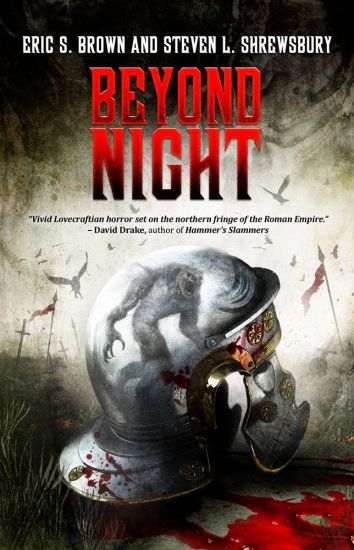
An Epic Fantasy tale of action, adventure, heroism, horror and sorcery...Beyond Night is a Dark Fantasy Horror novel that pulls back the veil of nearly two thousand years of jaded history. Come trod in the bloody footprints left by monsters, soldiers and wizards and behold what lies hidden Beyond Night itself.It's Bigfoot War mixed with Lovecraftian horror on the edge of the Roman Empire.How could Rome lose a Legion? What could've happened to blot out the existence of over five thousand men not only from history but the Earth itself?As the Legion moves north to engage the forces of Pictdom, a dark horror emerges from the bowels of the Earth. Thought to be random attacks by hulking monsters, Decurion August soon learns a dire truth, that these bloody events are directed by opposing the wizards of the Picts. While one side assembles all tribes in a confederated army to battle the Legion, the other pulls these Greyman beasts from the depths of the Earth.August fights not only these creatures and workers of magicks, but internal passions in the Legion itself.Can he discover a way to survive the enormous bloodletting about to take place that will only serve to satisfy the wizards of Pictdom?Proudly represented by Crystal Lake Publishing--Tales from the Darkest Depths.Categories: Epic Fantasy Historical Fiction Horror novels Fantasy Adventure Fantasy Fiction Fantasy Horror Fantasy novels Horror adventure Dark fantasy horror Horror and dark fiction Horror fantasy Lovecraftian horror Action Adventure Monsters Dark horror
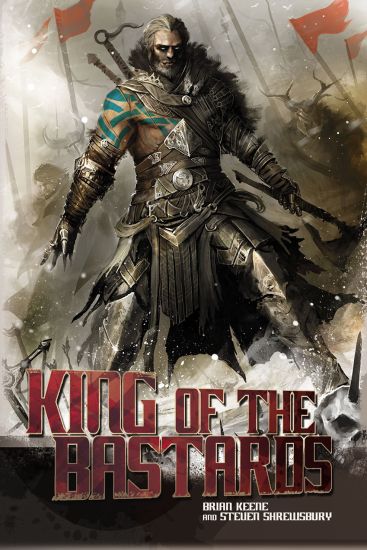
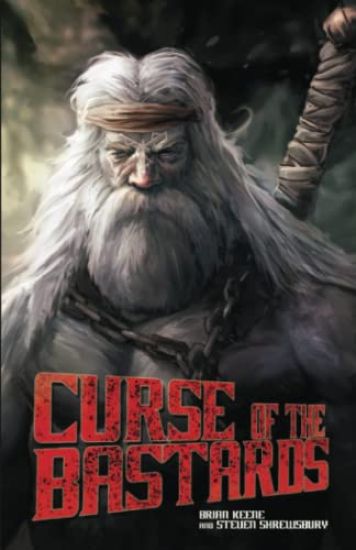
Rogan-the aging, jaded barbarian who gave up his throne-painfully realizes that his most storied childhood heroes are fading into antiquity, becoming mere ballads in the eyes of the younger warriors. And he might be next.He stops at the hometown of his idol, but little remains to show of the man's exploits ... until he meets the hero's daughter, Roan, riding her father's infamous seven-hundred-year-old horse. Roan has a vendetta against General Tolin La Gaul, who harbors a dark secret. She tries to convince Rogan to join her in riding upon the Citadel of Nosmada in the land of Nod to confront Tolin, but Rogan has no interest in such a dicey plan. That is, until his nephew, Javan, goes missing, presumed captured. Now the Citadel has become a snare, and he has no choice but to spring the trap's jaws.Rogan's path leads him into darker and more twisted schemes than even he could have imagined ... gods, devils, and an undead dragon, forcing him to confront not only his own mortality and place in history-but even his god, Wodan.Steven L. Shrewsbury and Brian Keene's award-winning Bastards Saga comes to its exciting conclusion with CURSE OF THE BASTARDS
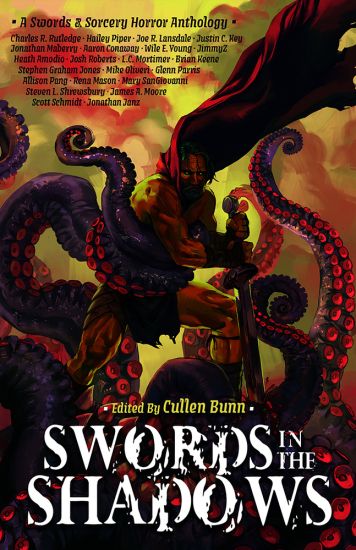
Swords in the Shadows
Mike Oliveri; L.C. Mortimer; Stephen Graham Jones; Justin C. Key; Mary SanGiovanni; Wile E. Young; Jonathan Janz; Glenn Parris; Heath Amodio; Allison Pang; Josh Roberts; Aaron Conaway; Hailey Piper; Brian Keene; Charles R. Rutledge; Steven L. Shrewsbury; JimmyZ Johnston; Scott Schmidt; James A. Moore; Joe R. Lansdale; Rena Mason; Jonathan Maberry
Outland Entertainment
2023
pokkari
It was an age of adventure. An age of sorcery. An age of unrelenting horror. Sword and sorcery and pulp horror go hand-in-hand. Sinister enchanters working foul magic. Hideous beasts lurking in shadowy dungeons. Blasphemous elder gods uncoiling from forgotten and forbidden temples.Swords in the Shadows features twenty-one stories with a bloody stake driven into the heart of both the horror and fantasy camps. Herein, you will find fantasy worlds, brave warriors, fabulous creatures, wondrous magic. But you will also uncover bloodcurdling chills, spine-tingling horror, and an examination of those things that truly terrify.
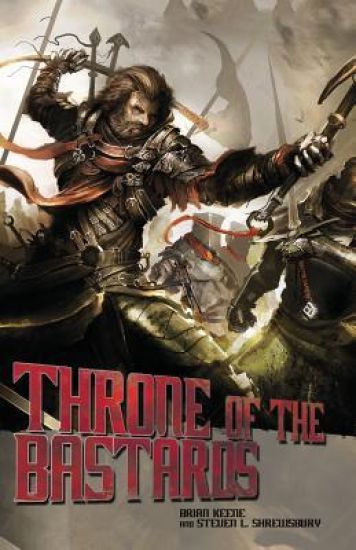
Sword and sorcery collides with horror once again in this sequel to Brian Keene and Steven L. Shrewsbury's award-winning KING OF THE BASTARDS.Learning that his family is in danger, Rogan returns to his former kingdom, now under siege from foreign invaders and supernatural forces led by his bastard son. With time running out, the aging barbarian and his trusted companions, Javan and Akibeel, must forge an alliance of new friends and old foes, mustering an army to retake the kingdom. Surrounded by savages, soldiers, demons, and dark magic, it will take all of their cunning, skill, ruthlessness, and courage to survive the slaughter and determine once and for all who shall sit upon the THRONE OF THE BASTARDS.
Professional and Practical Considerations for Landscape Design
Steven L. Cantor
Oxford University Press Inc
2020
sidottu
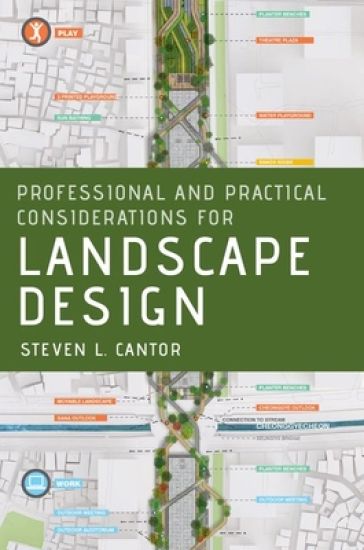
Drawing on decades of professional practice and teaching experience, Steven L. Cantor's Professional and Practical Considerations for Landscape Design explains the field of landscape architecture, outlining with authority how to turn drawings of designs into creative, purposeful, and striking landscapes and landforms in today's world. This comprehensive guide consists of everything a young professional might encounter from conception through final project archiving, ensuring readers have both the tools necessary to keep up with advancements in the field and the practical business knowledge to build life-long partnerships. Each of the book's concise chapters emphasize a specific aspect of landscape architecture practice, from the administration of designs for contracts, areas of practice, human resources, marketing, construction materials, sustainability and ethics. Each chapter is written in a style that best suits the material. Alongside detailed definitions and practical "do's and don'ts" are 30 complex sample problems ranging in difficulty for both individuals and groups. An array of original photographs and clear examples in both black and white and color articulate standards and inspire future possibilities, featuring the work of Vicky Chan, founder of Avoid Obvious Architects, and Richard Alomar, Associate Professor of Landscape Architecture at Rutgers and co-founder of New York Urban Sketchers. By combining the author's unique depth of knowledge with real-world case studies from America, Asia, and Europe, Professional and Practical Considerations for Landscape Design is an up-to-date resource for every level of reader, from students in landscape architecture programs to professionals working in public or private practice, engineering, consulting, or contracting.
Professional and Practical Considerations for Landscape Design
Steven L. Cantor
Oxford University Press Inc
2020
nidottu
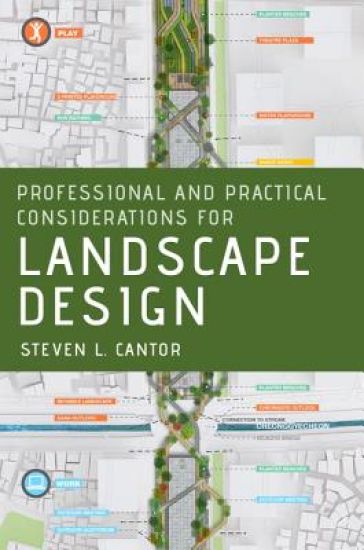
Drawing on decades of professional practice and teaching experience, Steven L. Cantor's Professional and Practical Considerations for Landscape Design explains the field of landscape architecture, outlining with authority how to turn drawings of designs into creative, purposeful, and striking landscapes and landforms in today's world. This comprehensive guide consists of everything a young professional might encounter from conception through final project archiving, ensuring readers have both the tools necessary to keep up with advancements in the field and the practical business knowledge to build life-long partnerships. Each of the book's concise chapters emphasize a specific aspect of landscape architecture practice, from the administration of designs for contracts, areas of practice, human resources, marketing, construction materials, sustainability and ethics. Each chapter is written in a style that best suits the material. Alongside detailed definitions and practical "do's and don'ts" are 30 complex sample problems ranging in difficulty for both individuals and groups. An array of original photographs and clear examples in both black and white and color articulate standards and inspire future possibilities, featuring the work of Vicky Chan, founder of Avoid Obvious Architects, and Richard Alomar, Associate Professor of Landscape Architecture at Rutgers and co-founder of New York Urban Sketchers. By combining the author's unique depth of knowledge with real-world case studies from America, Asia, and Europe, Professional and Practical Considerations for Landscape Design is an up-to-date resource for every level of reader, from students in landscape architecture programs to professionals working in public or private practice, engineering, consulting, or contracting.
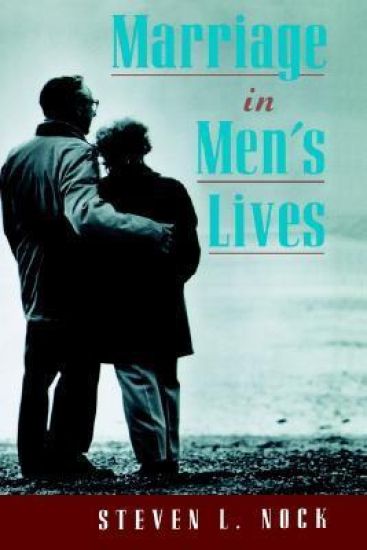
Because men and women live in worlds that are organized around gender, their marriages reflect differing realities. Marriage in Men's Lives focuses on marriage as a system of rules, customs, and expectations, and shows that marriage changes men on basic dimensions of achievement, participation in public and social life, and philanthropy because marriage reinforces such behaviours as part of adult masculinity. Using a huge database of over 6,000 interviews with men the author has studied since 1979, Nock draws some interesting and far-reaching conclusions about the nature of marriage, and predicts that marriage is definitely here to stay.
One of the most important and complex characters in the Bible, King David has been the subject of innumerable portraits, both artistic and literary. Michaelangelo's magnificent sculpture of him is perhaps the single best known work of art in the world, and the story of the humble shepherd who slew Goliath and became king has assumed a powerful mythological status. But was David a real person--and if so what kind of person was he? Through a close and critical reading of biblical texts, ancient history, and recent archeological discoveries, Steven L. McKenzie concludes that David was indeed a real person. This David, however, was no hero but a usurper, adulterer, and murderer--a Middle Eastern despot of a familiar type. McKenzie shows that the story of humble beginnings is utterly misleading: "shepherd" is a metaphor for "king," and David came from a wealthy, upper-class background. Similarly, McKenzie reveals how David's ascent to power, traditionally attributed to popularity and divine blessing, in fact resulted from a campaign of terror and assassination. While instituting a full-blown Middle Eastern monarchy, David was an aggressive leader, a devious politician, and a ruthless war chief. Throughout his scandalous reign, important figures who stood in his way died at convenient times, under questionable circumstances. Even his own sons were not spared. David's story, writes McKenzie, "reads like a modern soap opera, with plenty of sex, violence, and struggles for power." Carefully researched and vividly written, King David: An Unauthorized Biography offers a provocative reappraisal of the life of one of the Bible's most compelling figures.
Through a close and critical reading of biblical texts, ancient history, and recent archeological discoveries, Steven L. McKenzie concludes that David was indeed a real person. This David was not the humble shepherd who slew Goliath and became king, however, but was a usurper, adulterer, and murderer--a Middle Eastern despot of a familiar type. McKenzie shows that the story of humble beginnings is utterly misleading: "shepherd" is a metaphor for "king," and David came from a wealthy, upper-class background. Similarly, McKenzie reveals how David's ascent to power, traditionally attributed to popularity and divine blessing, in fact resulted from a campaign of terror and assassination. While instituting a full-blown Middle Eastern monarchy, David was an aggressive leader, a devious politician, and a ruthless war chief. Throughout his scandalous reign, important figures who stood in his way died at convenient times, under questionable circumstances. Even his own sons were not spared. David's story, writes McKenzie, "reads like a modern soap opera, with plenty of sex, violence, and struggles for power."
More people read the Bible than any other book. Indeed, many try to live their lives according to its words. The question is, do they understand what they're reading? As Steven McKenzie shows in this provocative book, quite often the answer is, "No." McKenzie argues that to comprehend the Bible we must grasp the intentions of the biblical authors themselves--what sort of texts they thought they were writing and how they would have been understood by their intended audience. In short, we must recognize the genres to which these texts belong. McKenzie examines several genres that are typically misunderstood, offering careful readings of specific texts to show how the confusion arises, and how knowing the genre produces a correct reading. The book of Jonah, for example, offers many clues that it is meant as a humorous satire, not a straight-faced historical account of a man who was swallowed by a fish. Likewise, McKenzie explains that the very names "Adam" and "Eve" tell us that these are not historical characters, but figures who symbolize human origins ("Adam" means man, "Eve" is related to the word for life). Similarly, the authors of apocalyptic texts--including the Book of Revelation--were writing allegories of events that were happening in their own time. Not for a moment could they imagine that centuries afterwards, readers would be poring over their works for clues to the date of the Second Coming of Christ, or when and how the world would end. For anyone who takes reading the Bible seriously and who wants to get it right, this book will be both heartening and enlightening.
More people read the Bible than any other book and, as Steven McKenzie shows in this provocative volume, most of us misread it. McKenzie argues that to comprehend the Bible we must grasp the intentions of the biblical authors themselves--what sort of texts they thought they were writing and how they would have been understood by their contemporaries. McKenzie examines several genres that are typically misunderstood, offering careful readings of specific texts to show how the confusion arises, and how knowing the genre produces a correct reading. The book of Jonah, for example, offers many clues that it is meant as a humorous satire, not a straight-faced historical account of a man who was swallowed by a fish. Likewise, the very names "Adam" (man) and "Eve" (life) tell us that these are not historical characters, but figures who symbolize human origins. For anyone who takes reading the Bible seriously and who wants to get it right, this book will be enlightening.
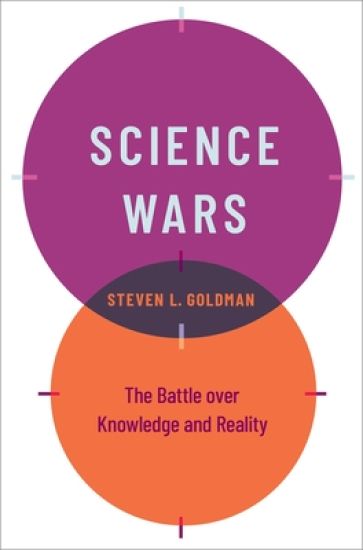
There is ample evidence that it is difficult for the general public to understand and internalize scientific facts. Disputes over such facts are often amplified amid political controversies. As we've seen with climate change and even COVID-19, politicians rely on the perceptions of their constituents when making decisions that impact public policy. So, how do we make sure that what the public understands is accurate? In this book, Steven L. Goldman traces the public's suspicion of scientific knowledge claims to a broad misunderstanding, reinforced by scientists themselves, of what it is that scientists know, how they know it, and how to act on the basis of it. In sixteen chapters, Goldman takes readers through the history of scientific knowledge from Plato and Aristotle, through the birth of modern science and its maturation, into a powerful force for social change to the present day. He explains how scientists have wrestled with their own understanding of what it is that they know, that theories evolve, and why the public misunderstands the reliability of scientific knowledge claims. With many examples drawn from the history of philosophy and science, the chapters illustrate an ongoing debate over how we know what we say we know and the relationship between knowledge and reality. Goldman covers a rich selection of ideas from the founders of modern science and John Locke's response to Newton's theories to Thomas Kuhn's re-interpretation of scientific knowledge and the Science Wars that followed it. Goldman relates these historical disputes to current issues, underlining the important role scientists play in explaining their own research to nonscientists and the effort nonscientists must make to incorporate science into public policies. A narrative exploration of scientific knowledge, Science Wars engages with the arguments of both sides by providing thoughtful scientific, philosophical, and historical discussions on every page.

Introduction to Global Politics
Steven L. Lamy; John S. Masker; John Baylis
Oxford Univ Pr
2020
sidottu
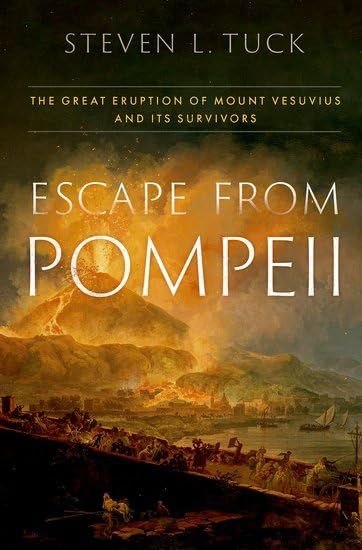
A story of triumph out of tragedy, uncovered in the ashes of Vesuvius The archaeological park of Pompeii is one of the most famous sites of destruction anywhere in the world. From the time of the eruption of Vesuvius in 79 CE until the eighteenth century, Pompeii and its neighbor Herculaneum lay preserved under a thick layer of volcanic material. Since excavations began three hundred years ago, Pompeii has been revealing the secrets of its victims and the ordinary shape of their lives prior to the catastrophe. But did anyone survive the disaster? In popular culture, the eruption is viewed as an apocalyptic event in which everyone died, while scholars generally assume that some escaped. Steven L. Tuck settles that debate. He starts by establishing the circumstances and timeline of the eruption and the evidence that people at both Pompeii and Herculaneum had the chance to escape the eruption. From there, he moves to the search for survivors. Using evidence from inscriptions supported by archaeological, documentary, and literary sources, Tuck finds survivors in twelve different communities and uncovers details on how they rebuilt their lives, livelihoods, and identities after fleeing the volcano. While some survivors integrated quickly into their new communities and used their new city's name in the personal names of their first generation, others preserved cultural markers from their destroyed communities through language, religious dedications, and renewed businesses. Many of the families that escaped intermarried with other refugee families, but also ran for public office in their new cities, made generous donations to their communities, and integrated while maintaining their former identity. Some refugee families came to the aid of the less fortunate by taking in poor and orphaned survivors, while others married beneath their previous station. The Roman government responded to the needs of the refugee communities with new housing, infrastructure, and services, but, as Tuck demonstrates, the real work was done by the refugees themselves. By asking new questions about Pompeii and innovatively examining the evidence, Escape from Pompeii proves the survival of Pompeians and Herculaneans after the eruption. It sheds new insight into their lives, pre- and post-eruption, and provides new conclusions about the Roman world and its response to unimaginable suffering.