Kirjojen hintavertailu. Mukana 12 093 403 kirjaa ja 12 kauppaa.

Kirjahaku

Etsi kirjoja tekijän nimen, kirjan nimen tai ISBN:n perusteella.

589 tulosta hakusanalla Sverre Bagge

State Formation in Europe, 843–1789
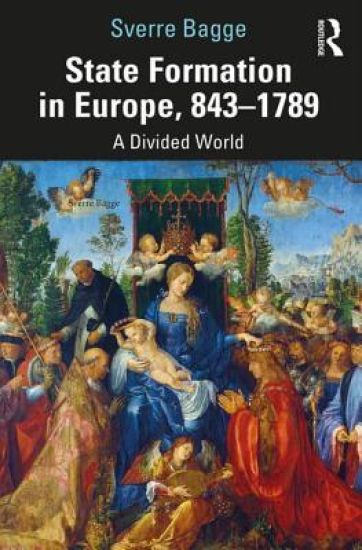
State Formation in Europe, 843–1789 follows the formation and development of the European state from the division of the Carolingian Empire to the French Revolution. The book’s primary focus is on Europe’s patterns of internal and external development in comparison to political organization in other parts of the world. By analysing Europe as a single unit, rather than dividing it into nation states, it reveals the broader historical connections within the Continent. Bagge takes the reader through a discussion of how kingdoms evolved into states, introducing the influence of the Church and the town on these state structures. The relationship between state, Church and town is traced to explain how these different power struggles played out and why the territorial state became the dominate form of organization. Finally, the book clarifies why Europe developed in this way and the global consequences of this development. By observing Europe through the perspective of the rest of the world, readers gain insight into trends common to the whole Continent while crossing the traditional border between the Middle Ages and early modern period. This book is essential reading for students studying medieval and early modern political history, state formation and Europe in a global context.
State Formation in Europe, 843–1789
State Formation in Europe, 843–1789 follows the formation and development of the European state from the division of the Carolingian Empire to the French Revolution. The book’s primary focus is on Europe’s patterns of internal and external development in comparison to political organization in other parts of the world. By analysing Europe as a single unit, rather than dividing it into nation states, it reveals the broader historical connections within the Continent. Bagge takes the reader through a discussion of how kingdoms evolved into states, introducing the influence of the Church and the town on these state structures. The relationship between state, Church and town is traced to explain how these different power struggles played out and why the territorial state became the dominate form of organization. Finally, the book clarifies why Europe developed in this way and the global consequences of this development. By observing Europe through the perspective of the rest of the world, readers gain insight into trends common to the whole Continent while crossing the traditional border between the Middle Ages and early modern period. This book is essential reading for students studying medieval and early modern political history, state formation and Europe in a global context.
Cross and Scepter

Cross and Scepter

Sverre Bagge

Princeton University Press
2014
sidottu
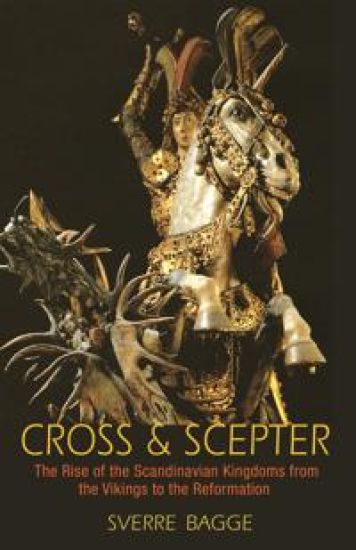
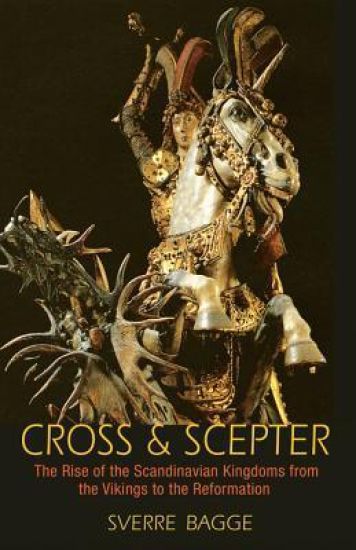
Christianity and European-style monarchy--the cross and the scepter--were introduced to Scandinavia in the tenth century, a development that was to have profound implications for all of Europe. Cross and Scepter is a concise history of the Scandinavian kingdoms from the age of the Vikings to the Reformation, written by Scandinavia's leading medieval historian. Sverre Bagge shows how the rise of the three kingdoms not only changed the face of Scandinavia, but also helped make the territorial state the standard political unit in Western Europe. He describes Scandinavia's momentous conversion to Christianity and the creation of church and monarchy there, and traces how these events transformed Scandinavian law and justice, military and administrative organization, social structure, political culture, and the division of power among the king, aristocracy, and common people. Bagge sheds important new light on the reception of Christianity and European learning in Scandinavia, and on Scandinavian history writing, philosophy, political thought, and courtly culture. He looks at the reception of European impulses and their adaptation to Scandinavian conditions, and examines the relationship of the three kingdoms to each other and the rest of Europe, paying special attention to the inter-Scandinavian unions and their consequences for the concept of government and the division of power. Cross and Scepter provides an essential introduction to Scandinavian medieval history for scholars and general readers alike, offering vital new insights into state formation and cultural change in Europe.
Cross and Scepter

Cross and Scepter

Sverre Bagge

Princeton University Press
2016
pokkari
Christianity and European-style monarchy--the cross and the scepter--were introduced to Scandinavia in the tenth century, a development that was to have profound implications for all of Europe. Cross and Scepter is a concise history of the Scandinavian kingdoms from the age of the Vikings to the Reformation, written by Scandinavia's leading medieval historian. Sverre Bagge shows how the rise of the three kingdoms not only changed the face of Scandinavia, but also helped make the territorial state the standard political unit in Western Europe. He describes Scandinavia's momentous conversion to Christianity and the creation of church and monarchy there, and traces how these events transformed Scandinavian law and justice, military and administrative organization, social structure, political culture, and the division of power among the king, aristocracy, and common people. Bagge sheds important new light on the reception of Christianity and European learning in Scandinavia, and on Scandinavian history writing, philosophy, political thought, and courtly culture. He looks at the reception of European impulses and their adaptation to Scandinavian conditions, and examines the relationship of the three kingdoms to each other and the rest of Europe, paying special attention to the inter-Scandinavian unions and their consequences for the concept of government and the division of power. Cross and Scepter provides an essential introduction to Scandinavian medieval history for scholars and general readers alike, offering vital new insights into state formation and cultural change in Europe.
En kort introduksjon til Snorre Sturlason : historiker og dikter
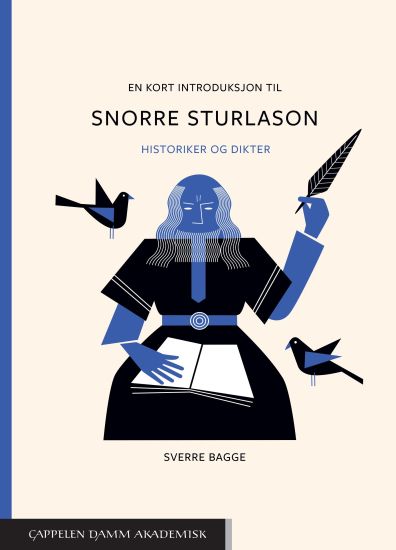
Snorre Sturlason (1179-1241) var en islandsk høvding, forfatter og skald. Han er mest kjent som forfatter av Heimskringla (Snorres kongesagaer), et av Norges viktigste bokverk. Sverre Bagge gir i denne boken en levende innføring i Snorres forfatterskap og virkningshistorie. Forfatteren diskuterer Snorres stil og forholdet mellom den norrøne sagastilen og samtidig europeisk historieskriving. Han presenterer også Snorres liv og samtid, og drøfter hvordan ettertiden har brukt og fortolket hans livsverk, helt opp til vår tid. Endelig blir forholdet mellom historie og diktning diskutert. En kort introduksjon til Snorre Sturlason er en fascinerende beretning om en dikter, historiker og politiker som iakttok og dokumenterte det politiske og sosiale spillet i samtiden, både på Island og i Norge.
Europa tar form: år 300 til 1350

Europa tar form: år 300 til 1350

Sverre Bagge

Cappelen Damm akademisk
2020
nidottu
Europa tar form tar for seg middelalderens Europa, fra år 300 til 1350. Boken har i en årrekke vært selve standardverket innenfor europeisk middelalderhistorie på norske universiteter og høyskoler. Den kommer nå i en revidert utgave som inkluderer den aller nyeste forskningen på feltet.Fremstillingen starter på 300-tallet og viser hvordan det vestromerske imperium først ble avløst av den østlige og vestlige kristenheten, og deretter også den islamske kulturen fra 600-tallet av. En sentral utviklingslinje i boken er hvordan det kristne Vest-Europa utviklet seg fra å være et tilbakeliggende område, til å bli en stadig mer dominerende maktfaktor mot slutten av perioden. I løpet av høymiddelalderen framstod særlig kirken, staten og byene som de grunnleggende samfunnsinstitusjonene som bidro til å styrke den vestlige makten. Gjennom å risse opp de lange linjene i samfunnsutviklingen, viser forfatteren hvordan befolkningsvekst, økonomiske endringer, politiske konflikter, religiøse stridigheter og kulturelle motsetninger bidro til å forme det tidlige Europa.Boken er skrevet for studenter i historie, men passer også godt for alle historieinteresserte som ønsker mer kunnskap om europeisk middelalder.
Europa 1350-1789

Europa 1350-1789

Sverre Bagge

Cappelen Damm akademisk
2024
nidottu
Europa 1350–1789 dekker vel 400 år av europeisk historie, fra svartedauden til den franske revolusjon. Boken er en fortsettelse av forfatterens standardverk om europeisk middelalder, Europa tar form, og er i første rekke beregnet på historiestudenter. Men den vil også ha stor interesse for andre historieinteresserte.Tiden 1350–1500 betraktes ofte som en nedgangstid. Dette skyldes særlig pesten som kom til Europa i 1348 og siden hadde utbrudd med 20–30 års mellomrom frem til begynnelsen av 1700-tallet. I denne boken nyanseres dette synet betraktelig. Forfatteren viser hvordan perioden ga grobunn for en rekke nye utviklingstrekk som kom til full utfoldelse omkring 1500: ny skipsteknologi, oppdagelsene av «den nye verden», ny våpenteknologi, boktrykkerkunsten og reformasjonen.Disse endringene fikk store konsekvenser for statsutvikling og politikk i århundrene som fulgte, der man blant annet opplevde vekst i både byråkrati og økonomi, og større evne til å føre krig. Forfatteren viser også hvordan statssystemene ble stadig sterkere og mer komplekse utover på 1600- og 1700-tallet.I sum gir boken et velskrevet og innsiktsfullt bilde av Europa i overgangen fra middelalder til opplysningstid og tilbyr historiestudenter og andre historieinteresserte nødvendige grunnkunnskaper om perioden.
From Viking Stronghold to Christian Kingdom

From Viking Stronghold to Christian Kingdom

Sverre Bagge

Museum Tusculanum Press
2010
sidottu
In this seminal work, Sverre Bagge provides a detailed account of Norwegian state formation in the period from c. 900 to 1350, widening his perspective to include a discussion of the emergence of the medieval state and state formation in the Middle Ages in general. The primary objective is to examine Norway as a case that may serve to illuminate some general problems of European state formation in the period, problems related both to the formation of the European system of independent kingdoms within a common cultural framework and to the inner development of these kingdoms. The volume furthermore examines the changes that took place in the military, social-economical, ideological, legal and administrative fields between the first formation of the kingdom and the early fourteenth century which, according to common opinion, represents a peak in the development of a Norwegian state. The volume constitutes a vivid and compelling feat, offering a fresh and innovative approach to an important chapter in the history of Norway, while also casting new light on developments in the larger context of European history.
Kings, Politics, and the Right Order of the World in German Historiography c. 950-1150
This volume discusses German historiography from the c. 950 to 1150 through a close examination of six works. In contrast to most earlier scholarship, it focuses on the narrative as an expression of the authors' way of finding meaning in the sequence of events, and as evidence for their understanding of society, politics, and human behaviour. In particular, it is shown that changing attitudes to society are reflected in the different ways the narrative is organized and individuals and their actions are represented. While the earlier works depict a society based on face-to-face relationships, the idea of an organised community, governed by the king as God's representative, becomes increasingly prominent in the later ones. Finally, the results of the analysis are discussed against the background of more general trends in medieval political and intellectual history.
Sverre Fehn and the City: Rethinking Architecture’s Urban Premises
The urban attentions of Pritzker Laureate Sverre Fehn (1924–2009) are extensive, but as yet virtually unexplored. This book examines ten select projects to illuminate Fehn’s approach to the city, the embodiment of that thinking in his designs, and the broader lessons those efforts offer for better understanding the relationship between architecture and urban life, with unignorable implications for emergent urban architecture and its address of sociological and ecological crises. Wary of large-scale planning proposals or the erasure of existing urban patterns, Fehn offered an uncommon and profoundly vibrant approach to urbanism at the scale of the single architectural project. His writings, constructed buildings, competition entries, and lectures suggest opportunities for reinvigorating architecture’s engagement with the city, and provoke a rethinking of concepts foundational to its theorization. What is the nature of urbanity? What is the relationship of urbanity to the natural world? What is the role of architecture in the provision and sustenance of urban life? While exploring this territory will expand our knowledge of an architect central to key developments of late modernism, the range of the book and the arguments developed therein delineate far broader aims: a fuller understanding of architecture’s urban promise.
Sverre Fehn and the City: Rethinking Architecture’s Urban Premises
The urban attentions of Pritzker Laureate Sverre Fehn (1924–2009) are extensive, but as yet virtually unexplored. This book examines ten select projects to illuminate Fehn’s approach to the city, the embodiment of that thinking in his designs, and the broader lessons those efforts offer for better understanding the relationship between architecture and urban life, with unignorable implications for emergent urban architecture and its address of sociological and ecological crises. Wary of large-scale planning proposals or the erasure of existing urban patterns, Fehn offered an uncommon and profoundly vibrant approach to urbanism at the scale of the single architectural project. His writings, constructed buildings, competition entries, and lectures suggest opportunities for reinvigorating architecture’s engagement with the city, and provoke a rethinking of concepts foundational to its theorization. What is the nature of urbanity? What is the relationship of urbanity to the natural world? What is the role of architecture in the provision and sustenance of urban life? While exploring this territory will expand our knowledge of an architect central to key developments of late modernism, the range of the book and the arguments developed therein delineate far broader aims: a fuller understanding of architecture’s urban promise.
Sverre Fehn: Nordic Pavilion, Venice
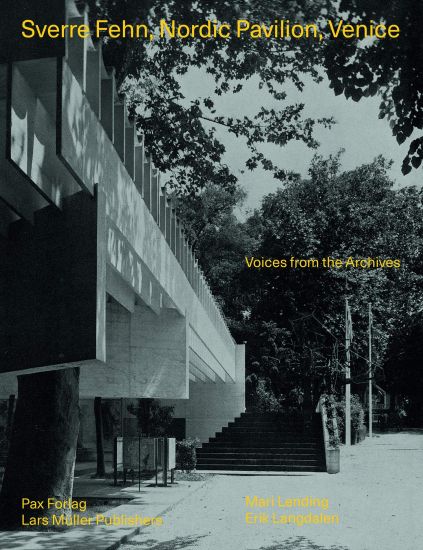
A gem of midcentury architecture examined with previously unpublished archival material Sverre Fehn's Nordic Pavilion in Venice is a masterpiece of postwar architecture. The young Norwegian architect won the competition in 1958; the building was inaugurated in 1962. In minute detail, this book presents the history of the origins and making of the Nordic pavilion, covering everything from the geopolitical context in an increasingly tense cold-war atmosphere to the aggregates in the concrete of the audacious roof construction. Sverre Fehn, Nordic Pavilion, Venice also documents the vast cast involved in the making of the Nordic Pavilion, from kings, prime ministers, bureaucrats, ambassadors, museum directors, architects and a myriad of artists' associations to Venetian dignitaries, engineers, gardeners, lawyers and plumbers. Richly illustrated with previously unpublished images, the archival evidence also sheds new light on one of the great Nordic architects of the recent past.
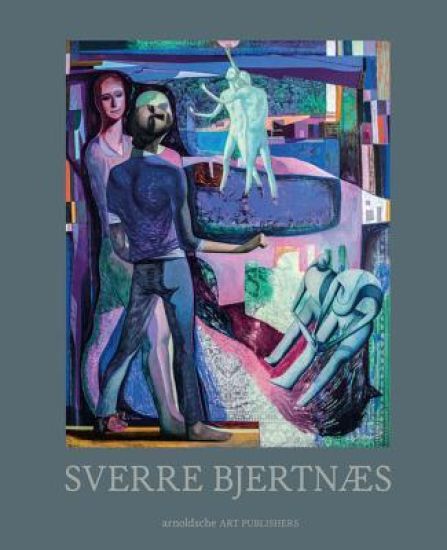
Sverre Bjertnaes
Sverre Bjertnaes was higly influenced by realistic painter Odd Nerdrum, although he now merges figurative and abstract painting. Mid-career overview of the work of one of the leading contemporary Norwegian artists today. The development of the artist is presented across 14 chapters comprising work and exhibition views. Sverre Bjertnaes is considered one of the leading contemporary Norwegian artists today. He himself often refers to his body of works as a fragmented 'stream of images' collected from art history, vernacular culture and his own life. This authoritative monograph on the artist features his oeuvre from the 1990s to the present day, with more than 200 illustrations. The book presents the full range of Bjertnaes's works, covering painting and drawing as well as sculpture and the tableaux installations he has developed in later years. Bjertnas embraces the conceptual approaches of photorealism as well as merging figurative and abstract painting, and experimenting with the use of new media.
Sverre Bjertnaes
Sverre Bjertnaes was higly influenced by realistic painter Odd Nerdrum, although he now merges figurative and abstract painting. Mid-career overview of the work of one of the leading contemporary Norwegian artists today. The development of the artist is covered over 14 chapters, comprising work and exhibition views. Sverre Bjertnaes is considered one of the leading contemporary Norwegian artists today. He himself often refers to his body of works as a fragmented 'stream of images' collected from art history, vernacular culture and his own life. This authoritative monograph on the artist features his oeuvre from the 1990s to the present day, with more than 200 illustrations. The book presents the full range of Bjertnaes's works, covering painting and drawing as well as sculpture and the tableaux installations he has developed in later years. Bjertnas embraces the conceptual approaches of photorealism as well as merging figurative and abstract painting, and experimenting with the use of new media. Text in Norwegian
Sverre Pedersen

Sverre Pedersen

Helga Stave Tvinnereim

Kolofon
2015
sidottu
Arkitekt, Professor Sverre Pedersen (1882-1971) har laga meir enn hundre planar for norske byar og tettstader. I tidleg mellomkrigstid blei han internasjonalt anerkjend for sitt byplanarbeid og fekk mange utmerkingar og sentrale tillitsverv i internasjonale organisasjonar. Som professor i Bygningskunst I ved NTH i åra 1920-1954 kom han til å prege ein generasjon arkitektar og byplanleggjarar som var hans studentar. Med sin autoritet og faglege gjennomslagskraft fekk Sverre Pedersen også motstandarar. Dette fekk han særleg merke under og etter den andre verdskrigen då hans eigen fagorganisasjon NAL gjennom ei utanomrettsleg sak straffa han for det dei meinte var unasjonale holdningar han hadde vist i arbeidet som leiar av gjenreisingsorganisasjonen Brente Steders Regulering. Denne boka viser at desse skuldingane var grunn-lause. Aksjonen mot Sverre Pedersen er eit eksempel på kor urimeleg somme kunne bli behandla etter krigen.
Sverre i begravelse

Sverre i begravelse

Anne Grete Listrøm

IKO-Forlaget
2009
sidottu
I denne boka følger vi Sverre i forberedelsene til oldemors begravelse. Han har mange vanskelig spørsmål, og da er mammas armkrok og bestefars fang godt å ha. Hva skjer med et menneske når det dør? Hva skjer når man legges i jorda? En bok som tar opp døden samtidig som den gir rom for undring. Boka finnes også i nynorsk utgave.
Sverre i gravferd

Sverre i gravferd

Anne Grete Listrøm

IKO-Forlaget
2009
sidottu
I denne boka følgjer vi Sverre i førebuingane til oldemors gravferd. Han har mange vanskelig spørsmål. Då er armkroken til mamma og fanget til bestefar godt å ha. Kva skjer med eit menneskje når det døyr? Kva skjer når ein blir lagt i jorda? Ei bok som tek opp spørsmåla om døden og samstundes gjev rom for undring. Boka fins også på bokmål.
Sverre Malling, Louis Moe

Sverre Malling, Louis Moe

No Comprendo Press
2013
nidottu
«For en del år siden kom jeg tilfeldig over en litt slitt radering i en brukthandel i Oslo. Motivet hadde en bisarr, eiendommelig underliggende tone som man gjerne finner hos blytunge, dekadente symbolister. Og jeg ble overrasket da jeg forsto at det var en nordmann som har laget dette verket. Han heter Louis Moe og er fortsatt en godt bevart hemmelighet. Nesten forbigått. Denne fantastiske kunstneren har dessverre endt opp som et blindpunkt i norsk kunsthistorie ettersom han tilbrakte mesteparten av sitt liv i Danmark. I dag er Moe mest kjent for søte barnebøker og eventyrillustrasjoner, men han har definitivt en adskillig mørkere side som vi vil ta tak i med denne boken. Det er en dissonans der som lader kunstnerskapet. Vi ser en hang til både det sukkersøte og det groteske. Slapstickhumor og melankoli om hverandre. Kanskje vi snakker om to sider av samme sak? Det er akkurat som om Moe ville la motstridende prinsipper stilles ansikt til ansikt. At vi nettopp skal dvele ved kontrasterende ytterpunkter i vår forestillingsverden. Slik at kampen mellom dem aldri blir helt endelig og avgjort.» Sverre Malling: Sverre Malling (f. 1977) regnes som en av landets mest markante tegnere og har gitt tegning ny aktualitet i norsk samtidskunst. Man kan se et slekstkap med Louis Moe (1857-1945) i at Malling nærmer seg undergangstematikk med sin egen generasjons ikonografi og kulturelle referanser. Dette blir et møte mellom to kunstnere som spenner over drøyt hundre år og flere kunstnergenerasjoner. Boken inneholder en rekke bilder av Louis Moe og Sverre Malling, en samtale mellom Malling og kurator Line Ruud Ørslien og en artikkel om Louis Moe av Trine Otte Bak Nielsen.