Iho on ihmisen suurin elin, ja se kuvastaa yksilön hyvinvointia. Ihoa, kuten koko ihmistä, pitää hoitaa ja huoltaa, jotta se säilyy terveenä ja kauniina koko elämän.Tässä kirjassa käydään läpi ihonhoidon perusasiat päänahasta jalkapohjiin. Siinä käsitellään ihon ongelmia ja niiden ratkaisuja allergioista selluliittiin. Kirja opastaa myös kosmetiikkapaljouden viidakossa - mihin tarpeeseen mikäkin tuote on tarkoitettu ja milloin tuotteesta voi todella olla apua. Kirjoittajan asenne on järkevä - ihan kaikkia pulloja ja puteleita ei tarvitse ostaa vaan pienemmälläkin määrällä tuotteita pärjää mainiosti. Lisäksi opas käsittelee ravinnon, liikunnan ja terveellisten elämäntapojen merkitystä hyvinvoinnille. Opas on suunniteltu sekä tytöille ja pojille.
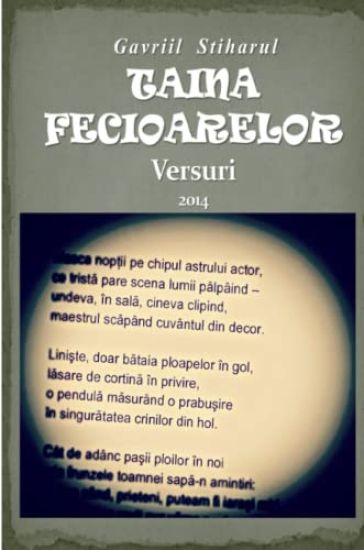
Volumul de faţă adună poeme scrise n perioada 2012-2014, stihuri care au fost risipite n varii publicaţii, precum şi n mediul online. De regulă, versurile respectă prozodia clasică, deşi nu acest lucru l-am avut prioritar n vedere. Preocuparea mea majoră a fost aceea de a transmite nedistorsionat mesajul de fond, căut nd să aduc n faţa ochilor cititorului imagini poetice izvor te din abisul unei realităţi interioare mult mai sensibile, mai nobile şi mai demne dec t realitatea cotidiană at t de prozaică şi coruptă.
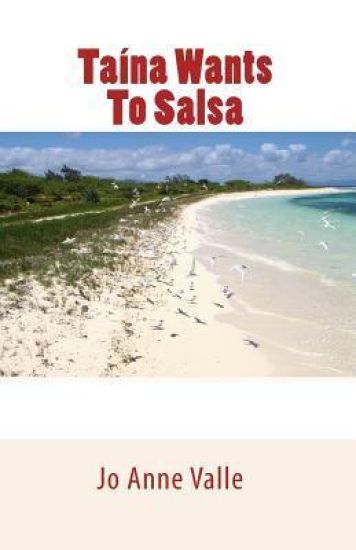
Ta na Wants To Salsa is a story about young girl, Ta na. There are many changes happening in Ta na's life. She is having problems with her parents, her friends, and in school. She desperately needs help. She is very confused and has many unanswered questions. She does not know what to do. If she is having problems with her family and friends, who can help? How can she solve her many problems? Jo Anne Valle is a writer and educator. Her writing includes young adult literature, children literature, and philosophy. She has a BA and MA in philosophy. Her picture book "Sweet Dreams" was given 41/2 stars by John L. Hoh, Jr. He writes that Jo Anne Valle "appears to be a very talented lady...The author does a commendable job explaining the Spanish terms used in the book as well as the terms carried over from the indigenous Ta nos who originally inhabited Boriken. At the back of the book is a page that defines these terms used throughout. This page also has a pronunciation guide. Overall this was a wonderful pictorial on the Puerto Rican island as well as a brief pre-Hispanic history of the island."
Ihana kokoelma Lindgrenin lämminhenkisiä satuja. Taina Tomera sisältää kymmenen Astrid Lindgrenin klassista kertomusta täynnä suuria tunteita, kepeää huumoria ja kauniita hetkiä. Nyt tyylikkäässä Lindgren-klassikkosarjassa ensimmäistä kertaa suomeksi omana kirjanaan . Taina Tomera -kokoelmassa tavataan joukko lapsia, tavallisia ja erikoisia, iloisia ja surullisia - lähes kaikki rohkeita ja uhmakkaita, vikkeliä, nokkelia ja pilke silmäkulmassaan. Mukana ovat muun muassa Taina Tomera, joka auttaa isoäitiään jouluvalmisteluissa ja myy torilla karkkeja, sekä Jokitorpan Kalle, koko tienoon ainoa joka uskaltaa lähestyä karannutta sonnia. Alun perin Smoolannin sankari -antologiassa 1983 suomeksi nimellä Kaisa Kullanmuru ilmestyneen Taina Tomeran on kuvittanut Peppi-kuvituksista tuttu Ingrid Vang Nyman. Astrid Lindgren (1907-2002) on yksi maailman rakastetuimmista lastenkirjailijoista. Hänet tunnetaan mm. Vaahteramäen Eemelin, Peppi Pitkätossun ja Katto-Kassisen äitinä. Tanskalainen Ingrid Vang Nyman (1916-1959) kuvitti useita Lindgrenin teoksia 1940- ja 50-luvuilla.
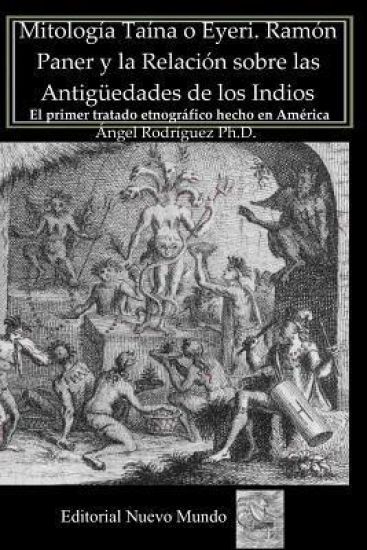
...3a edici n revisada y aumentada en el a o 2020 de la Relaci n en formato 6.00 X 9.00 pulgadas, 547 p ginas. Sobre 100 ilustraciones de poca y 500 notas explicativas al final del texto. Fue escrita por el fraile catal n de la Orden de San Jer nimo, Ramon Pan . Es considerado como el primer documento etnogr fico recopilado en el Nuevo Mundo. Pan lleg a la isla Espa ola en 1494 con Crist bal Col n en su segundo viaje y el Almirante le encomend la tarea de recopilar las creencias y costumbres de los ind genas del lugar. La Relaci n fue completada y traida de vuelta a la Pen nsula en 1498.----Se desconoce el nombre con el cual se identificaban los "ta nos" o indios de Puerto Rico ellos mismos. Este vocablo proviene de la carta dirigida por el Dr. Diego lvarez Chanca al Cabildo de Sevilla (1493) sobre el segundo viaje Colombino al llegar y desembarcar en las playas de la isla de Guadalupe. Los espa oles para ganar la confianza de los indigenas que caminaban sobre la arena se dirigieron a ellos utilizando la palabra "ta no". Vocablo arahuaco insular que los espa oles aprendieron de los ind genas llevados a Espa a al regreso del primer viaje Colombino de la isla de Guanahani en las actuales Bahamas. Vocablo que significa somos pac ficos o venimos en paz. Seguramente los nativos que caminaban por la playa no entendieron nada debido a que eran Caribes. El primero en llamar a los indios de Puerto Rico "ta nos" fue Constantine Rafinesque (1836:215) en su obra titulada: The American Nations para diferenciar este grupo de los caribes antillanos------.Es importante aclarar que antes de que la isla de Guadalupe fuera poblada por indios Caribes, fue poblada por lo que hoy en d a llamamos "ta nos". Una antigua historia de los Caribes de la Guadalupe cuenta que los habitantes que encontraron al llegar se llamaban ellos mismo "Eyeri". Nunca ning n religioso o conquistador espa ol mencion como los indios de Puerto Rico se llamaban ellos mismos. Pero es altamente probable que mantuvieran el etn nimo de sus antepasados de la Guadalupe antes de la llegada de los Caribes. Para hacer justicia a la identidad cultural de los indios de Puerto Rico y grupos afines en otras reas antillanas, utilizamos en nuestra obra sobre su mitolog a el t rmino Eyeri en lugar de Ta no. --------Esta edici n es la primera que contiene un facs mil del manuscrito original escrito en italiano del siglo XVI, y el texto de la cr nica en castellano, ingl s e italiano, junto con extensas notas en espa ol, fotos, y dibujos de varias fuentes hist ricas. Es la base fundamental para los estudios indigenistas. Incluye: Pr logo a la edici n sobre el verdadero nombre de los erroneamente llamados indios ta nos La Relaci n de Fray Ram n Pan sobre las costumbres de los indios de la isla Espa ola fue escrita en catal n? por Francesc Albardaner Llorens- ESCRITURA DE FRAY ROMAN (PANE) DEL ORDEN DE SAN GERONIMO. De la antig edad de los indios, la cual, como sujeto que sabe su lengua, recogi con diligencia, de orden del Almirante--EPITEMO DE LA CRONICA DE FR. RAMON PANE INCLUIDA POR PEDRO MARTIR DE ANGLERIA EN SU DE REBUS OCEANICIS ET NOVO ORBE. D cada I, Libro IX--Francisco L pez de Gomara. Historia General de las Indias. Cap tulo XXVII .Francisco L pez de Gomara. Historia General de las Indias. Capitulo XXVIII. Costumbres-- Columbus, Ramon Pane and the Beginnings of American Anthropology. TREATSIDE OF FRIAR RAMON ON THE ANTIQUITIES OF THE INDIANS WHICH HE AS ONE WHO KNOWS THEIR LANGUAGE DILIGENTLY COLLECTED BY COMMAND OF THE ADMIRAL by Ramon Pane. Translated into english language by Edward Gaylord Bourne--.Gonzalo Fern ndez de Oviedo, Historia General y Natural de las Indias. Tomo I, Libro V, Cap tulo I.Que tracta de las im genes del diablo que ten an los indios, e de sus idolatr as, de los areitos e bailes cantandos. __Copiar y pegar el enlace para ver nuestros t tulos: https: //ediitorialnuevomundo.bl
TRAGEDIA DE TA NA Y ARIMAO es una bella y pret rita historia de amor aborigen, sobre aqu llos que fueron los primeros en ser silenciados, exang es en la historia. Que nadie sabe si fue mentira o fue verdad, convertida en leyenda por la voluntad literaria del escritor Eloy Enrique Vald s quien le concede un nico privilegio a sus personajes: existir, a pesar del esfuerzo colonizador en arrasarlos. Y los esfuerzos se unieron para sacar a la luz p blica este single literario y que fuera le do, y quiz s alguno m s supiera algo de nosotros, de nuestras palabras cubanas vertidas en la playa de Barcino, en el Mediterr neo, amontonadas en su arena... Mane Ferret
We live in a world in which Google's search algorithms determine how we access information, Facebook's News Feed algorithms shape how we socialize, and Netflix collaborative filtering algorithms choose the media products we consume. As such, we live algorithmic lives. Life, however, is not blindly controlled or determined by algorithms. Nor are we simply victims of an ever-expanding artificial intelligence. Rather than looking at how technologies shape or are shaped by political institutions, this book is concerned with the ways in which informational infrastructure may be considered political in its capacity to shape social and cultural life. It looks specifically at the conditions of algorithmic life -- how algorithms work, both materially and discursively, to create the conditions for sociality and connectivity. The book argues that the most important aspect of algorithms is not what they are in terms of their specific technical details but rather how they become part of social practices and how different people enlist them as powerful brokers of information, communication and society. If we truly want to engage with the promises of automation and predictive analytics entailed by the promises of "big data", we also need to understand the contours of algorithmic life that condition such practices. Setting out to explore both the specific uses of algorithms and the cultural forms they generate, this book offers a novel understanding of the power and politics of algorithmic life as grounded in case studies that explore the material-discursive dimensions of software.
We live in a world in which Google's search algorithms determine how we access information, Facebook's News Feed algorithms shape how we socialize, and Netflix collaborative filtering algorithms choose the media products we consume. As such, we live algorithmic lives. Life, however, is not blindly controlled or determined by algorithms. Nor are we simply victims of an ever-expanding artificial intelligence. Rather than looking at how technologies shape or are shaped by political institutions, this book is concerned with the ways in which informational infrastructure may be considered political in its capacity to shape social and cultural life. It looks specifically at the conditions of algorithmic life -- how algorithms work, both materially and discursively, to create the conditions for sociality and connectivity. The book argues that the most important aspect of algorithms is not what they are in terms of their specific technical details but rather how they become part of social practices and how different people enlist them as powerful brokers of information, communication and society. If we truly want to engage with the promises of automation and predictive analytics entailed by the promises of "big data", we also need to understand the contours of algorithmic life that condition such practices. Setting out to explore both the specific uses of algorithms and the cultural forms they generate, this book offers a novel understanding of the power and politics of algorithmic life as grounded in case studies that explore the material-discursive dimensions of software.
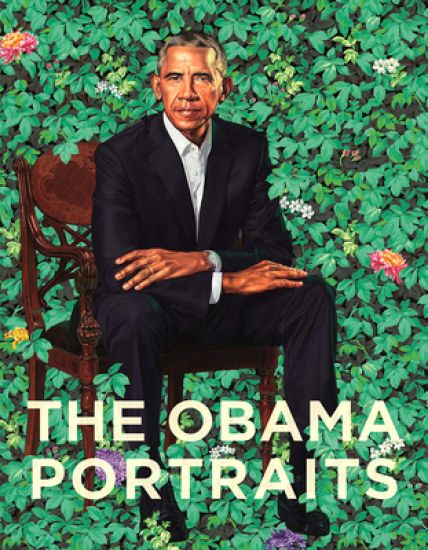
A richly illustrated celebration of the paintings of President Barack Obama and First Lady Michelle Obama From the moment of their unveiling at the National Portrait Gallery in early 2018, the portraits of Barack and Michelle Obama have become two of the most beloved artworks of our time. Kehinde Wiley's portrait of President Obama and Amy Sherald's portrait of the former first lady have inspired unprecedented responses from the public, and attendance at the museum has more than doubled as visitors travel from near and far to view these larger-than-life paintings. After witnessing a woman drop to her knees in prayer before the portrait of Barack Obama, one guard said, "No other painting gets the same kind of reactions. Ever." The Obama Portraits is the first book about the making, meaning, and significance of these remarkable artworks.Richly illustrated with images of the portraits, exclusive pictures of the Obamas with the artists during their sittings, and photos of the historic unveiling ceremony by former White House photographer Pete Souza, this book offers insight into what these paintings can tell us about the history of portraiture and American culture. The volume also features a transcript of the unveiling ceremony, which includes moving remarks by the Obamas and the artists. A reversible dust jacket allows readers to choose which portrait to display on the front cover.An inspiring history of the creation and impact of the Obama portraits, this fascinating book speaks to the power of art—especially portraiture—to bring people together and promote cultural change.Published in association with the Smithsonian's National Portrait Gallery, Washington, DC
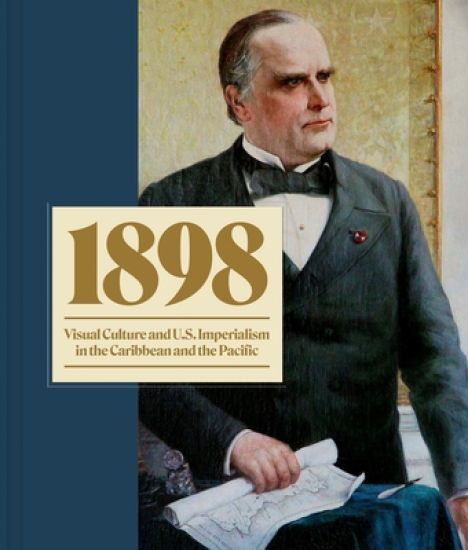
A revealing look at U.S. imperialism through the lens of visual culture and portraitureIn 1898, the United States seized territories overseas, ushering in an era of expansion that was at odds with the nation’s founding promise of freedom and democracy for all. This book draws on portraiture and visual culture to provide fresh perspectives on this crucial yet underappreciated period in history.Taína Caragol and Kate Clarke Lemay tell the story of 1898 by bringing together portraits of U.S. figures who favored overseas expansion, such as William McKinley and Theodore Roosevelt, with those of leading figures who resisted colonization, including Eugenio María de Hostos of Puerto Rico; José Martí of Cuba; Felipe Agoncillo of the Philippines; Padre Jose Bernardo Palomo of Guam; and Queen Lili‘uokalani of Hawai‘i. Throughout the book, Caragol and Lemay also look at landscapes, naval scenes, and ephemera. They consider works of art by important period artists Winslow Homer and Armando Menocal as well as contemporary artists such as Maia Cruz Palileo, Stephanie Syjuco, and Miguel Luciano. Paul A. Kramer’s essay addresses the role of the Smithsonian Institution in supporting imperialism, and texts by Jorge Duany, Theodore S. Gonzalves, Kristin L. Hoganson, Healoha Johnston, and Neil Weare offer critical perspectives by experts with close personal or scholarly relations to the island regions.Beautifully illustrated, 1898: Visual Culture and U.S. Imperialism in the Caribbean and the Pacific challenges us to reconsider the Spanish-American War, the Philippine-American War, and the annexation of Hawai‘i while shedding needed light on the lasting impacts of U.S. imperialism.Published in association with the Smithsonian’s National Portrait Gallery, Washington, DCExhibition ScheduleNational Portrait Gallery, Washington, DCApril 28, 2023–February 25, 2024
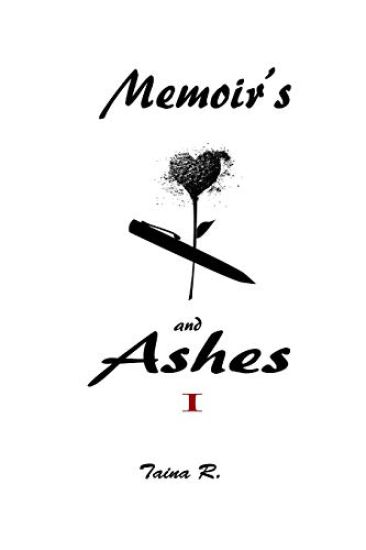
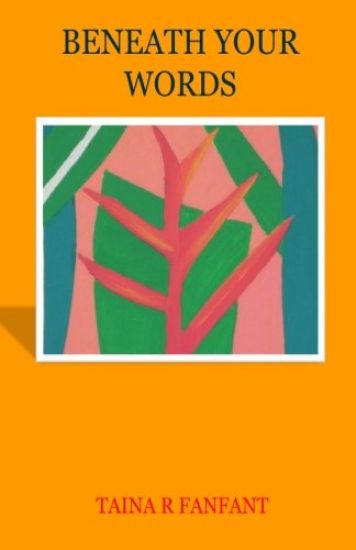
This is a book of Poetry, Memoirs and Life. From childhood memories through seasons as a woman, If you are looking for a beautifully raw and truthful read, this is it. Look for the Beauty in your Ashes...
Facebook has fundamentally changed how the world connects. No other company has played a greater role in the history of social networking online. Yet Facebook is no longer simply a social networking site or social media platform. Facebook is Facebook. Taina Bucher shows how Facebook has become an idea of its own: something that cannot be fully described using broader categories. Facebook has become so commonplace that most people have a conception of what it is, yet it increasingly defies categorization. If we want to understand Facebook's power in contemporary society and culture, Bucher argues, we need to start by challenging our widespread conception of what Facebook is. Tracing the development and evolution of Facebook as a social networking site, platform, infrastructure and advertising company, she invites readers to consider Facebook anew. Contrary to the belief that nobody uses Facebook anymore, Facebook has never been more powerful. This timely book is important reading for students and scholars of media and communication, as well as anyone seeking to understand the Facebook phenomenon.
Facebook has fundamentally changed how the world connects. No other company has played a greater role in the history of social networking online. Yet Facebook is no longer simply a social networking site or social media platform. Facebook is Facebook. Taina Bucher shows how Facebook has become an idea of its own: something that cannot be fully described using broader categories. Facebook has become so commonplace that most people have a conception of what it is, yet it increasingly defies categorization. If we want to understand Facebook's power in contemporary society and culture, Bucher argues, we need to start by challenging our widespread conception of what Facebook is. Tracing the development and evolution of Facebook as a social networking site, platform, infrastructure and advertising company, she invites readers to consider Facebook anew. Contrary to the belief that nobody uses Facebook anymore, Facebook has never been more powerful. This timely book is important reading for students and scholars of media and communication, as well as anyone seeking to understand the Facebook phenomenon.