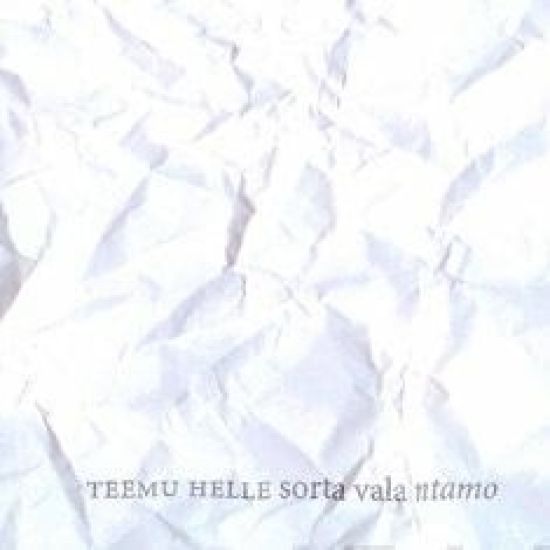
Teemu Helteen toinen kokoelma jatkaa esikoisen (sorta vala, ntamo 2009) teemoja: keskeisenä aiheena on vastuu, nyt yleisemmällä, globaalillakin tasolla.
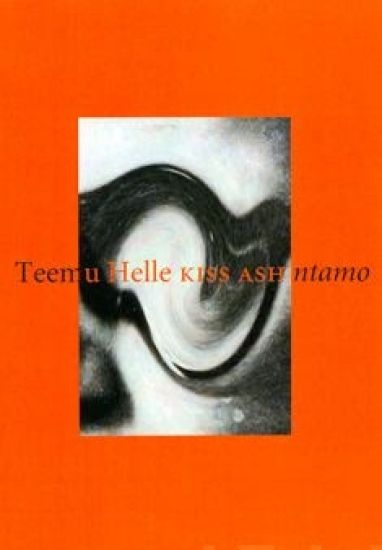
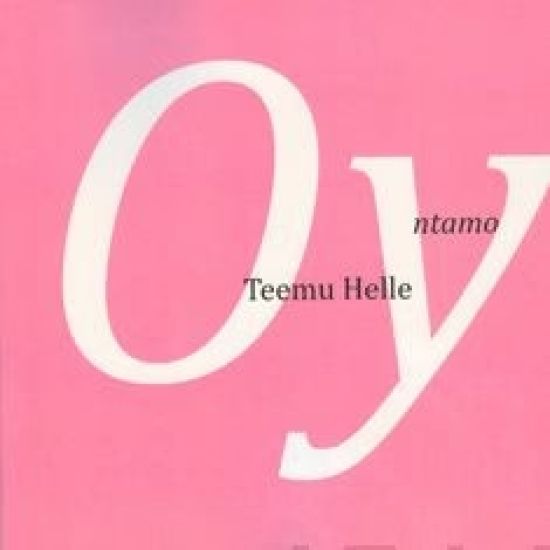
Oy päättää Teemu Helteen "Vastuu"-trilogian, jonka aiemmat osat ovat sorta vala ja Kiss ash (molemmat ntamo 2009). Viitekehyksenä on nyt nyt: tilanne, missä kaikki on kaupan eikä mikään ole pyhää. "...virkistävää nähdä sellainen kielellinen arsenaali, joka ei palvele sisäsiistiä ilmaisua." - Maaria Pääjärvi
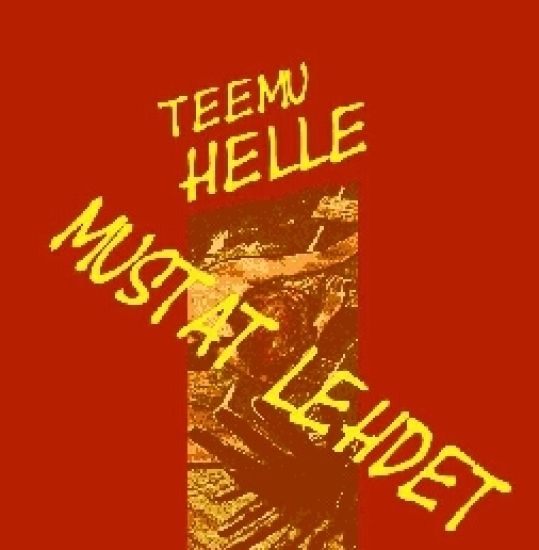
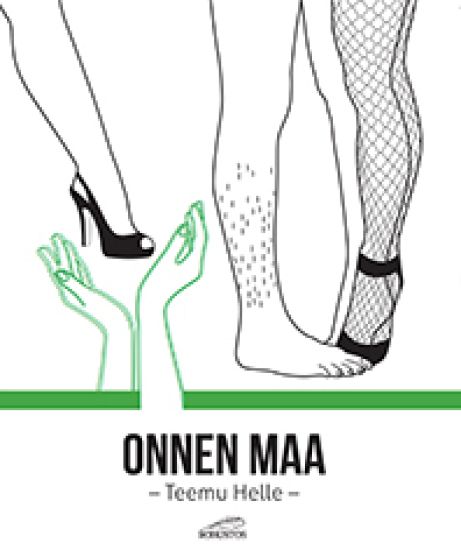
Teemu Helteen neljäs kokoelma on poemé noir -tyylistä runoa, joka kierrättää vaikutteita Chandlerilta, Ellroyltä ja kumppaneilta ja jota lisäksi voi luonnehtia muun muassa feministiseksi, mediakriittiseksi, karheahkoksi ja vanhahtavaksi. Mutta ihan tällaista kenties vielä ainakaan Suomessa ole kirjoitettu.
Onnen maa on elämänmakuinen ja vahvasti yhteiskunnallinen runokokoelma suomalaisesta mielentilasta, jonka taustalla hehkuu globaali populaaritaide ja korkeakulttuuri. Omaperäinen, merkityksillä ja kielellä leikkivä Onnen maa on vakava, mutta huumorintajuinen tutkimus eräästä maasta ja ajasta.Teemu Helteen runous on sekoitus marginaalia ja valtavirtaa. Karheutta, kauneutta ja yhteiskunnallisuutta.
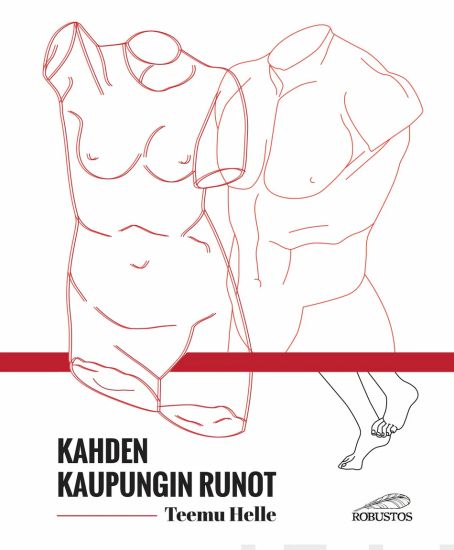
Kahden kaupungin runot on Teemu Helteen kuudes runokokoelma.Kaksintaistelu Teboililla: miehellä on sodanaikainen kivääri, melkoinen kanuuna naisella bensapistooli huulessa tupakka.Rouva Lahtinen astuu Kierrätyskeskuksen ovesta laserkatseella. ”Lopettakaa se nujakka tai heilautan laukkua, sen mahassa on romanttinen tiiliskiviromaani!”
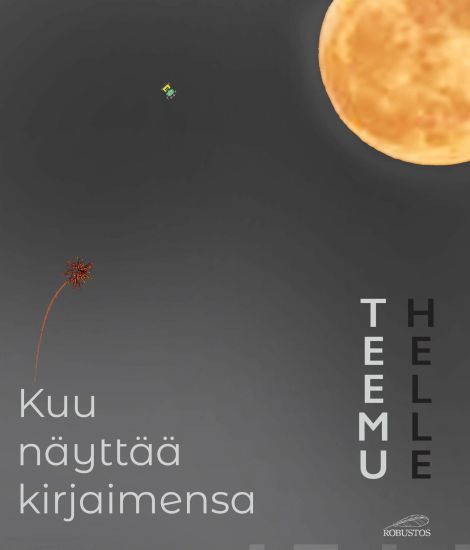
Kuu näyttää kirjaimensa on Teemu Helteen seitsemäs runokokoelma - tästä ajasta, aikamme ihmisistä - koskettavasti, osuvasti, aidosti. Teemu Helteen marginaalia ja valtavlrtaa yhdistävä runous on kantaaottavaa ja monimerkityksellistä. --Tulen rajaseudulle, missä lainsuojattomatkirjoittavat rakkausrunoja arokierijöihinja yrittävät valjastaa tuulen. Sheriffin rinnassa tuikkii tähti,jota vankivankkureiden uumenistapimeys tarkkailee. Olen oppinut ettei mikään täällä ole pysyvää,pilvet ovat leijuvia kaupunkeja ja rajuilmatpuhkeavat nopeammin kuin kaksintaistelut. On vain yksi vuodenaika: kuolema.--
BESTSELLER NYT PÄIVITETTYNÄ HUUHKAJAPAINOKSENA - EURO 2020 -KISAT LÄHENEE!Jalkapalloilija Teemu Pukki on yksi suomalaisen urheilutaivaan kirkkaimpia tähtiä. Kotkassa kasvanut Pukki loistaa niin seurajoukkueessaan Norwichissa kuin Suomi-paidassa Huuhkajissa. Pukin viime kausi oli häkellyttävä, sillä hyökkääjävoitti Englannin Championshipin maalikuninkuuden 29 osumallaan ja tuli valituksi sarjan parhaaksi pelaajaksi. Kaiken kruunasi Norwichin nousu Valioliigaan,jossa siis nähdään pitkästä aikaa suomalaispelaaja syksyllä 2019.Teemu Pukki - Koko tarina on elämäkertateos, jossa käydään läpi pelaajan elämä ja ura Kymenlaakson pikkukentiltä Englannin jättistadioneille. Mukana ovatkulttihyökkääjän muistorikkaimmat esitykset Suomen A-maajoukkueessa: unohtumaton maali Gijonissa 2013 ja Huuhkajien riemukulku Kansojen liigassasyksyllä 2018 sekä EM-taival 2019. Kyse on sankaritarinasta, mutta myös kasvu- ja selviytymistarinasta, sillä Pukin uralle mahtuu myös vastoinkäymisiä.Teoksen kirjoittaja Juha Kanerva on kokenut urheilutoimittaja, joka on seurannut Pukin uraa yli kymmenen vuoden ajan.
Teemu Rannikko oli tavallinen turkulaispoika, josta kasvoi vuosikymmenten varrella Euroliiga-tasolla palkittu koripalloilija ja kansallisromanttisen Susijengi-ilmiön kärjessä hääräävä äänekäs pelinjohtaja.Uudessa toimittaja Valtteri Mörttisen kirjoittamassa urheilijaelämäkerrassa Rannikko paljastaa taktisen pelisilmänsä salat ja avaa ennenkuulumattomalla tavalla elämänvaiheitaan koripallokausien ympärillä. Ääneen pääsevät Rannikon itsensä lisäksi monet suomalaiset koripalloalan vaikuttajat pelaajista ja valmentajista mediaan asti. Suurennuslasin alla tarinoissa ovat muun muassa koripallokulttuurin muutos ja erot ympäri Euroopan sekä kysymys siitä, mitä kaikkea paljon antava ammattiurheilijan elämä nuorelta ihmiseltä myös riistää.Kirja käy läpi Rannikon pelaajauran lapsuudenkodin leikkikoreilta Salohallin viimeisiin otteluihin asti. Matkan varrelle mahtuu huippuhetkiä Euroopan suurseuroissa ja maajoukkuematkoilla sekä monta vaikeaa loukkaantumista, jotka ovat kerta toisensa jälkeen yrittäneet päättää pelinjohtajan uran - kertaakaan siinä onnistumatta.Valtteri Mörttinen (s. 1989) on kulttuuri- ja urheilutoimittaja, joka uskoo vakaasti urheilun olevan kulttuuria. Hän on työskennellyt muun muassa kolumnistina, kriitikkona ja aikakauslehtitoimittajana sekä kirjoittanut aiemmin Näin talossa - tarinoita Tampere-talosta (Docendo 2020).TEEMU RANNIKKO- Syntynyt 9. syyskuuta 1980 Turussa.- Taktisten taitojensa ansiosta ”Taikuriksi” kutsuttu pelinjohtaja, joka teki neljännesvuosisadan kestäneellä pelaajaurallaan Suomesta koripallomaan.- Edustanut kotimaan pääsarjassa Piilosetia (1996-2000), Kataja Basketia (2013-2017) ja Salon Vilpasta (2017-2021).- Pelannut ulkomailla Italian, Slovenian, Venäjän ja Espanjan pääsarjoissa sekä edustanut Susijengiä niin EM- kuin MM-lopputurnauksissakin.- Valittu SM-sarjan vuoden pelaajaksi neljästi (1999, 2000, 2015, 2016) ja juhlinut mestaruutta Katajassa vuosina 2015 ja 2017.- Valittu vuoden koripalloilijaksi viidesti (2003, 2006, 2007, 2009, 2010).
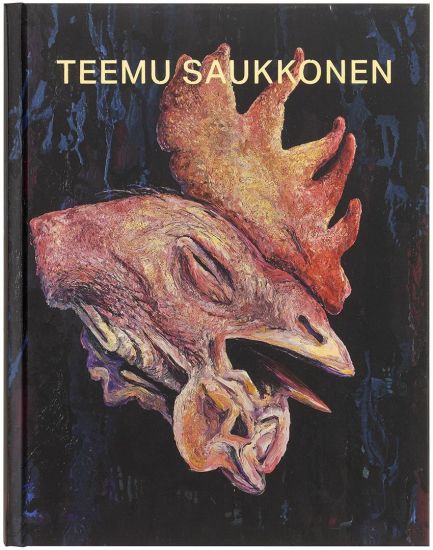
Teemu Saukkonen (s. 1954) on pitkän uran tehnyt ja laajalti tunnettu taidemaalari. Armottomalla energialla hän maalaa teoksia, jotka eivät jätä katsojaa kylmäksi. ”Teemu Saukkosen monipuolinen taide on otteeltaan haastavan polveilevaa, yllätyksiä tarjoavaa ja ajattelupitoista. Paneudutaan kainostelematta suomalaisuuden stereotypioihin yhtä lailla kuin itäisiin eksoottisiin aiheisiin hyväksymällä samalla kuvatraditio maalauksen käyntiaineeksi... Ehkä katsojan ohjeeksi käy Teemu Saukkosen oma toteamus:'sallin itselleni hyvin paljon'”, kirjoittaa Altti Kuusamo.
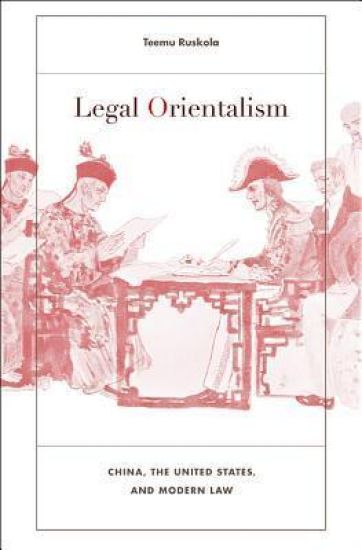
Since the Cold War ended, China has become a global symbol of disregard for human rights, while the United States has positioned itself as the world’s chief exporter of the rule of law. How did lawlessness become an axiom about Chineseness rather than a fact needing to be verified empirically, and how did the United States assume the mantle of law’s universal appeal? In a series of wide-ranging inquiries, Teemu Ruskola investigates the history of “legal Orientalism”: a set of globally circulating narratives about what law is and who has it. For example, why is China said not to have a history of corporate law, as a way of explaining its “failure” to develop capitalism on its own? Ruskola shows how a European tradition of philosophical prejudices about Chinese law developed into a distinctively American ideology of empire, influential to this day.The first Sino-U.S. treaty in 1844 authorized the extraterritorial application of American law in a putatively lawless China. A kind of legal imperialism, this practice long predated U.S. territorial colonialism after the Spanish-American War in 1898, and found its fullest expression in an American district court’s jurisdiction over the “District of China.” With urgent contemporary implications, legal Orientalism lives on in the enduring damage wrought on the U.S. Constitution by late nineteenth-century anti-Chinese immigration laws, and in the self-Orientalizing reforms of Chinese law today. In the global politics of trade and human rights, legal Orientalism continues to shape modern subjectivities, institutions, and geopolitics in powerful and unacknowledged ways.
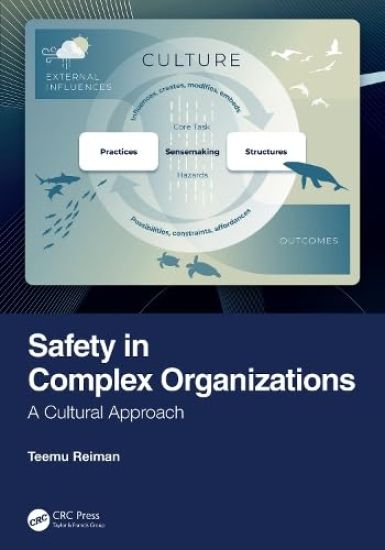
Managing safety in today’s complex organizations is no easy feat. When looking at safety from a cultural perspective, organizations are seen as cultures, with their own internal dynamics and ways of interacting with, and interpreting, the outside world. Looking at organizations from a cultural perspective improves our ability to lead and manage them by increasing our understanding of these internal dynamics shaping their behavior. This book offers a theoretically sound yet practical approach to organizational and cultural issues. It investigates their influence on safety and acknowledges the complexity and dynamic nature of today's organizations.The book is a comprehensive introduction to a cultural approach to safety. It explains the main principles in thinking about safety from a cultural perspective and provides the reader with tools for monitoring and developing culture for safety in organizations. Methods for developing a cultural approach to safety are introduced and typical approaches to assessing culture for safety are critically reviewed. It draws on more than two decades of experience that the author has in the safety field as a researcher, consultant, and practitioner and includes practical examples, lessons learned and research findings from several safety-critical fields, including nuclear, health care, construction, petrochemical and transportation sectors. The reader will develop a thorough overview towards developing their own cultural approach to safety through overviews of resilience and complexity thinking, organizational psychology, management sciences, leadership research, psychological safety, normalization, drift, decision-making, leadership and communication.Safety in Complex Organizations: A Cultural Approach is a fascinating read for professionals from any discipline who deal with hazards and safety issues especially those in the nuclear industry, transportation industries including aviation, rail and maritime, petrochemical industries, food industry, healthcare, mining, construction and conventional and renewable power industries.
Winner of the 2016–2018 KG Idman Prize.This monograph seeks the optimal way to promote compatibility between systems of proprietary security rights in Europe, focusing on security rights over tangible movables and receivables. Based on comparative research, it proposes how best to tackle cross-border problems impeding trade and finance, notably uncertainty of enforceability and unexpected loss of security rights. It offers an extensive analysis of the academic literature of more recent years that has appeared in English, German, the Scandinavian languages and Finnish. The author organises the concrete means of promoting compatibility into a centralised substantive approach, a centralised conflicts-approach, a local conflicts-approach and a local substantive approach. The centralised approaches develop EU law, and the local approaches Member State laws. The substantive approaches unify or harmonise substantive law, while the conflicts approaches rely on private international law. The author proposes determining the optimal way to promote compatibility by objective-based division of labour between the four approaches. The objectives developed for that purpose are derived from the economic functions of security rights, the conditions for legal evolution and a transnational conception of justice.This book is an important contribution to the future of secured transactions law in Europe and more widely. It will be of interest to academics, policymakers and legal practitioners involved in this field.
Winner of the 2016–2018 KG Idman Prize.This monograph seeks the optimal way to promote compatibility between systems of proprietary security rights in Europe, focusing on security rights over tangible movables and receivables. Based on comparative research, it proposes how best to tackle cross-border problems impeding trade and finance, notably uncertainty of enforceability and unexpected loss of security rights. It offers an extensive analysis of the academic literature of more recent years that has appeared in English, German, the Scandinavian languages and Finnish. The author organises the concrete means of promoting compatibility into a centralised substantive approach, a centralised conflicts-approach, a local conflicts-approach and a local substantive approach. The centralised approaches develop EU law, and the local approaches Member State laws. The substantive approaches unify or harmonise substantive law, while the conflicts approaches rely on private international law. The author proposes determining the optimal way to promote compatibility by objective-based division of labour between the four approaches. The objectives developed for that purpose are derived from the economic functions of security rights, the conditions for legal evolution and a transnational conception of justice.This book is an important contribution to the future of secured transactions law in Europe and more widely. It will be of interest to academics, policymakers and legal practitioners involved in this field.
If you want to improve your life, health and happiness you need to upgrade the fundamentals: sleep, nutrition, exercise, work and the mind. And the best way to do this is through applying science, nutrition and even technology to these areas of our lives - the art known as 'biohacking'.But targeting all of these areas individually can feel overwhelming - and that's where this book comes in. While there is an almost endless array of research into what may, or may not, help your health, The Optimized Human harnesses the most cutting-edge information on science, diet and technology and turns them into a practical, manageable and customizable plan that will revolutionize every area of your wellbeing.It is the missing manual of the human body, and an essential addition to the library, work desk, kitchen, gym, suitcase or bedroom of anyone who wants to get the best out of their life.
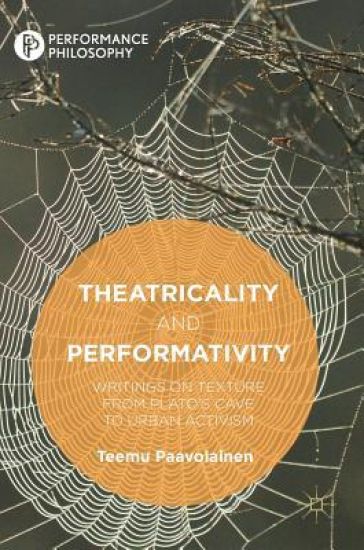
This book defines theatricality and performativity through metaphors of texture and weaving, drawn mainly from anthropologist Tim Ingold and philosopher Stephen C. Pepper. Tracing the two concepts’ various relations to practices of seeing and doing, but also to conflicting values of novelty and normativity, the study proceeds in a series of intertwining threads, from the theatrical to the performative: Antitheatrical (Plato, the Baroque, Michael Fried); Pro-theatrical (directors Wagner, Fuchs, Meyerhold, Brecht, and Brook); Dramatic (weaving memory in Shaffer’s Amadeus and Beckett’s Footfalls); Efficient (from modernist “machines for living in” to the “smart home”); Activist (knit graffiti, clown patrols, and the Anthropo(s)cene). An approach is developed in which ‘performativity’ names the way we tacitly weave worlds and identities, variously concealed or clarified by the step-aside tactics of ‘theatricality’.
This book defines theatricality and performativity through metaphors of texture and weaving, drawn mainly from anthropologist Tim Ingold and philosopher Stephen C. Pepper. Tracing the two concepts’ various relations to practices of seeing and doing, but also to conflicting values of novelty and normativity, the study proceeds in a series of intertwining threads, from the theatrical to the performative: Antitheatrical (Plato, the Baroque, Michael Fried); Pro-theatrical (directors Wagner, Fuchs, Meyerhold, Brecht, and Brook); Dramatic (weaving memory in Shaffer’s Amadeus and Beckett’s Footfalls); Efficient (from modernist “machines for living in” to the “smart home”); Activist (knit graffiti, clown patrols, and the Anthropo(s)cene). An approach is developed in which ‘performativity’ names the way we tacitly weave worlds and identities, variously concealed or clarified by the step-aside tactics of ‘theatricality’.