Kirjojen hintavertailu. Mukana 11 244 527 kirjaa ja 12 kauppaa.

Kirjahaku

Etsi kirjoja tekijän nimen, kirjan nimen tai ISBN:n perusteella.

1000 tulosta hakusanalla Terence E. Fretheim
First and Second Kings

First and Second Kings

Terence E. Fretheim

Westminster/John Knox Press,U.S.
1999
nidottu
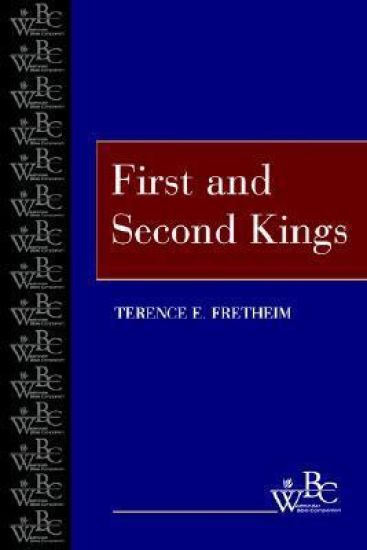
Old Testament scholar Terence Fretheim identifies the theology in the dramatic accounts of the books of Kings, which chronicles the reigns of more than forty kings over a period of nearly four hundred years. Interspersing theological reflections throughout, Fretheim trace's God's words of judgement and promise for Israel--and for us--accross the entirety of Kings.Books in the Westminster Bible Companion series assist laity in their study of the Bible as a guide to Christian faith and practice. Each volume explains the biblical book in its original historical context and explores its significance for faithful living today. These books are ideal for individual study and for Bible study classes and groups.
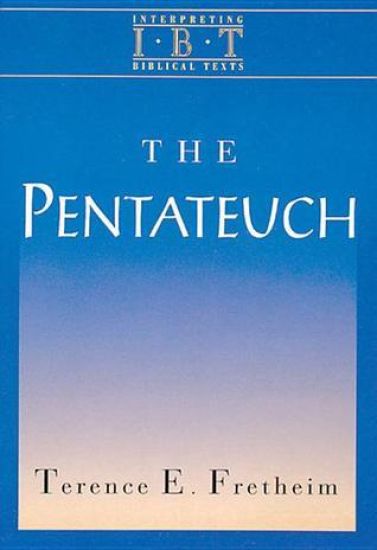
Interpreting Biblical Texts

Interpreting Biblical Texts

Terence E. Fretheim

Abingdon Press
1996
pokkari
In this volume, Terence E. Fretheim seeks to introduce the Pentateuch to modern readers, stressing its continuing capacity to speak a word of--or about--God. The two chapters of Part One provide an orientation to the critical study of the Pentateuch and present a proposal for reading the Pentateuch in terms of its rhetorical strategy. That strategy, Fretheim argues, is designed in such a way as to have a certain effect upon its readers, most basically to shape their faith and life. The five chapters of Part Two focus on the individual books that comprise the Pentateuch.
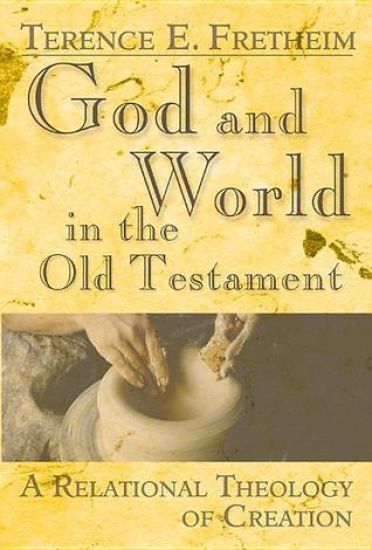
God and World in the Old Testament

God and World in the Old Testament

Terence E. Fretheim

Abingdon Press
2005
pokkari
Fretheim presents here the "Old Testament" view of the Creator God, the created world, and our role in creation. Beginning with "The Beginning," he demonstrates that creation is open-ended and connected. Then, from every part of the "Old Testament", Fretheim explores the fullness and richness of Israel's thought regarding creation: from the dynamic created order to human sin, from judgment and environmental devastation to salvation, redemption, and a new creation.
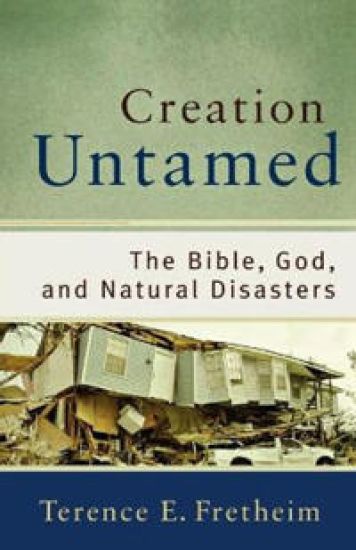
Creation Untamed – The Bible, God, and Natural Disasters

Creation Untamed – The Bible, God, and Natural Disasters

Terence E. Fretheim

Baker Academic, Div of Baker Publishing Group
2010
nidottu
Earthquakes, floods, tsunamis, and hurricanes have plagued the history of the earth. What is God's role in natural disasters and the human suffering they cause? This is one of the most vexing questions in Christian life and theology. Terence Fretheim offers fresh readings of familiar Old Testament passages--such as creation, the flood, and the suffering of Job--to give readers biblical resources for working through this topic. He shows the God of the Bible to be a compassionate, suffering, relational God, one we can turn to in prayer in times of disaster.
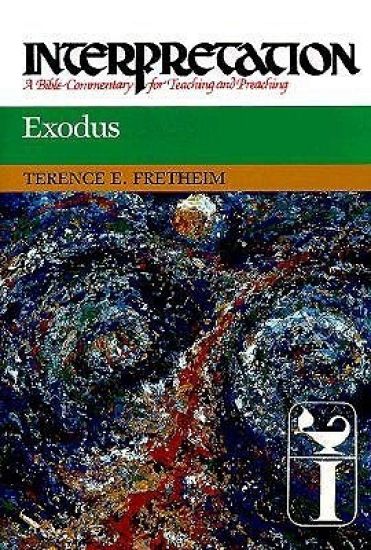
Exodus

Exodus

Terence E. Fretheim

Westminster/John Knox Press,U.S.
1991
sidottu
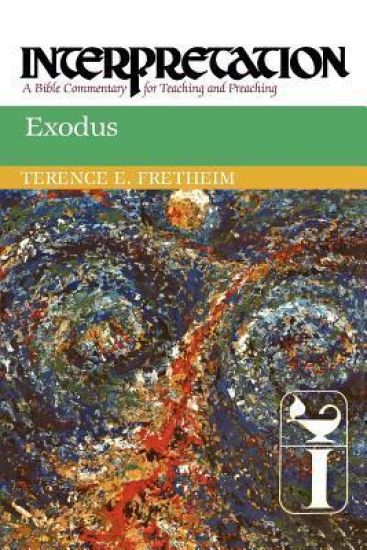
The introduction to this book recognizes Exodus as a Christian book, although it respects its pre-Christian roots in the Hebrew Bible. The commentary then moves in a straightforward manner to review issues of faith and history, the critical and theological tasks of a commentary, and other leading theological concerns. Terence Fretheim gives special treatment to the significance of the hardening of Pharaoh's heart, the relationship between law and narrative, and the shaping of literature by liturgy.Interpretation: A Bible Commentary for Teaching and Preaching is a distinctive resource for those who interpret the Bible in the church. Planned and written specifically for teaching and preaching needs, this critically acclaimed biblical commentary is a major contribution to scholarship and ministry.
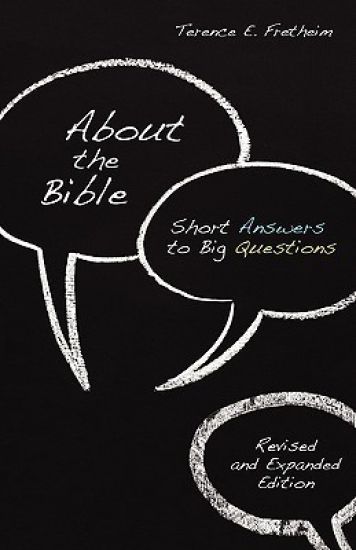
About the Bible

About the Bible

Terence E. Fretheim

Augsburg Fortress
2009
pokkari
In this newly revised and expanded edition About the Bible: Short Answers to Big Questions, Terence E. Fretheim offers straightforward answers to reoccurring questions about how the Bible was written, organized, and interpreted - and why people have such different opinions about what the Bible has to say. Built on a bestselling volume first introduced to readers in 1999, this edition welcomes added questions to a unique question-and-answer format. Among the questions are: Who wrote the Bible? How did it come to be? Do Lutherans believe in a literal interpretation of the Bible, for instance the Creation Story? Can we draw responsible ethical discernment from the Bible? How do we read the Bible for spiritual growth? Arranged according to topic, the books is ideal for individual and group use. Both devoted Bible readers and Bible novices are sure to find answers to many of their biggest questions here.
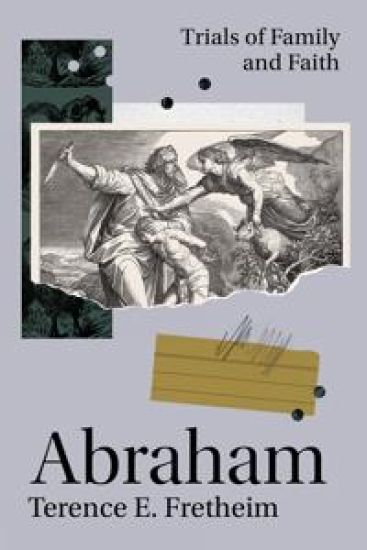
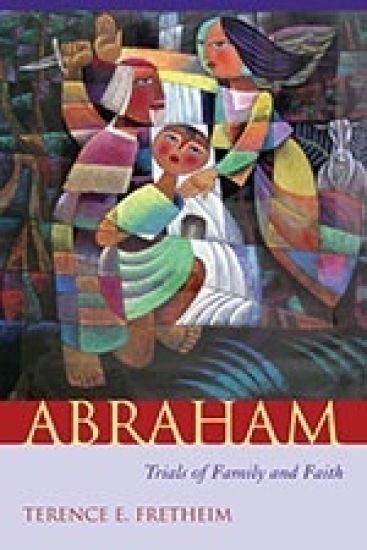
Abraham

Abraham

Terence E. Fretheim

University of South Carolina Press
2007
sidottu
In an inviting style that showcases his literary discernment, theological sophistication, and passion for the biblical text, Terence E. Fretheim turns his attention to one of the most dramatic stories of the Old Testament - that of Abraham, Sarah, Hagar, Isaac, and Ishmael. Through close readings of ""Genesis"" 12 through 25, Fretheim guides readers through the intricacies of the plot, from God's surprising call to Abraham to leave home and family to God's enigmatic commands to evict one son and sacrifice another. Extending the vein of analysis in which he previously has written to wide acclaim, Fretheim examines Abraham's family and assesses the significant roles it plays across three religions - Judaism, Christianity, and Islam. Relating biblical narrative to theological concerns, Fretheim wrestles with such controversial concepts as God's selection of an elect people, the gift of land and other promises, the role of women and outsiders, the character of God, and the suffering of innocents. In addition, Fretheim contributes to the increasingly important interreligious dialogue surrounding Abraham by examining the continuing conversation among Muslims, Christians, and Jews about the place of Hagar and Ishmael in Abraham's family. Throughout the text, Fretheim frames the narrative as rooted in the trials of family and faith that define the story of Abraham as the father of three religions.
What Kind of God?

What Kind of God?

Terence E. Fretheim

Eisenbrauns
2015
sidottu
Terence E. Fretheim has long been a leading voice in Old Testament theology. In this volume, thirty of his classic studies have been gathered together for the first time under the rubrics “God and the World”, “God and Suffering”, “God, Wrath, and Divine Violence”, “God and the Pentateuch”, “God and the Prophets”, and “God and the Church’s Book”. Here readers can find a compelling answer to the question that has motivated Fretheim’s work for more than forty years—namely, what kind of God is the God of Scripture? The studies are introduced by a critical overview of Fretheim’s career and theology by the editors and a retrospective by Fretheim himself.
God So Enters Into Relationships That . . .

God So Enters Into Relationships That . . .

Terence E Fretheim

Fortress Press,U.S.
2020
pokkari
Biblical theologian Terence E. Fretheim weaves key insights from Scripture with theological reflections on the nature and activity of God, God's relationship to the world, and the natural order. Relational language and images fill the various forms of communication that ministry leaders must use to speak about God and God's presence and activity in the world. Fretheim shows the importance of using this kind of language to speak to the realities of life and faith. Each chapter of the book will explore a unique aspect of God's relationship with humanity and the world, including God's faithfulness, concern for our entire selves, promise to be present in both good and bad times, willingness to listen, sharing of power, and desire to allow an open future for all. Filled with authentic reflections and helpful insights, this is a must-read for all want to know and experience more about the nature of God.
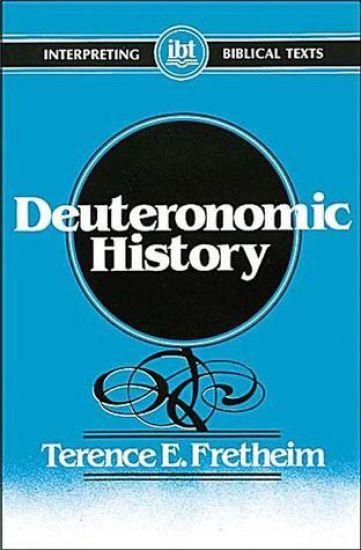
Deuteronomic History

Deuteronomic History

Terence E. Frethaim

Abingdon Press
1983
pokkari
"We would be naive to think that we can hear these narratives with the same clarity that the first hearers did. An equal naivete, however, would be to suggest that we have no access to their situation, or that it is irrelevant to know how the texts originally functioned. One way to proceed is to juxtapose narratives with issues faced by the people of God in the context to which the narratives were addressed. To lay contextual issues alongside narrative should enable illumination of the text, and give breadth and depth to the results of one's interpretation. This approach has the advantage of avoiding an abstract concern about what the author might have 'intended.' Rather, in the juxtaposition of context and text, we are concerned about what issues faced by the audience might have been addressed." "Although the Word of God is always addressed to a particular situation, the insights gained through hearing it will assist in the hearing of a Word in the contemporary situation." (excerpts from the Introduction, by Terence E. Fretheim)
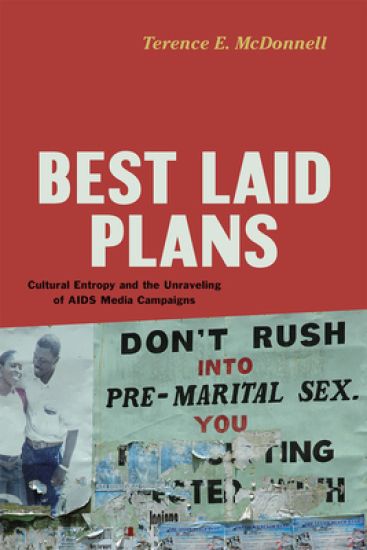
Best Laid Plans

Best Laid Plans

Terence E. McDonnell

University of Chicago Press
2016
sidottu
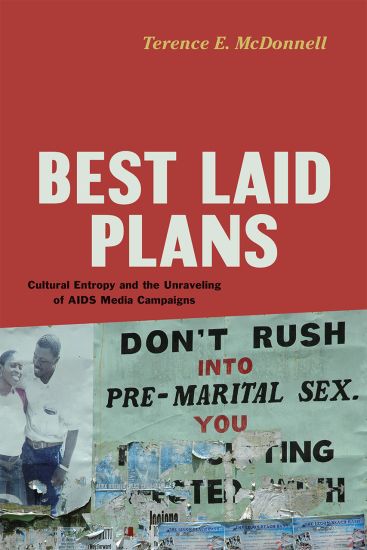
We see it all the time: organizations strive to persuade the public to change beliefs or behavior through expensive, expansive media campaigns. Designers painstakingly craft clear, resonant, and culturally sensitive messaging that will motivate people to buy a product, support a cause, vote for a candidate, or take active steps to improve their health. But once these campaigns leave the controlled environments of focus groups, advertising agencies, and stakeholder meetings to circulate, the public interprets and distorts the campaigns in ways their designers never intended or dreamed. In Best Laid Plans, Terence E. McDonnell explains why these attempts at mass persuasion often fail so badly. McDonnell argues that these well-designed campaigns are undergoing "cultural entropy": the process through which the intended meanings and uses of cultural objects fracture into alternative meanings, new practices, failed interactions, and blatant disregard. Using AIDS media campaigns in Accra, Ghana, as its central case study, the book walks readers through best-practice, evidence-based media campaigns that fall totally flat. Female condoms are turned into bracelets, AIDS posters become home decorations, red ribbons fade into pink under the sun to name a few failures. These damaging cultural misfires are not random. Rather, McDonnell makes the case that these disruptions are patterned, widespread, and inevitable indicative of a broader process of cultural entropy.
Best Laid Plans

Best Laid Plans

Terence E. McDonnell

University of Chicago Press
2016
nidottu
We see it all the time: organizations strive to persuade the public to change beliefs or behavior through expensive, expansive media campaigns. Designers painstakingly craft clear, resonant, and culturally sensitive messaging that will motivate people to buy a product, support a cause, vote for a candidate, or take active steps to improve their health. But once these campaigns leave the controlled environments of focus groups, advertising agencies, and stakeholder meetings to circulate, the public interprets and distorts the campaigns in ways their designers never intended or dreamed. In Best Laid Plans, Terence E. McDonnell explains why these attempts at mass persuasion often fail so badly. McDonnell argues that these well-designed campaigns are undergoing "cultural entropy": the process through which the intended meanings and uses of cultural objects fracture into alternative meanings, new practices, failed interactions, and blatant disregard. Using AIDS media campaigns in Accra, Ghana, as its central case study, the book walks readers through best-practice, evidence-based media campaigns that fall totally flat. Female condoms are turned into bracelets, AIDS posters become home decorations, red ribbons fade into pink under the sun to name a few failures. These damaging cultural misfires are not random. Rather, McDonnell makes the case that these disruptions are patterned, widespread, and inevitable indicative of a broader process of cultural entropy.
Synthesis, Properties and Mineralogy of Important Inorganic Materials
Intended as a textbook for courses involving preparative solid-state chemistry, this book offers clear and detailed descriptions on how to prepare a selection of inorganic materials that exhibit important optical, magnetic and electrical properties, on a laboratory scale. The text covers a wide range of preparative methods and can be read as separate, independent chapters or as a unified coherent body of work. Discussions of various chemical systems reveal how the properties of a material can often be influenced by modifications to the preparative procedure, and vice versa. References to mineralogy are made throughout the book since knowledge of naturally occurring inorganic substances is helpful in devising many of the syntheses and in characterizing the product materials. A set of questions at the end of each chapter helps to connect theory with practice, and an accompanying solutions manual is available to instructors. This book is also of appeal to postgraduate students, post-doctoral researchers and those working in industry requiring knowledge of solid-state synthesis.
Synthesis, Properties and Mineralogy of Important Inorganic Materials
Intended as a textbook for courses involving preparative solid-state chemistry, this book offers clear and detailed descriptions on how to prepare a selection of inorganic materials that exhibit important optical, magnetic and electrical properties, on a laboratory scale. The text covers a wide range of preparative methods and can be read as separate, independent chapters or as a unified coherent body of work. Discussions of various chemical systems reveal how the properties of a material can often be influenced by modifications to the preparative procedure, and vice versa. References to mineralogy are made throughout the book since knowledge of naturally occurring inorganic substances is helpful in devising many of the syntheses and in characterizing the product materials. A set of questions at the end of each chapter helps to connect theory with practice, and an accompanying solutions manual is available to instructors. This book is also of appeal to postgraduate students, post-doctoral researchers and those working in industry requiring knowledge of solid-state synthesis.