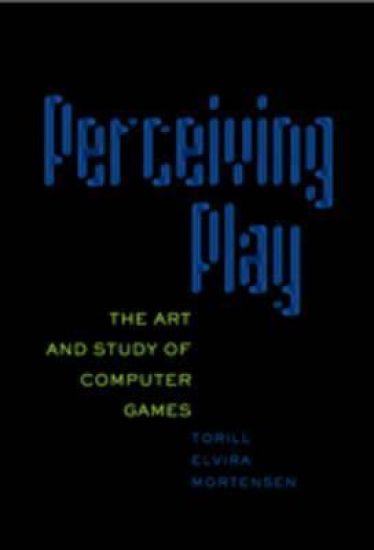
Computer games are increasingly prevalent, and cause both curiosity and concern in the general public, so understanding these games and play is important. Game researchers need to work quickly to document, report, and analyse the effect on our modern society as an increasing amount of people make new and drastically different choices in how they spend their time. Perceiving Play: The Art and Study of Computer Games looks at the directions and findings of this research, and examines how game research integrates the studies of social science, ethnography, textual analysis and criticism, economy, law, and technology.
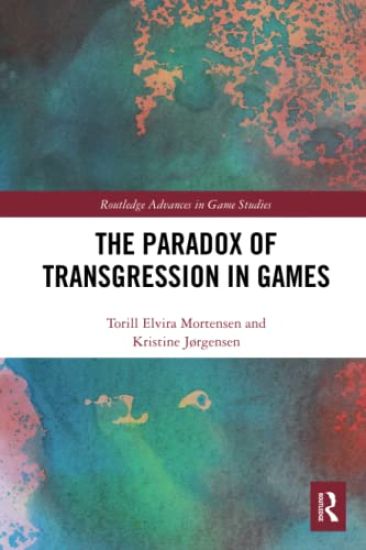
The Paradox of Transgression in Games looks at transgressive games as an aesthetic experience, tackling how players respond to game content that shocks, disturbs, and distresses, and how contemporary video games can evoke intense emotional reactions. The book delves into the commercial success of many controversial videogames: although such games may appear shocking for the observing bystander, playing them is experienced as deeply rewarding for the player. Drawing on qualitative player studies and approaches from media aesthetics theory, the book challenges the perception of games as innocent entertainment, and examines the range of emotional, moral, and intellectual experiences of players. As they explore what players consider transgressive, the authors ask whether there is something about the gameplay situation that works to mitigate the sense of transgression, stressing gameplay as an aesthetic experience. Anchoring the aesthetic game experience both in play studies as well as in aesthetic theory, this book will be an essential resource for scholars and students of game studies, aesthetics, media studies, philosophy of art, and emotions.
Discussing key contemporary issues in residential and foster care for children, this theoretically and empirically rich volume draws on new research from across Europe and Canada. Contributions stem from a broad spectrum of researchers and practitioners in the field, engaging in comparative international perspectives of problems of enduring relevance. This book particularly focuses on anti-oppressive practice, foster care, mainstreaming in education, ethnic origin, competency level and research as a tool in residential care. The book will make a significant impact to the literature on social work and child and family welfare.
The Paradox of Transgression in Games looks at transgressive games as an aesthetic experience, tackling how players respond to game content that shocks, disturbs, and distresses, and how contemporary video games can evoke intense emotional reactions. The book delves into the commercial success of many controversial videogames: although such games may appear shocking for the observing bystander, playing them is experienced as deeply rewarding for the player. Drawing on qualitative player studies and approaches from media aesthetics theory, the book challenges the perception of games as innocent entertainment, and examines the range of emotional, moral, and intellectual experiences of players. As they explore what players consider transgressive, the authors ask whether there is something about the gameplay situation that works to mitigate the sense of transgression, stressing gameplay as an aesthetic experience. Anchoring the aesthetic game experience both in play studies as well as in aesthetic theory, this book will be an essential resource for scholars and students of game studies, aesthetics, media studies, philosophy of art, and emotions.
How are we supposed to handle these new tools that could end up changing our genetic material?The advancement of the new genetic technology has hurtled forward at breakneck speed. When the first genetically modified children, the twins Lulu and Nana, were born in China in 2018, it became clear that humanity was facing possibilities that we had, previously, only been able to imagine. With the pair of genetic scissors known as CRISPR, we could potentially choose the traits of our children and avoid ageing and disease. But with that ability comes a new set of risks, forcing us to face hard ethical and societal questions.Torill Kornfeldt has travelled all over the world to meet the people who are driving the research forward. She has visited fertility clinics in South Korea, oncologists in China who are experimenting on sick patients, and biohackers in the US who want to make the new technology available to everyone. In The Unnatural Selection of Our Species, she examines recent developments in gene editing and what might still be waiting around the corner.'A book filled with curiosity, but with a sober eye on the risks and dilemmas. Well written, knowledgeable, and engaging – exactly how really good popular science is supposed to be' Gustav Källstrand, Nobel CentrePraise for The Re-Origin of Species:'[T]his excellent book, written with a deceptively light touch… raises a number of deep questions and paradoxes about our relationship with nature' The Guardian'Wondrous tales of futuristic science experiments that happen to be true.' Kirkus Reviews'[T]he projects Kornfeldt writes about are incredibly compelling.' The New Yorker
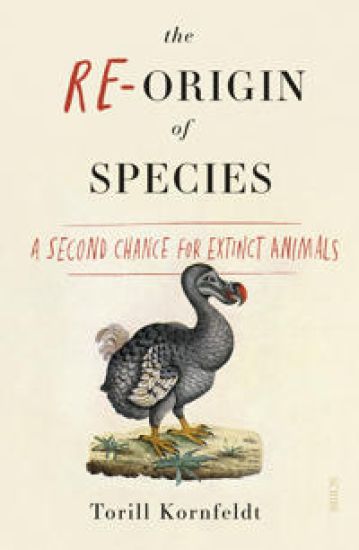
A Telegraph Book of the Year. What does a mammoth smell like? Do dinosaurs bob their heads as they walk, like today’s birds? Do aurochs moo like cows? You may soon find out. From the Siberian permafrost to balmy California, scientists across the globe are working to resurrect all kinds of extinct animals, from ones that just left us to those that have been gone for many thousands of years. Their tools in this hunt are both fossils and cutting-edge genetic technologies. Some of these scientists are driven by sheer curiosity; others view the lost species as a powerful weapon in the fight to save rapidly disappearing ecosystems. Science journalist Torill Kornfeldt travelled the world to meet the men and women working to bring extinct animals back from the dead. Along the way, she saw a mammoth that has been frozen for 20,000 years, and visited the places where these furry giants once walked. It seems certain that they and other lost species will walk the earth again, but what world will that give us? And is any of this a good idea?
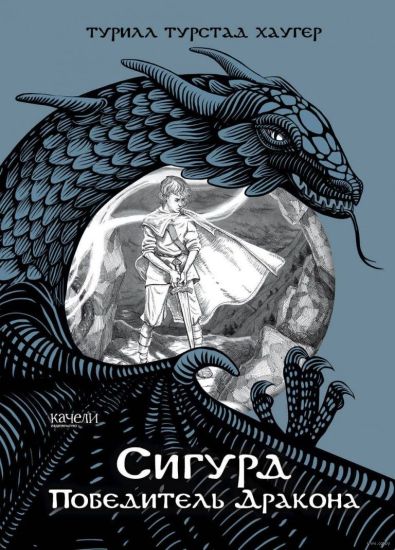
V zakhvatyvajuschej knige Truill Turstad Khauger junomu vikingu Sigurdu predstoit stat piratom i otpravitsja v dalekie zemli, proniknut v chuzhie tajny, srazitsja s zhestokimi vragami i vstretit druzej sredi tekh, kto, kazalos, nikak ne mozhet imi byt. S detstva on budet slyshat o drakone, kotoromu nuzhno dat boj. No gde skryvaetsja chudovische i kak ego odolet?.. Dlja detej srednego shkolnogo vozrasta.Perevodchik: Vronskaja OlgaRedaktor: Nevolajnen L.Khudozhnik: Shironina Julija
Boken bygger på en animasjonsfilm som ble nominert til Oscar for beste kortfilm i 1999. Munter og original bildebok med en historisk ramme og fargerike, naivistiske illustrasjoner.En munter og original bildebok med en historisk ramme og fargerike, naivistiske illustrasjoner. Bestemor får i oppdrag å stryke kong Haakons skjorter. Men så blir det krig, og kongen må flykte. Under krigen gjør bestemor det hun kan for å ødelegge fiendens uniformer med strykejernet sitt. Boken bygger på en animasjonsfilm som ble nominert til Oscar for beste kortfilm i 1999.
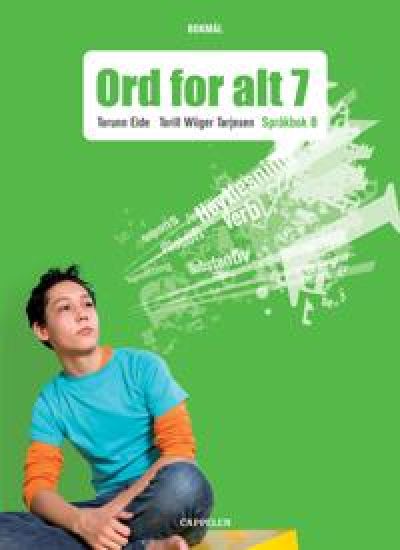
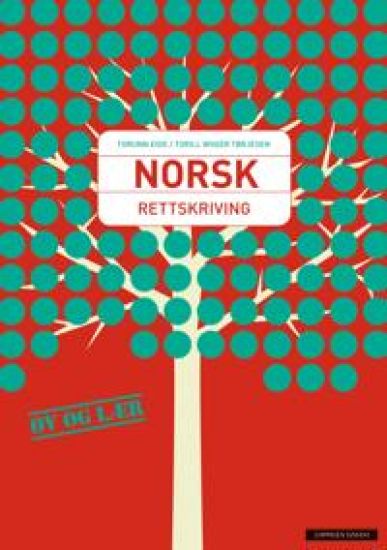
De har et bredt utvalg skriftlige, muntlige og sammensatte tekster. Et rikt oppgavestoff gir rom for opplevelse, refleksjon og vurdering. Hvert kapittel innledes med mål for hva elevene skal lære, og avsluttes med egenvurdering, der elevene skal reflektere over om de har nådd målene. Kopieringsoriginaler i Lærerens bok og tilleggsoppgaver på nettstedet gjør det enkelt for læreren å finne tilpassede oppgaver. I hver språkbok er regler og oppgaver innenfor grammatikk og rettskriving samlet bakerst i boka, under «Gule sider». Utvalget av grammatiske øvinger og oppgaver er vesentlig utvidet i forhold til forrige utgave.
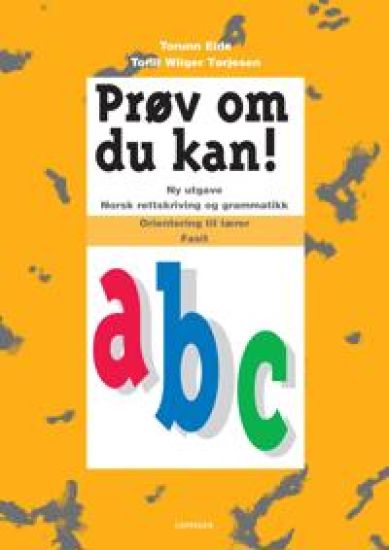
I Prøv om du kan får elevene formaltrening innenfor viktige områder i norskfaget. Oppgavene har økende vanskelighetsgrad. Engangsheftet er selvinstruerende, og egner seg til hjemmelekser, ekstraoppgaver og repetisjon. Heftet kan brukes uavhengig av det norskverket klassen bruker til daglig.
Her får læreren råd om hvordan elevene kan arbeide med heftene. Fasiten gjør at elevene kan arbeide i eget tempo og rette sine egne oppgaver etter hvert som de er ferdige.
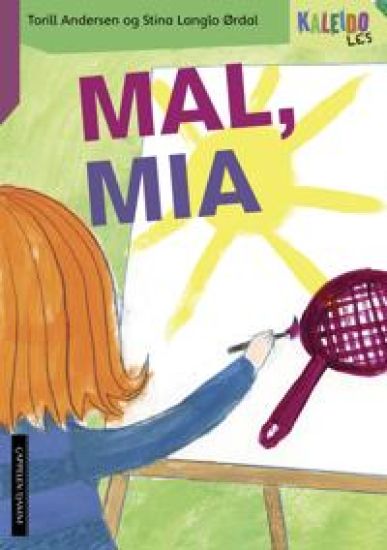
Kaleido Les nivå 1 består av 10 nyskrevne småbøker. Bøkene kommer med fem eksemplarer av hver bok og kan enkelt benyttes til veiledet lesing, ekstralesing eller lystlesing. Bak i hver bok fins det arbeidsoppgaver, samt en kopioriginal til hver bok på Kaleido Digital.Kjennetegn nivå 1· Store bokstaver i de seks første bøkene· Åtte sider· Fiksjon· Fra ett til fire ord på hver side· Repetisjoner· Ordbildene og, jeg· Følger bokstavprogresjonen i Kaleido 1A· God støtte i illustrasjonene· Arbeidsoppgaver bak i bokaTitler på nivå 1LILLA SILMAL, MIASE, ANEMINMAMMA MIARUNE ER NI ÅRJegAmir og NinaHei, bestefarSykBøkene på nivå 1 følger bokstavprogresjonen i Kaleido 1A. På nivå 2, 3 og 4 benyttes alle bokstavene i alfabetet.
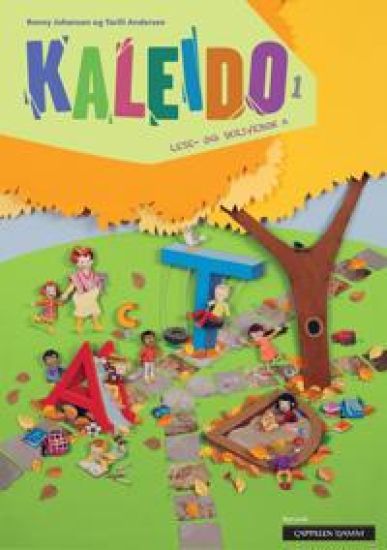
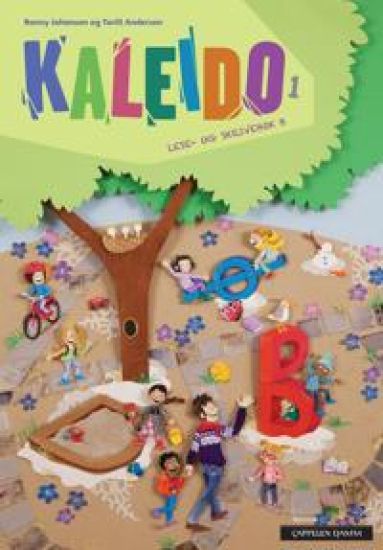
Med Kaleido 1 Lese- og skrivebok er alt samlet i én bok - dette gir en systematisk og sammenhengende opplæring. Fordi lesing og skriving er så nært knyttet sammen, kombinerer vi lese- og skriveboka for skolestarterne. Tekstene i elevboka er utformet med ulike pedagogiske formål, og må derfor jobbes med på ulike måter. Foruten tradisjonelle leseboktekster, tilbyr vi tekster både i form av dagliglivets tekstsjangre, medier, samt ulike sakpregede og skjønnlitterære tekster. Med Kaleido 1 Lese- og skrivebok inkluderer vi også skrivingen fra første stund. Med utgangspunkt i eksempeltekster får eleven prøve seg på å skrive egne, enkle tekster i ulike sjangre og med ulike formål. I tillegg fins det mer bundne og tradisjonelle øvingsoppgaver, hvor eleven blant annet trener håndskrift og rettskriving.
KJENNETEGN NIVÅ 1Store bokstaverÅtte siderFiksjonfra ett til fire ord på hver sideRepetisjonerOrdbildene og, jegGod støtte i illustrasjoneneArbeidsoppgaver bak i boka
KJENNETEGN NIVÅ 1Store bokstaver Åtte sider Fiksjon fra ett til fire ord på hver side Repetisjoner Ordbildene og, jeg God støtte i illustrasjonene Arbeidsoppgaver bak i boka