Kirjahaku
Etsi kirjoja tekijän nimen, kirjan nimen tai ISBN:n perusteella.
1000 tulosta hakusanalla Tracey Lea


Make A Million In Your PJ's: How 8 Entrepreneurs did it!
Tracey Leak
Createspace Independent Publishing Platform
2012
nidottu

Want a Commute of 30 Seconds?: Gain Success in your Home-Based Business
Tracey Leak
Createspace Independent Publishing Platform
2013
nidottu


What to do when your business sux!
Tracey Leak
Createspace Independent Publishing Platform
2016
nidottu

This is a must read for every Franchisee Whether you decided to read this book cover to cover or simply one tip a day or even just the tips that you need at this time, you will find that you will gain value from this book. These are the best tips for Franchisees to help them succeed or build a more profitable business.Tracey has been working with Franchisees, Franchisors and entire franchise groups for more than a decade and she knows what works and how to get Franchisees profitable.Because of the format, it is an easy read, but more importantly it is filled with down to earth and practical ideas, tips, hints and strategies to help franchisees to grow their businesses to be more profitable, have more time and to reduce stress levels

The Authorities - Tracey Fines: Powerful Wisdom from Leaders in the Field
Raymond Aaron; Marci Shimoff; John Gray
Authorities Press - 10 10 10 Publishing
2019
nidottu
When you get home after a long day, how do you want to feel?... Our homes should be our sanctuaries, not just a place to sleep and keep our stuff. Real Estate and interior design expert Tracey Fines wants to help you create a home environment that not only inspires you but elevates you energetically. Through introducing you to a few of the ways she has helped past clients, and her "Remedies for Success," Tracey will clearly demonstrate how the quality of your life will be greatly improved once you find a place for all your "stuff," and become willing to create great changes with high impact, for excellent results

Professional Supervision is a core component of maintaining professional practice and accreditation for many professions particularly in the community and human services sector. Professions such as Social Workers, Occupational Therapists, Physiotherapists, Teachers, Nurses, Midwives, Doctors, Counsellors and Psychologists are encouraged to access regular professional supervision as part of maintaining professional standards in their role; engage self care; promote ongoing growth and development; and meet organisational requirements. Throughout her career, Tracey Harris had had a passion for the role that professional and operational supervision has in the workplace. She has developed a systematic framework that ensures supervision remains effective and sustainable over time. As part of the supervision platform and system, Tracey has developed a range of unique resources, tools and documents for beginning supervisory practitioners to assist them to develop the necessary skills to feel confident and supported in their new role. She has developed seven integrated supervision models that provide a common language framework for all roles in the organizational and business context. Developing Supervisory Excellence: A Practice Guide for the New Professional Supervisor is the first text of its kind to integrate the existing frameworks of supervision into a comprehensive model of practice, providing new supervisors with a clear procedural and practice guide for conducting professional and operational supervision. In addition, it provides new supervisors with a range of resources to support, record, track, and evaluate the supervision process and outcomes.This book: Outlines the different types of supervision and provides reflective questions to encourage new supervisors to reflect on what supervision is, its purpose, what it hopes to achieve and explores what inadequate supervision looks like.Provides new supervisors with a guide on what to look for in quality training, what key topics are useful in training and concludes with reflective questions for new supervisors to consider when thinking about engaging in training.Provides a detailed analysis of the benefits of providing and engaging in professional supervision.Provides key information for new supervisors about how to set up supervision and build rapport in the supervisory relationship.Explores how to maintain professional boundaries and the process of providing and receiving helpful feedback.Outlined and provides examples of relevant documents to use in supervision given the ethical and industrial nature of supervision.Discusses the value of evaluating professional supervision and includes reflective questions for supervisors to consider as they develop a framework for evaluation.Discusses the core differences between the supervision styles and how to manage the dual role of line and professional supervisor.Outlines an example framework for assessing competency and capability for new supervisors.

Professional Supervision is a core component of maintaining professional practice and accreditation for many professions particularly in the community and human services sector. Professions such as Social Workers, Occupational Therapists, Physiotherapists, Teachers, Nurses, Midwives, Doctors, Counsellors and Psychologists are encouraged to access regular professional supervision as part of maintaining professional standards in their role; engage self care; promote ongoing growth and development; and meet organisational requirements. Throughout her career, Tracey Harris had had a passion for the role that professional and operational supervision has in the workplace. She has developed a systematic framework that ensures supervision remains effective and sustainable over time. As part of the supervision platform and system, Tracey has developed a range of unique resources, tools and documents for beginning supervisory practitioners to assist them to develop the necessary skills to feel confident and supported in their new role. She has developed seven integrated supervision models that provide a common language framework for all roles in the organizational and business context. Developing Supervisory Excellence: A Practice Guide for the New Professional Supervisor is the first text of its kind to integrate the existing frameworks of supervision into a comprehensive model of practice, providing new supervisors with a clear procedural and practice guide for conducting professional and operational supervision. In addition, it provides new supervisors with a range of resources to support, record, track, and evaluate the supervision process and outcomes.This book: Outlines the different types of supervision and provides reflective questions to encourage new supervisors to reflect on what supervision is, its purpose, what it hopes to achieve and explores what inadequate supervision looks like.Provides new supervisors with a guide on what to look for in quality training, what key topics are useful in training and concludes with reflective questions for new supervisors to consider when thinking about engaging in training.Provides a detailed analysis of the benefits of providing and engaging in professional supervision.Provides key information for new supervisors about how to set up supervision and build rapport in the supervisory relationship.Explores how to maintain professional boundaries and the process of providing and receiving helpful feedback.Outlined and provides examples of relevant documents to use in supervision given the ethical and industrial nature of supervision.Discusses the value of evaluating professional supervision and includes reflective questions for supervisors to consider as they develop a framework for evaluation.Discusses the core differences between the supervision styles and how to manage the dual role of line and professional supervisor.Outlines an example framework for assessing competency and capability for new supervisors.
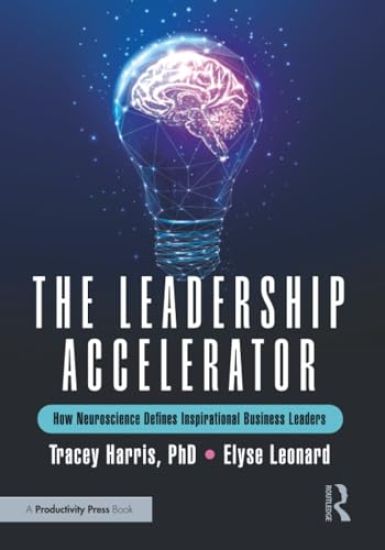
Since the COVID-19 pandemic, providing leadership instructions often results in staff expressing psychological impacts. Teams are less connected, working in hybrid environments, and often entire teams are reluctant to return to the workplace in favor of working independently and maintaining a team focus through online mechanisms. Companies are more fragmented and more and more they are moving their services from being in a constant workplace to those of reducing costs and securing more efficiencies. This has resulted in leaders needing new skills and knowledge to move from being task-based leaders to providing leadership using neuroscience. More and more leaders have found themselves in leadership roles purely from having to do the job. This has hastened the need to explore new communication methods, close generational differences, and leverage cutting-edge neuroscience in leadership. By doing so, leaders can better understand how to optimize the workforce, communicate more effectively, and lead with the brain in mind. The book gives leaders, CEOs, managers, and Directors a comprehensive practical guide with the latest information about neurocare in leadership and how to evaluate their effectiveness through our evidence-based leadership capability framework. It explores topics that, when considered together, transform how leaders think about leadership. This book explores the concepts required to be effective -- enabling employees to feel validated and providing leaders with a resource to uplift their capabilities while maintaining their well-being and mental health in leadership.

Since the COVID-19 pandemic, providing leadership instructions often results in staff expressing psychological impacts. Teams are less connected, working in hybrid environments, and often entire teams are reluctant to return to the workplace in favor of working independently and maintaining a team focus through online mechanisms. Companies are more fragmented and more and more they are moving their services from being in a constant workplace to those of reducing costs and securing more efficiencies. This has resulted in leaders needing new skills and knowledge to move from being task-based leaders to providing leadership using neuroscience. More and more leaders have found themselves in leadership roles purely from having to do the job. This has hastened the need to explore new communication methods, close generational differences, and leverage cutting-edge neuroscience in leadership. By doing so, leaders can better understand how to optimize the workforce, communicate more effectively, and lead with the brain in mind. The book gives leaders, CEOs, managers, and Directors a comprehensive practical guide with the latest information about neurocare in leadership and how to evaluate their effectiveness through our evidence-based leadership capability framework. It explores topics that, when considered together, transform how leaders think about leadership. This book explores the concepts required to be effective -- enabling employees to feel validated and providing leaders with a resource to uplift their capabilities while maintaining their well-being and mental health in leadership.

The final part of the explosive Celtic Colours Trilogy When the big men get around the table on Good Friday of 1998 and sign up to peace in Northern Ireland nine year old Cian Duffy’s story should have ended. Instead it is the beginning of a decade of Troubles for him. Haunted by his mother’s IRA past and chased by present day violence sectarianism, Cian ends up being forced to flee peace-torn Belfast. Facing a life in exile, he reconciles himself to the past and makes a new life for himself, somewhere he feels he belongs. Then Britain votes for Brexit; the old adage of England’s difficulty being Ireland’s opportunity is tabled yet again and Cian has to confront the past and the future. White Leaves of Peace is a stark reminder that ending a war takes more than the signing of a treaty. Peace is hard won. You have to fight for it.



Learning Microbiology and Infectious Diseases: Clinical Case Prep for the USMLE®
Tracey A. H. Taylor; Dwayne Baxa; Matthew Sims
Thieme Medical Publishers Inc
2020
pokkari
High-yield microbiology cases help students apply knowledge and prepare for board exams Learning Microbiology and Infectious Diseases: Clinical Case Prep for the USMLE® by Tracey A. H. Taylor, Dwayne Baxa, and Matthew Sims presents diverse cases that encourage problem-based learning, which is key to building diagnostic skills. Each case portrays a real-life scenario, promoting a bridge from foundational knowledge to its application. A series of USMLE-style questions with thorough explanations provide an understanding of microbiology and infectious diseases, an ability to differentiate between infections and viruses, and identify bacteria, fungi, and parasites. Questions cover causative agents, disease transmission, mechanism of pathogenesis action, and pharmacotherapy. Key Features50 case studies with images mirror situations seen in everyday practiceAn intermingling of bacteriology, virology, mycology, parasitology cases, and organ systems reflect real-world patient scenarios and encourage critical thinkingComprehensive cases encompass symptoms and duration, medical and family history, physical exam and lab findings, differential diagnosis, and treatment and prevention This essential, highly practical resource will help medical students build problem-solving skills, assess microbiology and infectious disease knowledge, and fully prepare for the boards.
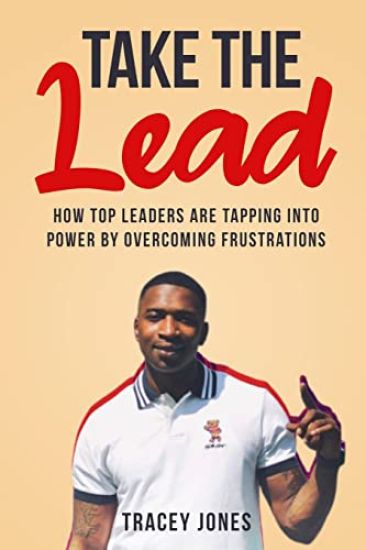
Take The Lead helps purpose-driven business leaders overcome frustration. Many top leaders have a unique talent and supreme work ethic. However, managing emotions and learning not to react is an area that needs constant development. Success isn't a secret. It takes methods, strategies, and visualization. You will learn how to identify frustration. Become able to observe where the disappointment comes from; you will notice strategies and techniques that will allow you to tap into your greatness-plan to prosper. Take the lead and learn how top leaders are tapping into power by overcoming frustration.

The Learn to Swim book is a superb how-to guide for parents and caregivers to teach their baby the basics of swimming and water familiarization in the lead up to, and in conjunction with, swimming lessons. Each chapter focuses on a new skill for the parent and baby to learn together in the bath or pool. The skills—illustrated by detailed photos, key learning points, and troubleshooting suggestions—are for beginner, intermediate, and advanced levels, catering to all stages of learning from those fearful of water to the most water-confident babies all over the world. This book can be adapted to bath time, pools, lakes, or beaches and shows what parents can do with their baby in a safe environment, paving the way for a strong swimming toddler. This book also addresses concerns new parents may have with a dedicated FAQ section that will also answer the age-old question: “Will my baby drink the water?” Finally, key safety information—including supervision, swim wear, floaties, pool fences, and a special chapter on babies with special needs—are all expertly addressed.