Digital transformation (DT) has emerged as a distinctive and evolving phenomenon that is reshaping individuals, organizations, and societies. Although it was initially perceived as a new label for long-standing processes, it has become increasingly evident that DT embodies unique and novel characteristics that set it apart from related concepts such as digitalization and digitization. Addressing a gap in current research, this book explores the specific innovations and implications associated with DT and artificial intelligence. It builds on insights developed through more than four years of direct involvement in the digital transformation of complex organizations, drawing on the reflections, experiences, and understandings that arose from this sustained engagement. Furthermore, advanced text analysis techniques are employed to uncover the distinctive features of digital transformation across multiple disciplines. While the book primarily targets scholars in fields such as information systems, organization studies, and innovation management, it also offers practical insights relevant to a broader audience interested in understanding the multifaceted nature of digital transformation.
An essential primer for students and first-stop reference for professionals, The Fashion Design Reference & Specification Book takes the fashion designer through the entire design process, from conceiving a garment to marketing it.This valuable handbook contains the information and ideas essential to planning and executing fashion projects of every scale and distills them in an easy-to-use format that is compact enough to slip into a tote. Linking six central phases in the cycle of fashion-research, editing, design, construction, connection, and evolution-The Fashion Design Reference & Specification Book helps designers develop effective strategies for building a cohesive collection and communicating their vision.
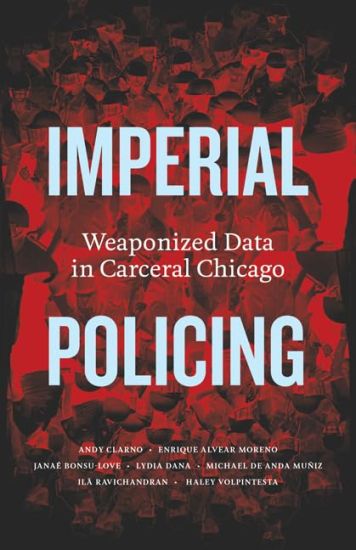
Exposing the carceral webs and weaponized data that shape Chicago’s police wars Chicago is a city with extreme concentrations of racialized poverty and inequity, one that relies on an extensive network of repressive agencies to police the poor and suppress struggles for social justice. Imperial Policing examines the role of local law enforcement, federal immigration authorities, and national security agencies in upholding the city’s highly unequal social order. Collaboratively authored by the Policing in Chicago Research Group, Imperial Policing was developed in dialogue with movements on the front lines of struggles against racist policing in Black, Latinx, and Arab/Muslim communities. It analyzes the connections between three police “wars”-on crime, terror, and immigrants-focusing on the weaponization of data and the coordination between local and national agencies to suppress communities of color and undermine social movements. Topics include high-tech, data-based tools of policing; the racialized archetypes that ground the police wars; the manufacturing of criminals and terrorists; the subversion of sanctuary city protections; and abolitionist responses to policing, such as the Erase the Database campaign. Police networks and infrastructure are notoriously impenetrable to community members and scholars, making Imperial Policing a rare, vital example of scholars working directly with community organizations to map police networks and intervene in policing practices. Engaging in a methodology designed to provide support for transformative justice organizations, the Policing in Chicago Research Group offers a critical perspective on the abolition of imperial policing, both in Chicago and around the globe.
Exposing the carceral webs and weaponized data that shape Chicago’s police wars Chicago is a city with extreme concentrations of racialized poverty and inequity, one that relies on an extensive network of repressive agencies to police the poor and suppress struggles for social justice. Imperial Policing examines the role of local law enforcement, federal immigration authorities, and national security agencies in upholding the city’s highly unequal social order. Collaboratively authored by the Policing in Chicago Research Group, Imperial Policing was developed in dialogue with movements on the front lines of struggles against racist policing in Black, Latinx, and Arab/Muslim communities. It analyzes the connections between three police “wars”-on crime, terror, and immigrants-focusing on the weaponization of data and the coordination between local and national agencies to suppress communities of color and undermine social movements. Topics include high-tech, data-based tools of policing; the racialized archetypes that ground the police wars; the manufacturing of criminals and terrorists; the subversion of sanctuary city protections; and abolitionist responses to policing, such as the Erase the Database campaign. Police networks and infrastructure are notoriously impenetrable to community members and scholars, making Imperial Policing a rare, vital example of scholars working directly with community organizations to map police networks and intervene in policing practices. Engaging in a methodology designed to provide support for transformative justice organizations, the Policing in Chicago Research Group offers a critical perspective on the abolition of imperial policing, both in Chicago and around the globe.