Kirjojen hintavertailu. Mukana 11 213 693 kirjaa ja 12 kauppaa.

Kirjahaku

Etsi kirjoja tekijän nimen, kirjan nimen tai ISBN:n perusteella.

564 tulosta hakusanalla Waverley Scotland

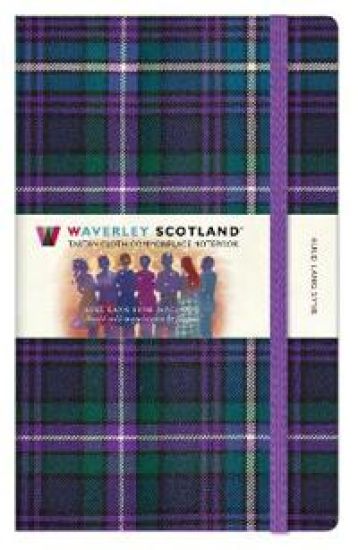
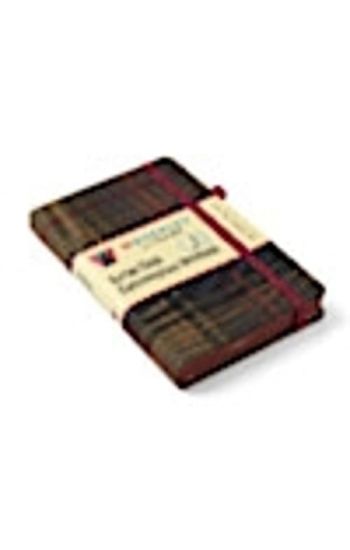
Waverley Scotland Tartan Notebook: Auld Lang Syne Tartan Large Notebook 21cm x 13cm
Auld Lang Syne Tartan Cloth Notebook from Waverley Books. Bound in genuine British tartan cloth 21cm x 13cm 192 pages, with 8 perforated end leaves, expandable end pocket, tartan leaflet, ribbon marker, elastic closure, left page plain with right page ruled. Colour bookmark with tartan origin details. 80 gsm FSC cream paper.
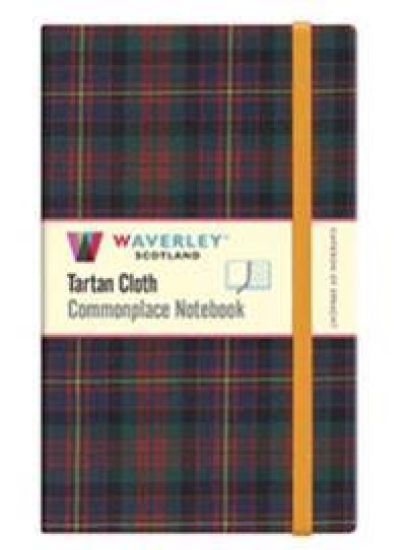
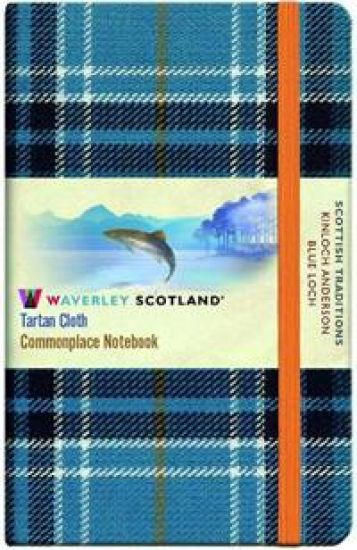
Kinloch Anderson: Waverley Scotland Genuine Tartan Cloth Commonplace Notebook
This large hardback Kinloch Anderson genuine tartan cloth notebook has 192pp of 80gsm cream paper, with left page plain, right page ruled. With a ribbon marker, an expandable inner note pocket, elastic enclosure, a leaflet about the history of tartan, and a colourful bookmark with a brief history of the Kinloch Anderson tartan. Comes in a light plastic wrapper bag. Scientists, thinkers and writers in the Scottish Enlightenment used 'commonplace notebooks' to record thoughts and ideas. Many British writers such as Virginia Woolf and Arthur Conan Doyle continued to use them. Tartan belongs to Scottish heritage and culture, and thrives today both at home and overseas. There are now over 7,000 tartans officially recorded in the Scottish Register of Tartans located within the National Archive of Scotland. Waverley Books (Waverley Scotland) are delighted to innovate on the commonplace notebook idea with the Waverley tartan notebooks bound in genuine tartan cloth supplied by Kinloch Anderson, Edinburgh, sourced from weavers in Scotland, and the Borders.
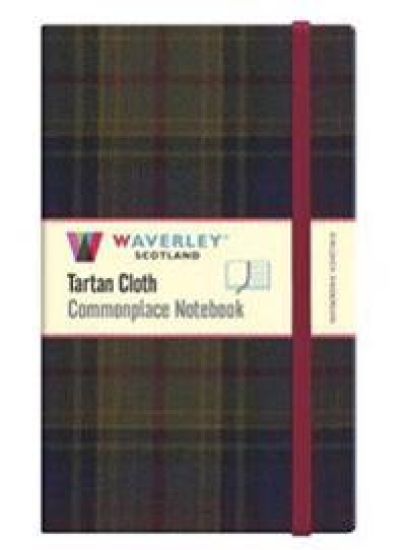
Cameron of Erracht: Waverley Scotland Large Tartan Commonplace Notebook
This large hardback Cameron of Erracht genuine tartan cloth notebook has 192pp of 80gsm cream paper, with left page plain, right page ruled. With a ribbon marker, an expandable inner note pocket, elastic enclosure, a leaflet about the history of tartan, and a colourful bookmark with a brief history of the Cameron of Erracht tartan. Comes in a light plastic wrapper bag. Scientists, thinkers and writers in the Scottish Enlightenment used 'commonplace notebooks' to record thoughts and ideas. Many British writers such as Virginia Woolf and Arthur Conan Doyle continued to use them. Tartan belongs to Scottish heritage and culture, and thrives today both at home and overseas. There are now over 7,000 tartans officially recorded in the Scottish Register of Tartans located within the National Archive of Scotland. Waverley Books (Waverley Scotland) are delighted to innovate on the commonplace notebook idea with the Waverley tartan notebooks bound in genuine tartan cloth supplied by Kinloch Anderson, Edinburgh, sourced from weavers in Scotland, and the Borders.
The Blue Loch Tartan: Pocket: 14 x 9cm - Waverley Scotland Tartan Cloth Commonplace Notebook/Journal
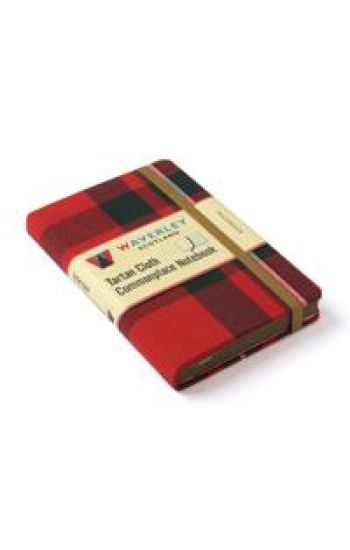
The Waverley Blue Loch Commonplace Pocket Tartan hardback Notebook has 176 pages. Made from British blue and white tartan cloth with yellow-gold edges, 80sgsm FSC acid-free paper, from sustainable forests and boards made from 100% recycled paper. Left hand side page blank, right hand side page ruled. Pocket at the back for enclosures. Bookmark with history of tartan on one side and brief story of the tartan design on the other. Leaflet with map of Scotland, explanation of the history of tartan. There are over 80 styles in the Waverley Tartan Commonplace Notebook range, in three sizes.
Flower of Scotland

Flower of Scotland

Waverley Scotland

The Gresham Publishing Co. Ltd
2020
sidottu
This Waverley mini notebook celebrates 'Auld Lang Syne', the traditional song collected by Burns, and is bound in Auld Lang Syne tartan cloth, woven in the UK. Comes with 92 pages, pen, and a leaflet with four Scottish songs.
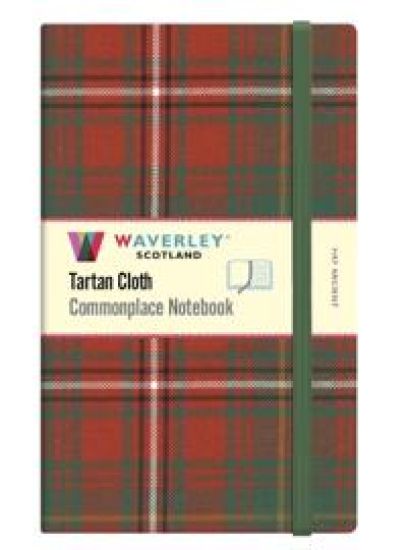
Waverley Tartan Commonplace Hay Ancient Large (21 X 13CM) Notebook

Waverley Tartan Commonplace Hay Ancient Large (21 X 13CM) Notebook

Waverley Scotland

The Gresham Publishing Co. Ltd
2023
sidottu
The Hay Ancient tartan notebook is a high quality notebook/journal (21cm x 13cm) with 192 pages (one side blank, one side ruled) from Waverley is bound in authentic tartan cloth made in the UK and made from the Hay Ancient Tartan. Made with FSC paper and recycled boards, and bound in the Hay Ancient Tartan that has colours of red with muted greens and white, black and yellow.
Waverley Blue Loch Tartan cloth mini notebook with pen

Waverley Blue Loch Tartan cloth mini notebook with pen

Waverley Scotland

The Gresham Publishing Co. Ltd
2025
sidottu
Materials used in manufacture Paper materials: FSC 80gsm cream Endpapers are 170 gsm and 180gsm FSC creamBellyband/wrapper: FSC 128gsmBoard: 100% grey coloured thick boardEach mini notebook is bound in genuine British cloth with elastic closure, ribbon marker, eight perforated end leaves and expandable inner note holder. Each includes a black retractable pen. This notebook has the left hand side blank, and the right hand side lined. Notebook comes in biodegradable film bag. Film is made from resin derived from corn or other starch/sugar processes. Waverley Scotland Tartan Commonplace Notebooks: 80 styles across 40 clans and 20 themed tartans. The tartan is made with cloth woven in mills in the United Kingdom. The tartan cloth is supplied with the authority of KINLOCH ANDERSON, holders of Royal Warrants of Appointment. Blue Loch tartan:The Blue Loch tartan cloth used to bind this notebook is popular for its blue and white shades of colour that capture the blue and white of the Scottish Saltire, and other blues that capture the thousands of lochs in Scotland, as well as its many rivers. The sky blue with gold was designed to symbolise a sunny day in Scotland. The tartan has been designed by KINLOCH ANDERSON , Leith, and this notebook is part of a range celebrating Scottish Traditions. Hills, glens, castles, heather, rowan trees are all part of Scotland's rich ancient heritage. The natural landscape in Scotland means for many people an escape to emptiness, space, scale, natural wild beauty, shapes and silhouettes of rock that has been formed by past glacial activity. Being in this landscape means an escape from stress and brings new possibilities and ideas.
Waverley Anderson Tartan cloth mini notebook with pen

Waverley Anderson Tartan cloth mini notebook with pen

Waverley Scotland

The Gresham Publishing Co. Ltd
2025
sidottu
This Waverley Anderson Tartan cloth notebook is in mini size with penMaterials used in manufacture Paper materials: FSC 80gsm cream Endpapers are 170 gsm and 180gsm FSC creamBellyband/wrapper: FSC 128gsmBoard: 100% grey coloured thick boardEach mini notebook is bound in genuine British cloth with elastic closure, ribbon marker, eight perforated end leaves and expandable inner note holder. Each includes a black retractable pen. This notebook has the left hand side blank, and the right hand side lined. Notebook comes in biodegradable film bag. Film is made from resin derived from corn or other starch/sugar processes. Waverley Scotland Tartan Commonplace Notebooks: 80 styles across 40 clans and 20 themed tartans. The tartan is made with cloth woven in mills in the United Kingdom. The tartan cloth is supplied with the authority of KINLOCH ANDERSON, holders of Royal Warrants of Appointment. Anderson tartan:The Anderson tartan cloth associated with the family name or clan Anderson and MacAndrew in Scotland are connected to St Andrew.The name is widespread. The motto of the Clan Anderson is 'Stand Sure' and the crest includes an oak tree. The name is found across Scandinavia, Germany and the Netherlands, and its form originates from Norse Vikings. The name MacAndrew meaning son of Andrew, is more common in the Highlands, and Anderson is the more common form in the Lowlands.
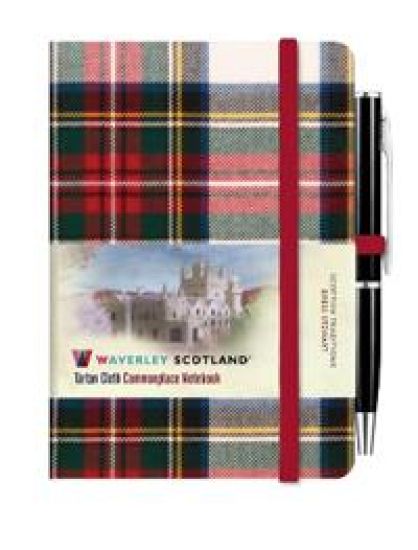
Waverley Commonplace Notebooks:Dress Stewart Tartan Mini Notebook with Pen (10.5 x 7cm)
Waverley Tartan Cloth Commonplace Notebook: Dress Stewart Mini Notebook with pen (10.5 x 7cm) is a gift item, using recycled materials and paper from certified sustainable forests.Each mini notebook is bound in genuine British cloth with elastic closure, ribbon marker, eight perforated end leaves and expandable inner note holder. Each notebook comes with a pen (colour is normally black but may change) This notebook has the left hand side blank, and the right hand side lined. Notebook comes in biodegradable film bag. Film is made from resin derived from corn or other starch/sugar processes. Waverley Scotland Tartan Commonplace Notebooks: 95 styles across 40 clans and 20 themed tartans. The tartan is made with cloth woven in mills in the United Kingdom. The tartan cloth is supplied with the authority of KINLOCH ANDERSON, holders of Royal Warrants of Appointment. Dress Stewart tartan: The Dress Stewart tartan cloth used to bind this notebook is a Dress version of the Royal Stewart. It is an 'arisaid' sett or pattern and that means it was worn in a dress pattern and therefore considered a feminine version of the historical masculine belted plaid. The white-based tartans influenced dance and dress tartans. Queen Victoria loved the tartan and her use of it made the tartan become fashionable and established. Just as King George IV's visit to Edinburgh in 1822 was pivotal in tartan becoming fashionable again, after its ban, then so was Queen Victoria's influence in bringing the Stewart tartan into the lasting prominence it enjoys today. Queen Victoria and Prince Albert fell in love with the Highlands and purchased Balmoral Castle in 1848 plus the surrounding land. Balmoral has been the Scottish home of the Royal Family ever since. Prince Albert used the red and Royal Stewart tartan for carpets, together with the green Hunting Stewart tartan and the red and white Dress Stewart for the curtains and upholstery. The presence of the royal castle in Balmoral has greatly increased the worldwide appeal of Scotland as a holiday destination and has also helped to create interest in the story of Scotland's clans and tartans. The mini notebook with pen is ideal for quick notes and is a handy size; light and easy to carry.
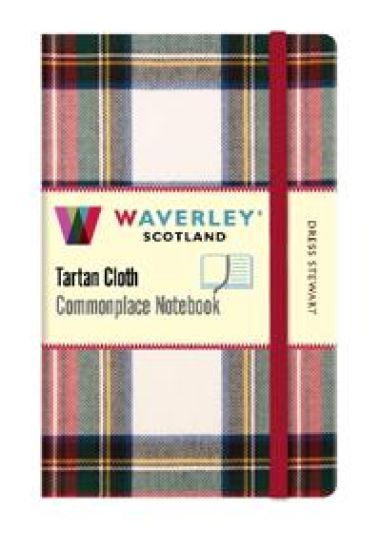
Waverley Dress Stewart Tartan cloth pocket notebook

Waverley Dress Stewart Tartan cloth pocket notebook

Waverley Scotland

The Gresham Publishing Co. Ltd
2025
sidottu
The Dress Stewart tartan cloth used to bind this notebook is a Dress version of the Royal Stewart. It is an 'arisaid' sett or pattern and that means it was worn in a dress pattern and therefore considered a feminine version of the historical masculine belted plaid. The white-based tartans influenced dance and dress tartans. Queen Victoria loved the tartan and her use of it made the tartan become fashionable and established. Just as King George IV's visit to Edinburgh in 1822 was pivotal in tartan becoming fashionable again, after its ban, then so was Queen Victoria's influence in bringing the Stewart tartan into the lasting prominence it enjoys today. Queen Victoria and Prince Albert fell in love with the Highlands and purchased Balmoral Castle in 1848 plus the surrounding land. Balmoral has been the Scottish home of the Royal Family ever since. Prince Albert used the red and Royal Stewart tartan for carpets, together with the green Hunting Stewart tartan and the red and white Dress Stewart for the curtains and upholstery. The presence of the royal castle in Balmoral has greatly increased the worldwide appeal of Scotland as a holiday destination and has also helped to create interest in the story of Scotland's clans and tartans.The pocket notebook is ideal for quick notes and is a handy size; light and easy to carry.
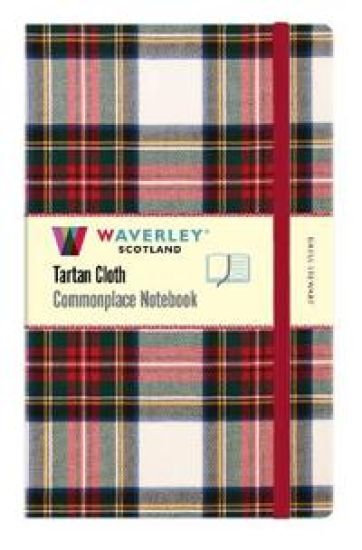
Waverley Commonplace Notebooks: Dress Stewart Large Notebook

Waverley Commonplace Notebooks: Dress Stewart Large Notebook

Waverley Scotland

The Gresham Publishing Co. Ltd
2025
sidottu
This Large Dress Stewart Tartan Notebook (21x 13cm) with 192 pages from Waverley Scotland has left page blank, right page ruled. Queen Victoria adopted the Dress Stewart tartan and it became wildly popular.The paper is FSC 80 gsm smooth cream paper from sustainable forests. It was genuine British cloth, with elastic closure, ribbon marker, eight perforated end leaves and expandable inner note holder. A removable booklet about the history of the clan tartans, and a bookmark that gives information on the Dress Stewart tartan. It is an arisaid sett of Royal Stewart tartan - a Dress version of the Royal Stewart. Dress tartans often exhanged the key part of the sett with white to achieve a more formal look. These white tartans were known as arisaids (or arasaids) worn as a dress - a long feminine version of the masculine belted plaid. King George IV's visit in 1822 was pivotal in the tartan story, and Queen Victoria was to bring her own influence on tartan. Queen Victoria was crowned Queen in 1838. The Queen and Prince Albert visited Scotland in 1842, and Queen Victoria was excited by the novels of Sir Walter Scott and in love with the idea of the Highlands. Queen Victoria and Prince Albert fell in love with the Highlands, and purchased Balmoral in 1848, and the land surrounding it. A new castle was completed in 1856 and it has been the Scottish home of the Royal Family ever since. At Balmoral, Prince Albert personally took care of the interior design, where he made great use of tartan. He utilised the red Royal Stewart and green Hunting Stewart tartans for carpets, and the Dress Stewart for curtains and upholstery. The Queen designed the Victoria tartan, and Prince Albert designed the Balmoral tartan which remains the exclusive tartan of the Sovereign of the United Kingdom today. The Dress Stewart tartan was in existence when Victoria became Queen, but became wildly popular after it was adopted by Queen Victoria and the ladies of the royal household at Balmoral. The tartan became very fashionable. By establishing an annual royal residence at Balmoral, the royal family greatly increased the appeal of Scotland as a tourist destination and helped to spread the use of tartan far beyond the borders of Scotland. The tartan cloth is supplied with the authority of Kinloch Anderson Scotland, holders of Royal Warrants of Appointment and is woven in the United Kingdom. Today Waverley Scotland has over 90 styles across 40 clans and 20 themed tartans.
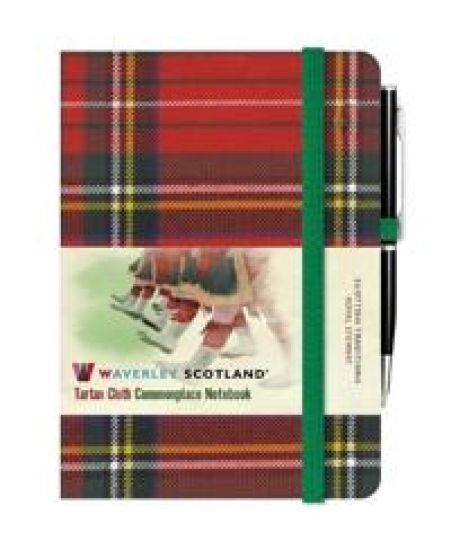
Waverley Royal Stewart Tartan Mini and Pen notebook

Waverley Royal Stewart Tartan Mini and Pen notebook

Waverley Scotland

The Gresham Publishing Co. Ltd
2025
sidottu
This Royal Stewart Tartan mini notebook is part of the Waverley Scotland series of Commonplace notebooks, one 80 styles across 40 clan and 20 themed tartans. Made with cloth woven in mills in Great Britain. The tartan cloth is supplied by and produced with the authority of KINLOCH ANDERSON SCOTLAND, holders of Royal Warrants of Appointment. This notebook is made from paper that conforms to the EUDR directive on paper sources.
Waverley (L): Black Watch Tartan Cloth Large Notebook

Waverley (L): Black Watch Tartan Cloth Large Notebook

Waverley Scotland

The Gresham Publishing Co. Ltd
2025
sidottu
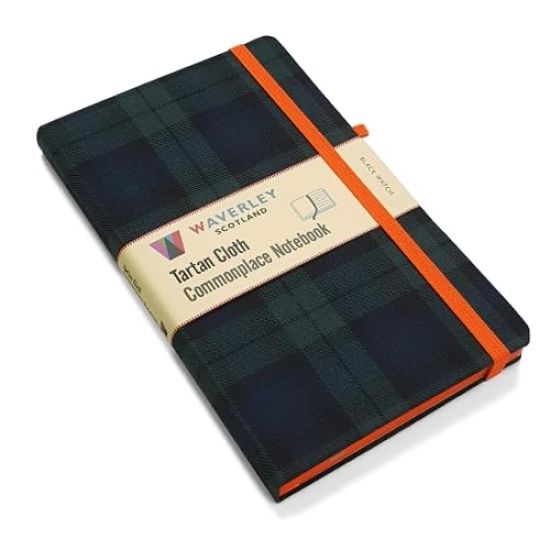
Bound in genuine British Black Watch tartan Scottish cloth supplied by Kinloch Anderson, and woven in Scotland, this hardback notebook is 21 x 13cm, with 192pp pages - each spread has left blank, right ruled. Has stained edges, ribbon marker, bookmark and inner note holder. Eight perforated end leaves and expandable inner note holder. Each includes a removable booklet and bookmark giving information on the specific tartan used for the binding. With 192 pages, acid-free threadsewn, 80 gsm cream shade pages, with round-cornered cover and bookblock corners, and a matching elastic closure. The tartan cloth is supplied by and produced with the authority of Kinloch Anderson who are tailors and kiltmakers in Edinburgh.
Waverley Heather Large Tartan Notebook (plain/lined alternately.hardback, 210x130mm)
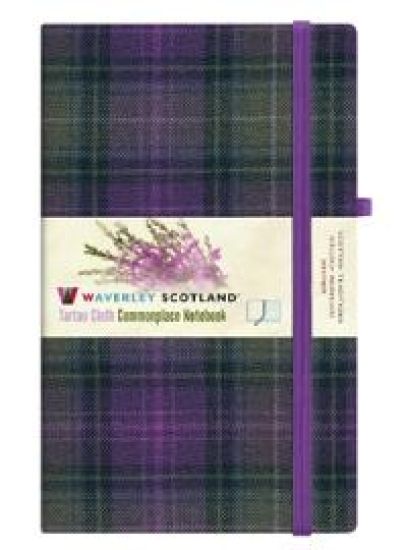
Bound in genuine British made Heather tartan Scottish cloth supplied by Kinloch Anderson, and woven in Scotland, this hardback notebook is 21 x 13cm, with 192pp pages - each spread has left blank, right ruled. The cloth is purple with a pretty illustration of heather by artist Mark Mechan. Has stained edges, ribbon marker, bookmark and inner note holder. Eight perforated end leaves and expandable inner note holder. Each includes a removable booklet and bookmark giving information on the specific tartan used for the binding. With 192 pages, acid-free threadsewn, 80 gsm cream shade pages, with round-cornered cover and bookblock corners, and a matching elastic closure. The tartan cloth is supplied by and produced with the authority of Kinloch Anderson who are tailors and kiltmakers in Edinburgh.
Waverley Kinloch Anderson Tartan Pocket Hardback Notebook (paper is blank/lined alternately) with pen loop
This Kinloch Anderson genuine tartan cloth notebook has 176pp of 80gsm cream paper, with left page plain, right page ruled. This notebook has a pen loop, and uses EUDR compliant paper. With a ribbon marker, an expandable inner note pocket, elastic enclosure, a leaflet about the history of tartan, and a colourful bookmark with a brief history of the Kinloch Anderson tartan. Comes in a light plastic wrapper bag. Scientists, thinkers and writers in the Scottish Enlightenment used 'commonplace notebooks' to record thoughts and ideas. Many British writers such as Virginia Woolf and Arthur Conan Doyle continued to use them. Tartan belongs to Scottish heritage and culture, and thrives today both at home and overseas. There are now over 7,000 tartans officially recorded in the Scottish Register of Tartans located within the National Archive of Scotland. Waverley Books (Waverley Scotland) are delighted to innovate on the commonplace notebook idea with the Waverley tartan notebooks bound in genuine tartan cloth supplied by Kinloch Anderson, Edinburgh, sourced from weavers in Scotland, and the Borders.
Waverley (M): MacGregor Tartan Cloth Commonplace Notebook
This MacGregor genuine tartan cloth notebook has 176pp of 80gsm cream paper, with left page plain, right page ruled. With a ribbon marker, an expandable inner note pocket, elastic enclosure, a leaflet about the history of tartan, and a colourful bookmark with a brief history of the MacGregor tartan. Cloth supplied by tailors and kilt makers Kinloch Anderson. Comes in a light plastic wrapper bag. Scientists, thinkers and writers in the Scottish Enlightenment used 'commonplace notebooks' to record thoughts and ideas. Many British writers such as Virginia Woolf and Arthur Conan Doyle continued to use them. Tartan belongs to Scottish heritage and culture, and thrives today both at home and overseas. There are now over 7,000 tartans officially recorded in the Scottish Register of Tartans located within the National Archive of Scotland. Waverley Books (Waverley Scotland) are delighted to innovate on the commonplace notebook idea with the Waverley tartan notebooks bound in genuine tartan cloth supplied by kiltmakers and tailors Kinloch Anderson, Edinburgh, sourced from weavers in Scotland, and the Borders.
Skye Boat Song Tartan Notebook (mini with pen)

Skye Boat Song Tartan Notebook (mini with pen)

Waverley Scotland

The Gresham Publishing Co. Ltd
2020
sidottu
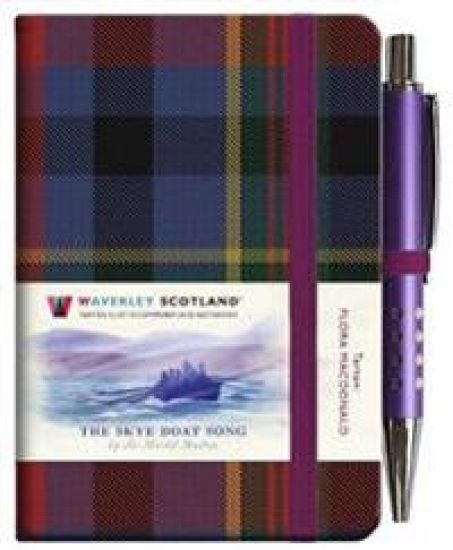
This Waverley notebook celebrates 'The Skye Boat Song' and is bound in Isle of Skye tartan cloth, woven in the UK. With 92 pages, the mini notebook comes with a retractable pen, and a song book with four Scottish songs.`The Skye Boat Song' recalls the journey of Bonnie Prince Charlie from Uist to the Isle of Skye.
Auld Lang Syne Tartan Notebook (mini with pen)

Auld Lang Syne Tartan Notebook (mini with pen)

Waverley Scotland

Waverley Books
2020
sidottu
This Waverley notebook celebrates the traditional Scottish song 'Auld Lang Syne' sung worldwide at New Year and weddings, and is bound in Auld Lang Syne tartan cloth, woven in the UK. With 92 pages, the mini notebook comes with a retractable pen, and a songbook with four Scottish songs. Parts of `Auld Lang Syne' dates back to 1500 but Robert Burns contributed the song to the 1796 publication `Scots Musical Museum'. `Auld Lang Syne' translates as `old long since' and means `times gone by'. The song asks whether old friends and times will be forgotten, and promises to remember people of the past with fondness: `For auld lang syne, we'll tak' a cup o' kindness yet.' It is the most commonly sung song for English-speakers on New Year's Eve, popularized by band leader Guy Lombardo in New York in the mid 1920s, who first heard it sung by immigrant Scots in London, Ontario, Canada. It is now a New Year tradition sung around the world.