Kirjahaku
Etsi kirjoja tekijän nimen, kirjan nimen tai ISBN:n perusteella.
1000 tulosta hakusanalla Wellington Lambert

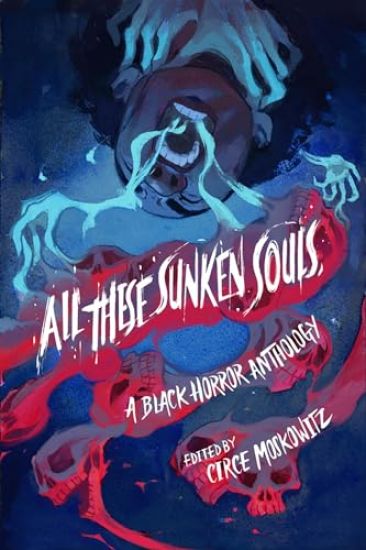
All These Sunken Souls
Kalynn Bayron; Ashia Monet; Liselle Sambury; Sami Ellis; Joel Rochester; Joelle Wellington; Brent C. Lambert; Donyae Coles; Ryan Douglass
Academy Chicago Publishers
2024
nidottu
Welcome to the Dark. We are all familiar with tropes of the horror genre: slasher and victims, demon and the possessed. Bloody screams, haunted visions, and the peddler of wares we aren’t sure we can trust. In this young adult horror anthology, fans of Jordan Peele, Lovecraft Country, and Horror Noire will get a little bit of everything they love—and a lot of what they fear—through a twisted blend of horror lenses, from the thoughtful to the terrifying. From haunted, hungry Victorian mansions, temporal monster–infested asylums, and ravaging zombie apocalypses, to southern gothic hoodoo practitioners and cursed patriarchs in search of Black Excellence, All These Sunken Souls features the chilling creations of acclaimed bestsellers and hot new talents.- - - - - ContributorsKalynn Bayron @KalynnBayronAshia Monet @AshiaMonetLiselle Sambury @LiselleSamburySami Ellis @themoosefJoel Rochester @fictionalfatesJoelle Wellington @joelle_wellingBrent C. Lambert @BrentCLambertDonyae Coles @okoknoRyan Douglass @ryandouglasswCirce Moskowitz @circemoskowitz
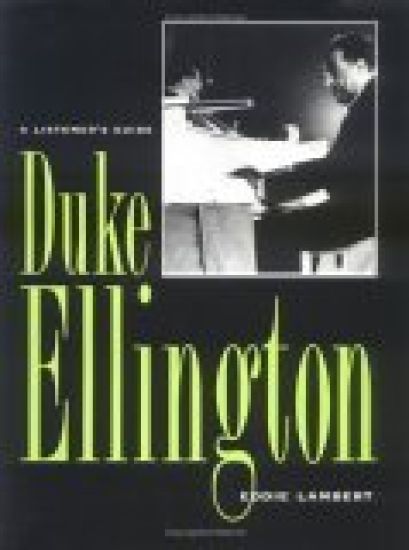
Provides jazz scholars, specialists, and both novice and experienced listeners with a detailed, critical commentary on this jazz master's recordings from 1924 to 1974. The guide begins with a brief overview of the artist and the complexity and unending creativity of his music. The chapters follow the chronological sequence covering identifiable stages in output and list essential Ellingtonia. The appendixes include a bibliography, a comprehensive discography listing both LPs and CDs, a list of useful addresses, and a list of Ellington musicians and the date of their membership in the band.
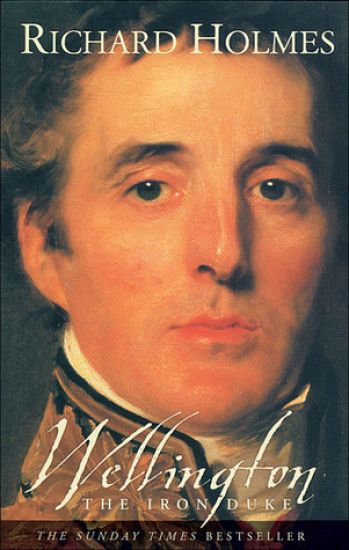
This title charts Wellington's military career from India to Europe, rediscovering the reasons Queen Victoria called him the greatest man the 19th century had produced. Combining historical analysis with a semi-biographical examination, it examines all facets of the Iron Duke.
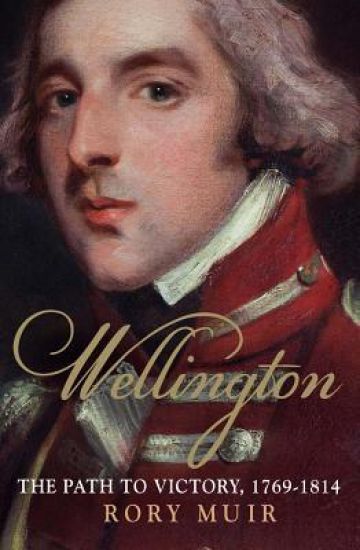
A landmark contribution to understanding the real man behind the heroic legend inspired by the triumph at Waterloo The Duke of Wellington was not just Britain’s greatest soldier, although his seismic struggles as leader of the Allied forces against Napoleon in the Peninsular War deservedly became the stuff of British national legend. Wellington was much more: a man of vision beyond purely military matters, a politically astute thinker, and a canny diplomat as well as lover, husband, and friend. Rory Muir’s masterful new biography, the first of a two-volume set, is the fruit of a lifetime’s research and discovery into Wellington and his times. The author brings Wellington into much sharper focus than ever before, addressing his masterstrokes and mistakes in equal measure. Muir looks at all aspects of Wellington’s career, from his unpromising youth through his remarkable successes in India and his role as junior minister in charge of Ireland, to his controversial military campaigns. With dramatic descriptions of major battles and how they might have turned out differently, the author underscores the magnitude of Wellington’s achievements. The biography is the first to address the major significance of Wellington’s political connections and shrewdness, and to set his career within the wider history of British politics and the war against Napoleon. The volume also revises Wellington’s reputation for being cold and aloof, showing instead a man of far more complex and interesting character.
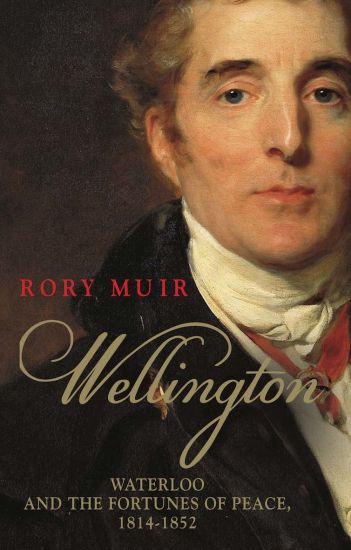
From the leading Wellington historian, a fascinating reassessment of the Duke’s most famous victory and his role in the turbulent politics after Waterloo Wellington’s momentous victory over Napoleon was the culminating point of a brilliant military career. Yet Wellington’s achievements were far from over: he commanded the allied army of occupation in France to the end of 1818, returned home to a seat in Lord Liverpool’s cabinet, and became prime minister in 1828. He later served as a senior minister in Peel’s government and remained Commander-in-Chief of the Army for a decade until his death in 1852. In this richly detailed work, the second and concluding volume of Rory Muir’s definitive biography, the author offers a substantial reassessment of Wellington’s significance as a politician and a nuanced view of the private man behind the legend of the selfless hero. Muir presents new insights into Wellington’s determination to keep peace at home and abroad, achieved by maintaining good relations with the Continental powers and resisting radical agitation while granting political equality to the Catholics in Ireland rather than risk civil war. And countering one-dimensional pictures of Wellington as a national hero, Muir paints a portrait of a well-rounded man whose austere demeanor on the public stage belied his entertaining, gossipy, generous, and unpretentious private self.
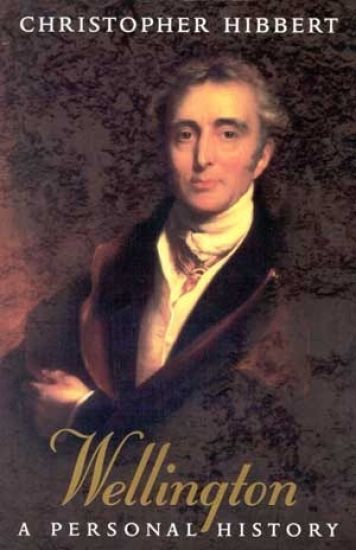
A bestseller in hardback, this is a highly-praised and much-needed biography of the first Duke of Wellington, concentrating on the personal life of the victor of Waterloo, and based on the fruits of modern research. Christopher Hibbert is Britain�s leading popular historian.
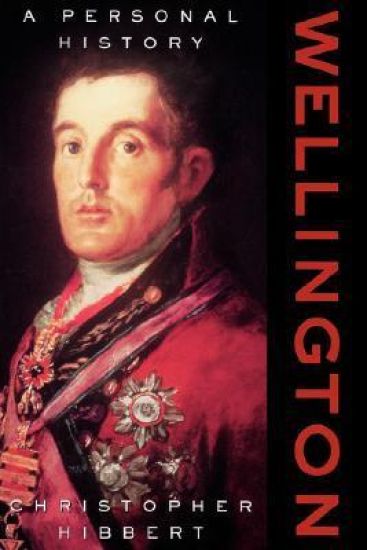
A brilliant general, remembered most for his defeat of Napoleon at Waterloo, Wellington was also a politician of commanding presence. Elected Prime Minister in 1827, he was an influential adviser to kings and queens, and became deeply involved in all the major scandals of the time, delighting in mixing himself up in other people's affairs. Celebrated for his sardonic humor and savage rages which alternated with irresistible charm, he concealed a deep humanity behind a veneer of aloofness that gained him the sobriquet, "the Iron Duke." Filled with fresh insights on aspects of Wellington's life and character, Christopher Hibbert has shown once again why he is one of our finest popular historians.
Wellington (1769-1852), the 'Iron Duke' is probably one of the best known military commanders of British history, but this short biography also reveals the complex workings of this frequently most misunderstood of British heroes.The sensitive, withdrawn child of Irish aristocrats, Wellington was pushed into the army as 'food for powder', stumbling his way through Flanders fields, an abortive love affair and the banqueting halls of Dublin Castle to reach India at the age of twenty-seven. It was there he made his name and he returned to England, and marriage to Kitty Pakenham, as Sir Arthur Wellesley. He then took command of the Allied Armies in Portugal and Spain against Napoleon, a prolonged campaign which ended in victory. In the gaiety of Paris, Mme de Stael, Harriet Arbuthnot and others vied to entertain the victorious general.After Napoleon's escape from Elba, Wellington became commander-in-chief of the British forces, and in 1815 confronted the French at Waterloo. After that decisive but bloody battle, Wellington never fired another shot. He returned to political life, becoming Prime Minister in 1828, and saw through the Catholic emancipation of Ireland, which however split the Tory party.

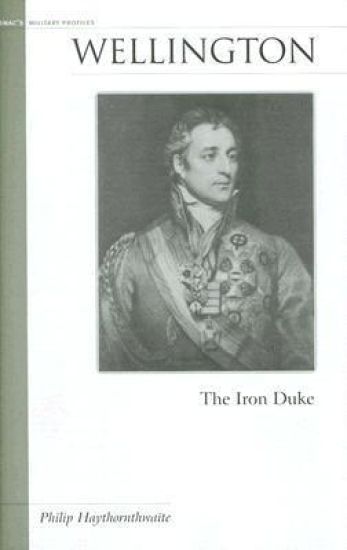
One of the Duke of Wellington's officers once remarked, "We would rather see his long nose in the sight than a reinforcement of ten thousand men." Arthur Wellesley, first duke of Wellington (1769–1852), was one of the greatest military commanders in history and is best known as the successful opponent at Waterloo of arguably the leading general of all time, Napoleon Bonaparte. Although Waterloo is the battle most associated with Wellington, his career was much wider. He gained his first military experience in the Netherlands in 1793-94 in an unsuccessful campaign that taught him, as he said,"how not to do it." From there he went to India, where he conducted a number of successful campaigns and honed his military skills until he became Britain's leading general. With great strategic foresight and as master not only of the battlefield but also of organization and logistics, he helped expel the French from Spain and Portugal during the Peninsular War, which materially weakened Napoleon's strategic position and led to his downfall in 1814. After Napoleon returned from exile in 1815, Wellington was a principal leader of the coalition forces at Waterloo. In subsequent years, Wellington exerted a considerable influence on British politics, serving as prime minister and in later life as a trusted elder statesman. Upon his death, he was widely regarded as the greatest Briton of his generation and undisputedly one of the greatest British soldiers. The Duke of Wellington has been the subject of many biographies over the years but none as comprehensive yet concise as this latest addition to Potomac's Military Profiles series.
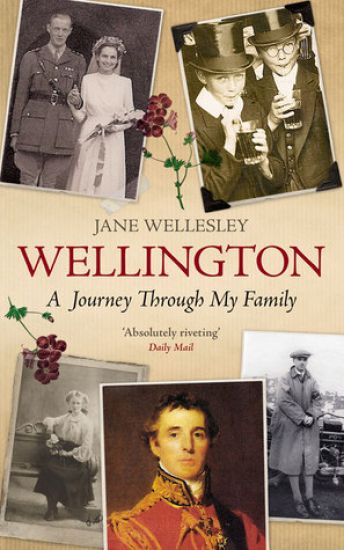
Reissued for the 200th anniversary of the Battle of Waterloo The first Duke of Wellington's victory at Waterloo in 1815 is remembered as one of our nation's greatest triumphs and, two hundred years on, the 'Iron Duke' is still very much a public figure. But here, Jane Wellesley's family memoir paints an altogether more intimate and compelling portrait.Jane journeys through the past, unearthing memories and secrets to illuminate her family tree. It is a saga peppered with fascinating characters: the 2nd Duke was a full-time eccentric and had his lawnmower pulled by an elephant; the 7th Duke, Jane's grandfather, worked for MI6; and Jane's grandmother's involvement with writer Vita Sackville-West created ripples in the Bloomsbury set as well as her marriage.The Wellesley story shows how Wellington's descendants have lived on in the light of their ancestor's fame, and how a family is so much more than the history of one man.
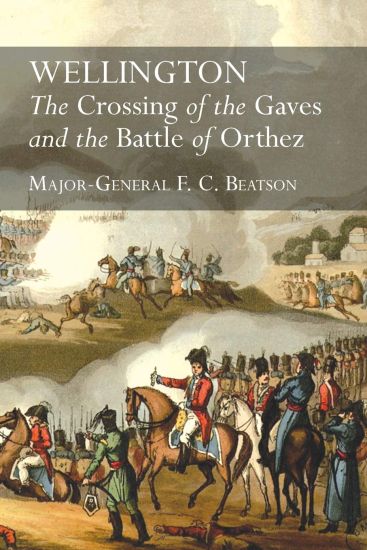

In 1932, the British Air Ministry issued Specification B.9/32 for a twin-engined day bomber. Key to its design success was the removal of all restrictions on the unladen weight of aircraft, enabling designers to select a powerplant suitable for the designated role of the aircraft. Significant to its success was the development of the revolutionary geodetic construction method, which allowed a traditional fabric-covered skin to clothe an innovative super-strength 'basket woven' aircraft skeleton. The Wellington had the potential to carry nine 500lb bombs or nine 250lb bombs for long-range attack and was declared one of the most advanced aircraft of the day. Throughout its lifespan, 19 different marks were developed, including many sub variants for a variety of roles. The Wellington's contribution to Britain's war effort was remarkable, initially providing the backbone for Bomber Command and remaining in service throughout the entire war. Packed with historic photographs, detailed specifications, eye-witness accounts and manufacturing records, this new book edition of Aeroplane Icons: Vickers Wellington details the history and development of one of World War Two's most iconic bomber aircraft, providing a complete overview of its role in service.
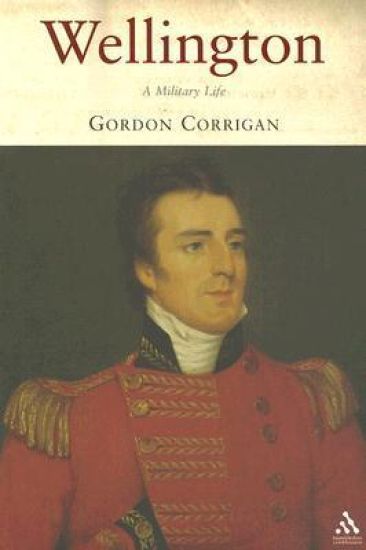
The Duke of Wellington, the most successful of British commanders, set a standard by which all subsequent British generals have been measured. His defeat of Napoleon at Waterloo in 1815 crowned a reputation first won in India at Assaye and then confirmed during the Peninsular War, where he followed up his defence of Portugal by expelling the French from Spain. Gordon Corrigan, himself an ex-soldier, examines his claims to greatness. Wellington was in many ways the first modern general, combining a mastery of logistics with an ability to communicate and inspire. He had to contend not only with enemy armies, but also with his political masters and an often sceptical public at home.