

Kirjahaku
Etsi kirjoja tekijän nimen, kirjan nimen tai ISBN:n perusteella.
1000 tulosta hakusanalla William M. Blackburn


St. Patrick And The Early Church Of Ireland (1869)
William M. Blackburn
KESSINGER PUBLISHING, LLC
2008
sidottu

Ulrich Zwingli, The Patriotic Reformer: A History (1868)
William M. Blackburn
KESSINGER PUBLISHING, LLC
2008
sidottu

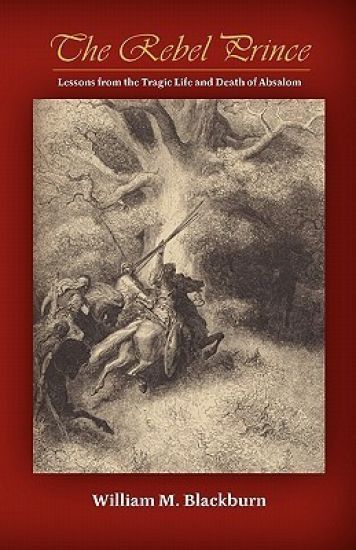
"And the king was much moved, and went up to the chamber over the gate, and wept: and as he went, thus he said, 'O my son Absalom, my son, my son Absalom would God I had died for thee, O Absalom, my son, my son ' . . . But the king covered his face, and the king cried with a loud voice, 'O my son Absalom, O Absalom, my son, my son '" These words taken from Second Samuel 18:33 and 19:4 are among the saddest words found in all the Bible. They are the words of King David, whose son, Absalom, had been struck down as he fled for his life after leading a treacherous rebellion against his father's throne. The book you now hold in your hand is a powerful and penetrating examination of the tragic life and death of Absalom, The Rebel Prince. It is perfect for Family Worship, personal devotions, or pastoral meditation.

The Rebel Prince - or, Lessons from the career of the young man Absalom is an unchanged, high-quality reprint of the original edition of 1864. Hansebooks is editor of the literature on different topic areas such as research and science, travel and expeditions, cooking and nutrition, medicine, and other genres. As a publisher we focus on the preservation of historical literature. Many works of historical writers and scientists are available today as antiques only. Hansebooks newly publishes these books and contributes to the preservation of literature which has become rare and historical knowledge for the future.

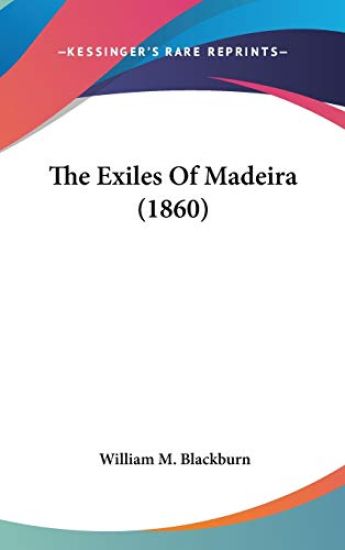
The Exiles of Madeira is an unchanged, high-quality reprint of the original edition of 1860. Hansebooks is editor of the literature on different topic areas such as research and science, travel and expeditions, cooking and nutrition, medicine, and other genres.As a publisher we focus on the preservation of historical literature.Many works of historical writers and scientists are available today as antiques only. Hansebooks newly publishes these books and contributes to the preservation of literature which has become rare and historical knowledge for the future.

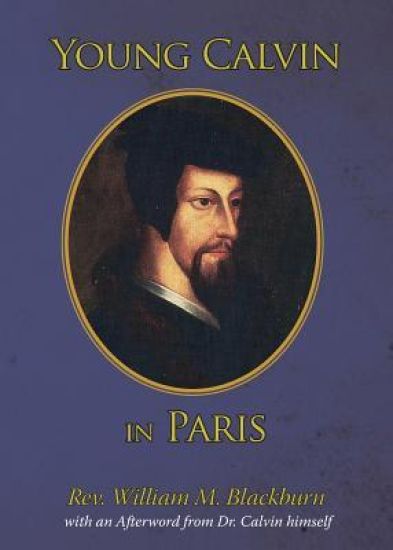
Young Calvin in Paris, and the Little Flock That He Fed. by the Rev. Wm. M. Blackburn.
William Maxwell Blackburn
University of Michigan Library
2006
pokkari

Ulrich Zwingli, the Patriotic Reformer. A History. by the Rev. Wm. M. Blackburn ...
William Maxwell Blackburn
University of Michigan Library
2006
pokkari
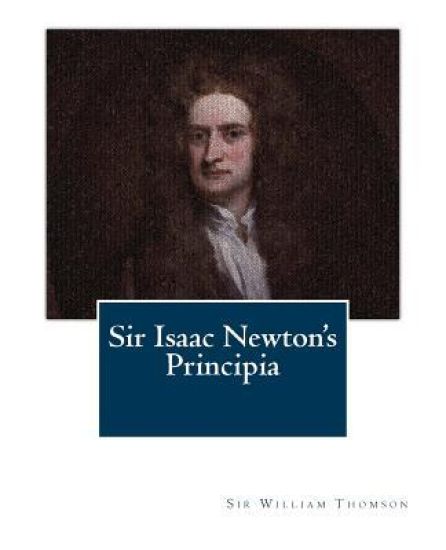
Sir Isaac Newton's Principia
Hugh Blackburn M. a.; Sir William Thomson LL D.
Createspace Independent Publishing Platform
2012
nidottu


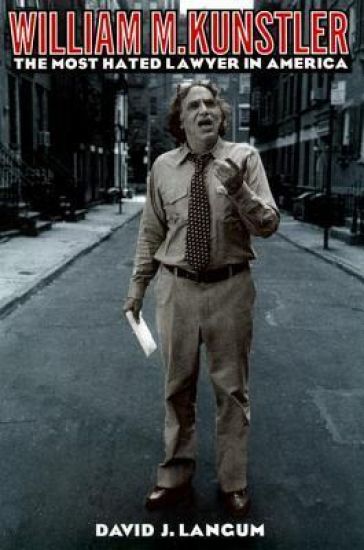
The true story of the defender of the Chicago 7 Alternately vilified as a publicity-seeking egoist and lauded as a rambunctious, fearless advocate, William Kunstler consistently embodied both of these qualities. Kunstler's unrelenting, radical critique of American racism and the legal system took shape as a result of his efforts to enlist the federal judicial system to support the civil rights movement. In the late 60s and the 70s, Kunstler, refocusing his attention on the Black Power and anti-war movement, garnered considerable public attention as defender of the Chicago Seven, and went on to represent such controversial figures as Leonard Peltier, the American Indian Movement leader charged with killing an FBI agent, and Jack Ruby, the killer of Lee Harvey Oswald. Later, Kunstler briefly represented Colin Ferguson, the Long Island Railroad mass murderer, outraging fans and detractors alike with his invocation of the infamous "black rage" defense. Defending those most loathed by mainstream, conventional America, William Kunstler delighted in taking on fiercely political cases, usually representing society's outcasts and pariahs free of charge and often achieving remarkable courtroom results in seemingly hopeless cases. Though Kunstler never gave up his revolutionary underpinnings, he gradually turned from defending clients whose political beliefs he personally supported to taking on apolitical clients, falling back on the broad rationale that his was a general struggle against an oppressive government. What ideological and tactical motives explain Kunstler's obsessive craving for media attention, his rhetorical flourishes in the courtroom and his instinctive and relentless drive for action? How did Kunstler migrate from a comfortable middle-class background to a life as a staunchly rebellious figure in social and legal history? David Langum's portrait gives depth to the already notorious breadth of William Kunstler's life.
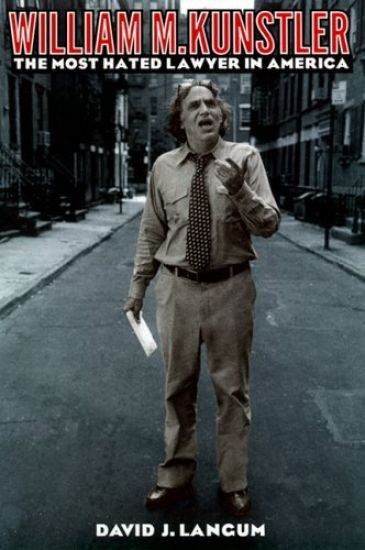
The true story of the defender of the Chicago 7 Alternately vilified as a publicity-seeking egoist and lauded as a rambunctious, fearless advocate, William Kunstler consistently embodied both of these qualities. Kunstler's unrelenting, radical critique of American racism and the legal system took shape as a result of his efforts to enlist the federal judicial system to support the civil rights movement. In the late 60s and the 70s, Kunstler, refocusing his attention on the Black Power and anti-war movement, garnered considerable public attention as defender of the Chicago Seven, and went on to represent such controversial figures as Leonard Peltier, the American Indian Movement leader charged with killing an FBI agent, and Jack Ruby, the killer of Lee Harvey Oswald. Later, Kunstler briefly represented Colin Ferguson, the Long Island Railroad mass murderer, outraging fans and detractors alike with his invocation of the infamous "black rage" defense. Defending those most loathed by mainstream, conventional America, William Kunstler delighted in taking on fiercely political cases, usually representing society's outcasts and pariahs free of charge and often achieving remarkable courtroom results in seemingly hopeless cases. Though Kunstler never gave up his revolutionary underpinnings, he gradually turned from defending clients whose political beliefs he personally supported to taking on apolitical clients, falling back on the broad rationale that his was a general struggle against an oppressive government. What ideological and tactical motives explain Kunstler's obsessive craving for media attention, his rhetorical flourishes in the courtroom and his instinctive and relentless drive for action? How did Kunstler migrate from a comfortable middle-class background to a life as a staunchly rebellious figure in social and legal history? David Langum's portrait gives depth to the already notorious breadth of William Kunstler's life.