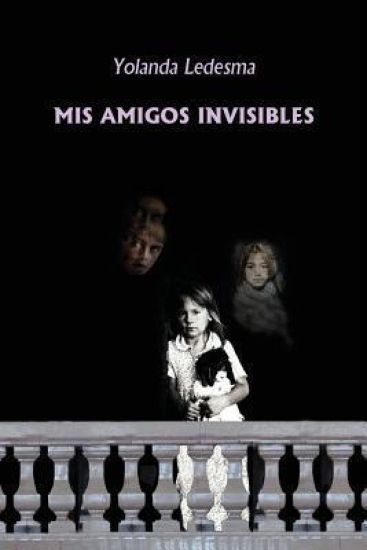
Mar a es una ni a llena de imaginaci n. Le gusta inventar cuentos de hadas, jugar con sus juguetes y crear amigos imaginarios. En su mundo m gico todos sus sue os son posibles, aunque su aut ntico universo es solitario. En esta historia, sus amigos invisibles jugar n un papel importante cuando fuerzas malignas traten de apoderarse de ella. Ser n su soporte emocional en todo momento. Mar a pasar momentos de desconcierto y angustia cuando descubra un mundo totalmente diferente, dif cil de entender a su temprana edad. Los Amigos Invisibles juegan un papel importante en la vida de Mar a. Estar n a su lado anim ndola y haci ndola sentir querida. Dorado y Celeste ser n en realidad producto de la mente de la ni a?
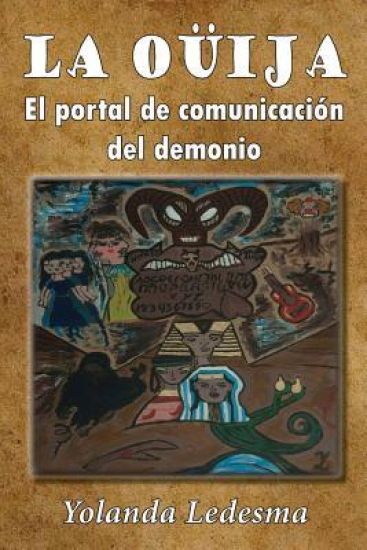
La o ija, el portal de comunicaci n del demonio, es un tri ngulo entre dos hermanos y una mujer. Amor y odio, lucha de poder y deseo de venganza, donde el mal y el bien se enfrentan para salvar la vida de una mujer cuya nica culpa fue enamorarse del enemigo del demonio. Sentimientos que traspasan pocas y vidas para volver a reencarnar cuando los protagonistas se encuentran en un mismo tiempo, para concluir lo que comenz en el pasado. El demonio, buscando venganza, traspasar las barreras dimensionales a trav s de El portal de la o ija.
Mar a. Entre el Bien y el Mal es el segundo libro de la serie Mar a. La Llave del Triunfo, donde la protagonista desaf a al destino con valor, amor y valent a a pesar de tener todo en contra, hasta un tumor que la mantiene en estado de coma, pero la fe y la ayuda de seres especiales como sus "Amigos invisibles" ayudan a esta maravillosa criatura a superarse y lograr una segunda oportunidad.Yolanda Ledesma es polifac tica, conferencista y escritora. En su estilo literario "Esencia M gica", mezcla la imaginaci n, fantas a, esoterismo y positivismo, haciendo nfasis en la comunicaci n personal a trav s del amor y el desapego, donde manifiesta la importancia de la esperanza y las segundas oportunidades. Es autora de tres novelas, y un libro para ni os.
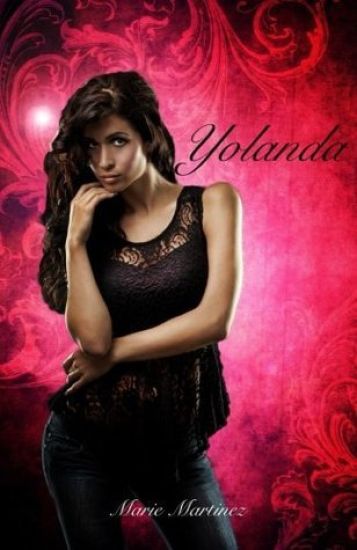
Yolanda loved life. She loved her children, and she loved her friends. She had a strict upbringing that seemed to fall into her marriage to her kid's father. Once the marriage disintegrated, her journey into single life gave her the breath she needed to feel alive. Yolanda loved to dance and she loved to be free. Her life revolved around the love of her friends and children. On friday nights, she and her friends looked forward to a girl's night out at the icehouse, at a dance, or at Yolanda's home. All her friend's different personalities made up the full circle of fun and loyalty that bound them together. Sara who is carefree and loving, also Yolanda's coworker and best friend shared in the joys and secrets of Yolanda's life. Raquel, Sara's cousin is a refined young woman, but loves fun and laughter on a Friday night. Lizette was the more daring of the four women and loved a challenge. Her loyalty was sometimes questionable but they loved her nonetheless. Trust and love bound these women in a friendship that could not be broken. Yolanda never doubted their loyalty. It played a major roll in her life.One warm night, at the icehouse, Joaquin stepped into Yolanda's comfortable, carefree life, and took her on a roller coaster ride that sent her soaring into new adventures and new dreams. Joaquin was a whole new world that intrigued Yolanda giving her the added excitement that her life yearned for, for a long time. She soon realized that all roller coasters must stop at some point, but getting off was not easy. The ride took her beyond and out of bounds of her limitations and expectations of love and life. Ride along with Yolanda, to share and feel the emotions that exploded before her stop. Yolanda will always be remembered.
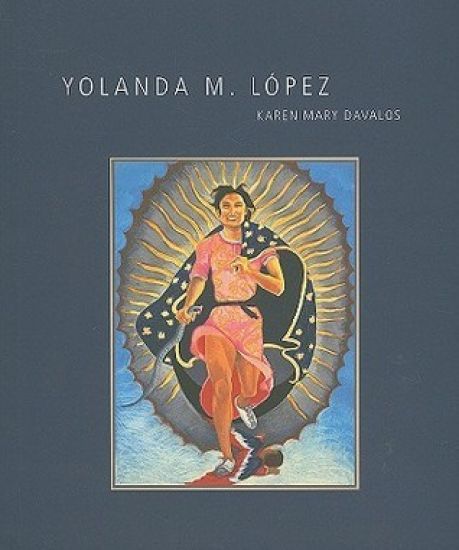
“It is important for us to be visually literate; it is a survival skill. The media is what passes for culture in contemporary U.S. culture, and it is extremely powerful. It is crucial that we systematically explore the cultural misdefinition of Mexicans and Latin Americans that is presented in the media.” —Yolanda López Chicana artist Yolanda López achieved international recognition for her groundbreaking and controversial Virgin of Guadalupe series of paintings (1975–78) in which she transformed the beloved icon in order to celebrate and sanctify ordinary Mexican and Mexican American women as hardworking, assertive, and vibrant. Born in San Diego, California, López formally trained as a painter but has since expanded into a variety of media, including installation, video, and slide presentations. Karen Mary Davalos identifies the themes and concerns that unify the artist’s diverse body of work. At times playful, political, and feminist, López is unwavering in her commitment to representing the experiences of Mexican American women in the United States, confronting stereotypes about Latin Americans and challenging U.S. immigration policy. Karen Mary Davalos is associate professor of Chicano/a studies at Loyola Marymount University and the author of Exhibiting Mestizaje.
“It is important for us to be visually literate; it is a survival skill. The media is what passes for culture in contemporary U.S. culture, and it is extremely powerful. It is crucial that we systematically explore the cultural misdefinition of Mexicans and Latin Americans that is presented in the media.” -Yolanda LÓpez Chicana artist Yolanda LÓpez achieved international recognition for her groundbreaking and controversial Virgin of Guadalupe series of paintings (1975–78) in which she transformed the beloved icon in order to celebrate and sanctify ordinary Mexican and Mexican American women as hardworking, assertive, and vibrant. Born in San Diego, California, LÓpez formally trained as a painter but has since expanded into a variety of media, including installation, video, and slide presentations. Karen Mary Davalos identifies the themes and concerns that unify the artist’s diverse body of work. At times playful, political, and feminist, LÓpez is unwavering in her commitment to representing the experiences of Mexican American women in the United States, confronting stereotypes about Latin Americans and challenging U.S. immigration policy. Karen Mary Davalos is associate professor of Chicano/a studies at Loyola Marymount University and the author of Exhibiting Mestizaje.