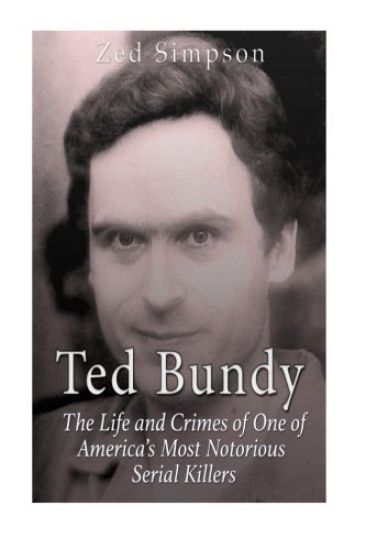
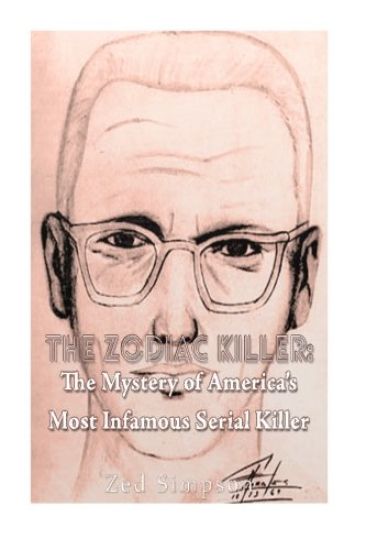
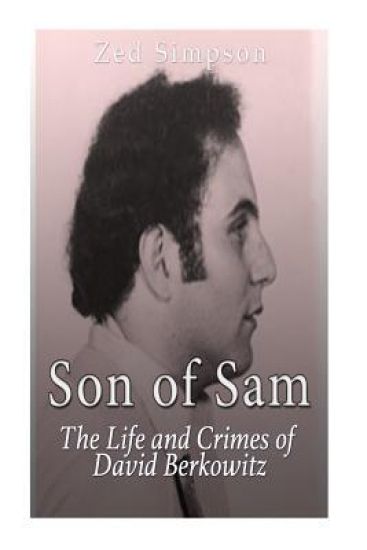
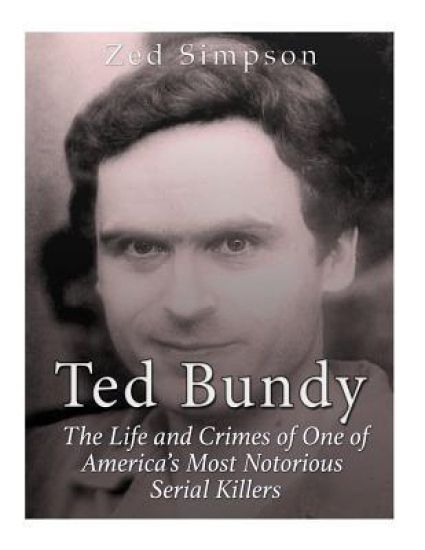
*Includes pictures *Includes accounts *Includes online resources and a bibliography for further reading The legends of vampires like Dracula have generated massive interest throughout time. Indeed, the story of a man (in some versions a very handsome, dashing man), who feeds on the blood of virgins in order to survive, and who walks the earth only at night, has been revived throughout the centuries in different forms. However, one famous tale that has been lost among the legends is the story of a female Dracula, an educated woman from a well-known family of 16th century Hungary who was so afraid to lose her beauty and young looks that she engaged in dangerous practices, combining witchcraft with exsanguination. Countess Elizabeth B thory is this female Dracula. She is said to have drained the blood of approximately 600 young women, in order to drink it, spread it all over her body as a nurturing blend, or simply to bathe in it. There have been a countless number of serial killers throughout history, and certainly more prolific ones, but the timing, circumstances, and unsolved nature of the case continue to make Jack the Ripper the most famous serial killer in history. The murders came at a time when media coverage could be both more acute and more widespread, and it allowed the public a closer look into how police agencies operated at the time, exposing both their strengths and shortcomings. Around the same time the Zodiac Killer was murdering people on the West Coast, the Son of Sam terrorized New York City in much the same way by killing at random and writing letters to the police. Serial killers often use a set pattern and/or rituals as part of their modus operandi, so in that regard the actions of the Zodiac Killer didn't exactly distinguish him from other serial killers. The main difference, of course, is that most serial killers are caught, including the Son of Sam (David Berkowitz), while the Zodiac Killer's identity remains an unsolved mystery. By both remaining unidentified and leaving seemingly tantalizing clues in his writing, the Zodiac Killer ensured his notorious legacy in American history, much the same way the attempt to identify Jack the Ripper continues to fascinate people across the world today. For most people, Ted Bundy is the quintessential serial killer - a good-looking, highly intelligent man who used his charm to lure an untold number of women to their deaths. In fact, as the judge announced his death sentence, he noted Bundy's intellect and mused that he would have enjoyed hearing Bundy try a case before him had he remained simply the genius law student he had once been. Bundy, of course, ended up choosing a far different path, going on a historic crime spree during the 1970s so prolific that estimates of his kill count vary by dozens, a debate Bundy was only too happy to stoke. On one occasion, when the FBI estimated he was responsible for 3 dozen murders, Bundy replied, "Add one digit to that, and you'll have it." On another occasion, he claimed the estimate of 3 dozen was close to accurate. The case of the Boston Strangler is as confusing and mystifying as it is terrifying. In fact, the mythology and debate lingering over the crime spree only heightened when Albert DeSalvo confessed to the crimes, provided both accurate and inaccurate details about some of them, and had his DNA tied to several of the crime scenes. However, before DeSalvo himself was murdered by an unknown assailant in jail in 1973, he had recanted his confession, and ultimately, he was never tried for the murders in Boston. 50 years after the Boston Strangler stopped killing, investigators and amateurs alike are still debating the very messy and all too real 18 month reign of terror that gripped the city of Boston in the early 1960s and haunts many to this day.
*Includes pictures *Includes accounts *Includes online resources and a bibliography for further reading The legends of vampires like Dracula have generated massive interest throughout time. Indeed, the story of a man (in some versions a very handsome, dashing man), who feeds on the blood of virgins in order to survive, and who walks the earth only at night, has been revived throughout the centuries in different forms. However, one famous tale that has been lost among the legends is the story of a female Dracula, an educated woman from a well-known family of 16th century Hungary who was so afraid to lose her beauty and young looks that she engaged in dangerous practices, combining witchcraft with exsanguination. Countess Elizabeth B thory is this female Dracula. She is said to have drained the blood of approximately 600 young women, in order to drink it, spread it all over her body as a nurturing blend, or simply to bathe in it. There have been a countless number of serial killers throughout history, and certainly more prolific ones, but the timing, circumstances, and unsolved nature of the case continue to make Jack the Ripper the most famous serial killer in history. The murders came at a time when media coverage could be both more acute and more widespread, and it allowed the public a closer look into how police agencies operated at the time, exposing both their strengths and shortcomings. Around the same time the Zodiac Killer was murdering people on the West Coast, the Son of Sam terrorized New York City in much the same way by killing at random and writing letters to the police. Serial killers often use a set pattern and/or rituals as part of their modus operandi, so in that regard the actions of the Zodiac Killer didn't exactly distinguish him from other serial killers. The main difference, of course, is that most serial killers are caught, including the Son of Sam (David Berkowitz), while the Zodiac Killer's identity remains an unsolved mystery. By both remaining unidentified and leaving seemingly tantalizing clues in his writing, the Zodiac Killer ensured his notorious legacy in American history, much the same way the attempt to identify Jack the Ripper continues to fascinate people across the world today. For most people, Ted Bundy is the quintessential serial killer - a good-looking, highly intelligent man who used his charm to lure an untold number of women to their deaths. In fact, as the judge announced his death sentence, he noted Bundy's intellect and mused that he would have enjoyed hearing Bundy try a case before him had he remained simply the genius law student he had once been. Bundy, of course, ended up choosing a far different path, going on a historic crime spree during the 1970s so prolific that estimates of his kill count vary by dozens, a debate Bundy was only too happy to stoke. On one occasion, when the FBI estimated he was responsible for 3 dozen murders, Bundy replied, "Add one digit to that, and you'll have it." On another occasion, he claimed the estimate of 3 dozen was close to accurate. The case of the Boston Strangler is as confusing and mystifying as it is terrifying. In fact, the mythology and debate lingering over the crime spree only heightened when Albert DeSalvo confessed to the crimes, provided both accurate and inaccurate details about some of them, and had his DNA tied to several of the crime scenes. However, before DeSalvo himself was murdered by an unknown assailant in jail in 1973, he had recanted his confession, and ultimately, he was never tried for the murders in Boston. 50 years after the Boston Strangler stopped killing, investigators and amateurs alike are still debating the very messy and all too real 18 month reign of terror that gripped the city of Boston in the early 1960s and haunts many to this day.
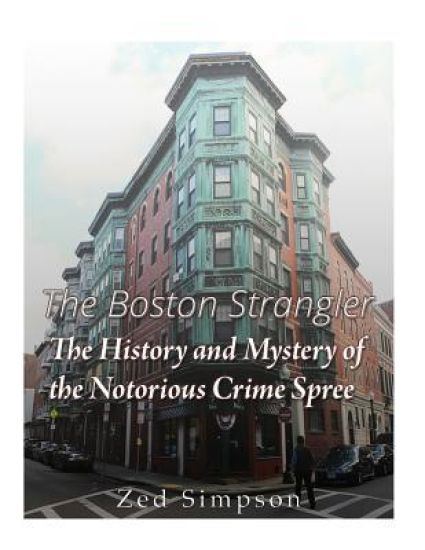
*Includes pictures *Includes contemporary newspaper reports about the crimes *Includes online resources and a bibliography for further reading *Includes a table of contents "It wasn't as dark and scary as it sounds. I had a lot of fun....killing people is a funny experience." - Albert DeSalvo "I did this not as a sex act...but out of hate for her. I don't mean out of hate for her in particular, really I mean out of hate for a woman." - Albert DeSalvo The story reads like something out of a mini-series. The police are called to the home of an elderly woman who has been raped and strangled. She's a socialite and popular in among the Boston upper-crust. As the grizzled detective stand over her body, wondering who would do something like this, someone mentions that there was a similar case recently, except that time the victim was a lower-middle class immigrant woman. He wonders briefly if there is a pattern and hopes there isn't, but before long there's a third victim, and then a fourth. At first, the women are all elderly, and the police psychologist postulates that the culprit has some sort of hatred for his own mother and therefore attacks motherly figures. The police begin to track down mental patients with histories of violence and question them about their whereabouts, but there is no one suspect, even as more bodies pile up in the morgue. Then, suddenly, there's a change, and young women start turning up dead, changing the whole approach to the case. As tension in the city builds, the mayor and other civic leaders begin demanding action, even as another young woman dies, followed in short order by an elderly one. Young women start refusing dates and looking under their beds at night, while older ladies refuse to open their doors to anyone. The city is in turmoil and the police are at a loss about what to do next, but just as quickly as they started, the murders stopped after 13 confirmed victims. Just as that description makes it sound, the case of the Boston Strangler is as confusing and mystifying as it is terrifying. In fact, the mythology and debate lingering over the crime spree only heightened when Albert DeSalvo confessed to the crimes, provided both accurate and inaccurate details about some of them, and had his DNA tied to several of the crime scenes. However, before DeSalvo himself was murdered by an unknown assailant in jail in 1973, he had recanted his confession, and ultimately, he was never tried for the murders in Boston. 50 years after the Boston Strangler stopped killing, investigators and amateurs alike are still debating the very messy and all too real 18 month reign of terror that gripped the city of Boston in the early 1960s and haunts many to this day. Even in the wake of DeSalvo's confession, and in part because of the various inaccuracies he told authorities, people continue to argue whether he was the Boston Strangler, or even if the Boston Strangler was just one killer given the seemingly different M.O.s used in some of the crimes. The Boston Strangler: The History and Mystery of the Notorious Crime Spree covers the crimes of one of America's most infamous serial killers. Along with pictures of important people, places, and events, you will learn about the Boston Strangler like never before.
*Includes pictures *Includes contemporary accounts and testimony about the Whitechapel murders *Includes online resources and a bibliography for further reading *Includes a table of contents "I keep on hearing the police have caught me but they wont fix me just yet. I have laughed when they look so clever and talk about being on the right track...How can they catch me now. I love my work and want to start again. You will soon hear of me with my funny little games." - Excerpt from one of the letters believed to have been written by Jack the Ripper When one hears the term "Victorian," many images come to mind. For some, the term conjures up visions of lace and gloves and delicate fans. Others think of tight corsets and even tighter morals. Others, swayed perhaps by one too many British costume dramas, envision gentle elegance and long lost beauty. Naturally, few people think of multiple dead bodies cast about in the streets or dark bedrooms, most mutilated to a shocking degree, and yet, those tragic images played a significant role not only in late Victorian London but ever since. In 1888 and 1889, a killer stalked the dark backstreets of the city through the notoriously overcrowded and crime-ridden Whitechapel district, murdering young women and then cutting their bodies up like a butcher. As is so often the case with a serial killer, the first murder was largely ignored. She was a "fallen woman," a prostitute barely worthy of police notice. But then there was another victim, killed and butchered while plying her illicit trade. The police took notice and, by the time the third body was found, also mutilated and filleted like a fish, the public took notice too. An outcry began to swell from the good people of the city who, though willing to overlook a prostitute dying in the streets of alcohol poisoning or a venereal disease, were disconcerted by idea of a mass murderer. Then came two victims found in one day, and a feeling that, if the killer remained on the loose, there was nothing to stop him from seeking victims anywhere, even in the nice suburban neighborhoods of the rising middle-class. As more victims turned up, terror spread throughout the city, and it even became news across the globe, but then the murders seem to have ended just as quickly as they began. There have been a countless number of serial killers throughout history, and certainly more prolific ones, but the timing, circumstances, and unsolved nature of the case continue to make Jack the Ripper the most famous serial killer in history. The intense media coverage trained the spotlight on local police, who interviewed thousands and considered hundreds of suspects, and it likely played a role in both the actual murderer and would-be copycats and pranksters sending hundreds of letters to police claiming to be Jack the Ripper. It's also indisputable that the use of a precise modus operandi, the serial killer being given a nickname, and the taunting letters sent to police all influenced subsequent serial killers and the way they were covered. Whether it's the Zodiac Killer, the Son of Sam, or the Boston Strangler, the antecedent of all 20th century and 21st century killers remains Jack the Ripper. The Jack the Ripper case continues to fascinate historians and amateur sleuths so much that people have dubbed themselves Ripperologists, and since nobody knows for sure who the killer was, every aspect of the crimes is up for discussion, down to who the actual victims of the Ripper were and whether there was actually more than one Ripper. In addition to considering so many suspects, the police were only certain that 5 of the victims (the "canonical five") were killed by Jack the Ripper, but there were at least 11 documented murders over the course of several years, and today those are called the Whitechapel murders. This book chronicles the crimes of the infamous serial killer and the speculation surrounding which of the crimes he committed.
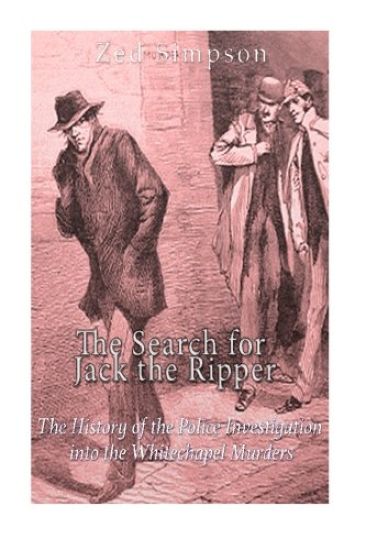
*Includes pictures *Includes contemporary accounts of the investigation written in newspapers and by investigators *Includes online resources and a bibliography for further reading *Includes a table of contents "I keep on hearing the police have caught me but they wont fix me just yet. I have laughed when they look so clever and talk about being on the right track...How can they catch me now. I love my work and want to start again. You will soon hear of me with my funny little games." - Excerpt from one of the letters believed to have been written by Jack the Ripper When one hears the term "Victorian," many images come to mind. For some, the term conjures up visions of lace and gloves and delicate fans. Others think of tight corsets and even tighter morals. Others, swayed perhaps by one too many British costume dramas, envision gentle elegance and long lost beauty. Naturally, few people think of multiple dead bodies cast about in the streets or dark bedrooms, most mutilated to a shocking degree, and yet, those tragic images played a significant role not only in late Victorian London but ever since. In 1888 and 1889, a killer stalked the dark backstreets of the city through the notoriously overcrowded and crime-ridden Whitechapel district, murdering young women and then cutting their bodies up like a butcher. There have been a countless number of serial killers throughout history, and certainly more prolific ones, but the timing, circumstances, and unsolved nature of the case continue to make Jack the Ripper the most famous serial killer in history. The murders came at a time when media coverage could be both more acute and more widespread, and it allowed the public a closer look into how police agencies operated at the time, exposing both their strengths and shortcomings. Of course, the lack of modern forensics hamstrung the investigators in the late 19th century, and while the police file for the case was extensive and active for several years, much of the evidence disappeared from the file without explanation, possibly as souvenirs. Despite the fact the police interviewed thousands and considered hundreds of suspects, they were never able to arrest anyone for the murders. The intense media coverage also likely played a role in both the actual murderer and would-be copycats and pranksters sending hundreds of letters to police claiming to be Jack the Ripper. It's also indisputable that the use of a precise modus operandi, the serial killer being given a nickname, and the taunting letters sent to police all influenced subsequent serial killers and the way they were covered. Whether it's the Zodiac Killer, the Son of Sam, or the Boston Strangler, the antecedent of all 20th century and 21st century killers remains Jack the Ripper. The Jack the Ripper case continues to fascinate historians and amateur sleuths so much that people have dubbed themselves Ripperologists, and since nobody knows for sure who the killer was, every aspect of the crimes is up for discussion, down to who the actual victims of the Ripper were and whether there was actually more than one Ripper. In addition to considering so many suspects, the police were only certain that 5 of the victims (the "canonical five") were killed by Jack the Ripper, but there were at least 11 documented murders over the course of several years, and today those are called the Whitechapel murders. Even in the 19th century, authorities were debating how many of the 11 were the work of the Ripper, and as the murders have been compared and contrasted for nearly 130 years, the debate continues. The Search for Jack the Ripper: The History of the Police Investigation into the Whitechapel Murders examines the attempts to identify and arrest Jack the Ripper. Along with pictures of important people, places, and events, you will learn about the investigation of the famous serial killer like never before.
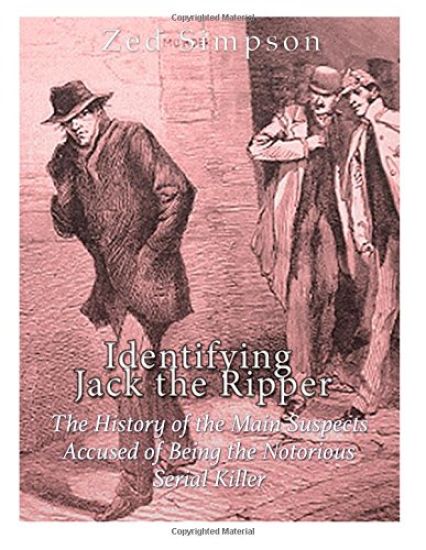
*Includes pictures *Includes investigators' accounts and newspaper accounts about the crimes and suspects *Includes online resources and a bibliography for further reading *Includes a table of contents "I keep on hearing the police have caught me but they wont fix me just yet. I have laughed when they look so clever and talk about being on the right track...How can they catch me now. I love my work and want to start again. You will soon hear of me with my funny little games." - Excerpt from a letter widely believed to be from Jack the Ripper When one hears the term "Victorian," many images come to mind. For some, the term conjures up visions of lace and gloves and delicate fans. Others think of tight corsets and even tighter morals. Others, swayed perhaps by one too many British costume dramas, envision gentle elegance and long lost beauty. Naturally, few people think of multiple dead bodies cast about in the streets or dark bedrooms, most mutilated to a shocking degree, and yet, those tragic images played a significant role not only in late Victorian London but ever since. In 1888 and 1889, a killer stalked the dark backstreets of the city through the notoriously overcrowded and crime-ridden Whitechapel district, murdering young women and then cutting their bodies up like a butcher. The Jack the Ripper case continues to fascinate historians and amateur sleuths so much that people have dubbed themselves Ripperologists, and since nobody knows for sure who the killer was, every aspect of the crimes is up for discussion, down to who the actual victims of the Ripper were and whether there was actually more than one Ripper. In addition to considering so many suspects, the police were only certain that 5 of the victims (the "canonical five") were killed by Jack the Ripper, but there were at least 11 documented murders over the course of several years, and today those are called the Whitechapel murders. Even in the 19th century, authorities were debating how many of the 11 were the work of the Ripper, and as the murders have been compared and contrasted for nearly 130 years, the debate continues. While the killer has no doubt been dead for decades, there is still no way to know for sure who he was. That is not to say that there are not suspects; in fact, there are literally hundreds of them, from virtually every walk of life, including a prince, several knights, a policeman, a number of surgeons or surgical students, a few women, and a great many violent criminals. The list is so extensive that it is nearly impossible to narrow down and still be comprehensive. The first group of suspects that deserve the closest review are those who the police themselves suspected, back during the dreadful days in which the murders were committed. Like all the most likely candidates, they were men who had some sort of medical or butchering background and thus knew how to use a big knife well. Some had weak alibis, and others had none at all, but none were ever tried, indicating there was not enough evidence to arrest any of them. Another group that bears another look are those men who were considered viable suspects by the press and the public, for while these men escaped police attention, there was still something in their lives that made the common people consider them criminals capable of dastardly deeds. In some cases, it was a matter of bigotry, as people turned on those that were different from themselves, either in their ethnicity, sexual preferences, or religion. In other instances, the press itself felt that that it had found out something that the police had either missed or chosen to ignore. Some suspects has a more recent origin, consisting of people who have been accused by various authors long after the fact. This list is by far the most extensive and also the least viable. This is where the sensational stories come in, of princes and royal cover-up, of policemen who knew the killer to be one of their own.
'Fun and erudite' Sunday Times'Snort-inducingly funny' Daily Mail'One of the cleverest books you'll read this year' TelegraphEvery system, however immaculate, has a few little glitches.The latest in domestic tech should have predicted that businessman George Mann was about to murder his family. But instead it crashes and leads to the wrong man being caught and punished.Are there gremlins in digital giant Beetle's ubiquitous wearable tech, talking fridges and Dickensian droids? Have they been hacked, or is something even more sinister going on?With the clock ticking philandering Beetle CEO Guy Matthias, conflicted national security agent Eloise Jayne, depressed journalist David Strachey, and secretive hacker Gogol each try to uncover the truth in a darkly funny and horribly recognisable world only days ahead of our own.'Witty and horrifyingly relevant . . . Full of dark humour and refreshingly frank social commentary with a distinctly Orwellian flavour.' Scotsman
Zed is not your typical zombie. He is cursed by the affliction of thought ... although he tries to make the best of a bad situation. The goals for his unrest are simple: to improve his stride, to taste a lightly-seared pork loin once again, and avoid Activists at all costs.His life was predictable, controlled, and good until chaos crashed the party. In just one day, his world is destroyed and his ability to survive is tested. Would he be able to get through this in one piece? And would he somehow be able to survive the unstoppable force that goes by the name of Chase?
Zed is not your typical zombie. He is cursed by the affliction of thought ... although he tries to make the best of a bad situation. The goals for his unrest are simple: to improve his stride, to taste a lightly-seared pork loin once again, and avoid Activists at all costs.His life was predictable, controlled, and good until chaos crashed the party. In just one day, his world is destroyed and his ability to survive is tested. Would he be able to get through this in one piece? And would he somehow be able to survive the unstoppable force that goes by the name of Chase?