Kirja.info on kirjojen hintavertailu.
Kenellä on paras halvin hinta? Etsimme halvimman hinnan 12 eri kirjakaupasta, jotta voit keskittyä lukemiseen.
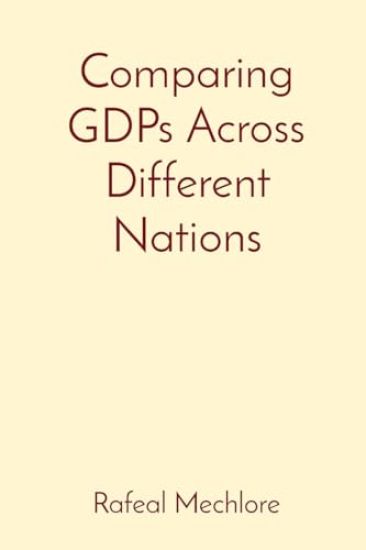
Comparing GDPs (Gross Domestic Products) across different nations is a critical exercise in understanding and evaluating the economic well-being and performance of countries on a global scale. GDP… Comparing GDPs (Gross Domestic Products) across different nations is a critical exercise in understanding and evaluating the economic well-being and performance of countries on a global scale. GDP serves as a yardstick for measuring the economic output of a nation within a specific time frame, typically a year or a quarter. When we compare GDPs across different nations, several key insights and considerations emerge. Firstly, GDP comparisons provide a means to assess the relative economic size of nations. By comparing GDP figures, we can identify the largest and smallest economies in the world. The United States, China, and India, for example, consistently rank among the top in terms of GDP, while smaller countries like Luxembourg or Bhutan have comparatively smaller GDPs. Secondly, comparing GDPs allows us to gauge the economic growth trajectories of nations. A rising GDP suggests economic expansion and progress, while a declining GDP can signal economic challenges or recession. This insight helps policymakers, economists, and investors make informed decisions about where to allocate resources and capital. However, it's crucial to recognize that GDP comparisons have limitations. They do not account for factors such as income inequality, quality of life, or the distribution of wealth within a country. Therefore, a high GDP does not necessarily translate to improved living standards for all citizens. For a more comprehensive assessment of a nation's well-being, it's essential to consider additional indicators like the Human Development Index (HDI) or the Gini coefficient. Furthermore, comparing GDPs should consider the differences in population size among nations. Per capita GDP, which divides a nation's GDP by its population, provides a more accurate measure of the average income and economic well-being of citizens. A high overall GDP may mask disparities if the population is large, while a smaller nation with a high per capita GDP may indicate a higher standard of living for its residents. Comparing GDPs across different nations is a valuable tool for assessing economic size and growth. It offers insights into global economic dynamics, helps identify trends, and informs decision-making processes. However, it should be used in conjunction with other indicators and a nuanced understanding of a nation's unique circumstances to provide a more comprehensive picture of its economic and societal well-being.
ISBN9788196609498
KustantajaGLOBAL NET PUBLICATION
Vuosi2023
Formaattinidottu
Sivuja138
Kielienglanti
Paino310g
Emme päivittäneet kirjan hintoja automaattisesti, koska verkkoliikenteesi tulee Suomen ulkopuolelta tai vaikuttaa epätavalliselta.
Tällä hetkellä 0 kirjakauppaa myy teosta Comparing GDPs Across Different Nations. Edullisin hinta toimitettuna on —, mikä on — halvempi kuin kallein tarjous.
Hintoja ei ole vielä päivitetty.
Hälytys tallennettu!
Ilmoitamme, kun hinta laskee.
Saat sähköpostin, kun hinta on sama tai alittaa asettamasi hinnan.
Alin hinta kauppoittain
Kauppojen halvin hinta viimeisen 90 päivän aikana.
Hintahistoriaa ei ole vielä kerätty tälle kirjalle.