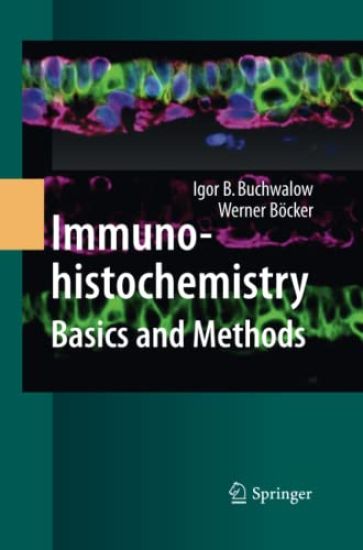
Immunohistochemistry: Basics and Methods
Kirja.info on kirjojen hintavertailu.
Kenellä on paras halvin hinta? Etsimme halvimman hinnan 12 eri kirjakaupasta, jotta voit keskittyä lukemiseen.
Combiningtwodifferentscienti? cdisciplines-morphologyandimmunochemistry- immunohistochemistryhasdevelopedasanimportantinstrumentinresearchand clinicalpathology. A basicunderstandingofunderlying… Lue lisää
Combiningtwodifferentscienti? cdisciplines-morphologyandimmunochemistry- immunohistochemistryhasdevelopedasanimportantinstrumentinresearchand clinicalpathology. A basicunderstandingofunderlying principlesandpotential problemsisunavoidableifyouwanttobesuccessfulinyouruseofimmunohis- chemistry,aswellasingettingyourpaperspublishedandyourresearchgrants funded. Whilemanyexcellenttextsandmonographsexistwhichcovervariousaspects ofimmunohistochemistry,thelackofaconcisecomprehensiveguidetousing thesemethodswasamajormotivationforwritingthisbook. Ourintentionwasto createaneasy-to-readandfocusedresourcebasedonstate-of-the-artinformation forabroadaudiencerangingfromstudentsandtechnicalassistantstoexperienced researchers. Thishandbookhasaconciseformat,withprotocolsandinstructionsfor methodsimmediatelyfollowingtheshortintroductorytheoreticalmaterialineach chapter. BeingconsciousofthegrowingroleofInternetasaninformationsource, wehavefounditreasonableinmanycasestosubstitutecitingbooksandjournal publications with corresponding Internet websites. Where possible, commercial sourcesofreagents,kits,andequipmentarelistedthroughoutthetextinsteadof inaseparateindex. Thougheachchapterissmallandintroductory,thishandbook itself is self-suf? cient and provides a comprehensive look at the principles of immunohistochemistry. For readers wanting further depth of knowledge, each chapterisbackedupbyashortlistofcarefullyselectedoriginalarticles. Duringthelastdecade,pioneeringeffortsofhistochemistshaveledtoan- menseimprovementinthereagentsandprotocols. Theresearcherisurgedalwaysto determinethereasonforeverymethodandstepbeforedoingit. Thishandbookis intendedtohelpreaderstoavoidtroublesinthechoiceofanadequatemethod,which happenswhenusingstandardtextbooks. Forthishandbook,wecarefullyselected establishedmethodsandeasy-to-adoptprotocols,payingattentiontomoderndev- opmentsinimmunohistochemistry,suchasantigenretrieval,signalampli? cation, the use of epitope tags in immunohistochemistry, multiple immunolabeling or diagnosticimmunohistochemistry. Eachofthemethodsdescribedinthishandbook v vi Preface was provedby the authors; many of these methods are routinely used in daily practiceintheirinstitute. Allthepracticalmethodsadvocatedareclearlydescribed, withaccompanyingtables,andtheresultsobtainableareillustratedwithcolour micrographs. Acknowledgements We thank Vera Samoilova forthe perfect technical assistance and other colleaguesfromtheMunsterUniversityClinicforsharingprobesandreagents. IgorB. BuchwalowandWernerBocker Munster Contents 1 AntibodiesforImmunohistochemistry . .. 1 1. 1 StructureofAntibodies . .. 2 1. 2 PolyclonalAntibodies . .. 4 1. 3 MouseMonoclonalAntibodies . .. 4 1. 4 RabbitMonoclonalAntibodies . .. 5 1. 5 ProteinAandProteinGinImmunohistochemistry . .. 7 References . .. 8 2 AntibodyLabelingandtheChoiceoftheLabel . .. 9 2. 1 CovalentLabelingofAntibodies . .. 9 2. 2 Non-CovalentLabelingofPrimaryAntibodieswith LabeledFabFragments . .. 10 2. 3 EnzymeLabelsforLightMicroscopy . .. 13 2. 4 FluorophoreLabelsforFluorescenceMicroscopy . .. 15 2. 5 ColloidalGoldLabelsforElectronMicroscopy . .. 16 References . .. 17 3 ProbesProcessinginImmunohistochemistry . .. 19 3. 1 FixationinImmunohistochemistry . .. 19 3. 1. 1 FixationinAlcoholsandAcetone . .. 20 3. 1. 2 FixationinFormaldehyde . .. 20 3. 1. 3 EffectofFormaldehydeFixationon Antigen-nster Contents 1 AntibodiesforImmunohistochemistry . .. 1 1. 1 StructureofAntibodies . .. 2 1. 2 PolyclonalAntibodies . .. 4 1. 3 MouseMonoclonalAntibodies . .. 4 1. 4 RabbitMonoclonalAntibodies . .. 5 1. 5 ProteinAandProteinGinImmunohistochemistry . .. 7 References . .. 8 2 AntibodyLabelingandtheChoiceoftheLabel . .. 9 2. 1 CovalentLabelingofAntibodies . .. 9 2. 2 Non-CovalentLabelingofPrimaryAntibodieswith LabeledFabFragments . .. 10 2. 3 EnzymeLabelsforLightMicroscopy . .. 13 2. 4 FluorophoreLabelsforFluorescenceMicroscopy . .. 15 2. 5 ColloidalGoldLabelsforElectronMicroscopy . .. 16 References . .. 17 3 ProbesProcessinginImmunohistochemistry . .. 19 3. 1 FixationinImmunohistochemistry . .. 19 3. 1. 1 FixationinAlcoholsandAcetone . .. 20 3. 1. 2 FixationinFormaldehyde . .. 20 3. 1. 3 EffectofFormaldehydeFixationon Antigen- immunohistochemistryhasdevelopedasanimportantinstrumentinresearchand clinicalpathology. A basicunderstandingofunderlying principlesandpotential problemsisunavoidableifyouwanttobesuccessfulinyouruseofimmunohis- chemistry,aswellasingettingyourpaperspublishedandyourresearchgrants funded. Whilemanyexcellenttextsandmonographsexistwhichcovervariousaspects ofimmunohistochemistry,thelackofaconcisecomprehensiveguidetousing thesemethodswasamajormotivationforwritingthisbook. Ourintentionwasto createaneasy-to-readandfocusedresourcebasedonstate-of-the-artinformation forabroadaudiencerangingfromstudentsandtechnicalassistantstoexperienced researchers. Thishandbookhasaconciseformat,withprotocolsandinstructionsfor methodsimmediatelyfollowingtheshortintroductorytheoreticalmaterialineach chapter. BeingconsciousofthegrowingroleofInternetasaninformationsource, wehavefounditreasonableinmanycasestosubstitutecitingbooksandjournal publications with corresponding Internet websites. Where possible, commercial sourcesofreagents,kits,andequipmentarelistedthroughoutthetextinsteadof inaseparateindex. Thougheachchapterissmallandintroductory,thishandbook itself is self-suf? cient and provides a comprehensive look at the principles of immunohistochemistry. For readers wanting further depth of knowledge, each chapterisbackedupbyashortlistofcarefullyselectedoriginalarticles. Duringthelastdecade,pioneeringeffortsofhistochemistshaveledtoan- menseimprovementinthereagentsandprotocols. Theresearcherisurgedalwaysto determinethereasonforeverymethodandstepbeforedoingit. Thishandbookis intendedtohelpreaderstoavoidtroublesinthechoiceofanadequatemethod,which happenswhenusingstandardtextbooks. Forthishandbook,wecarefullyselected establishedmethodsandeasy-to-adoptprotocols,payingattentiontomoderndev- opmentsinimmunohistochemistry,suchasantigenretrieval,signalampli? cation, the use of epitope tags in immunohistochemistry, multiple immunolabeling or diagnosticimmunohistochemistry. Eachofthemethodsdescribedinthishandbook v vi Preface was provedby the authors; many of these methods are routinely used in daily practiceintheirinstitute. Allthepracticalmethodsadvocatedareclearlydescribed, withaccompanyingtables,andtheresultsobtainableareillustratedwithcolour micrographs. Acknowledgements We thank Vera Samoilova forthe perfect technical assistance and other colleaguesfromtheMunsterUniversityClinicforsharingprobesandreagents. IgorB. BuchwalowandWernerBocker Munster Contents 1 AntibodiesforImmunohistochemistry . .. 1 1. 1 StructureofAntibodies . .. 2 1. 2 PolyclonalAntibodies . .. 4 1. 3 MouseMonoclonalAntibodies . .. 4 1. 4 RabbitMonoclonalAntibodies . .. 5 1. 5 ProteinAandProteinGinImmunohistochemistry . .. 7 References . .. 8 2 AntibodyLabelingandtheChoiceoftheLabel . .. 9 2. 1 CovalentLabelingofAntibodies . .. 9 2. 2 Non-CovalentLabelingofPrimaryAntibodieswith LabeledFabFragments . .. 10 2. 3 EnzymeLabelsforLightMicroscopy . .. 13 2. 4 FluorophoreLabelsforFluorescenceMicroscopy . .. 15 2. 5 ColloidalGoldLabelsforElectronMicroscopy . .. 16 References . .. 17 3 ProbesProcessinginImmunohistochemistry . .. 19 3. 1 FixationinImmunohistochemistry . .. 19 3. 1. 1 FixationinAlcoholsandAcetone . .. 20 3. 1. 2 FixationinFormaldehyde . .. 20 3. 1. 3 EffectofFormaldehydeFixationon Antigen-AntibodyBinding . .. 21 3. 2 Paraf? nSectionsforImmunohistochemicalAnalysis . .. 22 3. 2. 1 EmbeddingandCutting . .. 22 3. 2. 2 MountingParaf? nSectionsontoSlides . .. 23 3. 3 CryosectionsforImmunohistochemicalAnalysis . .. 24 3. 4 BuffersforWashingandAntibodyDilution . .. 25 3. 5 MountingFollowingImmunohistochemicalStaining . .. 27 3. 6 StorageFollowingImmunohistochemicalStaining . .. 28 References . .. 28 vii viii Contents 4 WorkingwithAntibodies . .. 31 4. 1 DirectImmunostainingMethod . .. 31 4. 2 IndirectImmunostainingMethod . .. 33 4. 3 TheChoiceofAntibodies . .. 35 4. 3. 1 TheChoiceofPrimaryAntibodies . .. 35 4. 3. 2 TheChoiceofSecondaryAntibodies . ..
ISBN
9783642425028
Kustantaja
Springer-Verlag Berlin and Heidelberg GmbH Co. K
Vuosi
2014
Formaatti
nidottu
Sivuja
153
Kieli
englanti
Paino
310g