
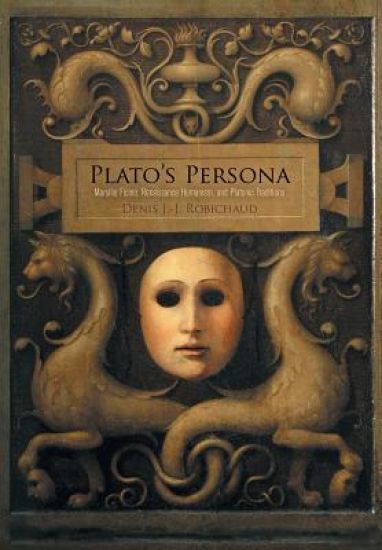
Plato's Persona
Kirja.info on kirjojen hintavertailu. Kenellä on paras halvin hinta? Etsimme halvimman hinnan 12 eri kirjakaupasta, jotta voit keskittyä lukemiseen.
In 1484, humanist philosopher and theologian Marsilio Ficino published the first complete Latin translation of Plato's extant works. Students of Plato now had access to the entire range of the…
Emme päivittäneet kirjan hintoja automaattisesti, koska verkkoliikenteesi tulee Suomen ulkopuolelta tai vaikuttaa epätavalliselta.
Hintavertailu
0 Kauppaa löydetty
Booky
Booky

Kirja.fi
Kirja.fi

Suomalainen
Suomalainen

Akateeminen Kirjakauppa
Akateeminen Kirjakauppa

Kansallinen Kirjakauppa
Kansallinen Kirjakauppa

Prisma
Prisma

Rosebud
Rosebud

Finlandia Kirja
Finlandia Kirja

Vinhan kirjakauppa
Vinhan kirjakauppa

Libristo
Libristo

Adlibris
Adlibris

BookOutlet.fi
BookOutlet.fi
Tällä hetkellä 0 kirjakauppaa myy teosta Plato's Persona. Edullisin hinta toimitettuna on —, mikä on — halvempi kuin kallein tarjous.
Hintoja ei ole vielä päivitetty.
Hälytys tallennettu!
Ilmoitamme, kun hinta laskee.
Saat sähköpostin, kun hinta on sama tai alittaa asettamasi hinnan.
Kirjan Plato's Persona hintahistoria
Seuraamme kirjan Plato's Persona hintakehitystä kirjakaupoissa. Taulukosta näet viime kuukausien alimmat hinnat.
Alin hinta kauppoittain
Kauppojen halvin hinta viimeisen 90 päivän aikana.
Hintahistoriaa ei ole vielä kerätty tälle kirjalle.
Hinnat ilman toimituskuluja.