Kirja.info on kirjojen hintavertailu.
Kenellä on paras halvin hinta? Etsimme halvimman hinnan 12 eri kirjakaupasta, jotta voit keskittyä lukemiseen.
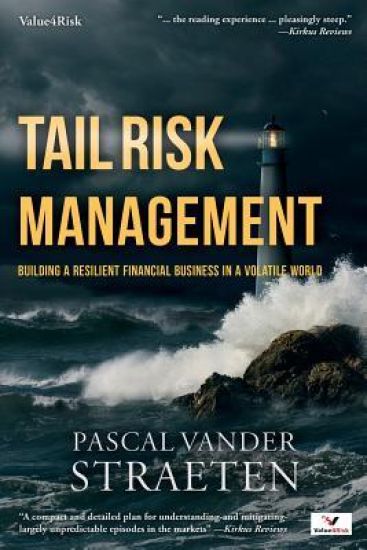
(This is the Black & White version of the book. )Ever since the collapse of the Bretton Woods system and the deregulation of markets in the 1970-1980s, financial markets have exploded in terms of… (This is the Black & White version of the book. )Ever since the collapse of the Bretton Woods system and the deregulation of markets in the 1970-1980s, financial markets have exploded in terms of size, volatility, complexity, and interconnectedness (through globalization and technology). Concomitantly, the frequency and severity of banking crises have equally increased over the last decades. Additionally, the banking regulations of the last decades have focussed a lot on quantitative risk models and probability theories claiming that uncertainty could be measured. However, the severity of the previous banking crisis (2007-2008) proves that disruptions are hard to quantify, and these quantitative risk tools were inadequate in achieving a better resilience of the banks. In other words, large and well-respected financial institutions have experienced failure in the face of tail risks, revealing the inadequate protection provided by current practice. More than just capital management, tail risk management takes a qualitative approach that involves business strategy. As such, although quantitative methods are used most often in risk assessment, their usefulness wanes in the realm of tail risk management. To effectively mitigate extreme risks and preserve a firm's survivability, the focus must be on building a resilient business model. Therefore, this book studies the possibility to enhance the existing risk management framework pertaining to business resilience within the banking industry. Indeed, the dynamic, complex nature of the banking environment necessitates ongoing vigilance to anticipate vulnerabilities, as well as organizational flexibility and agility when disruptions occur. The objective of this book is to borrow risk management concepts from corporate industries that equally operate in extreme environments and transpose them to the banking industry, and see whether they could make the business models of banks more resilient. In Tail Risk Management, author Pascal M. vander Straeten, a twenty-five-year financial services veteran and founder of consulting firm Value4Risk, pulls best practices from across industries to provide a new risk management framework. These principles will guide a business toward necessary changes in modern management practices, regulations, and cultures that can be applied on an enterprise-wide basis, addressing extreme risks at any stage in their development. In the face of a systemic crisis, a resilient business model will provide strong lines of defense against failure. Resilience nowadays is a crucial concern as, notwithstanding the vast array of banking regulations, market participants, as well as other stakeholders, remain wary about the stability of banking organizations. Unquantifiable uncertainties will always exist, and traditional risk management approaches are not adequate. Using this extensive guide, learn what needs to change and why-and how to implement a potentially business-saving strategy.
ISBN9780692879498
KustantajaValue4risk LLC
Vuosi2017
Formaattinidottu
Sivuja226
Kielienglanti
Paino308g
Emme päivittäneet kirjan hintoja automaattisesti, koska verkkoliikenteesi tulee Suomen ulkopuolelta tai vaikuttaa epätavalliselta.
Tällä hetkellä 0 kirjakauppaa myy teosta Tail Risk Management: Building a Resilient Financial Business in a Volatile World. Edullisin hinta toimitettuna on —, mikä on — halvempi kuin kallein tarjous.
Hintoja ei ole vielä päivitetty.
Hälytys tallennettu!
Ilmoitamme, kun hinta laskee.
Saat sähköpostin, kun hinta on sama tai alittaa asettamasi hinnan.
Alin hinta kauppoittain
Kauppojen halvin hinta viimeisen 90 päivän aikana.
Hintahistoriaa ei ole vielä kerätty tälle kirjalle.