Kirjojen hintavertailu. Mukana 12 390 323 kirjaa ja 12 kauppaa.

Kirjailija

A. David Lewis

Kirjat ja teokset yhdessä paikassa: 5 kirjaa, julkaisuja vuosilta 2018-2026, suosituimpien joukossa Broken Frontier. Vertaile teosten hintoja ja tarkista saatavuus suomalaisista kirjakaupoista.

Mukana myös kirjoitusasut: A David Lewis

5 kirjaa

Kirjojen julkaisuhaarukka 2018-2026.

Broken Frontier

Broken Frontier

Greg Pak; Cullen Bunn; Phil Hester; Marguerite Bennett; Fred Van Lente; Joshua Hale Fialkov; Adam Egypt Mortimer; Steve Orlando; David Hine; Tyler Chin-Tanner; Justin Zimmerman; A. David Lewis

A Wave Blue World
2020
sidottu
This oversized hardcover is jam-packed with gorgeous artwork and captivating stories from today’s heavy hitters in both mainstream and indie comics. Greg Pak and Tom Raney deliver a poignant tale of police officer returning to duty thanks to a supernatural replacement to his amputated arm in “Phantom Limb Ghostpuncher.” Cullen Bunn and Nathan Fox introduce us to the skateboarding, sword-wielding goth girl who fights against creatures of the night in “Dark, Dark World.” Phil Hester and Daniel Warren Johnson take us back to the world of Vikings in “Plunder.” Tyler Chin-Tanner and Toby Cypress combine desert dystopia with technotronic futurism in “The Wall.” Marguerite Bennett and Varga Tomi share one woman’s quest to tame a living, breathing mountain. In “The Beard,” Fred Van Lente and Alison Sampson present a woman with an unusual dilemma; her newfound facial hear has given her the ability to fly, give up one and so goes the other. Justin Zimmerman and Mike Lawrence show us the events of Word War I through the eyes of a young girls with a jet pack and wings in “Flyer.” Plus many, many more.
Body, Soul, and Comics

Body, Soul, and Comics

A. David Lewis

UNIVERSITY PRESS OF MISSISSIPPI
2026
pokkari
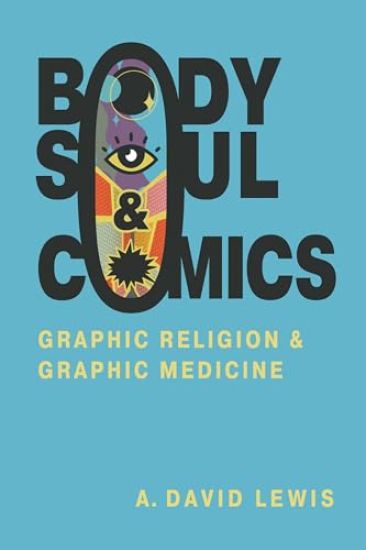
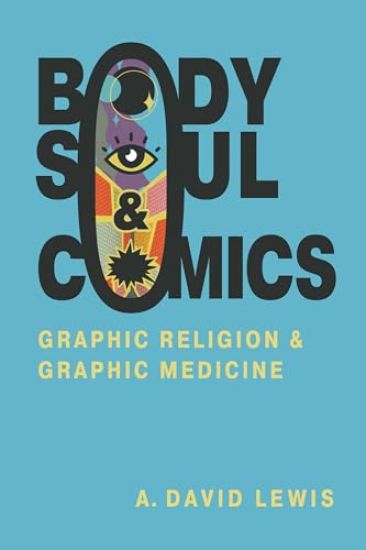
Body, Soul, and Comics: Graphic Religion and Graphic Medicine follows A. David Lewis’s unique scholarly journey through graphic religion and graphic medicine, exploring how comics intersect with healthcare, clinical practice, spirituality, patient experience, and belief. Drawing on more than two decades of academic research, Lewis reframes both fields through the distinct narrative and visual language of comics. Though often seen as opposites—spiritual versus scientific—religion and medicine share concerns with selfhood, community, personal well-being, and transformation. Through comics, Lewis reveals these shared concerns and examines how selfhood, identity, and embodiment emerge through visual storytelling. Blending scholarship with autobiography, Lewis weaves personal moments—a religious conversion, experiences with anxiety, and academic work within a healthcare setting—into a broader analysis of representation and meaning in comic books. His account resists the traditional divide between theory and lived experience, grounding abstract ideas in the personal and the visual. Body, Soul, and Comics is both a call for disciplinary reunification and a meditation on how comics themselves bridge seemingly disparate realms—text and image, body and spirit, illness and meaning.
Body, Soul, and Comics

Body, Soul, and Comics

A. David Lewis

UNIVERSITY PRESS OF MISSISSIPPI
2026
sidottu
Body, Soul, and Comics: Graphic Religion and Graphic Medicine follows A. David Lewis’s unique scholarly journey through graphic religion and graphic medicine, exploring how comics intersect with healthcare, clinical practice, spirituality, patient experience, and belief. Drawing on more than two decades of academic research, Lewis reframes both fields through the distinct narrative and visual language of comics. Though often seen as opposites—spiritual versus scientific—religion and medicine share concerns with selfhood, community, personal well-being, and transformation. Through comics, Lewis reveals these shared concerns and examines how selfhood, identity, and embodiment emerge through visual storytelling. Blending scholarship with autobiography, Lewis weaves personal moments—a religious conversion, experiences with anxiety, and academic work within a healthcare setting—into a broader analysis of representation and meaning in comic books. His account resists the traditional divide between theory and lived experience, grounding abstract ideas in the personal and the visual. Body, Soul, and Comics is both a call for disciplinary reunification and a meditation on how comics themselves bridge seemingly disparate realms—text and image, body and spirit, illness and meaning.
How to Analyze & Review Comics

How to Analyze & Review Comics

William Allred; Ryan K Lindsay; A David Lewis

SEQUART RESEARCH LITERACY ORGANIZATION
2021
pokkari
"An invaluable asset to comics reviewers and critics, giving them much-needed context for their writings." -- Mark Waid Although comics press and criticism has risen in recent years, the resources available to help inform the discussions on how to talk about comics from a critical perspective remain more limited in nature. How to Analyze & Review Comics serves as a mainstream-friendly resource for journalists, academics, students, bloggers, and fans of all kinds. Presented in "bite size" articles and interviews focused on all areas of the comics medium, this accessible collection is for anyone who wants to learn more about how to write, discuss, and better understand the medium of comics. From Sequart Organization.
Kismet, Man of Fate

Kismet, Man of Fate

A. David Lewis

A Wave Blue World
2018
nidottu
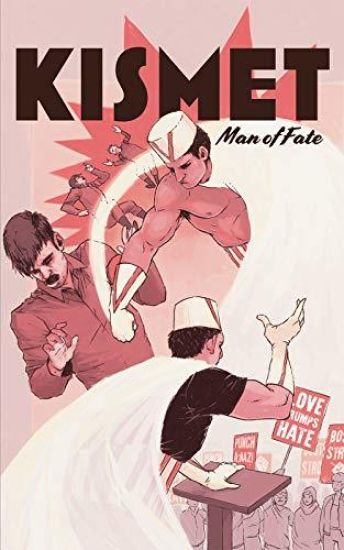
Kismet was the world’s first Muslim superhero, making his debut in “Bomber Comics” in 1944. However, after only four issues, the character disappeared for over sixty years. That is until writer and religious studies scholar, A. David Lewis, (The Lone & Level Sands, A New Kind of Slaughter), brought the hero to the modern age in short story published within the Broken Frontier anthology (published by A Wave Blue World, 2016). In his first featured graphic novel adventure, Kismet finds himself transported to our time with no memory of how he got here... or why. Set after the Boston Marathon bombing, and leading up to the 2017 presidential election, Kismet struggles to find his place in the modern world? Yes, they are facing many of the same threats he fought against during World War II, but that doesn’t necessarily mean they need the same hero. Even someone with superpowers can’t force together a country divided or punch away a threat that’s coming from within their own political system. Kismet ditches the cape and instead tries to inspire a movement of political action coming directly from the people. Instead of fighting bad guys, he makes speeches, attends the Women’s March on DC, and even goes on daytime talk shows. But inevitably, it’s his inaction that costs him the most. Kisment witnesses a bank robbery and refuses to intervene, losing the good faith of the people. To fill this void, a new hero steps in, Steampunk, and saves the day. Kismet begins to doubt the reason for his very existence. It’s at that time that Steampunk comes to his side. Together they work toward a common cause, unraveling the plot of an enemy who’s been pulling the strings from the beginning. Once considered an ally, Omar wants the power of Kismet’s cape, the mystical “fatecloth”, for himself. He almost succeeds but the fatecloth deems him unworthy and Kismet reclaims the mantle. A hero’s journey is never easy, but he’s here for a reason… to serve the people any way he can.