Kirjojen hintavertailu. Mukana 12 595 353 kirjaa ja 12 kauppaa.

Kirjailija

Abby Stein

Kirjat ja teokset yhdessä paikassa: 7 kirjaa, julkaisuja vuosilta 2006-2020, suosituimpien joukossa Becoming Eve: My Journey from Ultra-Orthodox Rabbi to Transgender Woman. Vertaile teosten hintoja ja tarkista saatavuus suomalaisista kirjakaupoista.

7 kirjaa

Kirjojen julkaisuhaarukka 2006-2020.

Becoming Eve: My Journey from Ultra-Orthodox Rabbi to Transgender Woman
The powerful coming-of-age story of an ultra-Orthodox child who was born to become a rabbinic leader and instead became a womanAbby Stein was raised in a Hasidic Jewish community in Brooklyn, isolated in a culture that lives according to the laws and practices of eighteenth-century Eastern Europe, speaking only Yiddish and Hebrew and shunning modern life. Stein was born as the first son in a dynastic rabbinical family, poised to become a leader of the next generation of Hasidic Jews. But Abby felt certain at a young age that she was a girl. She suppressed her desire for a new body while looking for answers wherever she could find them, from forbidden religious texts to smuggled secular examinations of faith. Finally, she orchestrated a personal exodus from ultra-Orthodox manhood to mainstream femininity-a radical choice that forced her to leave her home, her family, her way of life. Powerful in the truths it reveals about biology, culture, faith, and identity, Becoming Eve poses the enduring question: How far will you go to become the person you were meant to be?
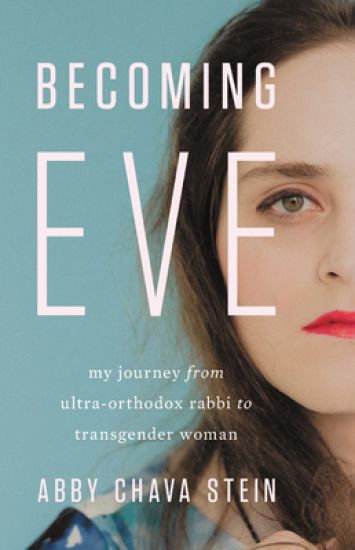
Becoming Eve

Becoming Eve

Abby Stein

Seal Press
2019
sidottu
Abby Chava Stein was raised in a Hasidic Jewish community in Brooklyn, profoundly isolated in a culture that lives according to the laws and practices of an eighteenth-century Eastern European enclave, speaking only Yiddish and Hebrew and shunning modern life. Stein was born as the first son in a rabbinical dynastic family, poised to become a leader of the next generation of Hasidic Jews. But Stein felt certain at a young age that she was a girl. Without access to TV or the internet and never taught English, she suppressed her desire for a new body while looking for answers wherever she could find them, from forbidden religious texts to smuggled secular examinations of faith. Finally, she orchestrated a personal exodus from ultra-Orthodox manhood into mainstream femininity-a radical choice that forced her to leave her home, her family and her way of life.
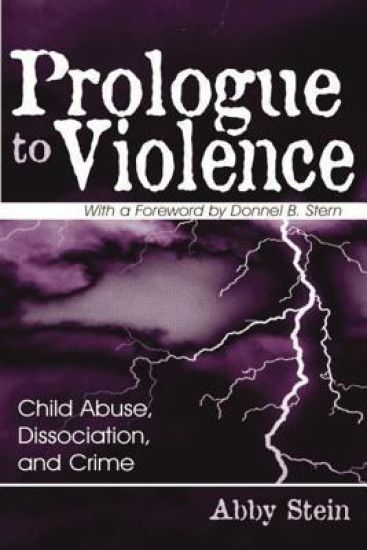
Prologue to Violence

Prologue to Violence

Abby Stein

Routledge
2014
nidottu
Despite mounting references to the "transgenerational transmission of violence," we still lack a compelling understanding of the linkage between the interpersonal violence of early life and the criminal violence of adulthood. In Prologue to Violence, Abby Stein draws on the gripping narratives of 65 incarcerated subjects and extensive material from law enforcement files to remedy this lacuna in both the forensic and psychodynamic literature. In the process, she calls into question prevailing beliefs about criminal character and motivation. For Stein the early trauma to which adult criminals are subjected remains unformulated and, as such, unavailable for reflection. Contrary to common belief, these criminals, especially sex murderers, do not commit their crimes in a rational or fully conscious way. They are not driven by deviant fantasy, their psychopathy is not inborn, and they rarely commit acts of violence "without conscience."Stein’s interdisciplinary analysis of her data infuses contemporary relational psychoanalysis with the insights of neuroscience, traumatology, criminology, and cognitive and narrative psychology. A powerful challenge to offender treatment programs to address the shaping impact of childhood trauma rather than merely to "correct" the cognitions of violent offenders, Prologue to Violence will be equally compelling to researchers and academics investigating child abuse and adult violence. Its mental health readership will be broad and deep, ranging beyond clinicians who work with offender populations to all therapists who wrestle with experiences of dissociation and aggressive enactment in everyday life.
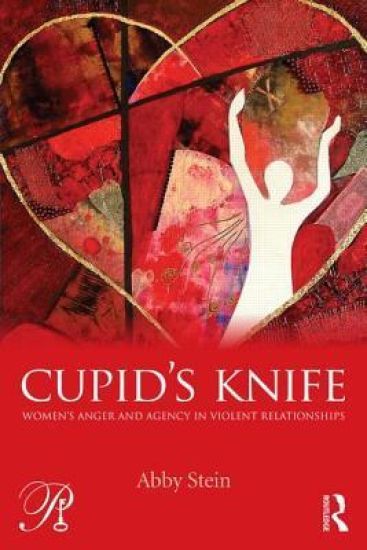
Cupid's Knife: Women's Anger and Agency in Violent Relationships
Much domestic violence literature has called attention to the fact that women's material needs for shelter, daycare, employment, and legal protection may render them helpless to leave toxic relationships. Yet, even with the provision of these, many women remain tightly wound in their abusers' embrace. In Cupid's Knife: Women's Anger and Agency in Violent Relationships, Abby Stein draws on the gripping narratives of physically and emotionally abused women to illuminate how splitting off their own aggression undermines women's agency, making it almost impossible for them to leave violent partners. Psychology, with its focus on 'managing' men's anger in violent relationships, has had little to offer in the way of substantive critical work with women on the identification, integration and constructive use of a range of darker emotions typically labelled as antithetical to the norms for female behaviour. In this book, Abby Stein shows that although a number of psychological processes that contribute to the intractability of abusive relationships have been identified – such as trauma bonding and learned helplessness – their recognition has offered no clinical pathway out of the abyss. Stein suggests that our attention to other aspects of the internal world, the relational framework, and the cultural context in which both operate, may be more useful than current interventions in determining individual treatments that break the oft-cited 'cycle of violence'. More globally, Cupid's Knife: Women's Anger and Agency in Violent Relationships jumpstarts a provocative conversation about how female aggression can be repurposed as a catalyst for social change. It will be essential reading for psychoanalysts, psychologists, psychiatrists, sociologists, criminologists, students and the lay reader with an interest in clinical treatment, interpersonal psychoanalysis, domestic violence, gender roles, dissociation and aggression.
Cupid's Knife: Women's Anger and Agency in Violent Relationships
Much domestic violence literature has called attention to the fact that women's material needs for shelter, daycare, employment, and legal protection may render them helpless to leave toxic relationships. Yet, even with the provision of these, many women remain tightly wound in their abusers' embrace. In Cupid's Knife: Women's Anger and Agency in Violent Relationships, Abby Stein draws on the gripping narratives of physically and emotionally abused women to illuminate how splitting off their own aggression undermines women's agency, making it almost impossible for them to leave violent partners. Psychology, with its focus on 'managing' men's anger in violent relationships, has had little to offer in the way of substantive critical work with women on the identification, integration and constructive use of a range of darker emotions typically labelled as antithetical to the norms for female behaviour. In this book, Abby Stein shows that although a number of psychological processes that contribute to the intractability of abusive relationships have been identified – such as trauma bonding and learned helplessness – their recognition has offered no clinical pathway out of the abyss. Stein suggests that our attention to other aspects of the internal world, the relational framework, and the cultural context in which both operate, may be more useful than current interventions in determining individual treatments that break the oft-cited 'cycle of violence'. More globally, Cupid's Knife: Women's Anger and Agency in Violent Relationships jumpstarts a provocative conversation about how female aggression can be repurposed as a catalyst for social change. It will be essential reading for psychoanalysts, psychologists, psychiatrists, sociologists, criminologists, students and the lay reader with an interest in clinical treatment, interpersonal psychoanalysis, domestic violence, gender roles, dissociation and aggression.
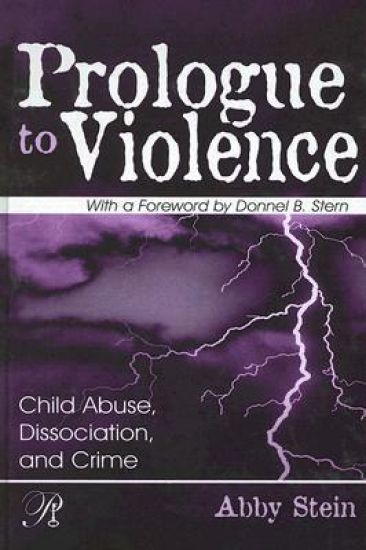
Prologue to Violence

Prologue to Violence

Abby Stein

Analytic Press,U.S.
2006
sidottu
Despite mounting references to the "transgenerational transmission of violence," we still lack a compelling understanding of the linkage between the interpersonal violence of early life and the criminal violence of adulthood. In Prologue to Violence, Abby Stein draws on the gripping narratives of 65 incarcerated subjects and extensive material from law enforcement files to remedy this lacuna in both the forensic and psychodynamic literature. In the process, she calls into question prevailing beliefs about criminal character and motivation. For Stein the early trauma to which adult criminals are subjected remains unformulated and, as such, unavailable for reflection. Contrary to common belief, these criminals, especially sex murderers, do not commit their crimes in a rational or fully conscious way. They are not driven by deviant fantasy, their psychopathy is not inborn, and they rarely commit acts of violence "without conscience."Stein’s interdisciplinary analysis of her data infuses contemporary relational psychoanalysis with the insights of neuroscience, traumatology, criminology, and cognitive and narrative psychology. A powerful challenge to offender treatment programs to address the shaping impact of childhood trauma rather than merely to "correct" the cognitions of violent offenders, Prologue to Violence will be equally compelling to researchers and academics investigating child abuse and adult violence. Its mental health readership will be broad and deep, ranging beyond clinicians who work with offender populations to all therapists who wrestle with experiences of dissociation and aggressive enactment in everyday life.