Kirjojen hintavertailu. Mukana 12 510 771 kirjaa ja 12 kauppaa.
Kirjailija
Abrar Yousuf
Kirjat ja teokset yhdessä paikassa: 3 kirjaa, julkaisuja vuosilta 2023-2025, suosituimpien joukossa Lantana Camara. Vertaile teosten hintoja ja tarkista saatavuus suomalaisista kirjakaupoista.
Soil biota is an important and fundamental part of terrestrial ecology. The soil organisms include all those life forms which pass significant proportion of their life within a soil profile. The range of organisms may vary from microscopic entities to a macro level organisms. These organisms are the hidden beauties which take up the task of food chain regulation, organic matter decomposition, and nutrient enrichment of soil. Soil organisms can be grouped into three classes viz; chemical engineers (bacteria,fungi and protozoans), biological regulators (small soil invertebrates like nematodes and mesofauna) and ecosystem engineers (large soil invertebrates and small mammals). These creatures are mainly regulated by certain physical and biological factors. The physicochemical characteristics of soil can determine its biological diversity which influences the regulatory services in an ecosystem. This book showcases the mechanisms of biological dynamics at micro, meso and macro scales of the soil organisms. The introductory chapters of this book focus on understanding the faunistic diversity and its significance in soil, bioindicators in assessment of soil quality, consequences of various stressors on soil, highlighting the eves and odds associated with agricultural industry vis-à-vis environmental pollution and the possible influences on soil biota. Remaining chapters focus on the fungal internet, ecosystem cybernetics, and the potential remedial technologies for soil conservation, and novel remediation strategies to deal with degraded soils.
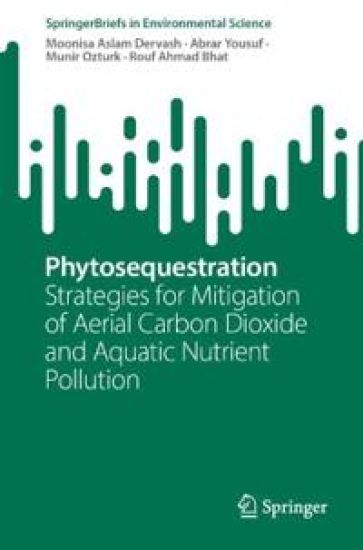
Most imperative environmental concerns are Cultural eutrophication pertaining to industrialization and urbanization which lead to proliferation of weeds in aquatic environs disturbing these ecosystems. Alarming increase in CO2, CH4, CFC’s, N2O and water vapour in the atmosphere cause enhanced greenhouse effect, among all these CO2 is accountable for 55-60 % of total enhanced effect. Phyto- and Nutrient sequestration via plants helps storage of atmospheric CO2 in the vegetation to get rid of contaminants. Carbon and nutrient sequestration can be braided together for sustainable development goals. The chapters adopt the hierarchy as follows: significance of quality environs, quantification and bio-monitoring of culprit contaminants, the issues relevant to global warming and accelerated eutrophication and their ecological impacts followed by various sequestration technologies.