Kirjojen hintavertailu. Mukana 12 595 353 kirjaa ja 12 kauppaa.

Kirjailija

Adam G Cooper

Kirjat ja teokset yhdessä paikassa: 6 kirjaa, julkaisuja vuosilta 2005-2023, suosituimpien joukossa Holy Eros. Vertaile teosten hintoja ja tarkista saatavuus suomalaisista kirjakaupoista.

Mukana myös kirjoitusasut: Adam G. Cooper

6 kirjaa

Kirjojen julkaisuhaarukka 2005-2023.

Fruit in FAILURE

Fruit in FAILURE

Adam G Cooper

various Australia publishers
2023
pokkari
Fruit in Failure: Tales from Mountains I Never Climbed catalogues the author's diverse mountaineering exploits collected from almost forty years' rock and alpine climbing on six continents. While some chapters detail successful summits and survivals, most recount humiliating tales of failure, frustration and defeat. Filled with photos, the book unfolds as a project in solidarity with the vast sea of average adventurers who will never climb like a superstar, but who know something of the same yearning, enchantment and motivation that only the actual experience of climbing and standing among the great ranges can inspire.
Naturally Human, Supernaturally God

Naturally Human, Supernaturally God

Adam G. Cooper

Fortress Press,U.S.
2014
pokkari
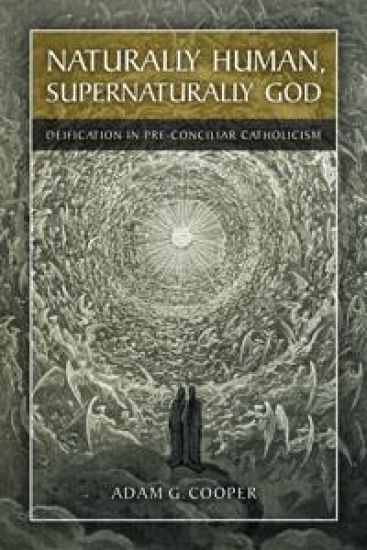
Naturally Human, Supernaturally God focuses upon a theological subject matter whose provenance not only spans both periods of the twentieth century, but the whole history of Christianity. It seeks to open a small window upon an odd case of theological convergence between three of the most diverse yet important theologians of the pre-Conciliar period, each of whom played a vital role in the Second Vatican Council - Reginald Garrigou-Lagrange O.P., Karl Rahner S.J., and Henri de Lubac S.J. It is widely acknowledged that the differences between these three figures, and the traditions subsequently associated with them, sometimes run so deep as to defy resolution. Yet, this book will argue they were strangely united in a shared conviction: today's Church urgently needs to renew its acquaintance with an ancient Christian theme, namely, the doctrine of deification. Only in a self-transcending, supernaturally-wrought participation in the life of God do human beings reach their proper fulfillment.These three theologians are significant figures in the modern recovery of the doctrine of deification, receiving its official adumbration in the Christocentric and Trinitarian anthropological vision outlined in Vatican Il's Pastoral Constitution, Gaudium et Spes. This book tells the story of that recovery and the contribution these rather different theologians played, adding an oft-neglected stream to the contemporary discussion of this important topic.
Life in the Flesh

Life in the Flesh

Adam G. Cooper

Oxford University Press
2008
sidottu
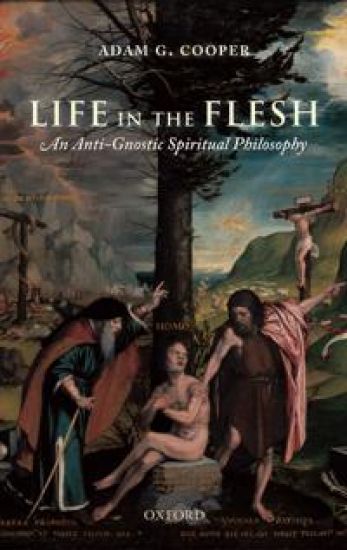
Christianity is deeply interested in the body. In its central mysteries - creation, incarnation, and resurrection - the body and human flesh are radically implicated. Bodies are persons, and persons are spiritual beings, bearers of the divine image and destined for bodily union with God. From the Bible to the Second Vatican Council, from Irenaeus and Tertullian to Aquinas and Luther, the classic sources of the Christian tradition engender a spiritual philosophy that challenges the ever-present gnostic impulse either to marginalize, or else to worship, the body. Adam G. Cooper brings these rich sources into conversation with numerous contemporary voices in philosophy and theology, offering an illuminating and critical perspective on such pressing social and ethical questions as pornography, feminism, philosophy of mind, sterility, and death.
The Body in St Maximus the Confessor

The Body in St Maximus the Confessor

Adam G. Cooper

Oxford University Press
2005
sidottu
Contemporary scholarship recognizes in Maximus the Confessor a theologian of towering intellectual importance. In this book Adam G. Cooper puts to him a question which from the origins of Christian thought has constituted an interpretative crux for catholic Christianity: what is the place of the material order and, specifically, of the human body, in God's creative, redemptive, and perfective economies? While the study builds upon the insights of other efforts in Maximian scholarship, it primarily presents an engagement with the full vista of Maximus's own writings, providing a unique contribution towards an intelligent apprehension of this erudite but often impenetrable theological mind.