Kirjojen hintavertailu. Mukana 12 657 676 kirjaa ja 12 kauppaa.
Kirjailija
Adam Phillips
Kirjat ja teokset yhdessä paikassa: 74 kirjaa, julkaisuja vuosilta 1989-2027, suosituimpien joukossa Houdini's Box: The Art of Escape. Vertaile teosten hintoja ja tarkista saatavuus suomalaisista kirjakaupoista.
An exploration of the role of the handbag in the history of culture, fashion, and material production The history of the handbag—its design, how it has been made, used, and worn—reveals something essential about women's lives over the past 500 years. Perhaps the most universal item of fashionable adornment, it can also be elusive, an object of desire, secrecy, and even fear. Handbags explores these rich histories and multiple meanings.This book features specially commissioned photographs of an extraordinary, newly formed collection of fashionable handbags that date from the 16th century to the present day. It has been acquired for exhibition in the first museum devoted to the handbag, in Seoul, South Korea. The project is a commission undertaken by experimental exhibition-maker Judith Clark, whose innovative practices are revealed in Handbags.Essays by leading fashion historians and an acclaimed psychoanalyst investigate the history of gesture, the psychoanalysis of bags, and the museum's state-of-the-art mannequins and archive cabinets. In order to preserve the words that describe the unique qualities of each bag, a terminology of handbags has been compiled.Published in association with the Simone Handbag Museum, Seoul
Two gifted and highly prolific intellectuals, Leo Bersani and Adam Phillips, here engage in a fascinating dialogue about the problems and possibilities of human intimacy. Their conversation takes as its point of departure psychoanalysis and its central importance to the modern imagination - though equally important is their shared sense that by misleading us about the importance of self-knowledge and the danger of narcissism, psychoanalysis has failed to realize its most exciting and innovative relational potential. Persuasive and provocative, "Intimacies" is a rare opportunity to listen in on two brilliant thinkers as they explore new ways of thinking about the human psyche.
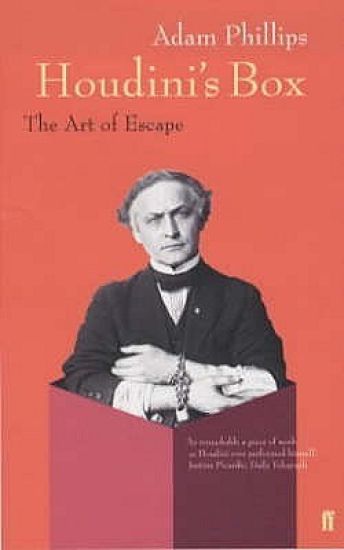
In his most captivating book to date, Adam Phillips explores mankind's on-going fascination with ideas of escape. Taking as his starting point the life and works of Harry Houdini - 'the greatest magician the world has ever seen' - he considers why some people might become compulsive escape artists, whereas others appear to find freedom in self-imposed confinement.'A rare achievement - as remarkable a piece of work as Houdini ever performed himself.' Daily Telegraph
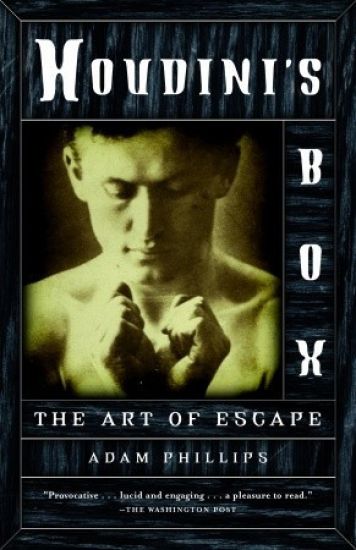
In this uniquely brilliant and insightful book, an acclaimed essayist and psychoanalyst analyzes four escape artists--including Harry Houdini and Emily Dickinson--to meditate on the notion of escape in our society and in ourselves. "Provocative ... lucid and engaging ... a pleasure to read." --The Washington Post No one can escape the desire and need to escape. By analyzing four examples of escape artists--a young girl who hides from others by closing her eyes; a grown man incapable of a relationship; Emily Dickinson, recluse extraordinaire; and Harry Houdini, the quintessential master of escape--Phillips enables readers to identify the escape artists lurking within themselves. Lucid, erudite, and audacious, Houdini's Box is another scintillating and seminal work by one of the world's most dazzlingly original thinkers.
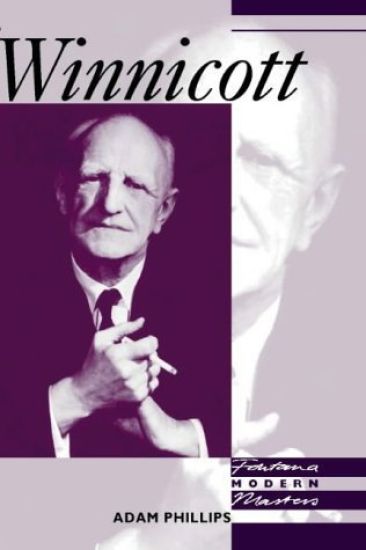
The biography of Donald Winnicott, a child psychiatrist and psychoanalyst who spent nearly all of his professional life at Paddington Green Children's Hospital, London. His work and writing about children has been increasingly regarded as an influential contribution to psychoanalysis.
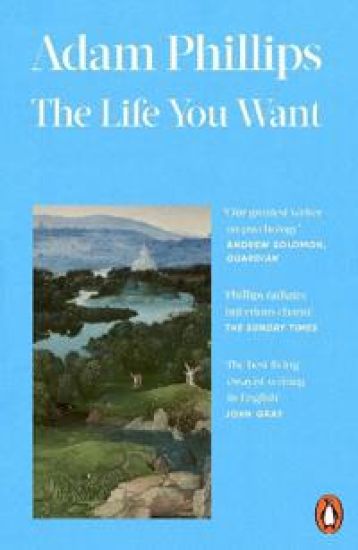
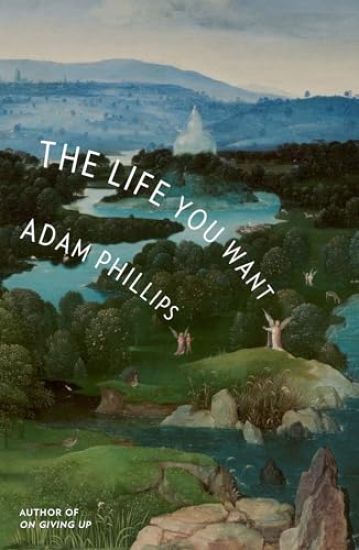
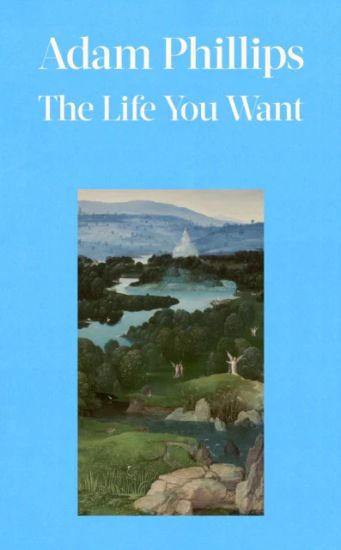
Adam Phillips, the foremost psychoanalytic writer of our time, plays with ideas about the lives we want. Where do we get ideas about the lives we want? And, what do we do--and fail to do--about actually getting them? In The Life You Want, Adam Phillips uses psychoanalytic and literary approaches to show that we are obsessed by the idea of our lives being ones we want and enjoy rather than merely endure, tolerate or make the most of. Through a series of interlinked essays, Phillips explores the difficulties we have around the whole idea of enjoying--and fashioning--our lives in cultures that insistently promote enjoyment while making it very difficult for so many people. Exploring the personal and political overlap in the issue of our lives, The Life You Want is a profound examination of our ambivalence about enjoyment, and indeed, wanting.
From acclaimed psychoanalyst Adam Phillips, a meditation on how to achieve the lives we want Where do we get ideas about the lives we want? And, what do we do – and fail to do – about actually getting them?In The Life You Want Adam Phillips uses psychoanalytic and literary approaches to show that we are obsessed by the idea of our lives being ones we want and enjoy rather than merely endure, tolerate or make the most of.Through a series of interlinked essays, Phillips explores the difficulties we have around the whole idea of enjoying – and fashioning – our lives in cultures that insistently promote enjoyment while making it very difficult for so many people. Exploring the personal and political overlap in the issue of our lives, The Life You Want is a profound examination of our ambivalence about enjoyment, and indeed, wanting.'One of the finest prose stylists in the language, an Emerson of our time' John Banville
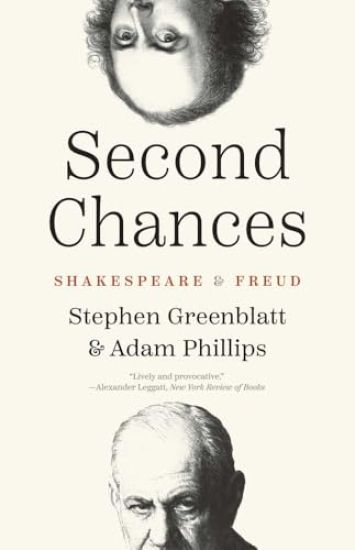
A powerful exploration of the human capacity for renewal, as seen through Shakespeare and Freud “A compellingly readable and intelligent book. . . . Both authors write with impressive energy.”—Rowan Williams, New Statesman In this fresh investigation, Stephen Greenblatt and Adam Phillips explore how the second chance has been an essential feature of the literary imagination and a promise so central to our existence that we try to reproduce it again and again. Innumerable stories, from the Homeric epics to the New Testament, and from Oedipus Rex to Hamlet, explore the realization or failure of second chances—outcomes that depend on accident, acts of will, or fate. Such stories let us repeatedly rehearse the experience of loss and recovery: to know the joy that comes with a renewal of love and pleasure and to face the pain that comes with realizing that some damage can never be undone. Through a series of illuminating readings, the authors show how Shakespeare was the supreme virtuoso of the second chance and Freud was its supreme interpreter. Both Shakespeare and Freud believed that we can narrate our life stories as tales of transformation, of momentous shifts, constrained by time and place but often still possible. Ranging from The Comedy of Errors to The Winter’s Tale, and from D. W. Winnicott to Marcel Proust, the authors challenge readers to imagine how, as Phillips writes, “it is the mending that matters.”
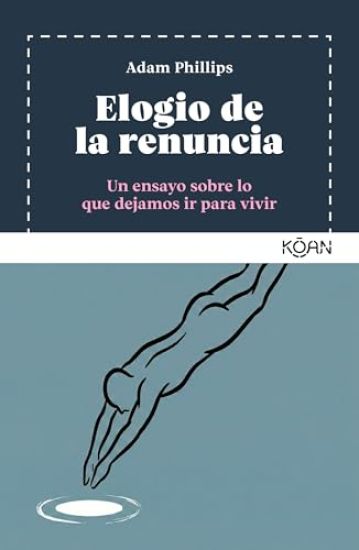
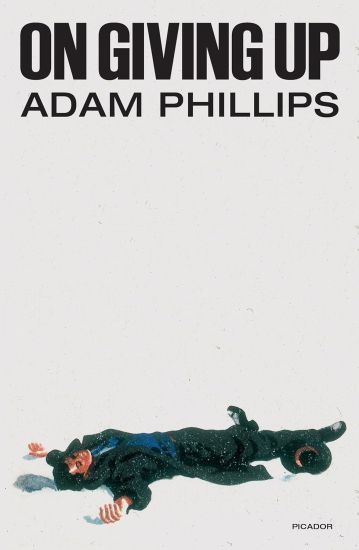
One of The New York Times Critics' Picks of the Year From acclaimed psychoanalyst Adam Phillips, a meditation on what we must give up to feel more alive. To give up or not to give up? The question can feel inescapable but the answer is never simple. Giving up our supposed vices is one thing; giving up on life itself is quite another. One form of self-sacrifice feels positive, something to admire and aspire to, while the other is profoundly unsettling, if not actively undesirable. There are always, it turns out, both good and bad sacrifices, but it is not always clear beforehand which is which. We give something up because we believe we can no longer go on as we are. In this sense, giving up is a critical moment--an attempt to make a different future. In On Giving Up, the acclaimed psychoanalyst Adam Phillips illuminates both the gaps and the connections between the many ways of giving up and helps us to address the central question: What must we give up in order to feel more alive?
In "To Keep Cardboard Boxes or Recycle," the poet invites readers into a world where the mundane meets the profound. This collection explores the delicate balance between sentiment and practicality, using the humble cardboard box as a metaphor for our memories, aspirations, and the clutter we carry through life. Each poem reflects on the choices we make, the emotions tied to physical objects, and the bittersweet weight of nostalgia. With evocative imagery and heartfelt musings, the poet examines themes of preservation versus letting go, urging us to reflect on what we choose to hold onto and why. Through playful language and poignant revelations, "To Keep Cardboard Boxes or Recycle" encourages a deeper understanding of our personal narratives, ultimately asking: what do we truly value, and what can we afford to release?
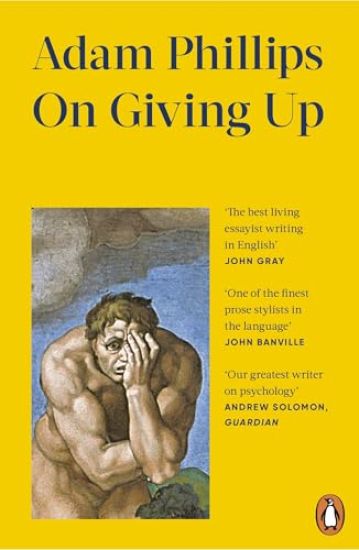
'A wise, generous book' Washington PostFrom acclaimed psychoanalyst Adam Phillips, a meditation on what we must give up to feel more alive.To give up or not to give up?The question can feel inescapable but the answer is never simple.Giving up our supposed vices is one thing; giving up on life itself is quite another. One form of self-sacrifice feels positive, something to admire and aspire to, while the other is profoundly unsettling, if not actively undesirable.There are always, it turns out, both good and bad sacrifices, but it is not always clear beforehand which is which. We give something up because we believe we can no longer go on as we are. In this sense, giving up is a critical moment - an attempt to make a different future.In On Giving Up, acclaimed psychoanalyst Adam Phillips illuminates both the gaps and the connections between the many ways of giving up, and helps us to address the central question: what must we give up in order to feel more alive?'One of the finest prose stylists in the language, an Emerson of our time' John Banville'The best living essayist writing in English' John Gray
"Duct Tape Won't Fix This" is a poignant exploration of the raw edges of human experience, where the fragility of life meets the resilience of the spirit. Through a series of striking verses, the poet unravels the complexities of love, loss, and healing, illustrating how some wounds cannot simply be mended with temporary fixes. Each poem serves as a reflection on the deep emotions woven into our everyday existence, inviting readers to confront the truths we often shy away from. With sharp imagery and heartfelt language, the collection encourages a deeper understanding of vulnerability and the strength found in embracing our imperfections. As the title suggests, this book is a reminder that some challenges require more than simple solutions; they demand our attention, our courage, and ultimately, our acceptance. Join the poet on a journey that is both intimate and universal, where every word resonates with the struggles and triumphs of the human condition.
"Duct Tape Won't Fix This" is a poignant exploration of the raw edges of human experience, where the fragility of life meets the resilience of the spirit. Through a series of striking verses, the poet unravels the complexities of love, loss, and healing, illustrating how some wounds cannot simply be mended with temporary fixes. Each poem serves as a reflection on the deep emotions woven into our everyday existence, inviting readers to confront the truths we often shy away from. With sharp imagery and heartfelt language, the collection encourages a deeper understanding of vulnerability and the strength found in embracing our imperfections. As the title suggests, this book is a reminder that some challenges require more than simple solutions; they demand our attention, our courage, and ultimately, our acceptance. Join the poet on a journey that is both intimate and universal, where every word resonates with the struggles and triumphs of the human condition.
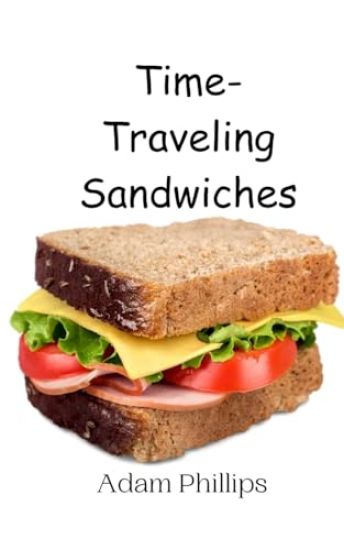
"Time-Traveling Sandwiches" is a whimsical collection that defies the boundaries of time and taste, inviting readers to embark on a surreal culinary journey. Each poem unveils a deliciously imaginative tale where sandwiches serve as portals to the past, present, and future. With a blend of humor and nostalgia, the verses explore the bittersweet moments of life through the lens of inventive toppings and unusual bread choices. From a picnic in the roaring twenties to futuristic feasts in a gleaming metropolis, this anthology serves up a feast for the senses, encouraging readers to savor each word and relish the stories within. Through vivid imagery and playful language, "Time-Traveling Sandwiches" challenges perceptions of both food and memory, reminding us that even the simplest creations can transport us to extraordinary places. Perfect for food lovers and poetry enthusiasts alike, this book promises to nourish both the heart and imagination.