Kirjojen hintavertailu. Mukana 12 595 353 kirjaa ja 12 kauppaa.

Kirjailija

Adam Todd

Kirjat ja teokset yhdessä paikassa: 4 kirjaa, julkaisuja vuosilta 2012-2024, suosituimpien joukossa Anticancer Therapeutics. Vertaile teosten hintoja ja tarkista saatavuus suomalaisista kirjakaupoista.

4 kirjaa

Kirjojen julkaisuhaarukka 2012-2024.

An Integrated Guide to Human Drug Metabolism

An Integrated Guide to Human Drug Metabolism

Mark Ashton; Paul W. Groundwater; Sophie Stocker; Adam Todd

ELSEVIER SCIENCE TECHNOLOGY
2024
nidottu
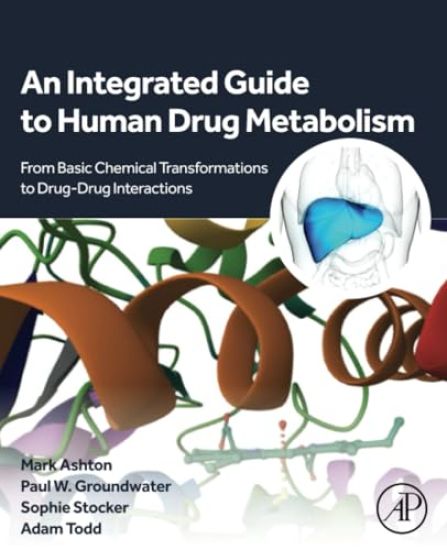
An Integrated Guide to Human Drug Metabolism: From Basic Chemical Transformations to Drug-Drug Interactions uses the chemistry of each of the metabolic transformations to underpin the discussion of drug interactions with foods, herbal medicines, and other drugs. Each of the human metabolic processes are covered, employing examples drawn from known metabolic transformations of drugs used clinically. The clinical relevance of metabolism is discussed, focusing on appropriate prescribing (age-related dosage adjustments, routes of administration, and personalized medicines). Appropriate for use in the classroom or for self-study, this book is for students and researchers needing a reference for interdisciplinary research in drug interactions. Metabolism is at the center of personalized medicine, as it is a governing factor in the response of the patient to a drug. For example, does the patient express the genes, and so enzymes, which are responsible for the metabolism of a drug? Do they express the genes responsible for the bioactivation of a prodrug into its active form? Examples of clinically used agents for which metabolic phenotyping is essential will be used to highlight the increasing necessity for understanding the genetic profile of individual patients. This book includes questions and answers to gauge learning of each chapter, real-life case studies, and the basic science as a basis for the discussion of clinical aspects.
Anticancer Therapeutics

Anticancer Therapeutics

Adam Todd; Paul W. Groundwater; Jason H. Gill

John Wiley Sons Inc
2018
sidottu
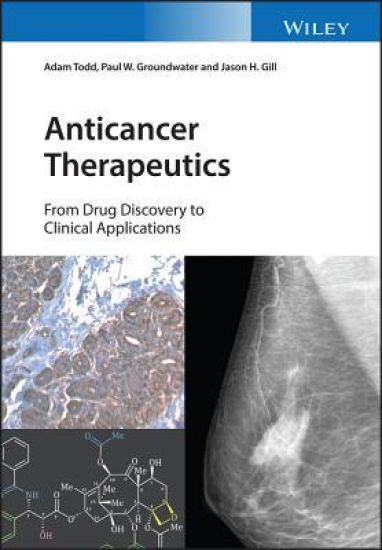
An integrated presentation of the basic science and clinical applications of anticancer agents Aimed at both undergraduate and postgraduate readers, this unique text provides readers with a fully-integrated presentation of all aspects of the science of anticancer drugs, including their chemistry, pharmacology, and clinical applications. After heart disease, cancer is the number one killer worldwide, and the tumor microenvironment is forever changing, creating an ever-greater demand for safer, more effective anticancer agents. In response to that demand, the $100 billion cancer drug market continues to grow, with our increased understanding of cancer leading to new drugs being used clinically almost every year. Anticancer Therapeutics is divided into three sections. Section 1 is an introduction to cancer and therapeutics, and covers the etiology and cellular and molecular basis of cancer. In Section 2, the authors focus on the anticancer agents — their discovery, synthesis, mode of action, mechanisms of resistance, and adverse reactions. Section 3 focuses on specific cancers, explaining how and why the various agents discussed in Section 2 are used, both individually and in combination, to treat different cancers. Integrates aspects of basic science, including chemistry and pharmacology and clinical medicine in relation to cancer therapeutics Written by an author team comprising specialists in medicinal chemistry, pharmacology, and oncologyFeatures full-color images throughout illustrating how drugs bind to cellular targets and exert their pharmacological effectDivided into three sections, covering the etiology and cellular and molecular basis of cancer, anticancer agents, and drug applications for different cancers. Providing the reader with an integrated understanding of all aspects of the science of anticancer agents, this is an ideal textbook for undergraduates studying medicine, nursing, medicinal chemistry, pharmacy, pharmacology and other allied heath / life sciences. It is also a valuable bench reference for pharmacists, medics, and pharmaceutical researchers working in both academia and industry.
Antibacterial Agents

Antibacterial Agents

Rosaleen Anderson; Paul W. Groundwater; Adam Todd; Alan Worsley

John Wiley Sons Inc
2012
sidottu
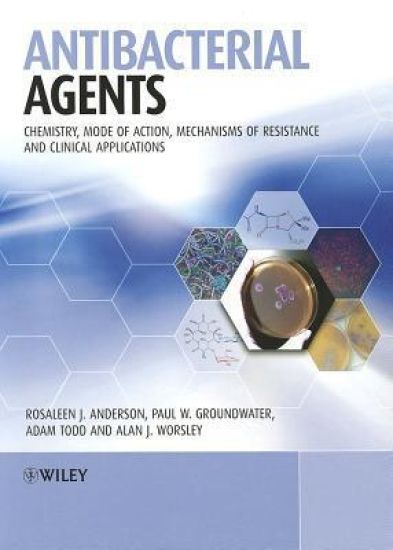
Antibacterial agents act against bacterial infection either by killing the bacterium or by arresting its growth. They do this by targeting bacterial DNA and its associated processes, attacking bacterial metabolic processes including protein synthesis, or interfering with bacterial cell wall synthesis and function. Antibacterial Agents is an essential guide to this important class of chemotherapeutic drugs. Compounds are organised according to their target, which helps the reader understand the mechanism of action of these drugs and how resistance can arise. The book uses an integrated “lab-to-clinic” approach which covers drug discovery, source or synthesis, mode of action, mechanisms of resistance, clinical aspects (including links to current guidelines, significant drug interactions, cautions and contraindications), prodrugs and future improvements. Agents covered include: agents targeting DNA - quinolone, rifamycin, and nitroimidazole antibacterial agentsagents targeting metabolic processes - sulfonamide antibacterial agents and trimethoprimagents targeting protein synthesis - aminoglycoside, macrolide and tetracycline antibiotics, chloramphenicol, and oxazolidinonesagents targeting cell wall synthesis - ß-Lactam and glycopeptide antibiotics, cycloserine, isonaizid, and daptomycin Antibacterial Agents will find a place on the bookshelves of students of pharmacy, pharmacology, pharmaceutical sciences, drug design/discovery, and medicinal chemistry, and as a bench reference for pharmacists and pharmaceutical researchers in academia and industry.
Antibacterial Agents

Antibacterial Agents

Rosaleen Anderson; Paul W. Groundwater; Adam Todd; Alan Worsley

John Wiley Sons Inc
2012
nidottu
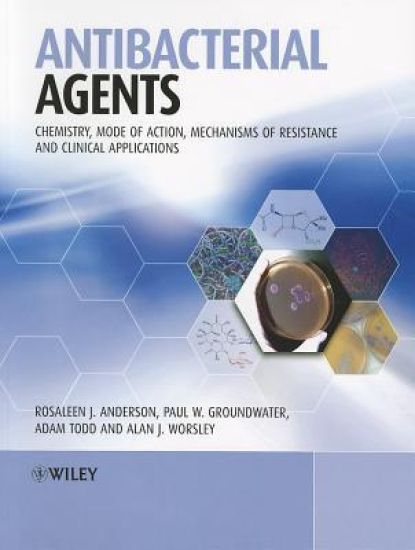
Antibacterial agents act against bacterial infection either by killing the bacterium or by arresting its growth. They do this by targeting bacterial DNA and its associated processes, attacking bacterial metabolic processes including protein synthesis, or interfering with bacterial cell wall synthesis and function. Antibacterial Agents is an essential guide to this important class of chemotherapeutic drugs. Compounds are organised according to their target, which helps the reader understand the mechanism of action of these drugs and how resistance can arise. The book uses an integrated “lab-to-clinic” approach which covers drug discovery, source or synthesis, mode of action, mechanisms of resistance, clinical aspects (including links to current guidelines, significant drug interactions, cautions and contraindications), prodrugs and future improvements. Agents covered include: agents targeting DNA - quinolone, rifamycin, and nitroimidazole antibacterial agentsagents targeting metabolic processes - sulfonamide antibacterial agents and trimethoprimagents targeting protein synthesis - aminoglycoside, macrolide and tetracycline antibiotics, chloramphenicol, and oxazolidinonesagents targeting cell wall synthesis - ß-Lactam and glycopeptide antibiotics, cycloserine, isonaizid, and daptomycin Antibacterial Agents will find a place on the bookshelves of students of pharmacy, pharmacology, pharmaceutical sciences, drug design/discovery, and medicinal chemistry, and as a bench reference for pharmacists and pharmaceutical researchers in academia and industry.