Kirjailija
Adele Ogier Jones
Kirjat ja teokset yhdessä paikassa: 6 kirjaa, julkaisuja vuosilta 2001-2022, suosituimpien joukossa Counting the Chiperoni. Vertaile teosten hintoja ja tarkista saatavuus suomalaisista kirjakaupoista.
Mukana myös kirjoitusasut: Adèle Ogier Jones, Adèle Ogiér Jones
6 kirjaa
Kirjojen julkaisuhaarukka 2001-2022.
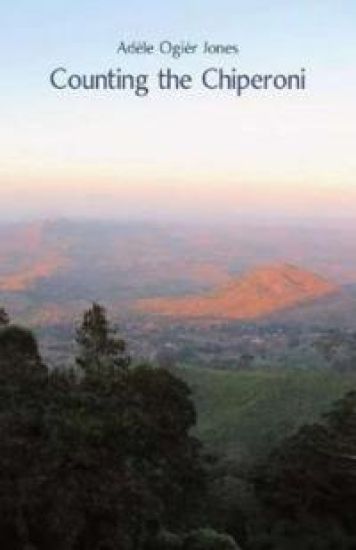
Chiperoni: term for a kind of fog, drizzle rain, experienced in the Shire Highlands of southern Malawi during the cold, dry season; name derived from Mount Chiperone, an isolated mountain peak at the southern extremity of East African mountain ranges, covered with montane forests and surrounded by deciduous woodlands.Ad le Ogi r Jones has lived and worked in Malawi over different periods since 2007. Poems in Counting the Chiperoni were written between 2017 and 2018. They are grouped in three sections, opening with those related to 'chiperoni', the weather phenomenon coming from Mozambique, affecting Malawi's southern Shire Highlands around Blantyre. Then 'bush and plantation' includes poems on changing land use; followed by the longest part of the collection 'and its people', which moves between local people's memories rewritten here as poems, and the poet's own reflections on present-day life, work, and customs affected by environmental and economic changes.

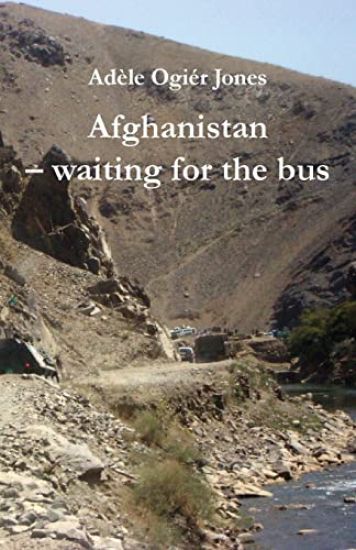
Ad le Ogi r Jones has worked internationally for more than two decades, much of it in development, more recently in regions affected by conflict. From 2004 to 2006, when these poems were written, she lived in Afghanistan, leading the education program of the Aga Khan Foundation in northern and central provinces. Political themes are common in these poems, though more often it is the snapshot of ordinary Afghan people affected by the ongoing war, and the international security assistance forces and international aid agencies which feature. Many of these poems were written in desperation, some with hope but all for Afghan people whose voices have been lost in the weariness of war. 'This is not the snake oil version of events purveyed by military and government spokespersons, nor the confused swill of corporate media. It is a quiet contemplation in 54 poetic works written by a civilian woman in sojourn with Afghani people. A book to embrace.' - Rhonda Jankovic, Spoken Word, 3CR