Kirjojen hintavertailu. Mukana 12 595 353 kirjaa ja 12 kauppaa.

Kirjailija

Adrian Snodgrass

Kirjat ja teokset yhdessä paikassa: 3 kirjaa, julkaisuja vuosilta 1988-2005, suosituimpien joukossa Interpretation in Architecture. Vertaile teosten hintoja ja tarkista saatavuus suomalaisista kirjakaupoista.

3 kirjaa

Kirjojen julkaisuhaarukka 1988-2005.

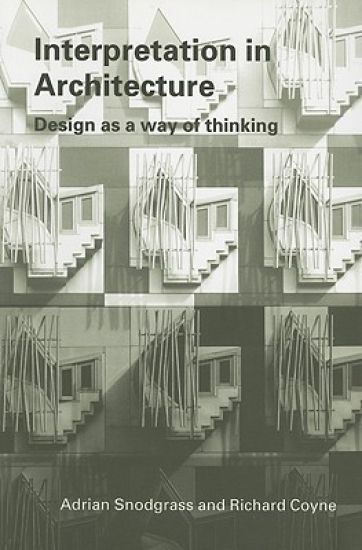
Interpretation in Architecture

Interpretation in Architecture

Adrian Snodgrass; Richard Coyne

Routledge
2005
nidottu
Drawing on cultural theory, phenomenology and concepts from Asian art and philosophy, this book reflects on the role of interpretation in the act of architectural creation, bringing an intellectual and scholarly dimension to real-world architectural design practice. For practising architects as well as academic researchers, these essays consider interpretation from three theoretical standpoints or themes: play, edification and otherness. Focusing on these, the book draws together strands of thought informed by the diverse reflections of hermeneutical scholarship, the uses of digital media and studio teaching and practice.

Interpretation in Architecture

Interpretation in Architecture

Adrian Snodgrass; Richard Coyne

Routledge
2005
sidottu
Drawing on cultural theory, phenomenology and concepts from Asian art and philosophy, this book reflects on the role of interpretation in the act of architectural creation, bringing an intellectual and scholarly dimension to real-world architectural design practice. For practising architects as well as academic researchers, these essays consider interpretation from three theoretical standpoints or themes: play, edification and otherness. Focusing on these, the book draws together strands of thought informed by the diverse reflections of hermeneutical scholarship, the uses of digital media and studio teaching and practice.
The Symbolism of the Stupa

The Symbolism of the Stupa

Adrian Snodgrass

Southeast Asia Program Publications, Cornell University
1988
pokkari
A close analysis of the architecture of the stupa—a Buddhist symbolic form that is found throughout South, Southeast, and East Asia. The author, who trained as an architect, examines both the physical and metaphysical levels of these buildings, which derive their meaning and significance from Buddhist and Brahmanist influences.