Kirjojen hintavertailu. Mukana 12 398 177 kirjaa ja 12 kauppaa.

Kirjailija

Ahmadou Kourouma

Kirjat ja teokset yhdessä paikassa: 6 kirjaa, julkaisuja vuosilta 2001-2024, suosituimpien joukossa Die Nächte des grossen Jägers. Vertaile teosten hintoja ja tarkista saatavuus suomalaisista kirjakaupoista.

6 kirjaa

Kirjojen julkaisuhaarukka 2001-2024.

Die Nächte des grossen Jägers

Die Nächte des grossen Jägers

Ahmadou Kourouma

Unionsverlag
2002
pokkari
Sechs Nächte lang lässt sich Koyaga, der große Jäger und Präsident einer fiktiven Republik in Westafrika, sein Leben von einem Griot, einem Hofpoeten, erzählen. Als Sohn eines Kriegshelden und einer großen Zauberin hatte Koyaga ideale Voraussetzungen, erster Mann des Staates zu werden und dies unter Einsatz aller Mittel - Mord, Raub, Korruption, Vergewaltigung - zu bleiben. Doch dann kommt die Demokratisierung und Wahlen stehen an. Aus dem Lobgesang des Hofpoeten wird unmerklich eine bitterböse Anklage jeglichen Machtmissbrauchs.
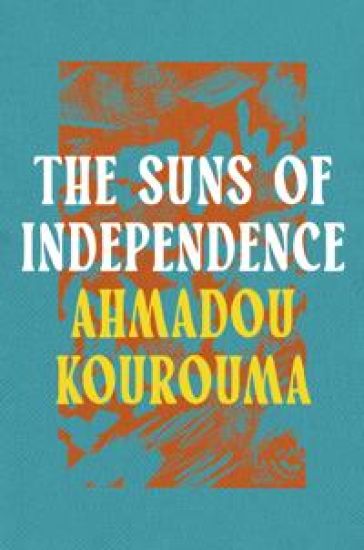
The Suns of Independence

The Suns of Independence

Ahmadou Kourouma

BLOOMSBURY PUBLISHING PLC
2024
nidottu
Ahmadou Kourouma's award winning novel, The Suns of Independence is one of the great classics of Francophone African literature, capturing the dreams and struggles of a newly independent nation.Fama is the last of an ancient line of Dumbuya princes who, before the Europeans came, reigned undisputed over the Malinke tribe. Yet even after independence, Fama is forced to beg for his place amongst the bureaucratic elite. Meanwhile, his wife, Salimata, is desperately attempting to save the Dumbuya legacy from extinction.Beyond the gripping political intrigue, Ahmadou Kourouma weaves together an in-depth tapestry of Malinke culture, blending the everyday experience of 1960s postcolonial life with age-old myths and traditions.'Perhaps the most remarkable African novelist writing in French.' Guardian
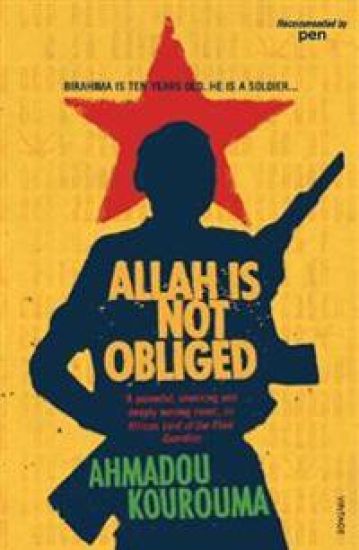
Allah Is Not Obliged

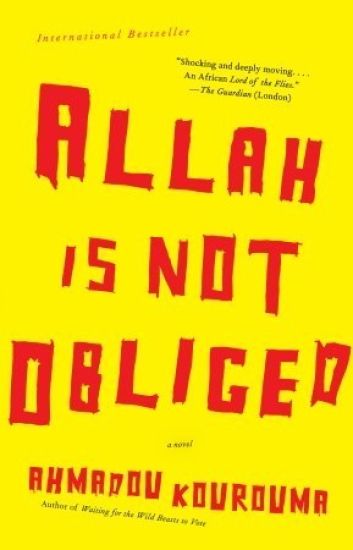
Allah Is Not Obliged

Ahmadou Kourouma

ANCHOR BOOKS
2007
nidottu
ALLAH IS NOT OBLIGED TO BE FAIR ABOUT ALL THE THINGS HE DOES HERE ON EARTH.These are the words of the boy soldier Birahima in the final masterpiece by one of Africa's most celebrated writers, Ahmadou Kourouma. When ten-year-old Birahima's mother dies, he leaves his native village in the Ivory Coast, accompanied by the sorcerer and cook Yacouba, to search for his aunt Mahan. Crossing the border into Liberia, they are seized by rebels and forced into military service. Birahima is given a Kalashnikov, minimal rations of food, a small supply of dope and a tiny wage. Fighting in a chaotic civil war alongside many other boys, Birahima sees death, torture, dismemberment and madness but somehow manages to retain his own sanity. Raw and unforgettable, despairing yet filled with laughter, Allah Is Not Obliged reveals the ways in which children's innocence and youth are compromised by war.
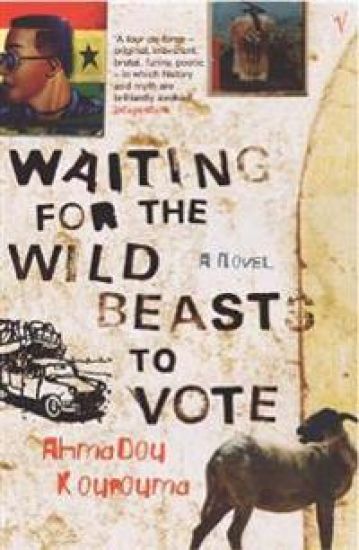
Waiting For The Wild Beasts To Vote

Waiting For The Wild Beasts To Vote

Ahmadou Kourouma

Vintage
2004
pokkari
But when the 'First World' decides it no longer want to support dictatorships and call for democracy, he needs another ruse to maintain himself in power... Part magic, part history, part savage satire, Waiting for the Wild Beasts to Vote is nothing less than a history of post-colonial Africa itself.
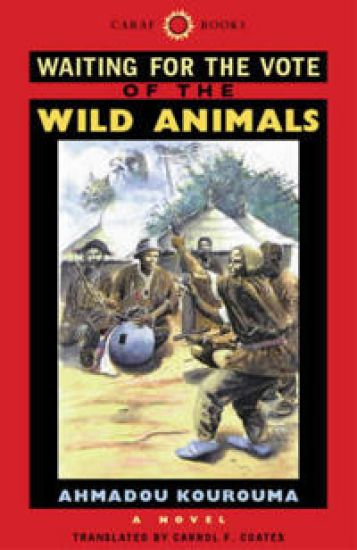
Waiting for the Vote of the Wild Animals

Waiting for the Vote of the Wild Animals

Ahmadou Kourouma

University of Virginia Press
2001
sidottu
Characterized as ""the African Voltaire,"" Ahmadou Kourouma garnered enormous critical and popular praise upon the 1998 release of his third novel, En attendant le vote des betes sauvages. Kourouma received the Prix des Tropiques, among other prestigious prizes, for that book, and the French edition went on to sell 100,000 copies. His most recent novel, Allah n'est pas oblige, is the winner of this year's Prix Renaudot. Carrol F. Coates's translation, Waiting for the Vote of the Wild Animals, introduces English-language audiences to Kourouma's irreverent view of the machinations of the African dictators who played the West against the East during the thirty years of the cold war. Profiting from western financial support, the dictators built palaces, shrines, and hunting preserves for their personal gratification as they paraded about with numerous mistresses, marabouts, and advisers. In the style of a sere who sings the praises of the thirty-year career of the master hunter and president Koyaga (a fictionalized Gnassingbe Eyadema of Togo), readers are treated to a brief overview of the French colonization of the ""Naked people,"" hunters in West African mountain country, followed by the account of Koyaga's assumption of power through treachery, assassination, and sorcery. In an interview Kourouma noted the Togolese assumption that if the people did not turn out to vote for Eyadema in the democratic elections following the cold war, the wild animals would come out of the forest to vote for him. The novel ends with an apocalyptic stampede, although the animals are probably fleeing a bush conflagration rather than running to the polls.