Kirjojen hintavertailu. Mukana 12 595 353 kirjaa ja 12 kauppaa.

Kirjailija

Akiko Busch

Kirjat ja teokset yhdessä paikassa: 6 kirjaa, julkaisuja vuosilta 1995-2025, suosituimpien joukossa From the Millpond to the Sea. Vertaile teosten hintoja ja tarkista saatavuus suomalaisista kirjakaupoista.

6 kirjaa

Kirjojen julkaisuhaarukka 1995-2025.

From the Millpond to the Sea

From the Millpond to the Sea

Akiko Busch

STATE UNIVERSITY OF NEW YORK PRESS
2025
pokkari
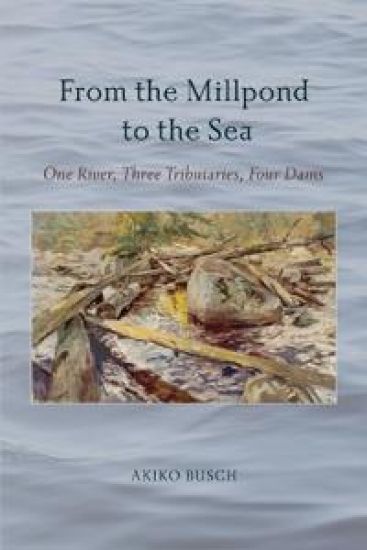
A personal narrative that considers the ecological, social, and human interests around dams in New York's Hudson River Valley. Sixty-seven tributaries flow into the Hudson River watershed, and over half are impeded by some sixteen-hundred-plus dams. Vestiges of early American infrastructure, most have outlived their purposes. Today, they restrict biodiversity; obstruct fish migration; raise the temperature of impounded water; and trap sediment, creating artificial flow patterns. Focusing on four key sites in the watershed, From the Millpond to the Sea advocates for their removal and the reconnection of free-flowing waterways and in doing so considers three options: maintenance, neglect, and removal. Along with the ecology of dam removal, the book looks to the abiding associations we have with waterways, arteries we use in our own cognitive mapmaking. Free-flowing water and still water imprint themselves differently on the human psyche, whether drawing us to meditative thought or conveying ideas about continuity and momentum. A fast-moving stream and a reflective pond speak to contrasting health of facets of human experience: motion and stillness, force and passivity. In considering how reconnecting streams answers to urgent ecological concerns, the book also reflects on the abiding associations we have with the water and land around us.
How to Disappear

How to Disappear

Akiko Busch

E P Dutton Co Inc
2020
nidottu
It is time to reevaluate the merits of the inconspicuous life, to search out some antidote to continuous exposure, and to reconsider the value of going unseen, undetected, or overlooked in this new world. Might invisibility be regarded not simply as refuge, but as a condition with its own meaning and power? The impulse to escape notice is not about complacent isolation or senseless conformity, but about maintaining identity, autonomy, and voice. In our networked and image-saturated lives, the notion of disappearing has never been more alluring. Today, we are relentlessly encouraged, even conditioned, to reveal, share, and promote ourselves. The pressure to be public comes not just from our peers, but from vast and pervasive technology companies that want to profit from patterns in our behavior. A lifelong student and observer of the natural world, Busch sets out to explore her own uneasiness with this arrangement, and what she senses is a widespread desire for a less scrutinized way of life--for invisibility. Writing in rich painterly detail about her own life, her family, and some of the world's most exotic and remote places, she savors the pleasures of being unseen. Discovering and dramatizing a wonderful range of ways of disappearing, from virtual reality goggles that trick the wearer into believing her body has disappeared to the way Virginia Woolf's Mrs. Dalloway finds a sense of affiliation with the world around her as she ages, Busch deliberates on subjects new and old with equal sensitivity and incisiveness. How to Disappear is a unique and exhilarating accomplishment, overturning the dangerous modern assumption that somehow fame and visibility equate to success and happiness. Busch presents a field guide to invisibility, reacquainting us with the merits of remaining inconspicuous, and finding genuine alternatives to a life of perpetual exposure. Accessing timeless truths in order to speak to our most urgent contemporary problems, she inspires us to develop a deeper appreciation for personal privacy in a vast and intrusive world.
In/Animate

In/Animate

Akiko Busch; Myra Mimlitsch-Gray; Sara J. Pasti

Samuel Dorsky Museum of Art
2016
pokkari
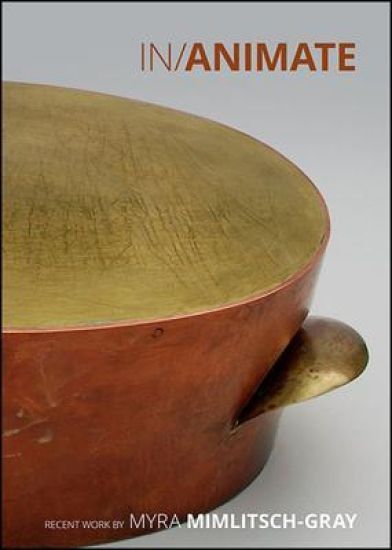
Documents the groundbreaking art of nationally renowned metalsmith Myra Mimlitsch-Gray.In/Animate surveys the past decade of work by Myra Mimlitsch-Gray, internationally renowned metalsmith and head of the Metal Program at SUNY New Paltz. Curated by author Akiko Busch, the exhibition explores a variety of artistic processes using iron, copper, brass, silver, and enameled steel. Mimlitsch-Gray's domestic artifacts suggest a coalescence of body and thing, conveying the mutability of the animate and inanimate and reflecting the intimacy between people and the objects they use. A spoon could be a lip, or a dangling twist of fabric, a vein. Over forty meticulously crafted works contribute to the contemporary conversation about how household objects express ideas about presentation, utility, and class.
Szenasy, Design Advocate

Szenasy, Design Advocate

Akiko Busch

Distributed Art Publishers
2014
nidottu
For more than 30 years, Susan S. Szenasy’s voice has resonated as an editorin- chief, writer, teacher, moderator, filmmaker and lecturer. In all of these roles, her advocacy for ethical, sustainable, human-centred design has been her guiding light. Known for decades as the editor-in-chief of Metropolis magazine, one of the most influential design magazines in the world, Szenasy has led the charge on issues ranging from universal design to emerging trends of consumer excess, from design for disassembly to the recovery of Lower Manhattan’s communities after 9/11, from design education to the social and environmental impacts of the buildings and products we manufacture. This volume – the first published collection of Szenasy’s writings – brings together editorials, reviews, stories, profiles, industry event presentations, classroom lectures, commencement addresses and more. Szenasy’s honest, thought-provoking and often challenging opinions are present in all of these pieces. So, too, is her ongoing commitment to informed dialogue, which has influenced and guided generations of design professionals, architects, journalists, retailers, manufacturers, legislators, educators and the next generation of designers.
The Incidental Steward

The Incidental Steward

Akiko Busch

Yale University Press
2014
pokkari
A thoughtful citizen scientist contemplates our changing natural world and the value of environmental stewardship"Sensuously lush and thought-provoking chronicles. . . . A beautiful and incisive affirmation of how 'full engagement with the natural world enriches the human experience.'"—Donna Seaman, Booklist, starred review A search for a radio-tagged Indiana bat roosting in the woods behind her house in New York’s Hudson Valley led Akiko Busch to assorted other encounters with the natural world—local ecological monitoring projects, community-organized cleanup efforts, and data-driven citizen science research. Whether it is pulling up water chestnuts in the Hudson River, measuring beds of submerged aquatic vegetation, or searching out vernal pools, all are efforts that illuminate the role of ordinary citizens as stewards of place. In this elegantly written book, Busch highlights factors that distinguish twenty-first-century citizen scientists from traditional amateur naturalists: a greater sense of urgency, helpful new technologies, and the expanded possibilities of crowdsourcing.The observations here look both to precisely recorded data sheets and to the impressionistic marginalia, scribbled asides, and side roads that often attend such unpredictable outings. While not a primer on the prescribed protocols of citizen science, the book combines vivid natural history, a deep sense of place, and reflection about our changing world. Musing on the expanding potential of citizen science, the author celebrates today’s renewed volunteerism and the opportunities it offers for regaining a deep sense of connection to place.
Turn of the Century Home

Turn of the Century Home

Akiko Busch

Renaissance Society at the University of Chicago
1995
nidottu
"A house means a family house, a place specially meant for putting children and men in so as to restrict their waywardness and distract them from the longing for adventure and escape they've had since time began." -Marguerite Duras In this exhibition 48 respected Chicago architects presented 77 projects that explored the various notions, values and forms of "home" at the end of the 20th Century. Chicago has a long, storied history of involvement with architectural innovation from the 1890s onward. It is within this context and legacy that these architects are working to refine and innovate forms of housing today. The exhibition included documentation and models of works in progress, finished buildings and theoretical investigations. The catalogue includes photographs and drawings of these projects, and short descriptive statements by each of the architects or architectural teams in the exhibit. It also features an essay by Contributing Editor of Metropolis, Akiko Busch, investigating the contemporary family unit and how it maneuvers change in living space. This catalogue was published with the support of the Graham Foundation.