Kirjojen hintavertailu. Mukana 12 432 366 kirjaa ja 12 kauppaa.

Kirjailija

Alan G Morris

Kirjat ja teokset yhdessä paikassa: 2 kirjaa, julkaisuja vuodelta 2022, suosituimpien joukossa Bones and Bodies. Vertaile teosten hintoja ja tarkista saatavuus suomalaisista kirjakaupoista.

2 kirjaa

Bones and Bodies

Bones and Bodies

Alan G Morris

Wits University Press
2022
pokkari
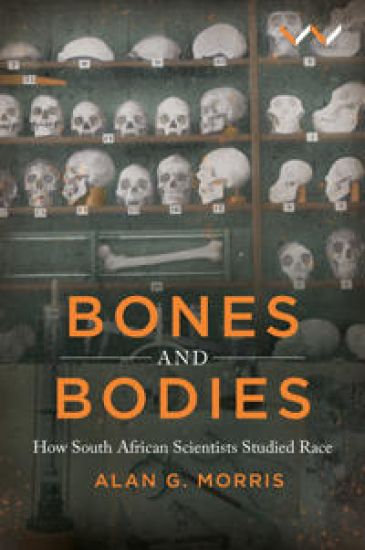
Alan G. Morris critically examines the history of evolutionary anthropology in South Africa, uncovering the often racist philosophical motivations of these physical anthropology researchers and the discipline itself South Africa is famed for its contribution to the study of human evolution. In Bones and Bodies Alan G. Morris takes us back over the past century of anthropological discovery in South Africa and uncovers the stories of the individual scientists and how they contributed to our knowledge of the peoples of southern Africa, both ancient and modern. Not all of this history is one which we should feel comfortable with, as much of the earlier anthropological studies have been tainted with the tarred brush of race science. Morris critically examines the work of Raymond Dart, Thomas Dreyer, Matthew Drennan, and Robert Broom who all described their fossil discoveries with the mirror of racist interpretation, as well as the life and times in which they worked. Morris also considers how modern anthropology tried to rid itself of the stigma of these early racist accounts. In the 1960s and 1970s, Ronald Singer and Phillip Tobias introduced modern methods into the discipline that jettisoned much of what the public wished to believe about race and human evolution. Modern methods in physical anthropology rely on sophisticated mathematics and molecular genetics but are difficult to translate and sometimes fail to challenge preconceived assumptions. In an age where the authority of the expert and empirical science is questioned, this book shows the battle facing modern anthropology in how to explain science in a context that seems to be at odds with life experience. In this highly accessible insider account, Morris examines the philosophical motivations of these researchers and the discipline itself. Much of the material draws on old correspondence and interviews as well as from published resources.
Bones and Bodies

Bones and Bodies

Alan G Morris

WITS UNIVERSITY PRESS
2022
sidottu
Alan G. Morris critically examines the history of evolutionary anthropology in South Africa, uncovering the often racist philosophical motivations of these physical anthropology researchers and the discipline itself South Africa is famed for its contribution to the study of human evolution. In Bones and Bodies Alan G. Morris takes us back over the past century of anthropological discovery in South Africa and uncovers the stories of the individual scientists and how they contributed to our knowledge of the peoples of southern Africa, both ancient and modern. Not all of this history is one which we should feel comfortable with, as much of the earlier anthropological studies have been tainted with the tarred brush of race science. Morris critically examines the work of Raymond Dart, Thomas Dreyer, Matthew Drennan, and Robert Broom who all described their fossil discoveries with the mirror of racist interpretation, as well as the life and times in which they worked. Morris also considers how modern anthropology tried to rid itself of the stigma of these early racist accounts. In the 1960s and 1970s, Ronald Singer and Phillip Tobias introduced modern methods into the discipline that jettisoned much of what the public wished to believe about race and human evolution. Modern methods in physical anthropology rely on sophisticated mathematics and molecular genetics but are difficult to translate and sometimes fail to challenge preconceived assumptions. In an age where the authority of the expert and empirical science is questioned, this book shows the battle facing modern anthropology in how to explain science in a context that seems to be at odds with life experience. In this highly accessible insider account, Morris examines the philosophical motivations of these researchers and the discipline itself. Much of the material draws on old correspondence and interviews as well as from published resources.