Kirjailija
Alan Gordon
Kirjat ja teokset yhdessä paikassa: 20 kirjaa, julkaisuja vuosilta 1999-2023, suosituimpien joukossa American Chronicle. Vertaile teosten hintoja ja tarkista saatavuus suomalaisista kirjakaupoista.
20 kirjaa
Kirjojen julkaisuhaarukka 1999-2023.
This mesmerizing book is the ultimate American almanac, a unique record of life in the United States since 1900. For the first time, all the news, entertainment, art, literature, science and technology, sports, and fashion highlights are recorded in a single book, and this documentation is enriched by anecdotes, facts and figures, ads and fads, headlines, and memorable quotations—as well by as more than a thousand photographs. And in addition to the listings, a lively and perceptive essay by Lois and Alan Gordon introduces each decade, capturing the flavor of each period. The section on the 1900s, for example, commemorates Teddy Roosevelt, conservation, the first movie theater, the first World Series, vaudeville, ragtime, Henry James, and Frank Lloyd Wright. The section on the fifties considers the significance of Joseph McCarthy, I Like Ike, The Man in the Gray Flannel Suit, The Power of Positive Thinking, “Father Knows Best,” “Rebel Without a Cause,” The Lonely Crowd, Marilyn Monroe, Rosa Parks, and Sputnik. With its extraordinary wealth of information, American Chronicle ultimately conveys the unique imprint of each year and provides the stuff of contemporary memory. It will evoke and expand the contexts of all our lives.
Terapia Para El Dolor Crónico: Un Enfoque Revolucionario Para Su Curación
Alon Ziv; Alan Gordon
Editorial Kairos
2023
nidottu
El dolor cr nico es una epidemia. Millones de personas luchan contra los males de espalda, los dolores de cabeza o alg n otro dolor que se resiste a cualquier tipo de tratamiento, y a la mayor a se les repite que no existe cura para sus dolencias. El psicoterapeuta Alan Gordon padec a uno de esos dolores cr nicos. Acudi a numerosos m dicos y recibi diferentes diagn sticos, pero ninguno de los tratamientos le ayud . Frustrado por los abordajes convencionales, desarroll la terapia de reprocesamiento del dolor (TRD), un protocolo mente-cuerpo que no solo le permiti eliminar su propio dolor cr nico, sino que ha transformado la vida de miles de sus pacientes. El abordaje neurocient fico de la TRD muestra que, en la mayor a de los casos, el dolor cr nico se genera debido al mal funcionamiento de los circuitos cerebrales relacionados con el dolor. La TRD logra reconfigurar el cerebro para romper el ciclo del dolor cr nico. Chronic pain is an epidemic. Millions of people struggle with back pain, headaches or other pain that resists any type of treatment, and most are told that there is no cure for their ailments. Psychotherapist Alan Gordon suffered from one of those chronic pains and received various diagnoses, but none of the treatments helped him. Frustrated by conventional approaches, he developed Pain Reprocessing Therapy (PRT), a mind-body protocol that not only allowed him to eliminate his own chronic pain but has transformed the lives of thousands of his patients.
Kui keha kogeb vigastust, genereerib aju valutunde. Vahel juhtub aga nii, et ajus kiilub "valulüliti" kinni, tekitades põrgulikku valu, mis keeldub taandumast. Psühhoterapeut Alan Gordoni eestvedamisel välja töötatud valu ümbertöötlemise teraapia aitab kroonilise valu seljatada.Kraadiõppe teisel aastal tabas Gordonit äge alaseljavalu, mis pööras tema elu pea peale. Auditooriumide kõvad istmed tegid talle sellist põrgupiina, et ta oli sunnitud ostma pehme seljatoega tooli ning kärutama seda enda kannul ühest klassiruumist teise. Lõhkuv valu viis ta kolme juhtiva spetsialisti juurde, kellest üks ütles, et valu põhjuseks on lülivaheketta väljasopistus, teine väitis, et sümptomid on tingitud diski degeneratsioonist ning kolmas seletas, et ta on lihtsalt liiga pikk. Lühemaks ta end teha ei suutnud, küll aga sai proovitud kõiki teisi meetodeid: füsioteraapiat, biotagasisidet, nõelravi, punktmassaazhi jne. Tolku polnud ühestki.Tegelikult esineb enamikul meist lülivaheketta väljasopistumisi, diski degeneratsiooni ja artriiti. Need on normaalsed struktuursed muutused ega tekita enamasti valu. Ajakirja New England Journal of Medicine üks uurimus tõi välja, et tervelt 64% seljavaluta inimestel esineb lülivaheketta väljasopistusi, degeneratsiooni ja teisi ajaga kaasnevaid paratamatuid muutusi. Vaid imikutel on täiuslikud lülisambad.Gordon on veendunud, et kroonilise valu puhul on enamasti tegu neuroplastilise valuga. Kui tavaline valu on põhjustatud keha kahjustumisest, siis valu, mis püsib ka pärast vigastuse paranemist, või valu, millel selge füüsiline põhjus puudub, on enamasti neuroplastiline. Kusjuures lõviosa kroonilisest valust - olgu see siis pea-, kõhu-, vaagna-, liigese-, närvi-, soole ärritussündroomi või ülekoormusvigastusega seotud valu - on neuroplastilise loomuga. Ja selle raviks tuleb võtta sihikule aju, mitte keha.Raamat "Kroonilisest valust vabaks" räägib kõigest sellest, mida on vaja teada, et end valu ümbertöötlemise teraapia abil aidata. Esmalt selgitatavad autorid neuroplastilise valu olemust ja selle kujunemist. Seejärel võetakse ette konkreetsed tehnikad, mis aitavad valutsüklist välja murda ning sümptomid seljatada. Kõige selle sekka on pikitud hulga näiteid, analoogiaid ja patsientide lugusid.Olgu mainitud, et Gordonil on jätkuvalt väljasopistunud diskid ning kunagi armutut peavalu põhjustanud tserebrospinaalvedeliku rõhk on endiselt kõrge. Küllap pole kuhugi kadunud ka osaliselt rebenenud rotaatormansett. Kuid valust on ta prii ja seda tänu aastate jooksul lihvitud valu ümbertöötlemise teraapia tehnikate kogumile.Usutavasti olete te juba proovinud kõiki teisi võtteid. Sestap pole muud, kui avatud meelega raamat kätte võtta ning vaadata, mis juhtub.
Sermons from a Potato Field
Edgar Stubbersfield; Alan Gordon
Resource Publications (CA)
2022
pokkari
It is said that life is what happens when you are making other plans. If so, those that gather in the middle of a potato field in a small Baptist chapel in Tenthill in rural Queensland, Australia have had a lot of life interfere with their plans. They have had to deal with whatever nature, circumstances, and the Lord himself seems to hurl at them. These are real sermons addressed to real people to address real situations. The messages touched hearts when they were preached, and you should find them refreshing and encouraging as you deal with life and your plans for the future. The subjects could not be more diverse, including drought; untimely death; the temple of Artemis in Ephesus; appointing pastors, elders, and deacons; and the author's love of colorful shirts. Yet all speak of the gospel of the love, faithfulness, and forgiveness of Jesus. There will be messages you love inside. They are different from any preaching you are used to.
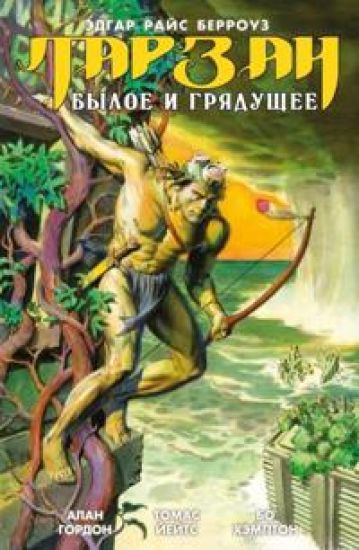
Pered vami udivitelnaja novaja istorija, kotoraja pogruzhaet povelitelja dzhunglej v neznakomuju obstanovku buduschego! Smozhet li umenie Tarzana raskachivat vinogradnye lozy pomoch emu v poluzatoplennykh ruinakh Londona buduschego?Eta istorija napisana velikim Alanom Gordonom, obladatelem vnushitelnoj bibliografii, dvukh premij "Ajsnera" i neskolkikh nominatsij, v tom chisle na premiju "Kharvi". Svoim potrjasajuschim vizualom nachinaet istoriju Tomas Jejts, izvestnyj po rabote nad "Bolotnoj Tvarju", "Konanom" i "Printsem Veliantom". Dalee estafetnuju palochku podkhvatyvaet drugoj zamechatelnyj khudozhnik Bo Khempton i vedjot etu likhuju istoriju k zaversheniju.Perevodchik: Bernson KharaldKhudozhnik: Jejts Tomas, Khempton Bo
Sermons from a Potato Field
Edgar Stubbersfield; Alan Gordon
Resource Publications (CA)
2022
sidottu
The Way Out: A Revolutionary, Scientifically Proven Approach to Healing Chronic Pain
Alan Gordon; Alon Ziv
Avery Publishing Group
2022
nidottu
A groundbreaking mind-body protocol to heal chronic pain, backed by new research. Chronic pain is an epidemic. Fifty million Americans struggle with back pain, headaches, or some other pain that resists all treatment. Desperate pain sufferers are told again and again that there is no cure for chronic pain. Alan Gordon, a psychotherapist and the founder of the Pain Psychology Center in Los Angeles, was in grad school when he started experiencing chronic pain and it completely derailed his life. He saw multiple doctors and received many diagnoses, but none of the medical treatments helped. Frustrated with conventional pain management, he developed Pain Reprocessing Therapy (PRT), a mind-body protocol that eliminated his own chronic pain and has transformed the lives of thousands of his patients. PRT is rooted in neuroscience, which has shown that while chronic pain feels like it's coming from the body, in most cases it's generated by misfiring pain circuits in the brain. PRT is a system of psychological techniques that rewires the brain to break out of the cycle of chronic pain. The University of Colorado-Boulder recently conducted a large randomized controlled study on PRT, and the results are remarkable. By the end of the study, the majority of patients were pain-free or nearly pain-free. What's more, these dramatic changes held up over time. The Way Out brings PRT to readers. It combines accessible science with a concrete, step-by-step plan to teach sufferers how to heal their own chronic pain.
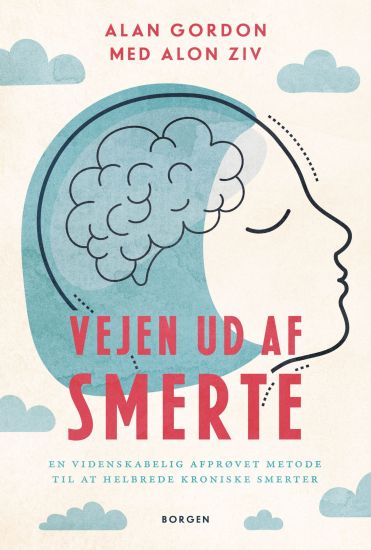
VEJEN UD AF SMERTE kombinerer lettilgængelig videnskab med en konkret, trin-for-trin-plan, der lærer mennesker, hvordan de kan slippe af med kroniske smerter. Metoden er forankret i neurovidenskab, som har påvist, at mange kroniske smerter føles som om de kommer fra kroppen, men i de fleste tilfælde genereres af fejl-udløste smertekredsløb i hjernen. Bogen forsyner læseren med et system af psykologiske teknikker, der omdirigerer hjernen til at bryde ud af den kroniske smertecyklus.
The scientifically-proven step-by-step solution to ending chronic painFrom back pain to migraines, arthritis and sciatica, over 1.2 billion people worldwide suffer from chronic pain.
A futuristic adventure with the ultimate survivor A surprising new tale that drops the lord of the jungle into an unfamiliar setting--the future Can Tarzan's vine-swinging skills serve him in the half-flooded ruins of a future London?
Sketching
James Graham; Naomi Westerman; Sumerah Srivastav; Himanshu Ojha; Ella Langley; Chloe Mi Lin Ewart; Alan Gordon; Adam Hughes; Aaron Douglas
Methuen Drama
2018
nidottu
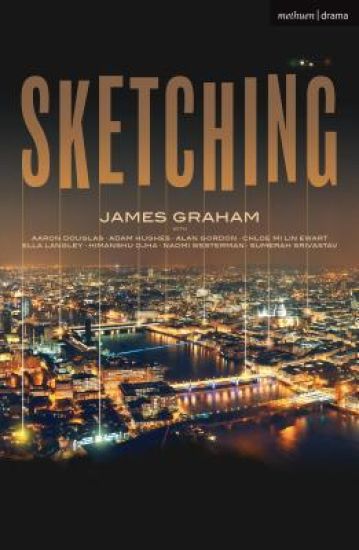
Charles Dickens' London is reimagined for the 21st century.Twenty-four hours in the life of a city that has 371 people in every square kilometer, where every street and square shelters heroes and villains, emotional turmoil, violent allegiances, adventures, the remarkable and the everyday.Olivier Award-winning playwright James Graham forges a uniquely crowd-sourced play, incorporating scenes by emerging writers into his own sweeping narrative. Dickens' panoply of London and Londoners, his big characters and fantastic stories in Sketches by Boz are updated for the modern age, incorporating the broadest range of voices from across the community in a theatrical whirligig of wonder and imagination.
The Cycle of Mind: Mastering the Rhythm of the Mind's Operation Unlocks a Doorway to Limitless Potential
Utopia University; Alan Gordon
Createspace Independent Publishing Platform
2018
nidottu
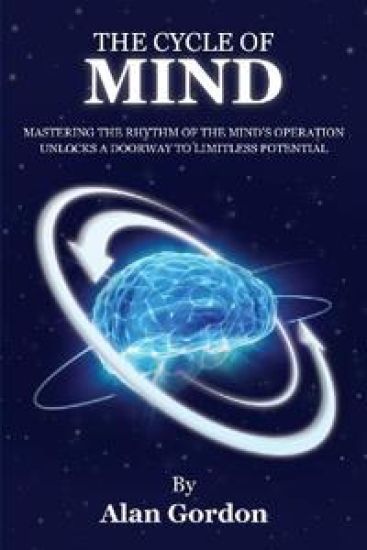
This is a book everyone should take the time to work through. The Thought Matrix is a 4th dimensional tool to manage your 3D life from a higher perspective. Focus your thoughts to specific values and principles - then merge those higher values into your everyday life. We live in a mental universe - you become what you think. This book shows you how to guide and focus your thoughts so you can upgrade your experience in this reality. If you can successfully control your thoughts and beliefs, you can create an entirely new future. The Cycle of Mind is a carefully structured thought management program that allows you - wholesale - to replace negative beliefs with positive beliefs of your own choosing. You CAN master the thoughts and beliefs in your Subconscious Mind using the Cycle of Mind system. Turn your imagination to the life you want - happy, healthy and free from the subconscious limitations that bind you to the lowest way of living. Don't settle for anything less than the best and most meaningful life you can imagine.
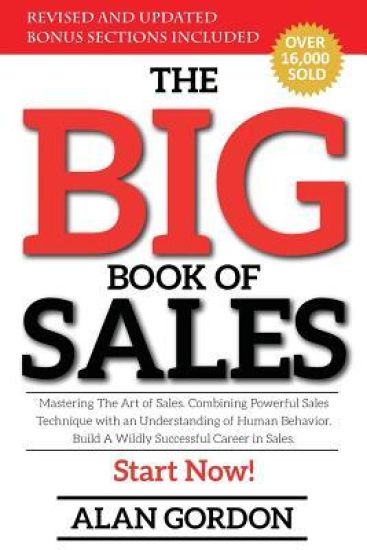
The Big Book of Sales: Mastering The Art of Sales. Combining powerful sales technique with an understanding of human behavior. Build a wildly
Alan Gordon
Createspace Independent Publishing Platform
2018
nidottu
An Incredibly Valuable Resource of Sales Techniques With this revised and updated version of his popular book, Gordon adds a new and exciting perspective on the time honored subject of Sales. This extraordinary book takes you right inside the minds of the most successful salespeople in the world so you can hear the exact words, phrases, pivots and sequences they use to move the sale toward a close. This is a life-changing reference book that will stay on top of your desk throughout your sales career. You will come back to it over and over again. Open to any page and get dozens of proven tips and techniques that will guide you towards an amazingly successful career as a professional salesman. If you have the desire to become more confident in your sales ability, this book has all the detailed skills and techniques you need to get you there. Here's a sample of what to expect inside: - How to navigate the new world of selling - Sales as an ethical and respectable long term career - Six Magic Words in Sales that will change your life - Hundreds more phrases, pivots and techniques - Secrets you can use in the beginning of the sale that greatly improve your odds of a successful close - Specific rebuttals for every objection you will ever face - Closing sequences - broken down and easy to master - Powerful bonus sections added - and, much, much, more.
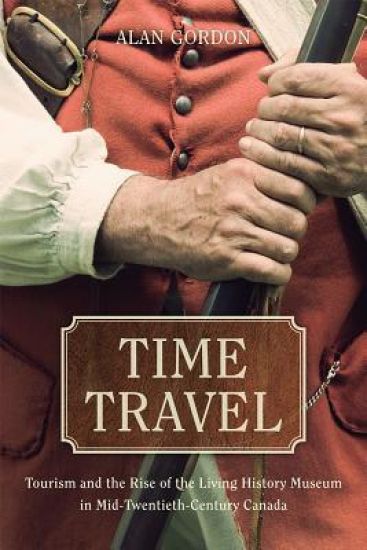
In the 1960s, Canadians could step through time to eighteenth-century trading posts or nineteenth-century pioneer towns. These living history museums promised authentic reconstructions of the past but, as Time Travel shows, they revealed more about mid-twentieth-century interests and perceptions of history than they reflected historical fact.An appetite for commercial tourism led to the rise of living history museums. They became important components of economic growth, especially as part of government policy to promote regional economic diversity and employment. Alan Gordon explores how these museums were shaped by post-war pressures, personality conflicts, funding challenges, and the need to balance education and entertainment. Ultimately, the rise of the living history museum is linked to the struggle to establish a pan-Canadian identity in the context of multiculturalism, competing anglophone and francophone nationalisms, First Nations resistance, and the growth of the state.
Historians have long engaged in passionate debate about collective memory and the building of national identities. This book focuses on one national hero – Jacques Cartier – to explore how notions about the past have been created and passed on through the generations and used to present particular ideas about the world in English- and French-speaking Canada.The cult of celebrity surrounding Cartier by the mid-nineteenth century, Gordon reveals, reflected a particular understanding of history, one which accompanied the arrival of modernity in North America. This new sensibility, in turn, shaped the political and cultural currents of nation building in Canada. Cartier may have been a point of contact between English and French Canadian nationalism, but the nature of that contact, as Gordon shows, had profound limitations. The Hero and the Historians is necessary reading for anyone interested in the underlying culture of national identity – and national unity – in Canada.
Gordon shows that while individual memory is crucial to establishing and maintaining identity, public memory is contested terrain - official customs and traditions, monuments, historic sites, and the celebration of anniversaries and festivals serve to order individual and collective perceptions of the past. Public memory is therefore the product of competitions and ideas about the past that are fashioned in a public sphere and speak primarily about structures of power. It conscripts historical events in a bid to guide shared memories into a coherent narrative that helps individuals negotiate their place in broader collective identities. The contest over public memories involves an exclusiveness that packages "others" according to the ideological preferences of the dominant cultures. Gordon shows that in Montreal ethnic, class, and gender voices strove to stake their own claims to legitimacy. Rather than acknowledging a single past, Montreal's many publics made and celebrated many public memories.