Kirjojen hintavertailu. Mukana 12 501 314 kirjaa ja 12 kauppaa.

Kirjailija

Alan W. Jones

Kirjat ja teokset yhdessä paikassa: 2 kirjaa, julkaisuja vuodelta 1979, suosituimpien joukossa Lyulph Stanley. Vertaile teosten hintoja ja tarkista saatavuus suomalaisista kirjakaupoista.

2 kirjaa

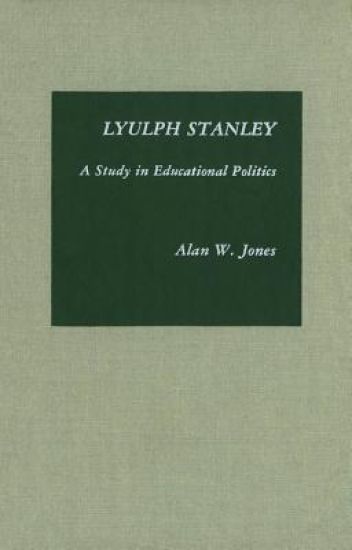
Lyulph Stanley

Lyulph Stanley

Alan W. Jones

Wilfrid Laurier University Press
1979
nidottu
Lyulph Stanley, the uncle of Bertrand Russell, was an influential and articulate aristocrat who believed that every child should learn from a good teacher in a comfortable building. He championed the school board cause during the latter half of the Victorian era, a time of tremendous educational change in England. With the great increase in urban populations, the schooling provided by voluntary organizations had become inadequate. The state had taken control of education, working through its local representatives, the elected school boards. But controversy arose between churches, which were opposed to secular education, and school boards, and between local and central authorities.The author follows Stanley's political career, clarifying the views of the school board supporters and analyzing the political differences underlying the controversies. Students of education, history, and politics can benefit from his contribution to the re-assessment of this turbulent period in English educational history.
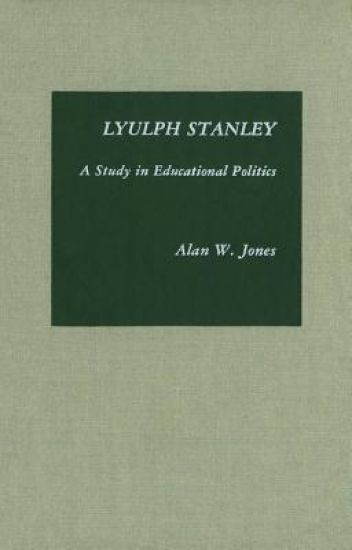
Lyulph Stanley

Lyulph Stanley

Alan W. Jones

Wilfrid Laurier University Press
1979
sidottu
Lyulph Stanley, the uncle of Bertrand Russell, was an influential and articulate aristocrat who believed that every child should learn from a good teacher in a comfortable building. He championed the school board cause during the latter half of the Victorian era, a time of tremendous educational change in England. With the great increase in urban populations, the schooling provided by voluntary organizations had become inadequate. The state had taken control of education, working through its local representatives, the elected school boards. But controversy arose between churches, which were opposed to secular education, and school boards, and between local and central authorities. The author follows Stanley's political career, clarifying the views of the school board supporters and analyzing the political differences underlying the controversies. Students of education, history, and politics can benefit from his contribution to the re-assessment of this turbulent period in English educational history.