Kirjailija
Alba de Céspedes
Kirjat ja teokset yhdessä paikassa: 25 kirjaa, julkaisuja vuosilta 1979-2026, suosituimpien joukossa Som hon ser det. Vertaile teosten hintoja ja tarkista saatavuus suomalaisista kirjakaupoista.
Mukana myös kirjoitusasut: Alba de Cespedes
25 kirjaa
Kirjojen julkaisuhaarukka 1979-2026.
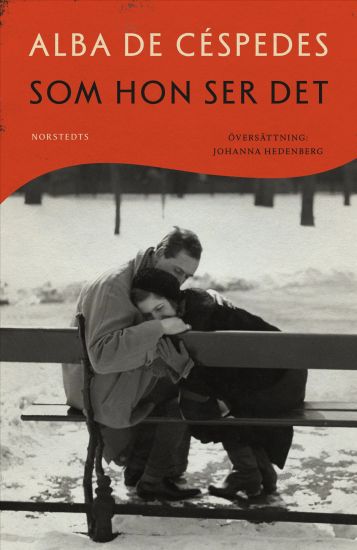
Alessandra har alltid önskat sig något mer av livet. Hon växer upp i ett trångbott hyresområde i 1930-talets Rom och ser hur hennes mammas drömmar om att bli konsertpianist kvävs av ett olyckligt äktenskap. När hennes fars traditionsbundna familj försöker gifta bort Alessandra i unga år gör hon uppror. Hon blir passionerat förälskad i Francesco, en antifascistisk professor, och en ny värld tycks öppna sig. Genom arbetet i motståndsrörelsen får hon känna på den självständighet hon längtat efter. Men att bryta med samhällets förväntningar och leva det liv man drömmer om har sitt pris. Som hon ser det är en feministisk krönika om kraft, mod och ett oförglömligt livsperspektiv som har sin utgångspunkt i Alba de Céspedes egna erfarenheter.
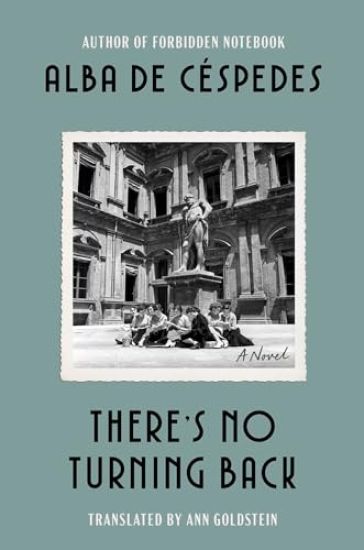
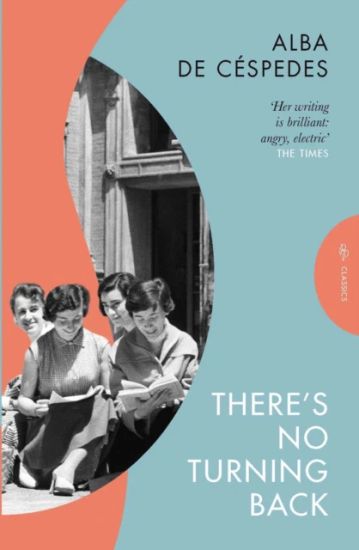
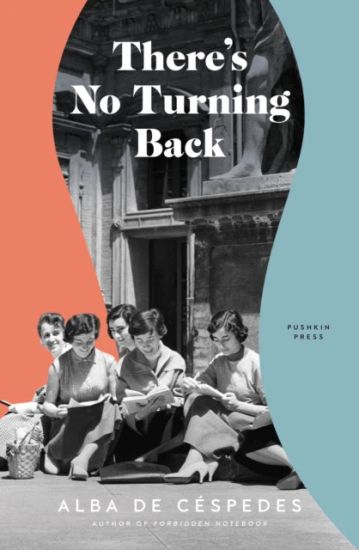
A stunningly powerful novel of a group of young women coming of age in 1930s Rome, from the celebrated author of Forbidden Notebook The young women studying at the Grimaldi yearn for new kinds of life. Monitored by the nuns who run the college, eight of them form a close group, sharing confidences and hopes for the future. But each, too, has her private secrets - a child from an early love affair, frustrated artistic ambitions, burning desires and petty jealousies. With the passing months, their paths begin to diverge, as each woman struggles towards her own idea of freedom. A virtuosic group portrait, There's No Turning Back broke radical new ground in representing modern women's lives when it first appeared in 1938, facing immediate censorship by the Fascist authorities. Published in a new translation by the acclaimed Ann Goldstein, it is a powerfully moving story of women coming of age in a turbulent world.
Fengslende klassiker om en kvinnes kamp for selvstendighet Alessandra har alltid ønsket seg mer ut av livet. Hun vokser opp i en trangbodd bygård i Roma på 1930-tallet, og er vitne til hvordan morens drøm om å bli pianist blir kvalt av et ulykkelig ekteskap. Da farens tradisjonsbundne familie forsøker å gifte henne bort, gjør Alessandra opprør. Hun blir hodestups forelsket i den antifascistiske professoren Francesco, og en ny verden ser ut til å åpne seg. Hun jobber for motstandsbevegelsen under andre verdenskrig og får en smak av friheten hun har lengtet etter. Men å bryte med samfunnets forventninger og leve det livet man drømmer om, har sin pris. Hennes side av historien er en gripende og følsom roman med bilder leseren ikke glemmer. Handlingen er inspirert av Alba de Céspedes’ egne opplevelser under krigsårene i Italia.
A stunningly powerful novel of a group of young women coming of age in 1930s Rome, from the celebrated author of Forbidden Notebook The young women studying at the Grimaldi yearn for new kinds of life. Monitored by the nuns who run the college, eight of them form a close group, sharing confidences and hopes for the future. But each, too, has her private secrets - a child from an early love affair, frustrated artistic ambitions, burning desires and petty jealousies. With the passing months, their paths begin to diverge, as each woman struggles towards her own idea of freedom. A virtuosic group portrait, There's No Turning Back broke radical new ground in representing modern women's lives when it first appeared in 1938, facing immediate censorship by the Fascist authorities. Published in a new translation by the acclaimed Ann Goldstein, it is a powerfully moving story of women coming of age in a turbulent world.
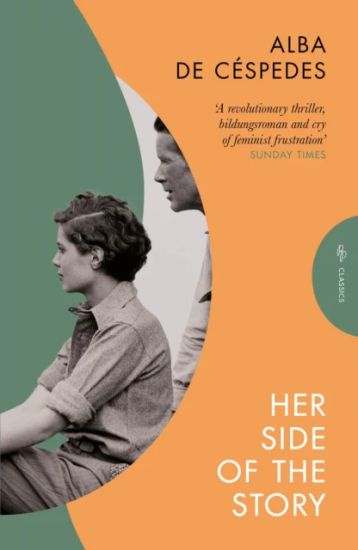
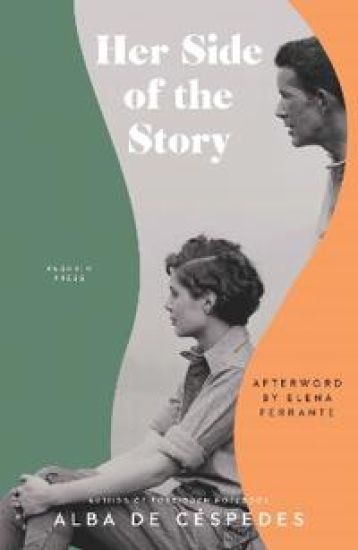
'A revolutionary thriller, bildungsroman and cry of feminist frustration... Actual-work-of-genius territory' Sunday Times A captivating feminist classic about a woman's struggle for independence in fascist Italy, from the author of Forbidden Notebook - with an afterword by Elena Ferrante Alessandra has always wanted more than life offered her. Growing up in a crowded apartment block in 1930s Rome, she watches as her mother's dreams of becoming a concert pianist are stifled by marriage. When her father's traditional family try to make Alessandra marry at a young age, she rebels against the future they imagine for her. Soon she falls passionately in love with Francesco, an anti-fascist professor, and a new world seems to open up. Working for the underground resistance, she tastes the independence that she has yearned for. What will it take for her to break free from society's expectations, and live on her own terms? Drawing on Alba de Céspedes's own experiences during Italy's wartime uprising, Her Side of the Story is a feminist chronicle of fierce and unforgettable power.
Discover the "boundary-breaking" (LitHub) debut novel by the beloved feminist author of the "brilliant" (The Wall Street Journal) Forbidden Notebook and the "courageous" (The Washington Post) Her Side of the Story that was so subversive, it was banned by the Italian Fascist regime when it was first published in 1938. A coming-of-age novel that is as relevant today as it was nearly ninety years ago, There's No Turning Back centers on eight women with radically different backgrounds who attend the same college in Rome. Some are there to study, others to escape a scandal, or keep a secret, and during their time there, they experience the challenges of love, work, and emancipation. Considered experimental and revolutionary at the time, this novel established Alba de C spedes as "one of Italy's most cosmopolitan, incendiary, insightful, and overlooked writers" (Jhumpa Lahiri, Pulitzer Prize winner). Translated by Ann Goldstein, There's No Turning Back demonstrates why de C spedes deserves "an important place in the canon of women's literature" (Chicago Review of Books).
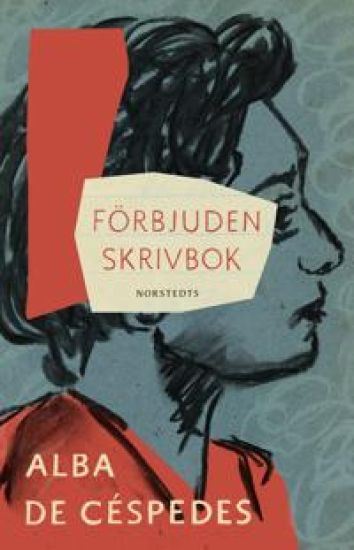
"Det är en kulturgärning att denna klassiker nu har återuppväckts och nyöversatts av den skickliga Johanna Hedenberg." - Expressen"De Céspedes följer en neorealistisk linje som präglat många kvinnliga italienska författare fram till i dag; från Natalia Ginzburg och Dacia Maraini till Silvia Avallone och Elena Ferrante. Hur närgångna deras kvinnoporträtt än är tillåts vi aldrig glömma att varje enskilt liv är del av ett samhälle. Valeria är inget undantag: hennes högst privata liv är sannerligen politiskt." - Expressen"Det är en gåva till läsaren, att ha detta författarskap framför sig." - Svenska Dagbladet"En strålande återupptäckt romanpärla från efterkrigstidens Italien." - Borås Tidning"Utgivningen av Förbjuden skrivbok, i tonsäker översättning av Johanna Hedenberg, är en välgärning. Det här är inte enbart en berättelse om en kvinnas uppvaknande i efterkrigs-Italien, det är också en roman om skrivandets kraft." - Dagens Nyheter"Nu stundar kultstatus för den italienska författaren Alba de Céspedes dagboksroman." - Upsala Nya Tidning"Den som älskar Elena Ferrante och hennes neapolitanska bokkvartett kommer att bli lycklig av att hitta en bortglömd föregångare." - Borås Tidning"Texten utgör en utsökt läsupplevelse."Helhetsbetyg: 5/BTJRom, 1950. Valeria Cossati är ute för att köpa cigaretter till sin man när hon, på en plötslig ingivelse, köper en anteckningsbok. Det är inte tillåtet att köpa annat än tobak på söndagar, men tobakshandlaren ger henne skrivboken under disk, ett förbjudet om än harmlöst inköp. Men köpet av skrivboken kommer att förändra Valerias liv. Genom sina anteckningar om vardagslivet i efterkrigs-Italien, om klass och (bristen på ) pengar, om hennes egen roll i familjen, mannen och tonårsbarnen, om hur hon ständigt måste hitta nya ställen att gömma skrivboken på, får hon syn på sig själv. Och den hon får syn på är inte den hon vill vara. Förbjuden skrivbok är en återupptäckt pärla, ett fängslande feministiskt testamente i efterkrigstidens Rom.Alba de Céspedes var en bästsäljande italiensk-kubansk författare och journalist. Hennes antifascistiska engagemang gjorde att hon arresterades två gånger, först redan 1935 och sedan under kriget. Hon deltog aktivt i motståndsrörelsen. Efter kriget startade Alba de Céspedes den litterära tidskriften Mercurio. Ny svensk översättning av Johanna Hedenberg och med förord av Lina Wolff.
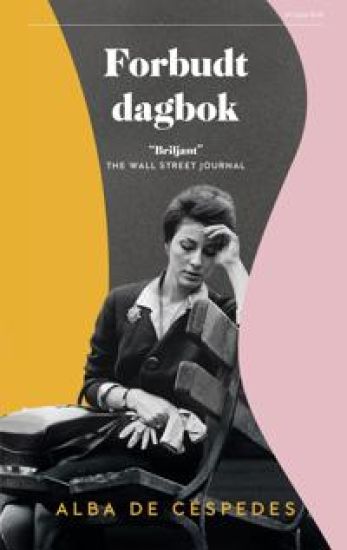
Det var galt av meg å kjøpe den skriveboken, svært galt. Men nå er det for sent å angre. Gjort er gjort.» En søndag formiddag gir Valeria Cossatti etter for en plutselig innskytelse. Da hun er ute et ærend for mannen, kjøper hun en svart skrivebok. I all hemmelighet begynner Valeria å føre dagbok, i stadig frykt for at resten av familien skal oppdage hennes nye besettelse. For hver dagbok innføring borer hun dypere i sitt indre, og avdekker en sterk misnøye og trang til å gjøre opprør. Alba de Céspedes’ Forbudt dagbok blir hyllet som en fengslende feministisk klassiker. Med etterord av Kristin Sørsdal, som har oversatt Elena Ferrantes bøker til norsk.
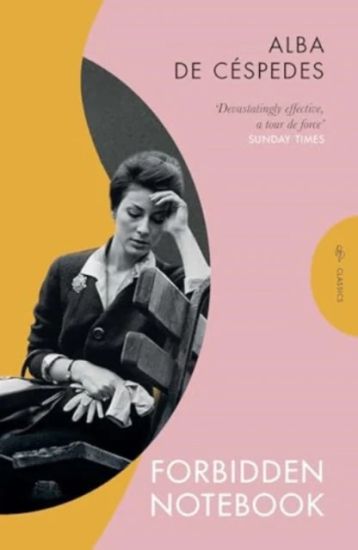
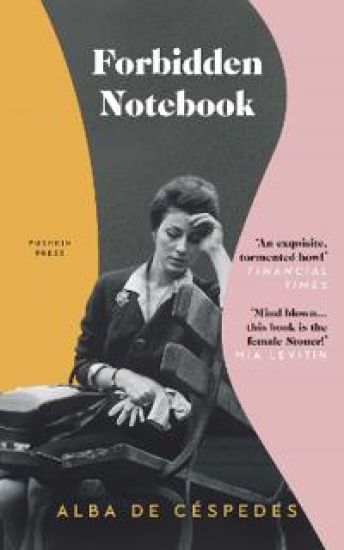
A New York Times Notable Book of the Year "Powerful." --The New Yorker"Brilliant." --The Wall Street Journal"Astounding." --NPR"Forceful, clear and morally engaged." --The Washington Post"Subversive." --The New York Times Book Review"An exquisite, tormented howl." --The Financial Times"Quick, propulsive, and addictive." --Los Angeles Review of Books"Gripping." --Minneapolis Star Tribune"A remarkable story." --Publisher's Weekly (starred review)"Wrenching, sardonic." --Kirkus (starred review)"As relevant today as it was in postwar Italy." --Shelf Awareness (starred review) With a foreword by Jhumpa Lahiri, Forbidden Notebook is a classic domestic novel by the Italian-Cuban feminist writer Alba de C spedes, whose work inspired contemporary writers like Elena Ferrante. In this modern translation by acclaimed Elena Ferrante translator Ann Goldstein, Forbidden Notebook centers the inner life of a dissatisfied housewife living in postwar Rome. Valeria Cossati never suspected how unhappy she had become with the shabby gentility of her bourgeois life--until she begins to jot down her thoughts and feelings in a little black book she keeps hidden in a closet. This new secret activity leads her to scrutinize herself and her life more closely, and she soon realizes that her individuality is being stifled by her devotion and sense of duty toward her husband, daughter, and son. As the conflicts between parents and children, husband and wife, and friends and lovers intensify, what goes on behind the Cossatis' facade of middle-class respectability gradually comes to light, tearing the family's fragile fabric apart. An exquisitely crafted portrayal of domestic life, Forbidden Notebook recognizes the universality of human aspirations.
Out running an errand, Valeria Cossati gives in to a sudden impulse - she buys a shiny black notebook. She starts keeping a diary in secret, recording her concerns about her daughter, the constant churn of the domestic routine and her fears that her husband will discover her new habit. With each entry Valeria plunges deeper into her interior life, uncovering profound dissatisfaction and restlessness. As she finds her own voice, the roles that have come to define her-as wife, as mother, as daughter-begin to break apart. Forbidden Notebook is a rediscovered jewel of Italian literature, published here in a new translation by the celebrated Ann Goldstein and with a foreword by Jhumpa Lahiri. A captivating feminist classic, it is an intimate, haunting story of domestic discontent in postwar Rome, and of one woman's awakening to her true thoughts and desires.
A captivating feminist classic about a woman's struggle for independence in fascist Italy, from the author of Forbidden Notebook - with an afterword by Elena Ferrante Alessandra has always wanted more than life offered her. Growing up in a crowded apartment block in 1930s Rome, she watches as her mother's dreams of becoming a concert pianist are stifled by an unsatisfying marriage. When her father's traditional family try to make Alessandra marry at a young age, she rebels against the future they imagine for her. Soon she falls passionately in love with Francesco, an anti-fascist professor, and a new world seems to open up. Working for the underground resistance, she tastes the independence that she has yearned for. But what will it take for her to break free from society's expectations, and live on her own terms? Drawing on Alba de Céspedes's own experiences in Italy's wartime uprising, Her Side of the Story is a feminist chronicle of fierce and unforgettable power.
Her Side of the Story: From the Author of Forbidden Notebook
Alba de Céspedes
Astra House
2023
sidottu
"A courageous novel, beautifully imagined and written." --Elena Lappin, The Washington Post "De Cespedes' work has lost none of its subversive force"--The New York Times Book Review * "De C spedes's melancholy testament to a hidden life feels timeless and vital." --Publishers Weekly (Starred Review) From the author of Forbidden Notebook, Alba de C spedes, a richly told novel she called "the story of a great love and of a crime." As she looks back on her life, Alessandra Corteggiani recalls her youth during the rise of fascism in Italy, the resistance, and the fall of Mussolini, the lives of the women in her family and her working-class neighborhood, rigorously committed to telling "her side of the story." Alessandra witnesses her mother, an aspiring concert pianist, suffer from the inability to escape her oppressive marriage. Later, she is sent away to live with her father's relatives in the country, in the hope she'll finally learn to submit herself to the patriarchal system and authority. But at the farm, Alessandra grows increasingly rebellious, conscious of the unjust treatment of generations of hardworking women in her family. When she refuses the marriage proposal from a neighboring farmer, she is sent back to Rome to tend to her ailing father. In Rome, Alessandra meets Francesco, a charismatic anti-fascist professor, who ostensibly admires and supports her sense of independence and justice. But she soon comes to recognize that even as she respects Francesco and is keen to participate in his struggle to reclaim their country from fascism, this respect is unrequited, and that her own beloved husband is ensnared by patriarchal conventions when it comes to their relationship. In these pages, De C spedes delivers a breathtakingly accurate and timeless portrayal of the complexity of the female condition against the dramatic backdrop of WWII and the partisan uprising in Italy.
«Det var galt av meg å kjøpe den skriveboken, svært galt. Men nå er det for sent å angre. Gjort er gjort.» En søndag formiddag gir Valeria Cossatti etter for en plutselig innskytelse, hun kjøper en svart skrivebok ute i et ærend for å kjøpe sigaretter til mannen. I all hemmelighet begynner Valeria å føre en dagbok, i stadig frykt for at resten av familien skal oppdage hennes nye besettelse. For hver dagbokinnføring borer hun dypere i sitt indre, og avdekker en sterk misnøye og trang til å gjøre opprør. Alba de Céspedes' Forbudt dagbok blir hyllet som en fengslende feministisk klassiker. En varm, gripende historie om familieliv i etterkrigstidens Roma og en kvinnes oppvåkning til sine innerste tanker og ønsker. Med etterord av Kristin Sørsdal, den prisvinnende oversetteren av Elena Ferrantes bøker til norsk.
Valeria Cossati vive sofocada por las convenciones sociales de la Italia de los a os cincuenta, atrapada entre sus roles de esposa y madre. Presa de un impulso inexplicable, compra un peque o cuaderno en el que anota sus reflexiones y donde comienza a revelarse lo insatisfactorio de su vida burguesa: en ese espacio prohibido que le proporciona la escritura van aflorando conflictos subterr neos y resentimientos ocultos.Publicada originalmente en 1952, El cuaderno prohibido sigue resultando sorprendente por su modernidad y relevancia. Es un retrato magistral, capaz de desvelar la identidad fragmentada y cambiante del ser humano, adem s de un gran testimonio hist rico de la poca, que refleja tanto la crisis de los valores sociales e individuales como las encrucijadas a las que se enfrentaban las mujeres.Alba de C spedes, un redescubrimiento nico (Die Zeit), reivindicada hoy por grandes autoras como Elena Ferrante, fue una de las figuras m s sobresalientes de su generaci n. Escritora de xito, se convirti en un referente de la lucha antifascista, y a sus inquietudes feministas y pol ticas sum un compromiso irrenunciable hacia la palabra, tanto desde el periodismo como desde la literatura. Dotada de una profundidad psicol gica inusual, fue una de las pocas autoras que ha conseguido establecer lo que significa ser mujer (The New York Times).
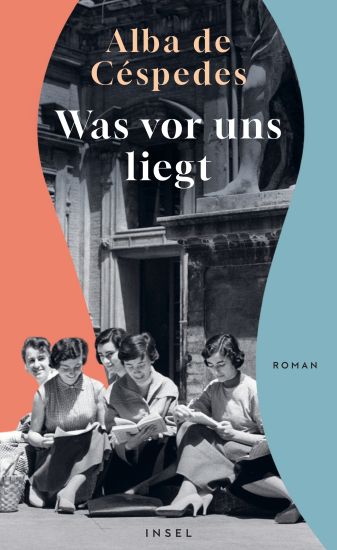
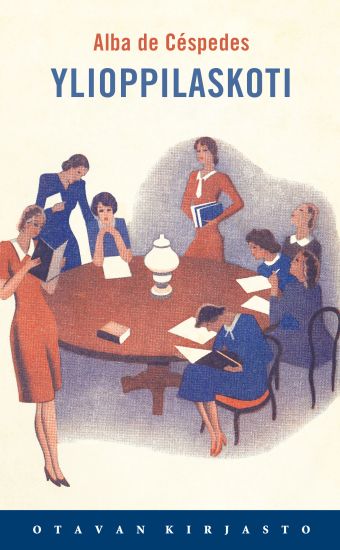
Italialaisen feministipioneerin aikanaan kielletty läpimurtoromaani roomalaiseen nunnaluostariin sijoitetun opiskelija-asuntolan naisista, heidän haaveistaan ja salaisuuksistaan.Ylioppilaskoti on radikaalin suora kuvaus normeja koettelevasta naisyhteisöstä aikana, jolloin nuorten naisten mahdollisuudet ovat rajalliset. Teos antaa äänen naimattomille naisille ja tutkii muun muassa prostituutiota, yhtä fasistihallinnon tabuista. Fasistit pitivät alun perin vuonna 1938 julkaistua teosta moraalittomana, mutta lukijat rakastivat sitä, ja siitä tuli välitön myyntimenestys.Otava tuo vuonna 1943 suomennetun teoksen uudelleen saataville.
A New York Times Notable Book of the Year "Powerful." --The New Yorker"Brilliant." --The Wall Street Journal"Astounding." --NPR"Forceful, clear and morally engaged." --The Washington Post"Subversive." --The New York Times Book Review"An exquisite, tormented howl." --The Financial Times"Quick, propulsive, and addictive." --Los Angeles Review of Books"Gripping." --Minneapolis Star Tribune"A remarkable story." --Publisher's Weekly (starred review)"Wrenching, sardonic." --Kirkus (starred review)"As relevant today as it was in postwar Italy." --Shelf Awareness (starred review) With a foreword by Jhumpa Lahiri, Forbidden Notebook is a classic domestic novel by the Italian-Cuban feminist writer Alba de C spedes, whose work inspired contemporary writers like Elena Ferrante. In this modern translation by acclaimed Elena Ferrante translator Ann Goldstein, Forbidden Notebook centers the inner life of a dissatisfied housewife living in postwar Rome. Valeria Cossati never suspected how unhappy she had become with the shabby gentility of her bourgeois life--until she begins to jot down her thoughts and feelings in a little black book she keeps hidden in a closet. This new secret activity leads her to scrutinize herself and her life more closely, and she soon realizes that her individuality is being stifled by her devotion and sense of duty toward her husband, daughter, and son. As the conflicts between parents and children, husband and wife, and friends and lovers intensify, what goes on behind the Cossatis' facade of middle-class respectability gradually comes to light, tearing the family's fragile fabric apart. An exquisitely crafted portrayal of domestic life, Forbidden Notebook recognizes the universality of human aspirations.