Kirjojen hintavertailu. Mukana 12 390 323 kirjaa ja 12 kauppaa.

Kirjailija

Albert Camus

Kirjat ja teokset yhdessä paikassa: 231 kirjaa, julkaisuja vuosilta 1972-2026, suosituimpien joukossa The Stranger. Vertaile teosten hintoja ja tarkista saatavuus suomalaisista kirjakaupoista.

231 kirjaa

Kirjojen julkaisuhaarukka 1972-2026.

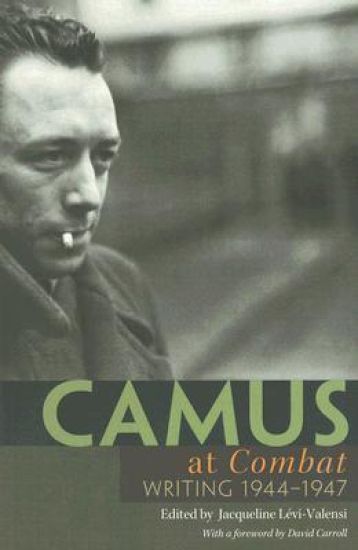
Camus at Combat

Camus at Combat

Albert Camus

Princeton University Press
2007
pokkari
Paris is firing all its ammunition into the August night. Against a vast backdrop of water and stone, on both sides of a river awash with history, freedom's barricades are once again being erected. Once again justice must be redeemed with men's blood. Albert Camus (1913-1960) wrote these words in August 1944, as Paris was being liberated from German occupation. Although best known for his novels including The Stranger and The Plague, it was his vivid descriptions of the horrors of the occupation and his passionate defense of freedom that in fact launched his public fame. Now, for the first time in English, Camus at 'Combat' presents all of Camus' World War II resistance and early postwar writings published in Combat, the resistance newspaper where he served as editor-in-chief and editorial writer between 1944 and 1947. These 165 articles and editorials show how Camus' thinking evolved from support of a revolutionary transformation of postwar society to a wariness of the radical left alongside his longstanding strident opposition to the reactionary right. These are poignant depictions of issues ranging from the liberation, deportation, justice for collaborators, the return of POWs, and food and housing shortages, to the postwar role of international institutions, colonial injustices, and the situation of a free press in democracies. The ideas that shaped the vision of this Nobel-prize winning novelist and essayist are on abundant display. More than fifty years after the publication of these writings, they have lost none of their force. They still speak to us about freedom, justice, truth, and democracy.
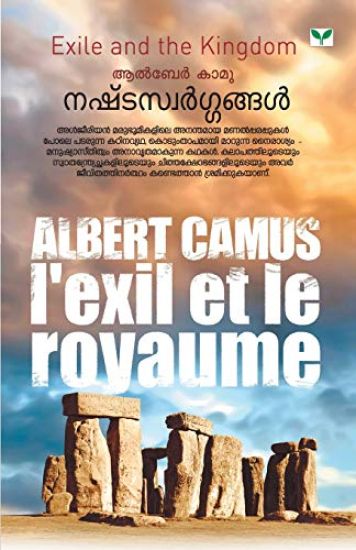
Exile and the Kingdom

Exile and the Kingdom

Albert Camus

VINTAGE
2007
nidottu
A compelling new translation of a collection of short fiction by the Nobel Prize-winning author explores the challenges of being an outsider--even in one's own country--and of allegiance, as it moves from Paris, to the harsh deserts of North Africa, to the wild jungles of Brazil. Reprint. 17,500 first printing.
Myten om Sisyfos

Myten om Sisyfos

Albert Camus

Cappelen
2007
nidottu
Camus' flittig leste klassiker fra 1942. Camus tar her et oppgjør med den den religiøse eksistensialisme fra Kierkegaard og den ateistiske eksistensialisme fremført blant annet av Jean-Paul Sartre - de er begge åndelige sykdommer. I stedet fremhever han en gresk-inspirert humanisme som et ideal for den menneskelige livsform. Oversatt og med etterord av Bernt Vestre. Nr. 18 i Cappelens upopulære skrifter.
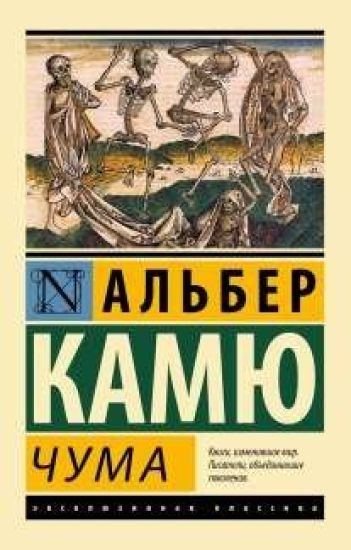
Chuma

Chuma

Albert Camus

Ast
2006
nidottu
"Chuma" Albera Kamju - eto roman-pritcha. V gorod prikhodit strashnaja bolezn - i ljudi nachinajut umirat. Ottsy goroda, skryvaja pravdu, delajut zhitelej zalozhnikami epidemii. I kazhdyj stoit pered vyborom: borotsja za zhizn, iskat vykhod ili smiritsja s gospodstvom chumy, s neizbezhnoj smertju. Mnogie literaturnye kritiki "prochityvajut" v romane sobytija vo Frantsii v period fashistskoj okkupatsii.
Exile and the Kingdom

Exile and the Kingdom

Albert Camus

Penguin Classics
2006
pokkari
The stories of Exile and the Kingdom explore the dilemma of being an outsider - even in one's own country - and of allegiance. With intense power and lyricism, Camus evokes beautiful but harsh landscapes, whether the shimmering deserts of his native Algeria or the wild, mysterious jungles of Brazil.Here a Frenchwoman is gradually seduced by the sheer difference of North Africa, a mutilated renegade is driven mad by the cruelty of his own people, and a barrel-maker watches the slow decline of his craft. A kindly teacher must choose between the law and a life, while a modest painter is out of his depth in the hypocrisy of the art world, and a French engineer discovers a new sense of belonging in a distant land.French novelist, essayist, and playwright. Albert Camus (1913-1960) was a representative of non-metropolitan French literature. His origin in Algeria and his experiences there in the thirties were dominating influences in his thought and work.Carol Cosman is the translator of many works from French, both literary and scholarly. Among the books she has translated are Jean-Paul Sartre's "The Family Idiot: Gustave Flaubert, 1821-1857," Honoré de Balzac's "Colonel Chabert," Simone de Beauvoir's "America Day by Day," and most recently René Daumal's "Mount Analogue".
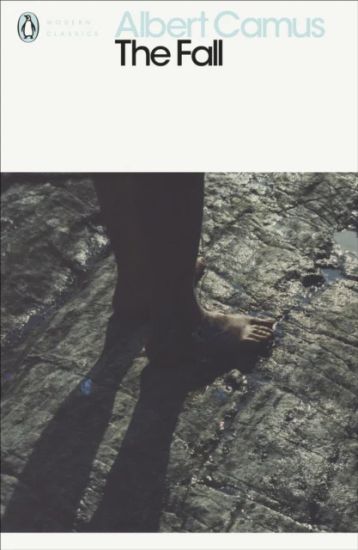
The Fall

The Fall

Albert Camus

Penguin Classics
2006
pokkari
A philosophical novel described by fellow existentialist Sartre as 'perhaps the most beautiful and the least understood' of his novels, Albert Camus' The Fall is translated by Robin Buss in Penguin Modern Classics.Jean-Baptiste Clamence is a soul in turmoil. Over several drunken nights in an Amsterdam bar, he regales a chance acquaintance with his story. From this successful former lawyer and seemingly model citizen a compelling, self-loathing catalogue of guilt, hypocrisy and alienation pours forth. The Fall (1956) is a brilliant portrayal of a man who has glimpsed the hollowness of his existence. But beyond depicting one man's disillusionment, Camus's novel exposes the universal human condition and its absurdities - for our innocence that, once lost, can never be recaptured ...Albert Camus (1913-60) is the author of a number of best-selling and highly influential works, all of which are published by Penguin. They include The Fall, The Outsider and The First Man. Awarded the Nobel Prize for Literature in 1957, Camus is remembered as one of the few writers to have shaped the intellectual climate of post-war France, but beyond that, his fame has been international.If you enjoyed The Fall, you might like Jean-Paul Sartre's Nausea, also available in Penguin Modern Classics.'An irresistibly brilliant examination of modern conscience'The New York Times'Camus is the accused, his own prosecutor and advocate. The Fall might have been called "The Last Judgement" 'Olivier Todd
The Myth of Sisyphus

The Myth of Sisyphus

Albert Camus

Penguin Books Ltd
2005
nidottu
Throughout history, some books have changed the world. They have transformed the way we see ourselves - and each other. They have inspired debate, dissent, war and revolution. They have enlightened, outraged, provoked and comforted. They have enriched lives - and destroyed them. Now Penguin brings you the works of the great thinkers, pioneers, radicals and visionaries whose ideas shook civilization and helped make us who we are.Inspired by the myth of a man condemned to ceaselessly push a rock up a mountain and watch it roll back to the valley below, The Myth of Sisyphus transformed twentieth-century philosophy with its impassioned argument for the value of life in a world without religious meaning.
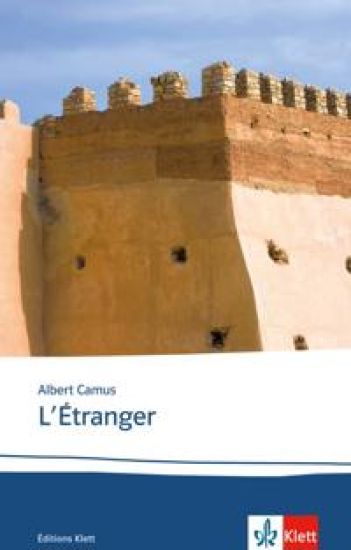
L'étranger

L'étranger

Albert Camus

Klett Sprachen GmbH
2005
nidottu
Camus' Bestseller in neuem Gewand: Die neue Klett-Ausgabe enthält den vollständigen Text des Romans mit Worterklärungen sowie einigen Zusatztexten. Weitere interessante Informationen zu Camus finden Sie unter www. klett-franzoesisch. de/camus. html.
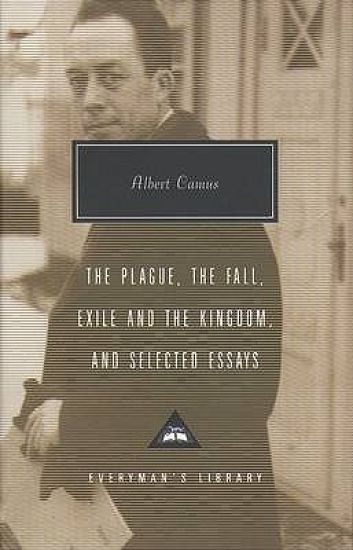
Plague, Fall, Exile And The Kingdom And Selected Essays
Once overshadowed by Sartre, Camus has proved the more durable of the two most celebrated French writer-philosophers of the last century. This collection of his work makes the reasons for his survival self-evident. In prose of bleak but piercing clarity, Camus cuts to the heart of each story he tells. After The Outsider (also published in Everyman) The Plague is his most powerful novel, at once an account of heroic attempts to contain an epidemic in Algeria and a parable of the human condition. In The Fall a once-successful Parisian lawyer tells his own tale of decline and self-discovery, Exile and the Kingdom collect together a number of short stories which explore the existentialist predicament from various viewpoints. This volume also contains two important essays - The Myth of Sisyphus and Reflections on the Guillotine - which reflect on the themes developed in the fiction.
The Plague, the Fall, Exile and the Kingdom, and Selected Essays: Introduction by David Bellos
From one of the most brilliant and influential thinkers of the twentieth century and a Nobel Prize-winning author: two novels, six short stories, and a pair of essays in a single hardcover volume that deploy his lyric eloquence in defense against despair. In both his essays and his fiction, Albert Camus (1913-1960) provides an affirmation of the brave assertion of humanity in the face of a universe devoid of order or meaning. The Plague--written in 1947 and still profoundly relevant--is a riveting tale of horror, survival, and resilience in the face of a devastating epidemic. The Fall (1956), which takes the form of an astonishing confession by a French lawyer in a seedy Amsterdam bar, is a haunting parable of modern conscience in the face of evil. The six stories of Exile and the Kingdom (1957) represent Camus at the height of his narrative powers, masterfully depicting his characters--from a renegade missionary to an adulterous wife--at decisive moments of revelation. Set beside their fictional counterparts, Camus's famous essays "The Myth of Sisyphus" and "Reflections on the Guillotine" are all the more powerful and philosophically daring, confirming his towering place in twentieth-century thought. With an introduction by David Bellos. Everyman's Library pursues the highest production standards, printing on acid-free cream-colored paper, with full-cloth cases with two-color foil stamping, decorative endpapers, silk ribbon markers, European-style half-round spines, and a full-color illustrated jacket. Contemporary Classics include an introduction, a select bibliography, and a chronology of the author's life and times.
The Plague

The Plague

Albert Camus

Penguin Classics
2002
pokkari
The Plague is Albert Camus's world-renowned fable of fear and courageThe townspeople of Oran are in the grip of a deadly plague, which condemns its victims to a swift and horrifying death. Fear, isolation and claustrophobia follow as they are forced into quarantine. Each person responds in their own way to the lethal disease: some resign themselves to fate, some seek blame, and a few, like Dr Rieux, resist the terror.An immediate triumph when it was published in 1947, The Plague is in part an allegory of France's suffering under the Nazi occupation, and a story of bravery and determination against the precariousness of human existence.'A matchless fable of fear, courage and cowardice' Independent'Magnificent'The TimesAlbert Camus was born in Algeria in 1913. He studied philosophy in Algiers and then worked in Paris as a journalist. He was one of the intellectual leaders of the Resistance movement and, after the War, established his international reputation as a writer. His books include The Plague, The Just and The Fall, and he won the Nobel Prize for Literature in 1957. Camus was killed in a road accident in 1960.
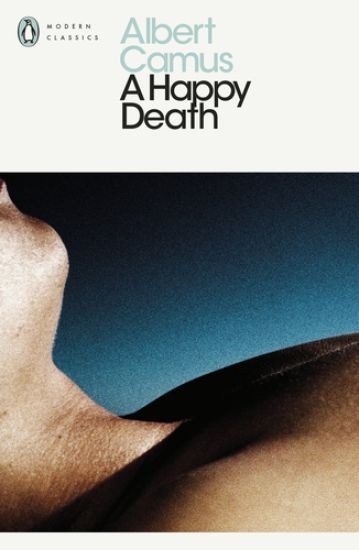
A Happy Death

A Happy Death

Jean Sarocchi; Albert Camus

Penguin Classics
2002
pokkari
Is it possible to die a happy death?This is the central question of Camus's astonishing early novel, published posthumously and greeted as a major literary event. It tells the story of a young Algerian, Mersault, who defies society's rules by committing a murder and escaping punishment, then experimenting with different ways of life and finally dying a happy man. In many ways A Happy Death is a fascinating first sketch for The Outsider, but it can also be seen as a candid self-portrait, drawing on Camus's memories of his youth, travels and early relationships. It is infused with lyrical descriptions of the sun-drenched Algiers of his childhood - the place where, eventually, Mersault is able to find peace and die 'without anger, without hatred, without regret'.
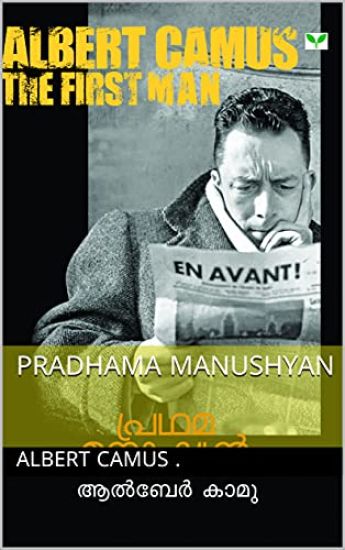
The First Man

The First Man

Albert Camus

Penguin Classics
2001
pokkari
The unfinished manuscript of The First Man was discovered in the wreckage of car accident in which Camus died in 1960. Although it was not published for over thirty years, it was an instant bestseller when it finally appeared in 1994. The 'first man' is Jacques Cormery, whose poverty-stricken childhood in Algiers is made bearable by his love for his silent and illiterate mother, and by the teacher who transforms his view of the world. The most autobiographical of Camus's novels, it gives profound insights into his life and the powerful themes underlying his work.Albert Camus was born in Algeria in 1913. The works that established his international reputation include THE PLAGUE, THE FALL, THE REBEL and THE OUTSIDER. Camus died in a road accident in 1960 and is remembered as one of the greatest philsophical novelists of the twentieth century.
The Rebel

The Rebel

Albert Camus

Penguin Classics
2000
pokkari
A philosophical exploration of the idea of 'rebellion' by one of the leading existentialist thinkers, Albert Camus' The Rebel looks at artistic and political rebels throughout history, from Epicurus to the Marquis de Sade. This Penguin Modern Classics edition is translated by Anthony Bower with an introduction by Oliver Todd.The Rebel is Camus' 'attempt to understand the time I live in' and a brilliant essay on the nature of human revolt. Published in 1951, it makes a daring critique of communism - how it had gone wrong behind the Iron Curtain and the resulting totalitarian regimes. It questions two events held sacred by the left wing - the French Revolution of 1789 and the Russian Revolution of 1917 - that had resulted, he believed, in terrorism as a political instrument. In this towering intellectual document, Camus argues that hope for the future lies in revolt, which unlike revolution is a spontaneous response to injustice and a chance to achieve change without giving up collective and intellectual freedom.Albert Camus (1913-60) is the author of a number of best-selling and highly influential works, all of which are published by Penguin. They include The Fall, The Outsider and The First Man. Awarded the Nobel Prize for Literature in 1957, Camus is remembered as one of the few writers to have shaped the intellectual climate of post-war France, but beyond that, his fame has been international.If you enjoyed The Rebel, you might like Camus' The Fall, also available in Penguin Modern Classics.'One of the great humanist manifestos'The Times'A conscience with style'V.S. Pritchett, author of A Cab at the Door