Kirjojen hintavertailu. Mukana 12 390 323 kirjaa ja 12 kauppaa.

Kirjailija

Albert Ellis

Kirjat ja teokset yhdessä paikassa: 38 kirjaa, julkaisuja vuosilta 1969-2024, suosituimpien joukossa A Guide to Personal Happiness. Vertaile teosten hintoja ja tarkista saatavuus suomalaisista kirjakaupoista.

38 kirjaa

Kirjojen julkaisuhaarukka 1969-2024.

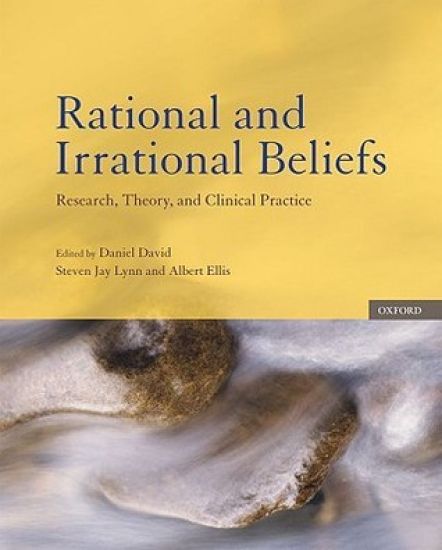
Rational and Irrational Beliefs

Rational and Irrational Beliefs

Daniel David; Steven Lynn; Albert Ellis

Oxford University Press Inc
2009
sidottu
In Rational and Irrational Beliefs: Research, Theory, and Clinical Practice, leading scholars, researchers, and practitioners of rational emotive behavior therapy (REBT) and other cognitive-behavioral therapies (CBTs) share their perspectives and empirical findings on the nature of rational and irrational beliefs, the role of beliefs as mediators of functional and dysfunctional emotions and behaviors, and clinical approaches to modifying irrational beliefs, enhancing rational beliefs, and adaptive coping in the face of stressful life events. Offering a comprehensive and cohesive approach to understanding REBT/CBT and its central constructs of rational and irrational beliefs, contributors review a steadily accumulating empirical literature indicating that irrational beliefs are associated with a wide range of problems in living and that exposure to rational self-statements can decrease anxiety and other psychological symptoms, and play a valuable role in health promotion and disease prevention. Contributors also identify new frontiers of research and theory, including the link between irrational beliefs and other cognitive processes such as memory, psychophysiological responses, and evolutionary and cultural determinants of rational and irrational beliefs. A truly accessible, state-of-the-science summary of REBT/CBT research and clinical applications, Rational and Irrational Beliefs is an invaluable resource for psychotherapy practitioners of all theoretical orientations, as well as instructors, students, and academic psychologists.
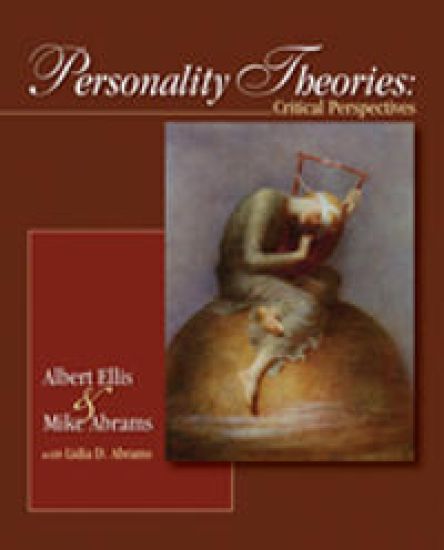
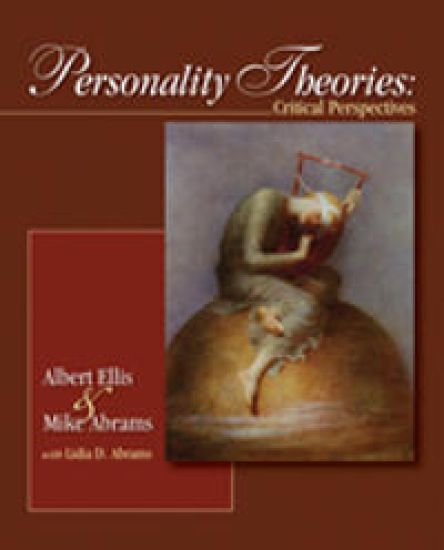
Personality Theories

Personality Theories

Albert Ellis; Mike Abrams; Lidia Dengelegi Abrams

SAGE Publications Inc
2008
nidottu
Personality Theories: Critical Perspectives is the groundbreaking, final text written by Albert Ellis, long considered the founder of cognitive behavioral therapies. The book provides students with supporting and contradictory evidence for the development of personality theories through time. Without condemning the founding theorists who came before him, Ellis builds on more than a century of psychological research to re-examine the theories of Freud, Jung, and Adler while taking an equally critical look at modern, research-based theories, including his own. Features and Benefits: Helps students develop the scientific thinking required to evaluate current and forthcoming theories Encourages the reader to re-examine preexisting theories Provides the missing link between previously disparate disciplines of abnormal and normal personality theories, a feature especially important to students in graduate clinical programs Prepares the upper-level student for the growing trend in clinical programs to link human behavior, personality, and psychopathology to the neurological substrates Encourages more focus on relevant theories than on the biographies of those who developed them Intended Audience: This enlightening text will provide insight into personality theory for students in courses on personality. It should be required reading for upper-level undergraduate and graduate courses in psychology, counseling, and social work.
Personality Theories

Personality Theories

Albert Ellis; Mike Abrams; Lidia Dengelegi Abrams

SAGE Publications Inc
2008
sidottu
Personality Theories: Critical Perspectives is the groundbreaking, final text written by Albert Ellis, long considered the founder of cognitive behavioral therapies. The book provides students with supporting and contradictory evidence for the development of personality theories through time. Without condemning the founding theorists who came before him, Ellis builds on more than a century of psychological research to re-examine the theories of Freud, Jung, and Adler while taking an equally critical look at modern, research-based theories, including his own. Features and Benefits: Helps students develop the scientific thinking required to evaluate current and forthcoming theories Encourages the reader to re-examine preexisting theories Provides the missing link between previously disparate disciplines of abnormal and normal personality theories, a feature especially important to students in graduate clinical programs Prepares the upper-level student for the growing trend in clinical programs to link human behavior, personality, and psychopathology to the neurological substrates Encourages more focus on relevant theories than on the biographies of those who developed them Intended Audience: This enlightening text will provide insight into personality theory for students in courses on personality. It should be required reading for upper-level undergraduate and graduate courses in psychology, counseling, and social work.
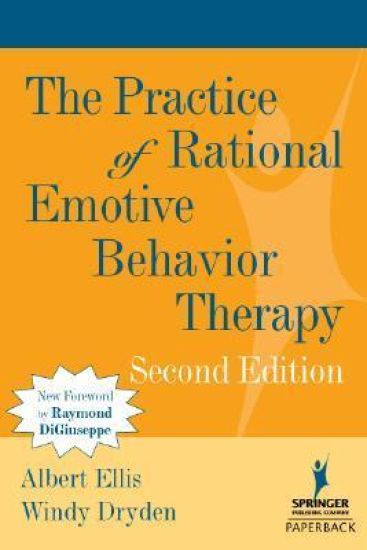
The Practice of Rational Emotive Behavior Therapy

The Practice of Rational Emotive Behavior Therapy

Albert Ellis; Windy Dryden

Springer Publishing Co Inc
2007
nidottu
Reissued with a new foreword by Raymond DiGiuseppe, PhD, ScD, St. John's University New trainees often get the theory of psychopathology; they struggle to get the case conceptualization and the strategic plan. Then they ask themselves. "What do I do now?" Going from the abstractions to the actions is not always clear. The Practice of Rational Emotive Behavior Therapy represents a compilation of years of theoretical and clinical insights distilled into a specific theory of disturbance and therapy and deductions for specific clinical strategies and techniques....The structure of this books focuses on an explication of the theory, a chapter on basic practice, and a chapter on an in depth case study. A detailed chapter follows on the practice of individual psychotherapy. Although the book is not broken into sections, the next four chapters represent a real treasure. The authors focus on using REBT in couples, family, group, and marathons sessions. Doing REBT with one person is difficult to learn. Once the clinician adds more people to the room with different and sometimes competing agendas things get more complicated. These chapters will not only help the novice clinician but also the experienced REBT therapists work better in these types of sessions. So, consider yourself lucky for having picked up this book. Reading it will help many people get better." - From the Foreword by Raymond DiGiuseppe, PhD, ScD, Director of Professional Education, Albert Ellis Institute; Professor and Chair, Department of Psychology, St. John's University This edition, involving a unique collaboration between Albert Ellis and the world's greatest Ellis scholar, Windy Dryden, modernizes Ellis's pioneering theories. The book begins with an explanation of rational emotive behavior therapy as a general treatment model and then addresses different treatment modalities, including individual, couple, family, and sex therapy. The authors have added material new since the book's original edition on teaching the principles of unconditional self-acceptance in a structured group setting. With extensive use of actual case examples to illustrate each of the different settings, and a new brand new foreword by Raymond DiGiuseppe that sets the book into its 21st-century context.
Training der Gefühle

Training der Gefühle

Albert Ellis

Redline
2007
nidottu
Viele Menschen sind unglücklich aufgrund der eigenen negativen Denkweise. Mit seinem praktischen Gedanken- und Gefühlstraining, der Rational-Emotiven Verhaltenstherapie REVT, erzielt der bekannte Psychotherapeut, Albert Ellis, große Erfolge, wenn es darum geht, negative Lebenseinstellungen zu durchbrechen, sich selbst zu akzeptieren und wieder positiv zu denken. Seine Verhaltenstherapie hilft, - emotionalen Stress und zwischenmenschliche Probleme zu überwinden, - vorhandene persönliche Energie kreativ einzusetzen und - Zufriedenheit, Erfolg und ein erfülltes Leben zu realisieren.
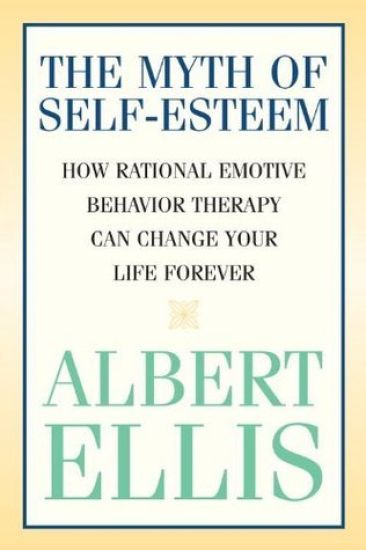
The Myth of Self-esteem

The Myth of Self-esteem

Albert Ellis

Prometheus Books
2005
pokkari
In this illuminatingbook, Ellis provides a lively and insightful explanation of the differences between self-esteem and self-acceptance. Emphasizing the importance of self-acceptance, he examines this theme in the thinking of great religious teachers, philosophers, and psychologists. He then provides exercises for training oneself to change self-defeating habits to the healthy, positive approach of self-acceptance. These include specific thinking techniques as well as emotive and behavioral exercises. He concludes by stressing that unconditional self-acceptance is the basis for establishing healthy relationships with others, along with unconditional other-acceptance and a total philosophy of life anchored in unconditional life-acceptance.
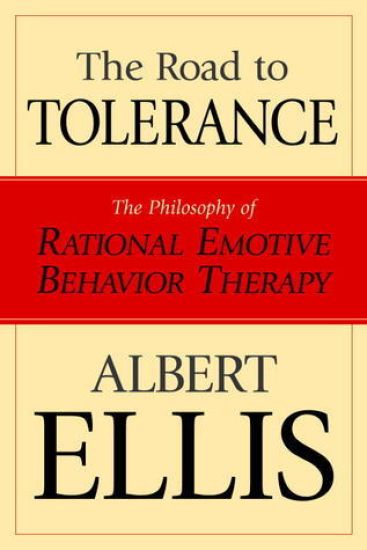
The Road To Tolerance

The Road To Tolerance

Albert Ellis

Prometheus Books
2004
pokkari
In this overview of one of the most successful forms of psychotherapy — Rational Emotive Behavior Therapy (REBT) — its creator and chief advocate, Albert Ellis, explains at length the principles underlying this therapeutic approach and shows how beneficial it can be, not only for therapy but also as a basic philosophy of life. As the title indicates, REBT promotes an attitude of tolerance, an open-minded willingness to accept the frailties, less-than-ideal behaviors, and unique characteristics of both others and ourselves. Ellis persuasively demonstrates that lack of tolerance of our own imperfections can easily lead to emotional disturbances and unhappiness. And intolerance of others, which fails to account for the great diversity of human personalities and behaviors, can become a serious disruptive force in today's highly diverse, multicultural global society. To counter such negative tendencies, Ellis advocates the adoption and practice of three basic attitudes of tolerance: (1) Unconditional Self-Acceptance (USA); (2) Unconditional Other-Acceptance (UOA); and (3) Unconditional Life-Acceptance (ULA). He discusses the philosophical foundations of these principles and then devotes a number of chapters to comparing REBT to spiritual and religious philosophies. He points out the dangers of fanatical tendencies in religion while also showing how the basic principles of REBT are similar to some ancient religious philosophies such as Zen Buddhism and the Judeo-Christian Golden Rule. In addition, he criticizes certain secular philosophies for their extremism, including Fascism and Ayn Rand's Objectivism, and he also discusses the ramifications of applying REBT in the social, political, and economic sphere. In emphasizing how easy it is for all of us to think, feel, and act intolerantly, Ellis brilliantly shows that tolerance is a deliberate, rational choice that we can all make, both for the good of ourselves and for the good of the world.
Rational Emotive Behavior Therapy

Rational Emotive Behavior Therapy

Albert Ellis

Prometheus Books
2004
pokkari
Albert Ellis, the renowned creator of one of the most successful forms of psychotherapy — Rational Emotive Behavior Therapy (REBT) — offers this candid self-assessment, which reveals how he overcame his own mental and physical problems using the techniques of REBT. Part memoir and part self-help guide, this very personal story traces the private struggles that Ellis faced from early childhood to well into his adult life. Whether you are already familiar with Ellis's many best-selling psychology books or are discovering his work for the first time, you will gain many insights into how to deal with your problems by seeing how Ellis learned to cope with his own serious challenges. In his early life, Ellis was faced with a major physical disability, chronic nephritis, which plagued him from age five to nine and led to hospitalization. This experience then caused the emotional reaction of separation anxiety. At this time he also suffered from severe, migraine-like headaches, which persisted into his forties. Later in life, he realized that some of his emotional upset was the result of initially taking parental neglect too seriously. Active and energetic by nature, he gradually learned that the best way to cope with any problem, physical or emotional, was to stop "catastrophizing" and to do something to correct it. As Ellis points out in all of his work, when faced with adversity, we must realize that we have a real choice, either to think rationally about the problem or to react irrationally. The first choice leads to healthy consequences—normal emotions such as sorrow, regret, frustration, or annoyance, which are justifiable reactions to troubling situations. The second choice leads to the unhealthy consequences of anxiety, depression, rage, and low self-esteem. When we recognize irrational beliefs as such, we must then use our reason to dispute their validity. Ellis goes on to describe how these techniques helped him to cope with many other adult emotional problems, including failure in love affairs, shame, anger, distress over his parents' divorce, stress from others' reactions to his atheistic convictions, and upset due to his attitudes about academic and professional setbacks. Honest and unflinching yet always positive and forward-looking, Ellis demonstrates how to gain and grow from trying experiences through rational thinking.
Albert Ellis Live!

Albert Ellis Live!

Windy Dryden; Albert Ellis

SAGE Publications Inc
2003
sidottu
Seminars by Professor Windy Dryden. See the man live and in action. To find out more and to book your place go to www.cityminds.com ________________________________________ `A remarkably useful book for the practitioners of Rational Emotive Behaviour Therapy and other kinds of Cognitive Behaviour Therapy. Very clearly and intensively covers what effective therapeutic change is and the therapist's and the client's role in following it and in fighting against relapsing. Dryden's and Neenan's book includes many important points that are often omitted from REBT and other therapies. Definitive and thoroughgoing!' - Albert Ellis, President of Albert Ellis Institute Albert Ellis Live! is a collection of five transcripts of therapy sessions conducted by Albert Ellis, the founding father of Rational Emotive Behaviour Therapy (REBT). With commentary by Windy Dryden, bestselling author and expert on REBT, Albert Ellis Live! provides a unique opportunity to `listen in' on a master therapist carrying out the therapy which he originated. Each of the five transcripts presents a counselling session conducted by Ellis himself with a volunteer client. Each transcript is accompanied by a commentary, in which Windy Dryden explains what Ellis is doing and why. Published in celebration of Ellis' 90th birthday, Albert Ellis Live! will be invaluable to students and practitioners of this approach, offering them a unique insight into the theory and practice of REBT.
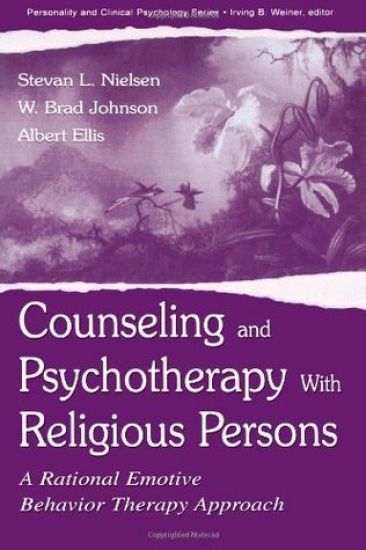
Counseling and Psychotherapy With Religious Persons

Counseling and Psychotherapy With Religious Persons

Stevan L. Nielsen; W. Brad Johnson; Albert Ellis

Routledge Member of the Taylor and Francis Group
2001
nidottu
Practitioners are increasingly aware that religious persons present unique problems and challenges in therapy. Rational-Emotive Behavior Therapy (REBT) is among the most widely practiced, highly structured and active directive approaches to treating emotional and behavioral problems. Introduced by Albert Ellis in the early 1950s, REBT is the original cognitive-behavioral psychotherapy and its efficacy has been supported by hundreds of treatment outcome studies. A uniquely belief-focused therapy, REBT is usually quite appealing to clients from Christian, Jewish, Muslim, Hindu, and other religious traditions, who respond favorably to REBT's focus on right belief, active engagement in the work of therapy, and reading/practice focused homework. In this practical and user-friendly guide, the authors outline the congruence between the therapeutic approach of REBT and the presenting problems and concerns of religious persons. They describe an approach to reconciling the sacred traditions and beliefs of religious clients with the no nonsense techniques of REBT. They review the essential components of practice with religious clients--including assessment, diagnosis and problem formulation, disputation of irrational beliefs, and other REBT techniques, highlight the primary obstacles facing the therapist when treating religious clients, and offer many case examples from work with this important client population. Mental health professionals from all backgrounds will benefit from the detailed yet manual-focused approach to helping religious clients overcome all forms of emotional distress.
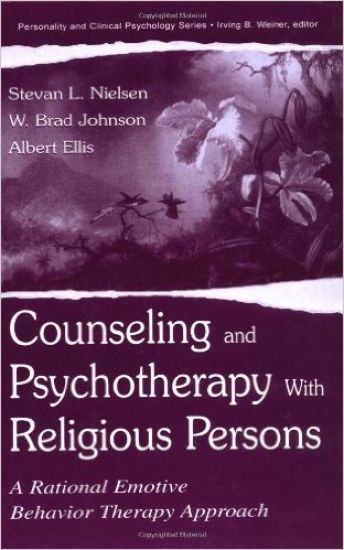
Counseling and Psychotherapy With Religious Persons

Counseling and Psychotherapy With Religious Persons

Stevan L. Nielsen; W. Brad Johnson; Albert Ellis

Routledge Member of the Taylor and Francis Group
2001
sidottu
Practitioners are increasingly aware that religious persons present unique problems and challenges in therapy. Rational-Emotive Behavior Therapy (REBT) is among the most widely practiced, highly structured and active directive approaches to treating emotional and behavioral problems. Introduced by Albert Ellis in the early 1950s, REBT is the original cognitive-behavioral psychotherapy and its efficacy has been supported by hundreds of treatment outcome studies. A uniquely belief-focused therapy, REBT is usually quite appealing to clients from Christian, Jewish, Muslim, Hindu, and other religious traditions, who respond favorably to REBT's focus on right belief, active engagement in the work of therapy, and reading/practice focused homework. In this practical and user-friendly guide, the authors outline the congruence between the therapeutic approach of REBT and the presenting problems and concerns of religious persons. They describe an approach to reconciling the sacred traditions and beliefs of religious clients with the no nonsense techniques of REBT. They review the essential components of practice with religious clients--including assessment, diagnosis and problem formulation, disputation of irrational beliefs, and other REBT techniques, highlight the primary obstacles facing the therapist when treating religious clients, and offer many case examples from work with this important client population. Mental health professionals from all backgrounds will benefit from the detailed yet manual-focused approach to helping religious clients overcome all forms of emotional distress.
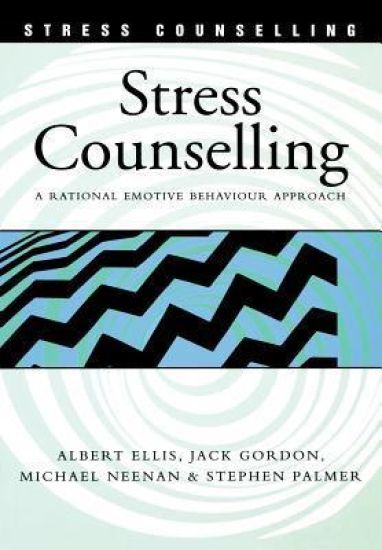
Stress Counselling

Stress Counselling

Albert Ellis; Jack Gordon; Michael Neenan; Stephen Palmer

SAGE Publications Ltd
2001
nidottu
`The text is clear and easy to follow with vivid sessional excerpts that illustrate the theoretical dialogue' - International Review of Psychiatry `The publication proves to contain much instructive and practice-oriented material' - Nursing Standard Stress Counselling is a comprehensive study of the theory and practice of the Rational Emotive Behaviour approach applied to stress counselling and psychotherapy. Albert Ellis pioneered Rational Emotive Behaviour Therapy (REBT), which has since been adopted internationally. This approach enables the clients to embark on a course of effective counselling which has a clear beginning and end. This book discusses techniques and solutions to common problems and also provides guidance on conducting group work. Its comprehensive coverage includes additional material on techniques such as skills training, relaxation methods, hypnosis and biofeedback.
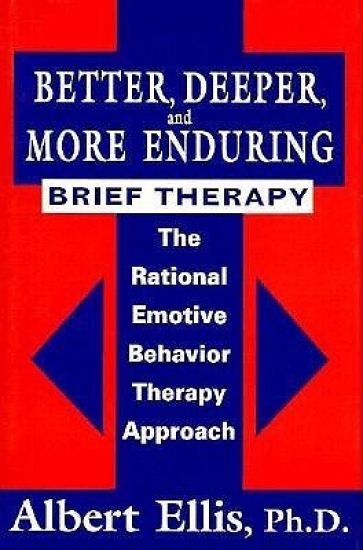
Better, Deeper And More Enduring Brief Therapy
In Better, Deeper, and More Enduring Brief Therapy Albert Ellis, the founder of Rational Emotive Behavior Therapy, describes how REBT can help clients significantly improve in a short period of time and effect a profound philosophical-emotional-behavioral change-more often that can be achieved with other popular forms of therapy. In a comprehensive, accessible format, Dr. Ellis offers his theories, practices, verbatim sessions, and other materials that help describe how REBT can be a valuable asset in psychotherapeutic treatment.