Kirjojen hintavertailu. Mukana 12 390 323 kirjaa ja 12 kauppaa.
Kirjailija
Albert I. Wertheimer
Kirjat ja teokset yhdessä paikassa: 10 kirjaa, julkaisuja vuosilta 1996-2021, suosituimpien joukossa Pharmacy Law Desk Reference. Vertaile teosten hintoja ja tarkista saatavuus suomalaisista kirjakaupoista.
As the most common health-care intervention, prescription drug use shares the most important characteristics of the health-care system in the United States. When everything works well, it makes possible breathtakingly successful applications of science to the prevention and cure of human suffering. But everything doesn’t always work well. Pharmaceutical Public Policy provides the understanding and framework required for effective organization, financing, and delivery of pharmaceutical products and services. It supplies an overview of the policy process as well as the roles of legislation and regulation in pharmaceutical policy. The book identifies the goals, objectives, and key policy issues of concern to stakeholders involved in the development of products, use of pharmaceuticals in healthcare, and administration of insurance programs by both the private and government sectors. Policy issues examined include the appropriateness of prescribing and patient adherence.Addressing questions of access, quality, and cost, the book considers the operation of the Affordable Care Act and Medicare Part D. It details the responsibilities of Federal providers of pharmaceutical care and private and public payers such as managed care organizations, pharmacy benefit managers, Medicare, and Medicaid.The book covers the policies and practices involved in promoting pharmaceutical products. It also considers pharmacoeconomics as a response to market failure. Finally, the book describes the market, the role of the manufacturer, drug shortages, and the responsibilities of the FDA. The book includes a Foreword by Jerry Avorn, MD, Professor of Medicine, Harvard Medical School; and Chief, Division of Pharmacoepidemiology and Pharmacoeconomics, Brigham and Woman’s Hospital.
Most adults take at least one prescription medication for example, for high blood pressure, high cholesterol levels, depression, asthma, diabetes, COPD, or a variety of other reasons, but most people (and many healthcare providers) are totally unaware that medications can have direct negative effects on sexual functioning and performance. This informative and timely book written by three well-known medications experts explores the chemistry behind sexual arousal in men and women and clearly and authoritatively explains how the common categories of prescription and over-the-counter medications and abused substances might be the reason for their declining sexual performance or even interest.
As the most common health-care intervention, prescription drug use shares the most important characteristics of the health-care system in the United States. When everything works well, it makes possible breathtakingly successful applications of science to the prevention and cure of human suffering. But everything doesn’t always work well. Pharmaceutical Public Policy provides the understanding and framework required for effective organization, financing, and delivery of pharmaceutical products and services. It supplies an overview of the policy process as well as the roles of legislation and regulation in pharmaceutical policy. The book identifies the goals, objectives, and key policy issues of concern to stakeholders involved in the development of products, use of pharmaceuticals in healthcare, and administration of insurance programs by both the private and government sectors. Policy issues examined include the appropriateness of prescribing and patient adherence.Addressing questions of access, quality, and cost, the book considers the operation of the Affordable Care Act and Medicare Part D. It details the responsibilities of Federal providers of pharmaceutical care and private and public payers such as managed care organizations, pharmacy benefit managers, Medicare, and Medicaid.The book covers the policies and practices involved in promoting pharmaceutical products. It also considers pharmacoeconomics as a response to market failure. Finally, the book describes the market, the role of the manufacturer, drug shortages, and the responsibilities of the FDA. The book includes a Foreword by Jerry Avorn, MD, Professor of Medicine, Harvard Medical School; and Chief, Division of Pharmacoepidemiology and Pharmacoeconomics, Brigham and Woman’s Hospital.
With the operations of a pharmacy being a required element of PharmD courses, this textbook will provide pharmacy students with an understanding of business processes used and how those processes impact their practice of pharmacy in providing patient care. The material will provide those who aspire to become managers in healthcare organizations with a foundation of how to manage in an environment that is focused on "the business of healthcare." Special features include cases that allow students to apply what they have learned in the chapters to business situations with the context of various practice settings.
Modern Pharmaceutical Industry: A Primer comprehensively explains the broad range of divisions in the complex pharmaceutical industry. Experts actively involved in each component discuss their own contribution to a pharmaceutical company's work and success. Divisions include regulatory affairs, research and development, intellectual property, pricing, marketing, generics, OTC, and more. The seventeen chapters included in this resource offer a wide range of topics, from discovery and formulation to post-approval and legal. Readers will be given a detailed look at the structure of a contemporary drug company and a thorough understanding of what goes on behind the scenes. Modern Pharmaceutical Industry: A Primer is a valuable resource for all pharmacy students, new hires at pharmaceutical companies, drug company management, and academic health center libraries. No other text provides a comprehensive look at one of the most dynamic industries related to the modern healthcare system.
Your primary source for information on the legal issues of pharmaceutical practice, care, and activityToday’s pharmacist is faced with legal, ethical, and moral concerns in making the transition from traditional pharmacy practice to an expanded role in clinical pharmacy and patient drug management services. Pharmacy Law Desk Reference is a primer on the legal aspects of pharmaceutical practice, providing background on foundational legal concepts, and guidance on the Food, Drug, and Cosmetic Act (FDCA), the Controlled Substances Act (CSA), and the Federal Trade Commission. This unique book examines the major topics that impact pharmaceutical care, including professional liability insurance; the need for supportive personnel in pharmacy practice; patent law, trademarks, and copyrights; law and ethics; business law; HIPAA privacy in the pharmacy; electronic prescribing; and medication error reporting. Handy tables, figures, and exhibits make complex information easy to access and understand.The better pharmacists understand the regulatory and legislative framework that shapes their practice, the better they will be able to carry out their responsibilities to patients. Pharmacy Law Desk Reference offers a broad scope on established legal subjects, the current direction of the profession, and important contemporary topics that affect the clinical role of the practicing pharmacist. Each chapter is authored by a nationally recognized authority on one or more aspect of pharmacy law and many of the contributors are active in the American Society of Pharmacy Law. Topics addressed in Pharmacy Law Desk Reference include: telepharmacy collaborative drug therapy management trade secrets and trade secret protection anti-competitive practices the threat of civil and criminal liability the Health Insurance Portability and Accountability Act of 1996 (HIPAA) FDA inspections consumer protection laws credentialing pharmacy compounding accreditation employment contracts Medicaid and Medicare controlled substance registration and prescription orders forged prescription orders and many morePharmacy Law Desk Reference is a comprehensive resource on the professional, legal, and contemporary issues in pharmacy practice. It is a primary reference guidebook for pharmacy practitioners, leaders of state and national pharmacists associations, members of state boards of pharmacy, educators and students, and an essential addition to all pharmacy libraries.
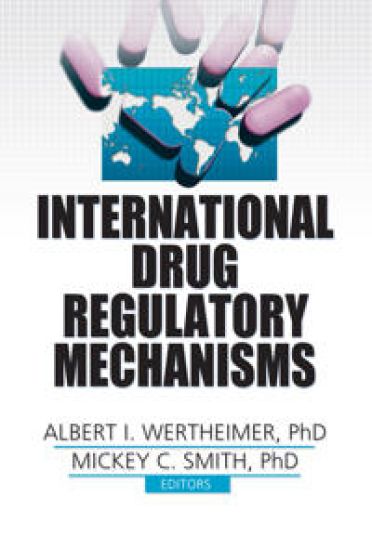
Learn how international governments have committed themselves to improving access to quality health care! International Drug Regulatory Mechanisms explores the environment, organization, structure, functioning, and finance of health systems and pharmaceutical markets in 19 countries. Local experts describe each country’s experiences with and lessons learned from the regulation of pharmaceutical products. This book will help government officials, pharmacy educators, and pharmaceutical industry leaders from around the globe identify and develop successful methods for controlling pharmaceutical drug prices and utilization. In International Drug Regulatory Mechanisms, you will learn about the health care system of each country and each government’s measures to control drug costs. This text shows you what government interventions are feasible as well as effective, and the impact of these measures on consumers, government agencies, and the pharmaceutical companies and distributors. Drug policies, reimbursement concepts, and health insurance companies are all examined to give you a better working knowledge of the methodology and guidelines involving drug control in nations such as: Iceland Canada Israel Malaysia Argentina Taiwan Mexico Italy International Drug Regulatory Mechanisms is an extensive text that shows how pharmaceuticals are regulated throughout the world. This book examines howdespite similar goalsprice controls, utilization controls, record keeping, and quality requirements differ greatly between countries. Using numerous graphs, tables, and figures, this one-of-a-kind resouce provides you with new insight into which strategies are superior and how to implement these strategies in your own country.
Social and Behavioral Aspects of Pharmaceutical Care takes known social and behavioral science principles and applies them to pharmacy practice. This allows readers who are training to deliver or already delivering pharmaceutical care to enhance their communication, counseling, and patient education skills. While working through this superb text, students and practitioners will develop optimal skills as problemsolvers, therapeutic consultants, patient educators, and counselors as they learn how to enhance patient compliance, negate stigma, and help patients become more comfortable with their medical situations. The instructor?s manual that comes with the text is filled with exercises that highlight the most important aspects of each chapter and engages readers in the content of each chapter.Readers who approach this text with a real desire to better understand how behavior links to the complexities of an individual?s or social group?s actions and deeds will find it exhilarating reading as they gain a better understanding of and appreciation for pharmaceutical care and its behavioral underpinnings. Also, instead of offering only a few definitive answers, Social and Behavioral Aspects of Pharmaceutical Care contains extensive descriptions of phenomena known to be true but which are all subject to change when new variables are introduced. This helps readers become more aware of and comfortable with the “gray” areas of pharmacy.Authors in Social and Behavioral Aspects of Pharmaceutical Care take pieces of the complex web of pharmaceutical care, describe known microcosmic components of such care, and then relate the pieces back to the integrity of the web. Readers will find that the behavior of the patient, the prescriber, the systems that allow for these interactions, and, ultimately, the outcomes of medication use are in fact, not as simple as they may appear. Readers learn to deal with these complexities by improving their interactive s