Kirjojen hintavertailu. Mukana 12 595 353 kirjaa ja 12 kauppaa.

Kirjailija

Albertina Wien

Kirjat ja teokset yhdessä paikassa: 2 kirjaa, julkaisuja vuosilta 2020-2022, suosituimpien joukossa Wilhelm Leibl: The Art of Seeing. Vertaile teosten hintoja ja tarkista saatavuus suomalaisista kirjakaupoista.

2 kirjaa

Kirjojen julkaisuhaarukka 2020-2022.

Modigliani

Modigliani

Albertina Wien; Klaus Albrecht Schröder; Marc Resttellini

Hirmer Verlag
2022
sidottu
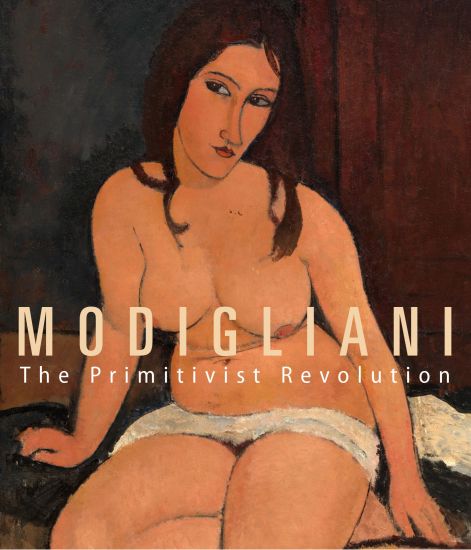
Amedeo Modigliani (1884–1920) moved to Paris as a 22-year-old art student and is regarded as probably the last true bohémien in Montmartre. The exhibition catalogue to mark the 100th anniversary of his death shows him for the first time as a leading member of the avant-garde who carried the revolution of Primitivism well into the 20th century. Modigliani’s famous nudes, unusual portraits and unique sculptures are contrasted with works by Pablo Picasso, Constantin Brâncusi and André Derain as well as artefacts from so-called “primitive” cultures. In doing so the volume focuses in particular on Modigliani’s lifelong study of the art of Primitivism, which also interested the artist friends who influenced his work. Some 100 works are on view, including numerous main works by Modigliani from the great museums and most important private collections from America to Asia.
Wilhelm Leibl: The Art of Seeing

Wilhelm Leibl: The Art of Seeing

Bernhard von Waldkirch; Marianne von Manstein; Züricher Kunstgesellschaft; Albertina Wien

Hirmer Verlag
2020
sidottu
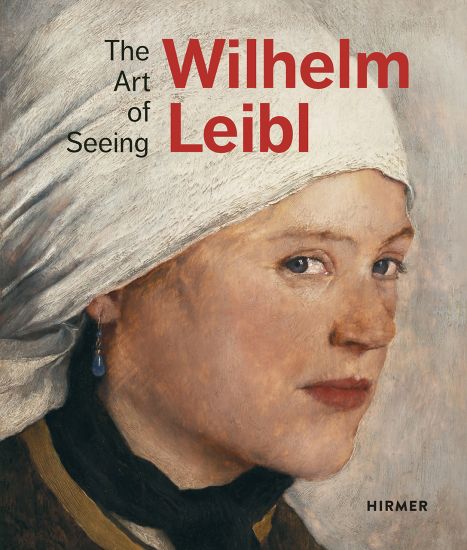
Wilhelm Leibl (1844–1900) is regarded as one of the most significant portraitists and an important representative of Realism in Europe. With large-format illustrations of 40 paintings and 60 drawings this volume accompanies the first comprehensive museum exhibition with a focus on portraits and representations of figures to be shown in Switzerland and Austria.Wilhelm Leibl explained his individual and modern figure painting with his retreat to the countryside. For Leibl the decisive factor was not that a model was attractive, but that he or she was shown in a good light. The publication highlights in insightful contributions Leibl’s position between tradition and modernity, his contribution to European Realism and his affinity for the colour black. It also discusses his relationship to Degas, his links with Hungary and his importance for the art of the twentieth and twenty-first century.