Kirjailija
Aleksandr Solzhenitsyn
Kirjat ja teokset yhdessä paikassa: 82 kirjaa, julkaisuja vuosilta 1970-2026, suosituimpien joukossa August 1914. Vertaile teosten hintoja ja tarkista saatavuus suomalaisista kirjakaupoista.
82 kirjaa
Kirjojen julkaisuhaarukka 1970-2026.
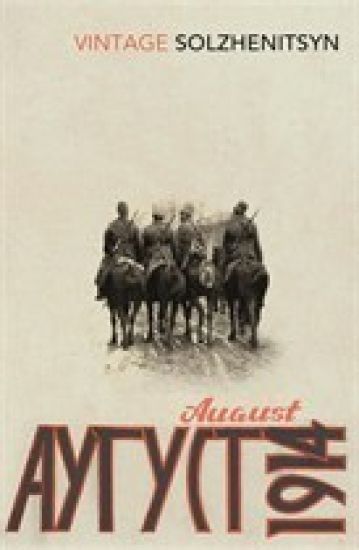
â??One word of truth shall outweigh the whole worldâ?? Aleksandr SolzhenitsynIn the first month of the First World War the Russian campaign against the Germans creaks into gear.
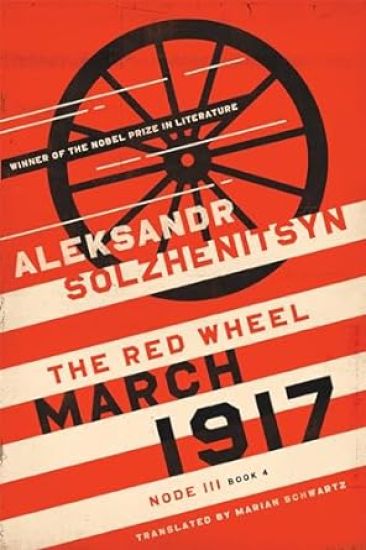
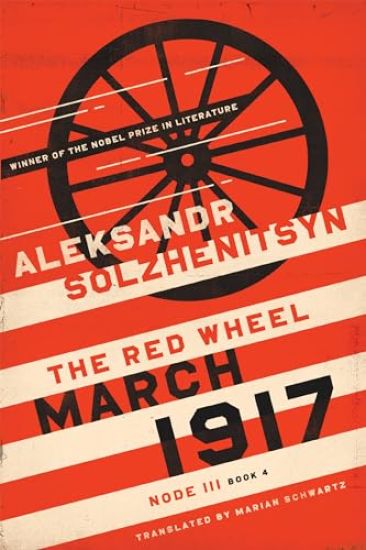
In March 1917, Book 4 the willing and unwilling participants of the Russian Revolution try to make sense of their next steps amidst unraveling chaos. One of the masterpieces of world literature, The Red Wheel is Nobel prize–winner Aleksandr Solzhenitsyn's multivolume epic work about the Russian Revolution told in the form of a historical novel. March 1917—the third node—chronicles the mayhem, day by day, of the Russian Revolution. Book 4 presents, for the first time in English, the conclusion of this four-volume revolutionary saga. The action of Book 4 is set during March 23–31, 1917. Book 4 portrays a cast of thousands in motion and agitation as every stratum of Russian society—the army on the front lines, the countryside, the Volga merchants, the Don Cossacks, the Orthodox Church—is racked by the confusing new reality. Soldiers start to fraternize across trenches with the enemy. The Grand Duke Nikolai Nikolaevich, the emperor's uncle, arrives at military headquarters to assume the supreme command but is promptly dismissed by the new Provisional Government. Even this government holds no power, for at every step it is cowed and hemmed in by a self-proclaimed and unaccountable Executive Committee acting in the name of the Soviets—councils of workers and soldiers. Yet the Soviets themselves are divided—on whether to call for an end to the war or for its continuation, on whether to topple the Provisional Government or to let it try to govern. Meanwhile, in Switzerland, Lenin quietly dictates his own terms to the German General Staff, setting the stage for his return to Russia.
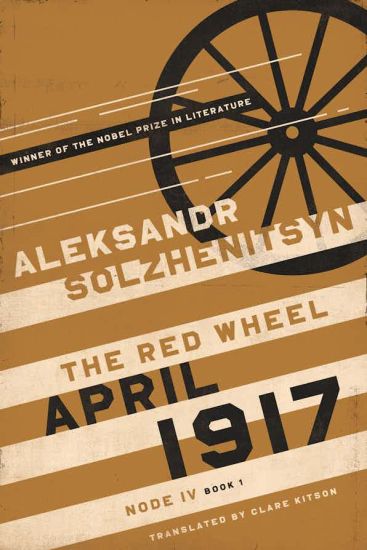
April 1917, Book 1, captures the division and helplessness of Russia's first Revolutionary rulers, paving the way for the victory of the ruthless Bolsheviks later that year. One of the masterpieces of world literature, The Red Wheel is Nobel prize–winner Aleksandr Solzhenitsyn's multivolume epic work about the Russian Revolution told in the form of a historical novel. April 1917—the fourth node—shows the intractable divisions that would lead Russia to catastrophic Communist dictatorship and civil war. If the first three nodes of The Red Wheel form its first act, "The Revolution," April 1917 opens its second act, "The Rule of the People." The action of Book 1 (of two) is set during April 11–May 5, 1917. Book 1 presents a shift toward a more radical revolution and an increase in political turmoil. The Provisional Government comes under fire for its "bourgeois" capitalism and continuing commitment to World War I. Bolshevik leader Vladimir Lenin returns from exile and delivers his April Theses in Petrograd, actively sowing seeds of division. He declares that the revolution is not complete and openly calls for civil war, outlining a radical plan to overthrow the Provisional Government and seize power for the Soviets. Amid the chaos and rising tide of Bolshevism, the elements of resistance, and decency, slowly begin to awaken.
We Have Ceased to See the Purpose
Aleksandr Solzhenitsyn
UNIVERSITY OF NOTRE DAME PRESS
2025
sidottu
This collection brings together ten of Nobel Prize–winner Aleksandr Solzhenitsyn's most memorable and consequential speeches, delivered in the West and in Russia between 1972 and 1997. Following his exile from the USSR in 1974, Aleksandr Solzhenitsyn lived and traveled in the West for twenty years before the fall of Communism allowed him to return home to Russia. The majority of the speeches collected in this volume straddle this period of exile, contemplating the materialism prevalent worldwide—forcibly imposed in the socialist East, freely chosen in the capitalist West—and searching for humanity's possible paths forward. In beautiful yet haunting and prophetic prose, Solzhenitsyn explores the mysterious purpose of art, the two-edged nature of limitless freedom, the decline of faith in favor of legalistic secularism, and—perhaps most centrally—the power of literature, art, and culture to elevate the human spirit. These annotated speeches, including his timeless "Nobel Lecture" and "Harvard Address," have been rendered in English by skilled translators, including Solzhenitsyn's sons. The volume includes an introduction to the speeches, brief background information about each speech, and a timeline of the key dates in Solzhenitsyn's life.
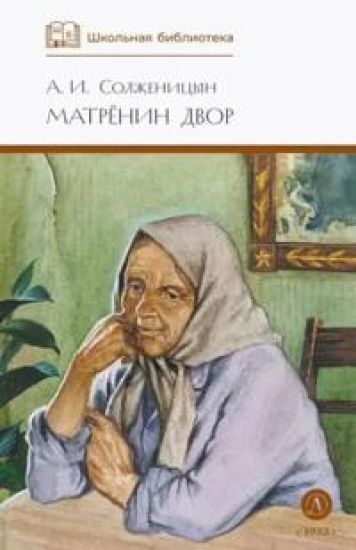
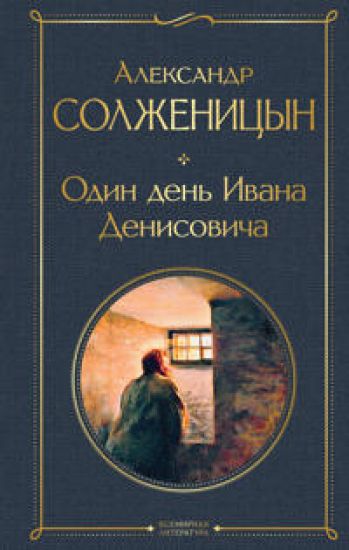
V knigu zamechatelnogo russkogo pisatelja A.I.Solzhenitsyna vkhodjat rasskazy "Odin den Ivana Denisovicha", "Matrenin dvor" i tsikl miniatjur "Krokhotki". Dlja starshego shkolnogo vozrasta.
In March 1917, Book 4 the willing and unwilling participants of the Russian Revolution try to make sense of their next steps amidst unraveling chaos. One of the masterpieces of world literature, The Red Wheel is Nobel prize–winner Aleksandr Solzhenitsyn's multivolume epic work about the Russian Revolution told in the form of a historical novel. March 1917—the third node—chronicles the mayhem, day by day, of the Russian Revolution. Book 4 presents, for the first time in English, the conclusion of this four-volume revolutionary saga. The action of Book 4 is set during March 23–31, 1917. Book 4 portrays a cast of thousands in motion and agitation as every stratum of Russian society—the army on the front lines, the countryside, the Volga merchants, the Don Cossacks, the Orthodox Church—is racked by the confusing new reality. Soldiers start to fraternize across trenches with the enemy. The Grand Duke Nikolai Nikolaevich, the emperor's uncle, arrives at military headquarters to assume the supreme command but is promptly dismissed by the new Provisional Government. Even this government holds no power, for at every step it is cowed and hemmed in by a self-proclaimed and unaccountable Executive Committee acting in the name of the Soviets—councils of workers and soldiers. Yet the Soviets themselves are divided—on whether to call for an end to the war or for its continuation, on whether to topple the Provisional Government or to let it try to govern. Meanwhile, in Switzerland, Lenin quietly dictates his own terms to the German General Staff, setting the stage for his return to Russia.
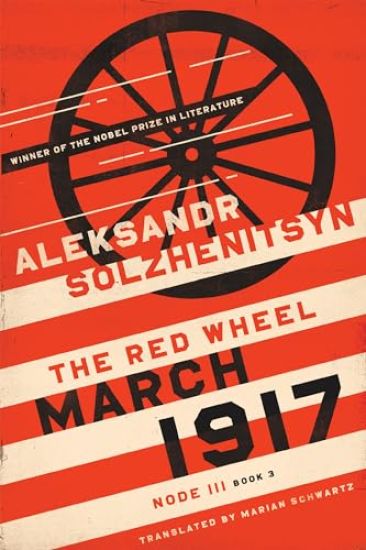
In March 1917, Book 3 the forces of revolutionary disintegration spread out from Petrograd all the way to the front lines of World War I, presaging Russia's collapse. One of the masterpieces of world literature, The Red Wheel is Nobel prize–winner Aleksandr Solzhenitsyn's multivolume epic work about the Russian Revolution told in the form of a historical novel. March 1917—the third node—tells the story, day by day, of the Russian Revolution itself. Until recently, the final two nodes have been unavailable in English. The publication of Book 1 of March 1917 (in 2017) and Book 2 (in 2019) has begun to rectify this situation. The action of Book 3 (out of four) is set during March 16–22, 1917. In Book 3, the Romanov dynasty ends and the revolution starts to roll out from Petrograd toward Moscow and the Russian provinces. The dethroned Emperor Nikolai II makes his farewell to the Army and is kept under guard with his family. In Petrograd, the Provisional Government and the Soviet of Workers' and Soldiers' Deputies continue to exercise power in parallel. The war hero Lavr Kornilov is appointed military chief of Petrograd. But the Soviet's "Order No. 1" reaches every soldier, undermining the officer corps and shaking the Army to its foundations. Many officers, including the head of the Baltic Fleet, the progressive Admiral Nepenin, are murdered. Black Sea Fleet Admiral Kolchak holds the revolution at bay; meanwhile, Grand Duke Nikolai Nikolaevich, the emperor's uncle, makes his way to military headquarters, naïvely thinking he will be allowed to take the Supreme Command.
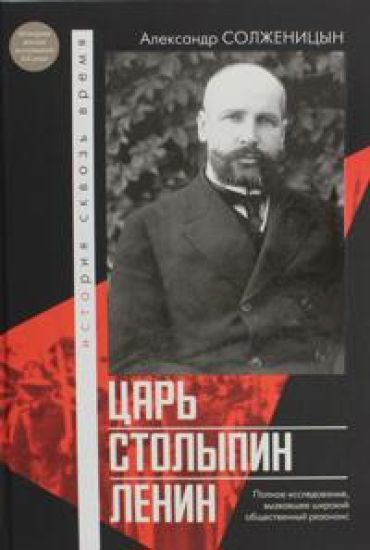
Tsar. Stolypin. Lenin by Solzhenitsyn, in Russian language.
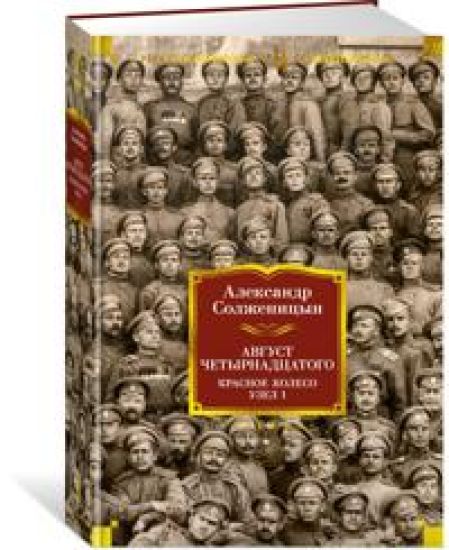
Aleksandr Isaevich Solzhenitsyn - russkij pisatel, publitsist, obschestvennyj dejatel, laureat Nobelevskoj premii po literature ("Za nravstvennuju silu, s kotoroj on prodolzhil traditsii velikoj russkoj literatury", 1970), laureat Gosudarstvennoj premii Rossijskoj Federatsii za vydajuschiesja dostizhenija v oblasti gumanitarnoj dejatelnosti (2006), akademik Rossijskoj akademii nauk. Roman "Avgust Chetyrnadtsatogo" byl opublikovan v 1971 godu v Parizhe, stav pervoj knigoj ("Uzlom", po opredeleniju avtora) v epopee "Krasnoe Koleso", masshtabnom istoriko-khudozhestvennom polotne, posvjaschjonnom sobytijam v Rossii 1914-1917 godov. Dejstvie romana proiskhodit v nachale Pervoj mirovoj vojny. Mnogochislennye sjuzhetnye linii, obilie personazhej (mnogie iz kotorykh - izvestnye istoricheskie persony), jarkie, dramaticheskie sobytija, istoricheskaja dostovernost pozvoljajut nazvat roman odnim iz samykh znachitelnykh istoricheskikh proizvedenij XX veka.
Gulagi arhipelaag 1. Kirjandusliku uurimuse katse I-II
Aleksandr Solzhenitsyn
Postimees kirjastus
2024
sidottu
Loe Goodreads arvustusi"Gulagi arhipelaag" on Nobeli kirjanduspreemia laureaadi Aleksandr Solzhenitsõni (1918-2008) peateos, suurelt osalt Eestis sündinud "kirjandusliku uurimuse katse", mis ilmununa välismaal (1973-1975), autori kodumaal (1989-1990) ja Eestis (1990) avaldas lugejaile põrutavat mõju, avades Nõukogude Liidu tegelikku ajalugu ja suutes kogu maailmas tunduval määral hajutada kommunistlikku udu."Arvatavasti ei aidanud ükski üksikisik Nõukogude süsteemi lagunemisele sama palju kaasa kui kirjanik Aleksandr Solzhenitsõn," ütleb soome kirjanik Jukka Mallinen Erkki Vettenniemi kirjutatud, ka eesti keelde tõlgitud Solzhenitsõni biograafias (2018)."Gulagi arhipelaag" näitab, kuidas Nõukogude Liidu ametliku propaganda fassaadi taga seisid tuhanded koonduslaagrid ja piinakambrid, riikliku terrori hiiglaslik võrgustik. Inimajaloo kõige tumedamaid lehekülgi kirjeldades ei puudu autoril huumor, iroonia ja sarkasm. Vägivallamehhanismide läbivalgustajana on Solzenitsõn ületamatu, ja nii on tema ainulaadne suurteos osutunud lausa rabavalt aktuaalseks ka XXI sajandil.Teose esimese köite kaks osa "Vanglatööstus" ja "Igiliikumine" kirjeldavad arreteerimisi, "uurijate" juurdlusvõtteid ja vanglaelu, kus "mõned vangid läksid kongikaaslaste silma all kolme-nelja päevaga halliks" (11. peatükk "Kõrgeim määr"). Gulagi vangilaagrite saarestiku kaardistamise käigus kohtame ka stalinliku terrori kõige eredamaid tugipunkte: Butõrka, Magadan, Kolõma. Köite üheks võtmetegelaseks on Eesti rahvuslane Arnold Susi (1896-1968), kes vangikaaslasena märkimisväärselt mõjutas kirjaniku maailmapildi kujunemist.
Gulagi arhipelaag 2. Kirjandusliku uurimuse katse III-IV
Aleksandr Solzhenitsyn
Postimees kirjastus
2024
sidottu
"Gulagi arhipelaag" on Nobeli kirjanduspreemia laureaadi Aleksandr Solzhenitsõni (1918-2008) peateos, suurelt osalt Eestis sündinud "kirjandusliku uurimuse katse", mis ilmununa välismaal (1973-1975), autori kodumaal (1989-1990) ja Eestis (1990) avaldas lugejaile põrutavat mõju, avades Nõukogude Liidu tegelikku ajalugu ja suutes kogu maailmas tunduval määral hajutada kommunistlikku udu."Arvatavasti ei aidanud ükski üksikisik Nõukogude süsteemi lagunemisele sama palju kaasa kui kirjanik Aleksandr Solzhenitsõn," ütleb soome kirjanik Jukka Mallinen Erkki Vettenniemi kirjutatud, ka eesti keelde tõlgitud Solzhenitsõni biograafias (2018)."Gulagi arhipelaag" näitab, kuidas Nõukogude Liidu ametliku propaganda fassaadi taga seisid tuhanded koonduslaagrid ja piinakambrid, riikliku terrori hiiglaslik võrgustik. Inimajaloo kõige tumedamaid lehekülgi kirjeldades ei puudu autoril huumor, iroonia ja sarkasm. Vägivallamehhanismide läbivalgustajana on Solzenitsõn ületamatu, ja nii on tema ainulaadne suurteos osutunud lausa rabavalt aktuaalseks ka XXI sajandil.Teise köite kahes osas "Hävitus- ja töölaagrid" ning "Hing ja okastraat" asub kirjanik lähemalt vaatlema vangilaagrite võrgu teket ja arengut. Siin on näiteks peatükid "Naine laagris" ja "Muusad Gulagis". "Kurjust maailmast ära kaotada ei ole võimalik, kuid on võimalik seda igas inimeses koomale suruda," ütleb autor (2. osa 1. peatükk "Ülenemine"). Ja veel: "Piiramatu võim piiratud inimeste käes toob alati kaasa julmuse" (1. osa 20. peatükk "Koeraamet").
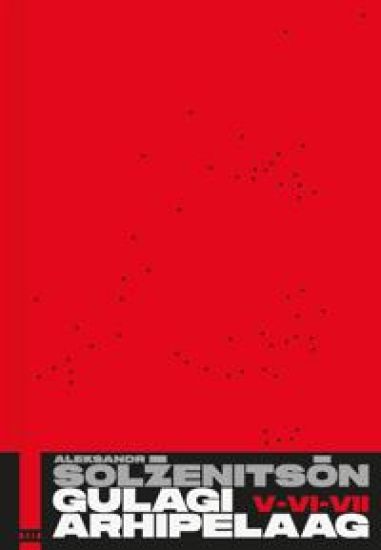
Gulagi arhipelaag 3. Kirjandusliku uurimuse katse V-VI-VII
Aleksandr Solzhenitsyn
Postimees kirjastus
2024
sidottu
"Gulagi arhipelaag" on Nobeli kirjanduspreemia laureaadi Aleksandr Solzhenitsõni (1918-2008) peateos, suurelt osalt Eestis sündinud "kirjandusliku uurimuse katse", mis ilmununa välismaal (1973-1975), autori kodumaal (1989-1990) ja Eestis (1990) avaldas lugejaile põrutavat mõju, avades Nõukogude Liidu tegelikku ajalugu ja suutes kogu maailmas tunduval määral hajutada kommunistlikku udu."Arvatavasti ei aidanud ükski üksikisik Nõukogude süsteemi lagunemisele sama palju kaasa kui kirjanik Aleksandr Solzhenitsõn," ütleb soome kirjanik Jukka Mallinen Erkki Vettenniemi kirjutatud, ka eesti keelde tõlgitud Solzhenitsõni biograafias (2018)."Gulagi arhipelaag" näitab, kuidas Nõukogude Liidu ametliku propaganda fassaadi taga seisid tuhanded koonduslaagrid ja piinakambrid, riikliku terrori hiiglaslik võrgustik. Inimajaloo kõige tumedamaid lehekülgi kirjeldades ei puudu autoril huumor, iroonia ja sarkasm. Vägivallamehhanismide läbivalgustajana on Solzenitsõn ületamatu, ja nii on tema ainulaadne suurteos osutunud lausa rabavalt aktuaalseks ka XXI sajandil.Kolmanda köite kolm osa "Sunnitöö", "Sundasumine" ja "Stalinit ei ole" annavad eelmistest köidetest veel sügavama sissevaate vangilaagrite igapäevaellu. Siin on üheks silmapaistvaks raamatukangelaseks eestlane Georg Tenno (1911-1967) ja tema hulljulged põgenemiskatsed. Pärast 1953. aastat Stalinit küll enam pole ja Gulagi arhipelaag suurelt osalt demonteeritakse, aga illusioonivaba autor hoiatab, et tõelist puhastumist pole toimunud. Seadusetus, riiklik terror ja ohjeldamatu vägivald võivad olla hirmutavalt taastekkelised.
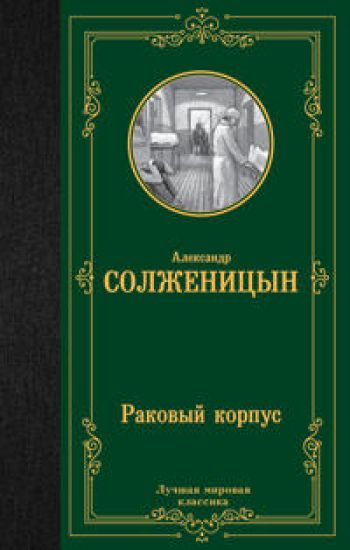
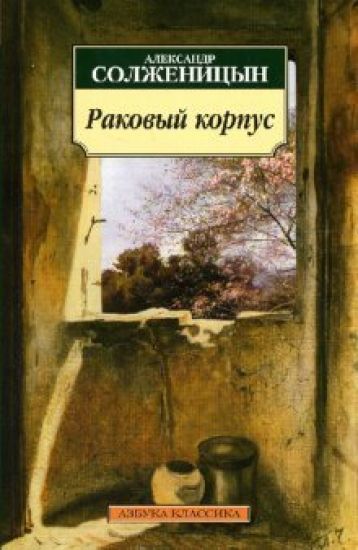
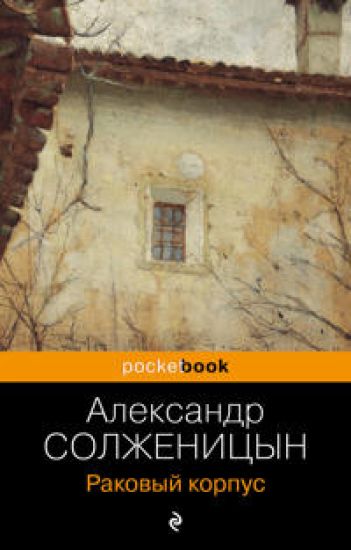
Povest "Rakovyj korpus" byla zadumana Solzhenitsynym letom 1954 goda v Tashkente, gde posle ssylki on lechilsja v onkologicheskom dispansere. Vospominanija ob etom legli v osnovu povesti.Ee geroi - patsienty "rakovogo korpusa". Sredi nikh ljudi vsekh sotsialnykh sloev, vozrastov so vsekh kontsov neobjatnoj strany. V ikh sudbakh otrazilos to sostojanie sovetskogo obschestva, kogda, porazhennoe bezzakoniem vlasti, kak strashnoj boleznju, ono poluchilo nadezhdu na istselenie.Pozitsija avtora v proizvedenii rezko raskhodilas s ofitsialnoj ideologiej, poetomu opublikovat ego pisatel smog tolko za rubezhom. Na rodine povest byla vpervye izdana v 1990 godu.
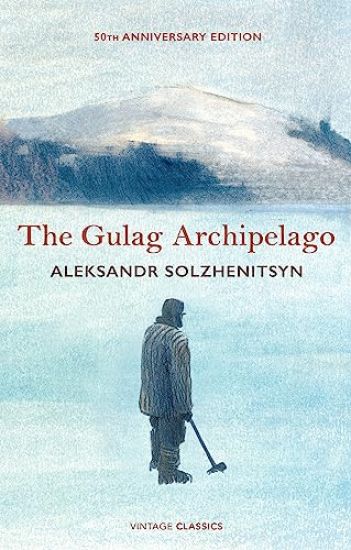
'[The Gulag Archipelago] helped to bring down an empire. Its importance can hardly be exaggerated' Doris Lessing, Sunday TelegraphWITH A NEW INTRODUCTION BY NATALIA SOLZHENITSYNA vast canvas of camps, prisons, transit centres and secret police, of informers and spies and interrogators but also of everyday heroism, The Gulag Archipelago is Aleksandr Solzhenitsyn's grand masterwork. Based on the testimony of some 200 survivors, and on the recollection of Solzhenitsyn's own eleven years in labour camps and exile, it chronicles the story of those at the heart of the Soviet Union who opposed Stalin, and for whom the key to survival lay not in hope but in despair.A thoroughly researched document and a feat of literary and imaginative power, this edition of The Gulag Archipelago was abridged into one volume at the author's wish and with his full co-operation.'Solzhenitsyn's masterpiece...The Gulag Archipelago helped create the world we live in today' Anne ApplebaumTHE OFFICIALLY APPROVED ABRIDGEMENT OF THE GULAG ARCHIPELAGO VOLUMES I, II & III
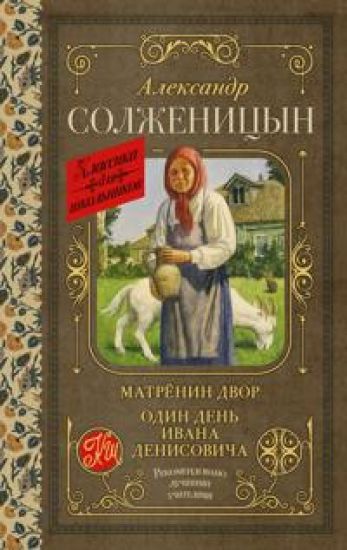
Aleksandr Isaevich Solzhenitsyn (1918-2008) byl svidetelem i neposredstvennym uchastnikom mnogikh masshtabnykh istoricheskikh sobytij i proshjol svoj put vmeste so svoim pokoleniem, v polnoj mere ispytav na sebe vse nevzgody, vypavshie na dolju ego sovremennikov. V rasskaze "Matrjonin dvor" rech idjot o neljogkoj sudbe russkoj zhenschiny, perezhivshej dve vojny, pokhoronivshej detej, ispytavshej tjagoty neposilnogo truda i sokhranivshej chistuju, beskorystnuju, zhivuju dushu. V knigu takzhe voshjol rasskaz "Odin den Ivana Denisovicha" - per
Aleksandr Isaevich Solzhenitsyn (1918-2008) - russkij pisatel, laureat Nobelevskoj premii (1970), laureat Gosudarstvennoj premii Rossijskoj Federatsii za vydajuschiesja dostizhenija v oblasti gumanitarnoj dejatelnosti (2006). Bolju i velikoj veroj v sokhranenie chelovecheskoj dushi proniknuto vse ego tvorchestvo. V knigu voshli ego znakovye rasskazy 60-kh godov "Odin den Ivana Denisovicha", "Matrenin dvor", "Pravaja kist", "Zakhar-Kalita", "Sluchaj na stantsii Kochetovka" i miniatjury, nazvannye samim avtorom "Krokhotkami" (1958-1963).
Povest "Rakovyj korpus" byla zadumana Solzhenitsynym letom 1954 goda v Tashkente, gde posle ssylki on lechilsja v onkologicheskom dispansere. Vospominanija ob etom legli v osnovu povesti.Ee geroi - patsienty "rakovogo korpusa". Sredi nikh ljudi vsekh sotsialnykh sloev, vozrastov so vsekh kontsov neobjatnoj strany. V ikh sudbakh otrazilos to sostojanie sovetskogo obschestva, kogda, porazhennoe bezzakoniem vlasti, kak strashnoj boleznju, ono poluchilo nadezhdu na istselenie.Pozitsija avtora v proizvedenii rezko raskhodilas s ofitsialnoj ideologiej, poetomu opublikovat ego pisatel smog tolko za rubezhom. Na rodine povest byla vpervye izdana v 1990 godu.
Povest "Rakovyj korpus" - o bolnykh onkologicheskogo dispansera v sredneaziatskom gorode (Tashkente), v tom chisle ssylnykh. Borenie s boleznju. Popytki osmyslenija zhizni i smerti. Obschestvennaja obstanovka posle smerti Stalina, kogda strana budto nachala obretat soznanie posle strashnoj bolezni. V gerojakh povesti, naseljajuschikh odnu bolnichnuju palatu, voploscheny bol i nadezhdy Rossii.
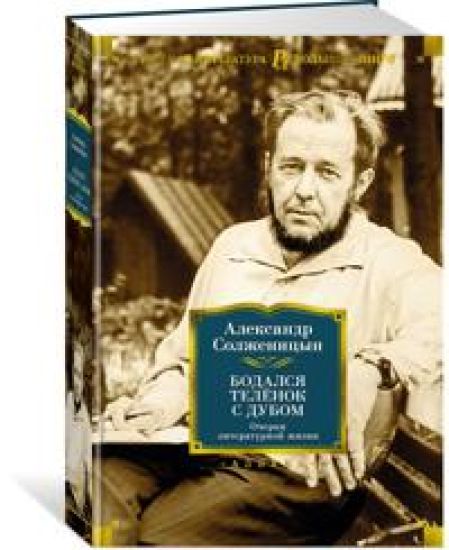
Aleksandr Isaevich Solzhenitsyn - russkij pisatel, publitsist, obschestvennyj dejatel, laureat Nobelevskoj premii po literature ("Za nravstvennuju silu, s kotoroj on prodolzhil traditsii velikoj russkoj literatury", 1970), laureat Gosudarstvennoj premii Rossijskoj Federatsii za vydajuschiesja dostizhenija v oblasti gumanitarnoj dejatelnosti (2006), akademik Rossijskoj akademii nauk. V memuarnoj knige "Bodalsja teljonok s dubom" razvorachivaetsja uvlekatelnaja istorija borby za svobodu tvorcheskogo samovyrazhenija. Vypuklo narisovana literaturnaja zhizn Rossii serediny proshlogo stoletija, v dekoratsijakh kotoroj i sozdavalis znamenitye proizvedenija ("Odin den Ivana Denisovicha", "V kruge pervom", "Arkhipelag GULAG"), i rasskazano o dolgom puti, kotoryj prishlos projti, chtoby eti teksty uvideli svet. Nastojaschee izdanie predstavljaet samuju polnuju redaktsiju teksta, vkljuchaet vse dopolnenija, sozdannye avtorom na protjazhenii mnogikh let, a takzhe mnogochislennye fotograficheskie materialy i annotirovannyj imennoj ukazatel.
Strashnaja bolezn sobrala sovershenno raznykh personazhej v odnom korpuse grjaznoj i perepolnennoj bolnitsy. Vse oni - ssylnyj, chinovnik, molodoj uchenyj, stroitel i dazhe shkolnik, vedut ideologicheskie spory mezhdu soboj i borbu so smertju. Povest osnovana na lichnom opyte Aleksandra Solzhenitsyna (1918-2008) i podnimaet glubokie filosofskie voprosy chelovecheskogo bytija. Vpervye izdannaja v 1968 godu za granitsej, kniga imela ogromnyj uspekh i stala odnim iz faktorov prisuzhdenija avtoru Nobelevskoj premii