Kirjojen hintavertailu. Mukana 12 390 323 kirjaa ja 12 kauppaa.

Kirjailija

Alex J. Taylor

Kirjat ja teokset yhdessä paikassa: 3 kirjaa, julkaisuja vuosilta 2022-2023, suosituimpien joukossa Allan D'Arcangelo. Vertaile teosten hintoja ja tarkista saatavuus suomalaisista kirjakaupoista.

3 kirjaa

Kirjojen julkaisuhaarukka 2022-2023.

Allan D'Arcangelo

Allan D'Arcangelo

Alex J. Taylor; Evan Moffitt; Cécile Whiting

RIZZOLI INTERNATIONAL PUBLICATIONS
2023
sidottu
Recognized as a major Pop artist in his day, Allan D’Arcangelo (1930–1998) has yet to receive the critical reevaluation of painters like Roy Lichtenstein and James Rosenquist. His first monograph in nearly a decade introduces new audiences to his iconic paintings, particularly his celebrated visions of life on the road.Like Pop peers Andy Warhol and Ed Ruscha, Allan D’Arcangelo incorporated mass-manufactured images in works that elevate scenes of everyday American life. While his work often features imagery from more familiar 1960s art—Jacqueline Kennedy and Marilyn Monroe, smoking pin-up girls, Superman, Lucky Strike—it differs in the surreal elements he introduced to Pop tropes and romantic views of the American industrial landscape.D’Arcangelo once observed his “most profound experiences of landscape were looking through the windshield.” The artist brought a Pop sensibility to the tradition of landscape painting in a graphic style that touched on Minimalism, Precisionism, and Hard-edge painting. Often framed from the perspective of the driver’s seat, D’Arcangelo’s work captures the deeply American experience of flying down an endless road. D’Arcangelo’s signature scrolling landscape cut through with flashing signs is as familiar to road trippers as it is to video game racers.This comprehensive publication includes over 200 reproductions and three essays detailing what critic Dore Ashton describes as the “poetic awareness of the vastnesses both visible and invisible in American life [that] marked and distinguished [D’Arcangelo’s] work.” This book is edge stained.
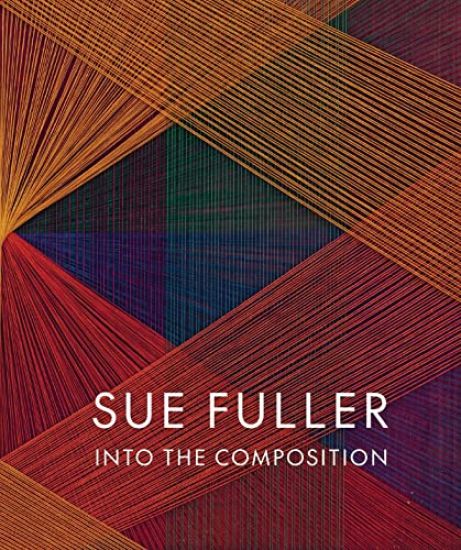
Sue Fuller: Into the Composition

Sue Fuller: Into the Composition

Alex J. Taylor; Christina Weyl

RIDINGHOUSE
2022
sidottu
‘Balance, motion, suspension’ and ‘tension’ form the guiding principles of the work of Sue Fuller (1914–2006, Pittsburgh), one of the most innovative artists in the field of geometric abstraction in the postwar United States. Initially a prominent figure in Stanley William Hayter’s famous New York print workshop, Atelier 17, Fuller developed an interest in geometric abstraction in the mid-1940s, which led her to adopt string as a tool to create three-dimensional compositions in a range of colours and varying densities across a delicate, almost invisible framing structure. Fuller is also known for her use of unconventional materials sourced from various industrial sectors, including fishing lines and synthetic surfaces such as Lucite, which conserve the compositions’ delicate tension and vivid colour schemes in pristine condition to this day. Sue Fuller: Into the Composition constitutes the first monographic study of Fuller’s work and includes contributions by art historians Alex J. Taylor and Christina Weyl. The book is released on the occasion of an exhibition by the same name, held at Luxembourg + Co., London in October 2022.
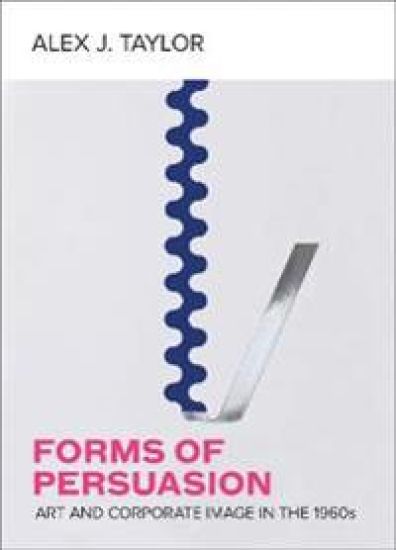
Forms of Persuasion

Forms of Persuasion

Alex J. Taylor

University of California Press
2022
sidottu
In the 1960s, multinational corporations faced new image problems—and turned to the art world for some unexpected solutions. The 1960s saw artists and multinational corporations exploring new ways to use art for commercial gain. Whereas many art historical accounts of this period privilege radical artistic practices that seem to oppose the dominant values of capitalism, Alex J. Taylor instead reveals an art world deeply immersed in the imperatives of big business. From Andy Warhol’s work for packaged goods manufacturers to Richard Serra’s involvement with the steel industry, Taylor demonstrates how major artists of the period provided brands with “forms of persuasion” that bolstered corporate power, prestige, and profit. Drawing on extensive original research conducted in artist, gallery, and corporate archives, Taylor recovers a flourishing field of promotional initiatives that saw artists, advertising creatives, and executives working around the same tables. As museums continue to grapple with the ethical dilemmas posed by funding from oil companies, military suppliers, and drug manufacturers, Forms of Persuasion returns to these earlier relations between artists and multinational corporations to examine the complex aesthetic and ideological terms of their enduring entanglements.