Kirjojen hintavertailu. Mukana 12 595 353 kirjaa ja 12 kauppaa.
Kirjailija
Alexander Noyes
Kirjat ja teokset yhdessä paikassa: 6 kirjaa, julkaisuja vuosilta 2022-2026, suosituimpien joukossa Security Cooperation in a Strategic Competition. Vertaile teosten hintoja ja tarkista saatavuus suomalaisista kirjakaupoista.
Michael J Mazarr; Nathan Beauchamp-Mustafaga; Jonah Blank; Samuel Charap; Michael S Chase; Beth Grill; Derek Grossman; Dara Massicot; Jennifer D P Moroney; Lyle J Morris; Alexander Noyes; Stephanie Pezard; Ashley L Rhoades; Alice Shih; Mark Stalczynski; Melissa Shostak; David E Thaler; Dori Walker
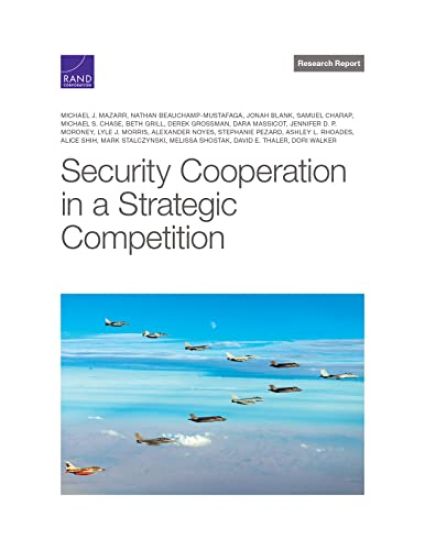
In this study, RAND researchers examined the current role of security cooperation efforts as a tool in the emerging strategic competition among the United States, Russia, and China. In particular, they sought to identify how, where, and to what degree the three major competitors?plus Australia, Japan, India, and several countries in Europe?are using security cooperation.
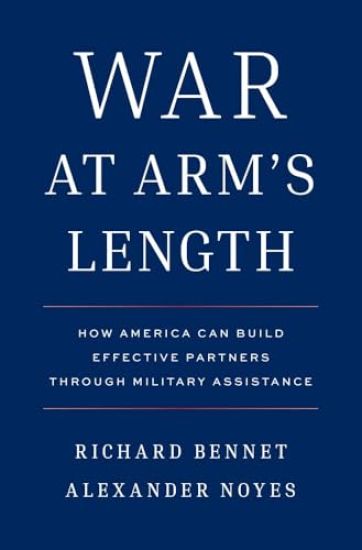
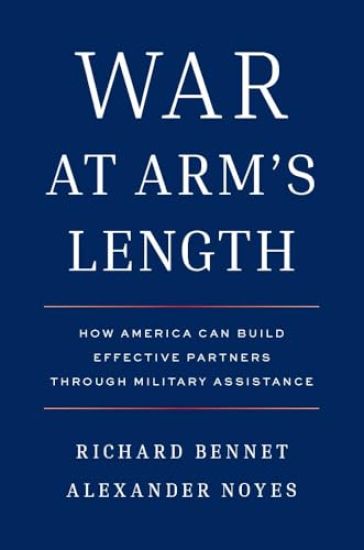
An in-depth examination of how the United States can build more effective partner militaries Military assistance has a bad reputation. Large-scale attempts to build partner militaries in Afghanistan, Iraq, and Vietnam cost the United States billions of dollars and ended ignominiously, with the collapse of local forces as American troops withdrew. Arms transfers of sophisticated, American-made weapons often appear to do more harm than good. Yet military assistance and support—operating indirectly through partners—when done right, can deliver remarkable strategic results for the United States and its partners. How to work effectively with partner militaries is one of the most pressing national security challenges for the United States today. Richard Bennet and Alexander Noyes offer a systematic look at military assistance in the twenty-first century, examining a frequently deployed but often misunderstood set of tools that allows the United States to leverage partner militaries to achieve national security objectives. Bennet and Noyes posit that two main factors—the degree of interest alignment on security issues and the level of institutional capacity of the receiving force—will be the most important variables in Washington’s ability to build militarily effective partners.
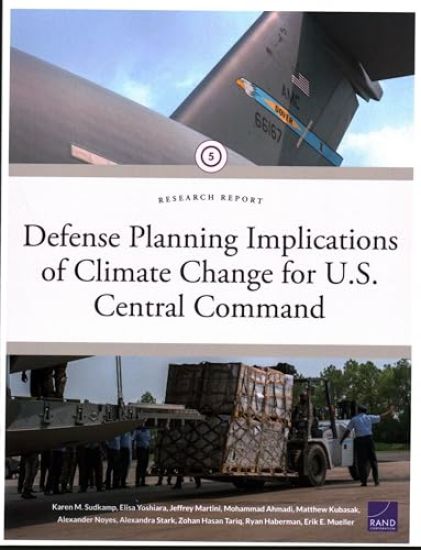
Karen M Sudkamp; Elisa Yoshiara; Jeffrey Martini; Mohammad Ahmadi; Matthew Kubasak; Alexander Noyes; Alexandra Stark; Zohan Hasan Tariq; Ryan Haberman; Erik E Mueller
Stressors from climate change will become more intense and more frequent in the U.S. Central Command (CENTCOM) area of responsibility. This development will likely contribute to CENTCOM's shift from a warfighting-focused command to a command that responds to and conducts traditional and nontraditional security missions. The aim of this report is to help CENTCOM planners prepare for a future security environment that is affected by climate change.
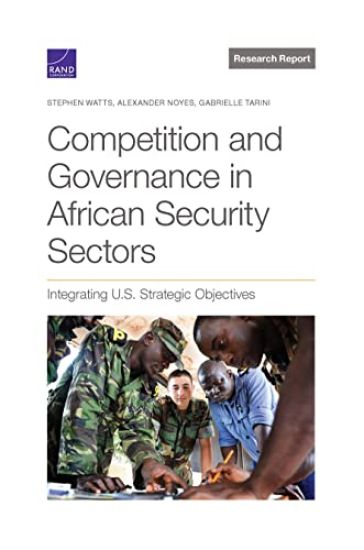
The authors examine U.S. institutional capacity-building (ICB) programs for the security sectors of African partner governments and their potential role in strategic competition. They outline a framework for understanding the relationships between ICB and efforts to gain influence among U.S. partner nations and provide initial recommendations for how U.S. policy can better integrate governance and strategic competition objectives in Africa.